






Antique Ornate Bowl
An antique ornate bowl brings heavy Victorian silver, French gilt bronze and brass repoussé straight to the table or centrepiece position.
Antique Ornate Bowl
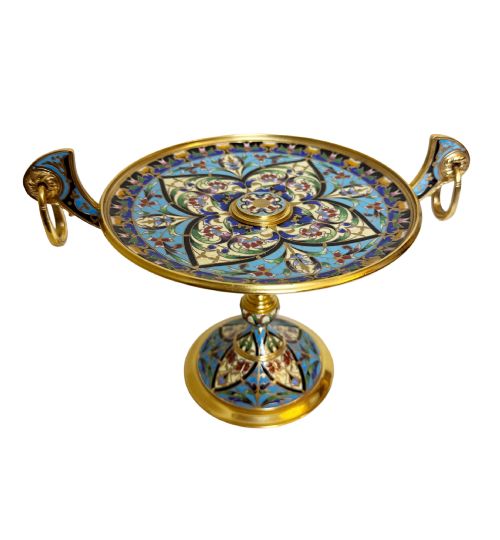
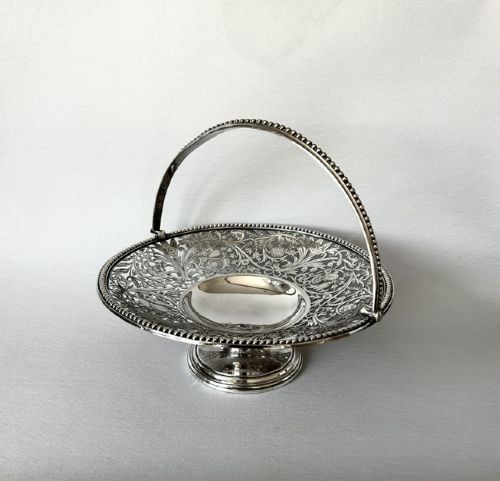
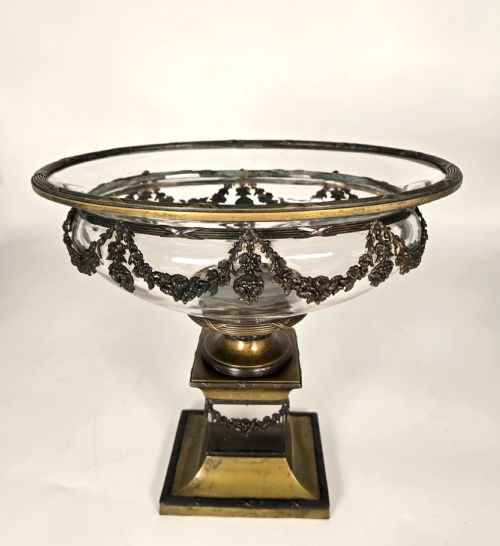
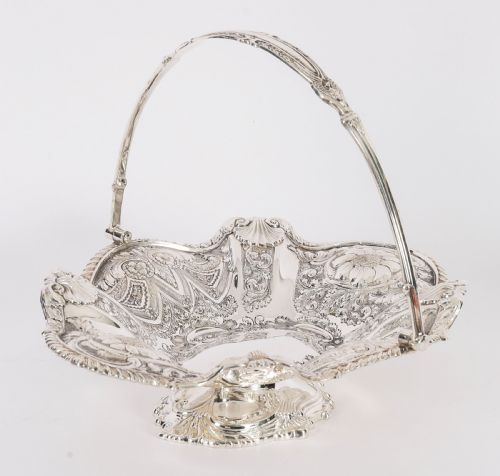
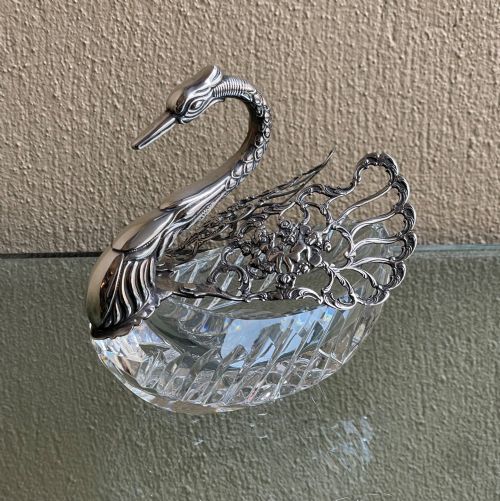
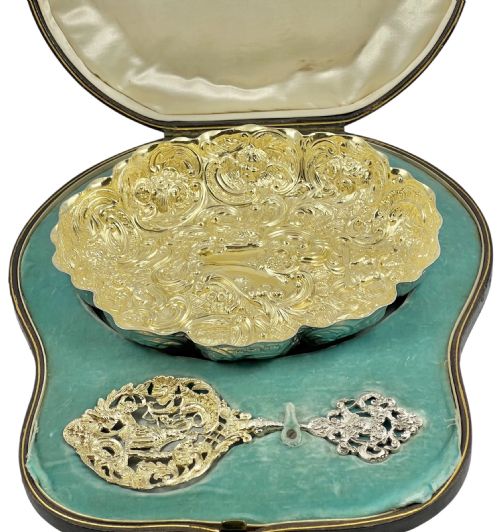
When searching for an antique ornate bowl, buyers encounter a diverse array of decorative vessels spanning the nineteenth century and the Edwardian period. The selections here range from grand silver-plated fruit baskets and heavy brass jardinières to delicate glass pedestal bowls and intricate champlevé tazzas.
Most pieces date from the Victorian era through the early twentieth century, reflecting revivalist styles such as Rococo, Renaissance and French Second Empire. Forms vary widely from practical serving dishes and wine coolers to purely decorative centrepieces and footed bowls.
Origin points stretch from English silversmiths and French ateliers to Indian ceremonial pieces and Spanish designs. Buyers will find that these vessels served various household functions, acting as flower holders, fruit receptacles or focal points for formal dining tables.
Materials and construction methods
These items rely heavily on metals such as sterling silver, silver plate, brass, gilt bronze and copper, often paired with glass, crystal, enamel or carved horn. Makers utilised casting, repoussé work, chasing and piercing to achieve high levels of surface detail.
Techniques varied by medium, with brass and copper planters showing hand-beaten repoussé motifs and animal head handles, while silver and silver-plated fruit baskets featured pierced borders and intricate grapevine detailing.
Glass and crystal components appear moulded or cut, frequently mounted in bronze, ormolu or silver frames. Enamel work, such as champlevé and Limoges plaques, adds colour and complexity to tazzas and jardinières.
Antique Ornate Bowl Retail Price Guide 2026
Typical asking prices for ornate bowl among the pieces listed under this phrase on Sellingantiques today, from the lower quarter to the upper quarter. They describe what is for sale here now, not the wider market.
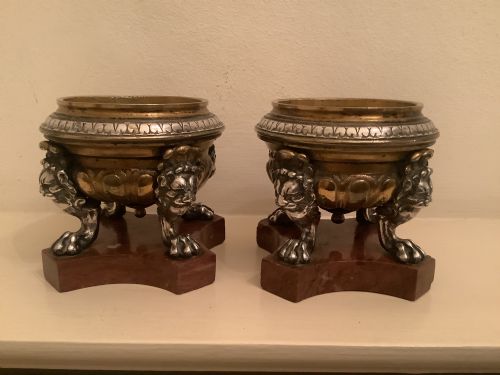
Look closely for the unexpected animal touches, from lions mask handles on Gothic brass to curious animal heads peering from repoussé planters.
What separates the best examples
Quality in these vessels rests on the crispness of the chasing and the depth of the repoussé work. Superior pieces display sharp, clean lines in floral, avian or figural motifs rather than softened or worn surface patterns.
The choice of materials and the integrity of their combination also determine standing. Heavy gauge metals, clear unclouded crystal and securely mounted enamel plaques or porcelain inserts distinguish the finest workshop output from standard domestic ware.
Maker attribution elevates a piece, as seen in signed works by established silversmiths and metalworkers. Furthermore, balanced proportions and intact original plating or gilding indicate superior initial manufacture and careful preservation.
George W. Scott And Sons Ltd·Barker Ellis·Royal Worcester·Whiting Co.
The Antique Ornate Bowl Glossary
- Tazza
- A shallow bowl or cup mounted on a stem and foot, often used as a centrepiece or for serving fruit.
- Repoussé
- A metalworking technique where the metal is hammered from the reverse side to form a raised design in relief.
- Champlevé
- An enamelling process where troughs are carved into a metal surface and filled with vitreous enamel before firing.
- Ormolu
- Gilded bronze applications popular in French decorative arts, used for mounts and decorative trims on glass and ceramic vessels.
- Silver Plate
- A base metal, such as copper or Britannia metal, coated with a thin layer of silver through electroplating or old Sheffield methods.
Antique Ornate Bowl: Frequently Asked Questions
What is an antique ornate bowl used for?
These vessels originally served practical dining and display functions, acting as fruit baskets, wine coolers, food warmers and flower holders. Wealthy households placed them on sideboards or dining tables as status symbols and decorative centrepieces.
Today, collectors use them in much the same way, displaying them on tables or mantelpieces. They adapt well to holding floral arrangements, potpourri or simply standing alone as sculptural decor.
How do I date a silver plated bowl?
Dating silver plate involves examining maker marks, registration numbers and stylistic clues such as Victorian revival motifs or Edwardian elegance. Manufacturers often stamped their initials or specific trade marks onto the base.
Heavier cast mounts and deep repoussé work usually point to the nineteenth century, while lighter, cleaner lines often indicate the early twentieth century. Comparing the style to known historical periods helps narrow the decade of manufacture.
What is the difference between a tazza and a jardiniere?
A tazza is an elevated shallow bowl on a central foot, designed primarily for display or serving small food items like fruit or sweets. Its silhouette emphasises the pedestal and the decorative rim.
A jardiniere is a decorative container designed specifically to hold potted plants or cut flowers. These are generally deeper than tazzas and frequently feature waterproof liners or heavy metal construction to handle soil and moisture.
How do I care for antique brass and bronze?
Caring for antique brass and bronze requires minimal intervention to preserve the natural patina built up over decades or centuries. Dusting with a soft, dry cloth prevents grime accumulation without stripping the surface.
Harsh chemical polishes should be avoided because they remove desirable historical ageing and can damage delicate chased or repoussé details. Professional advice is recommended if a piece requires deep cleaning.