


Antique Ormolu Box
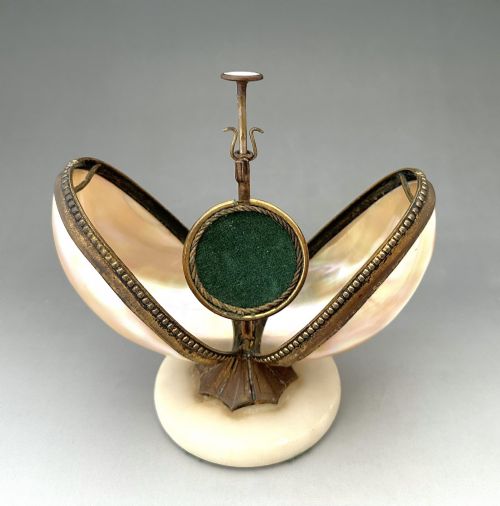
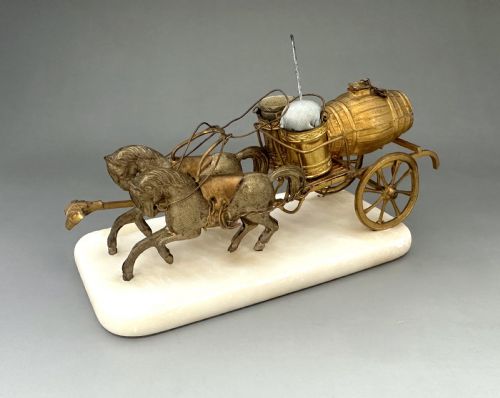
An antique ormolu box brings French Rococo revival elegance to a dressing table, combining gilded bronze mounts with glass, porcelain or stone.
Antique Ormolu Box
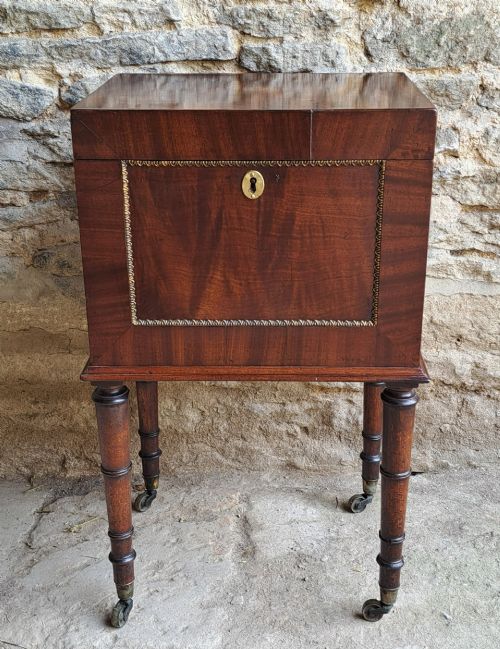
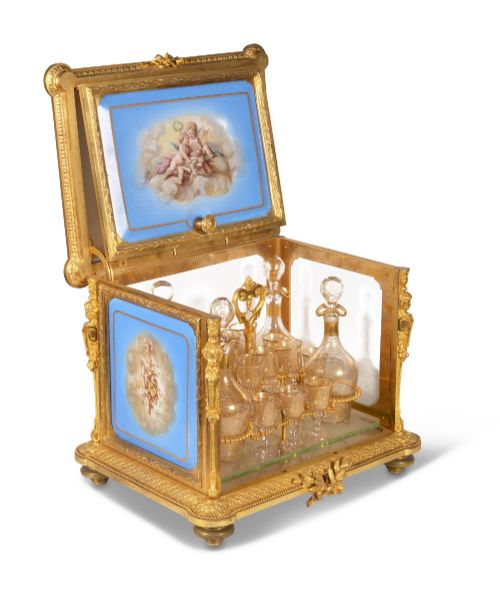
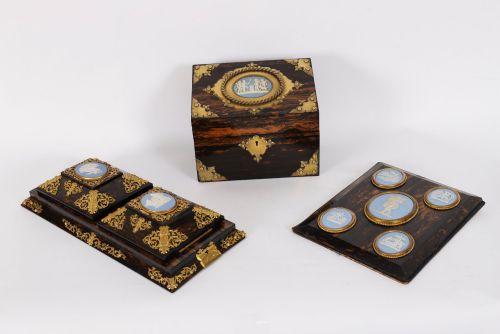
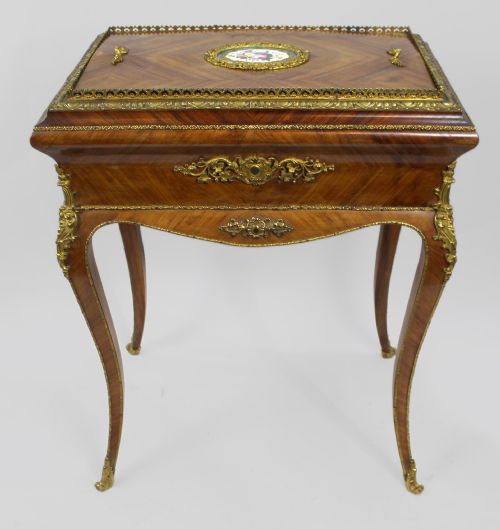
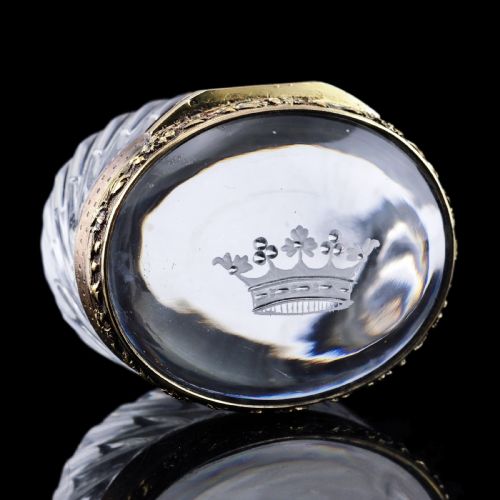
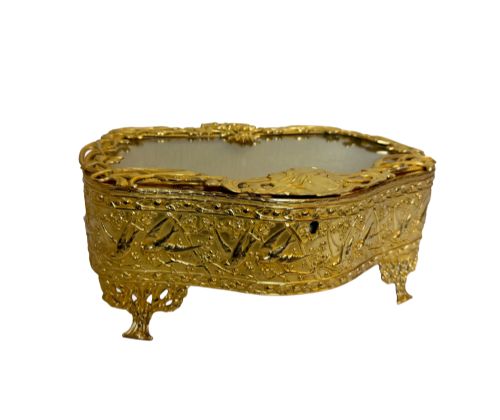
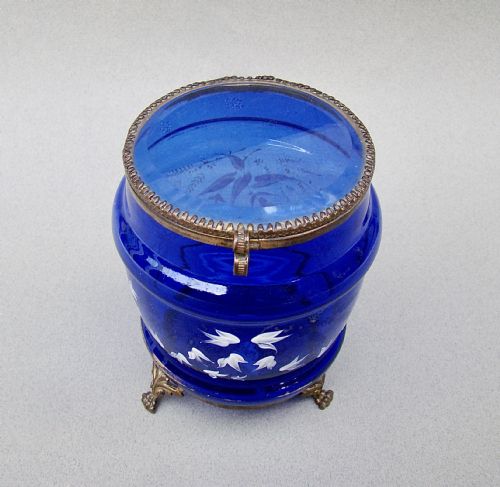
When you search for an antique ormolu box, you encounter nineteenth-century French and English caskets designed for jewellery, trinkets, and correspondence. The most common forms on this page include glass and crystal jewellery boxes, porcelain-mounted caskets, and marquetry wood boxes featuring gilt bronze mounts.
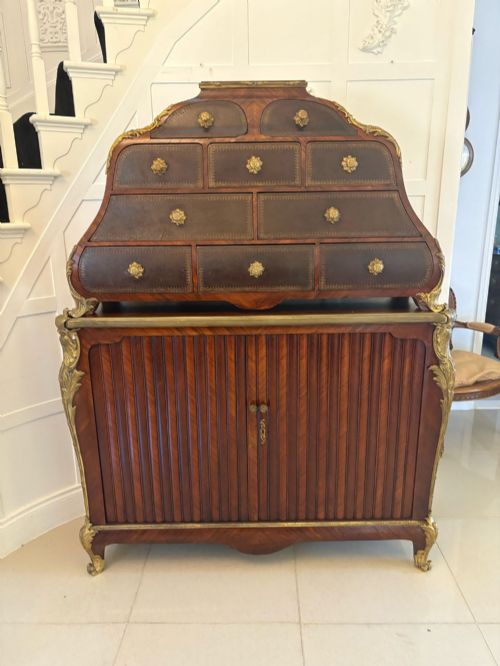
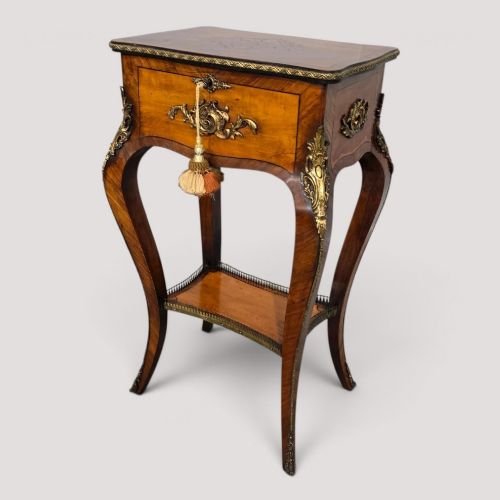
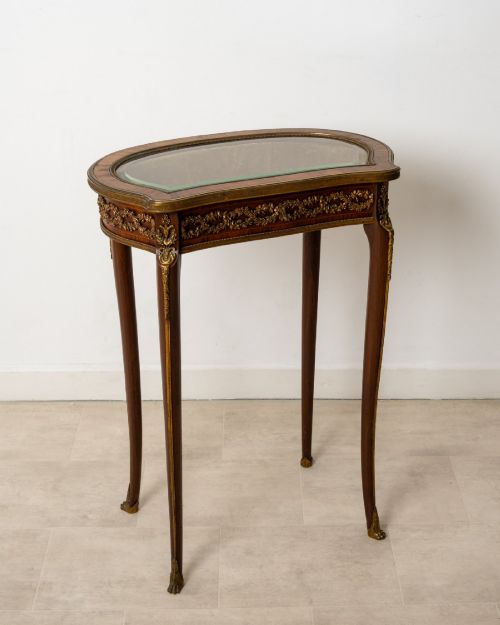
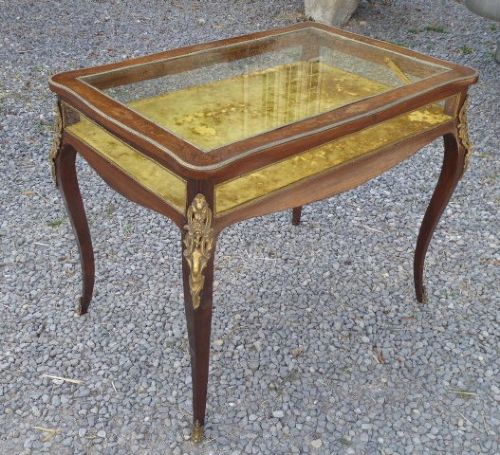
Many pieces reflect nineteenth-century revival styles such as Napoleon III, Louis XV, and Louis XVI, originating from workshops in France, England, and Austria. These items served functional roles on desks and dressing tables, ranging from small trinket containers to large freestanding bijouterie display tables.
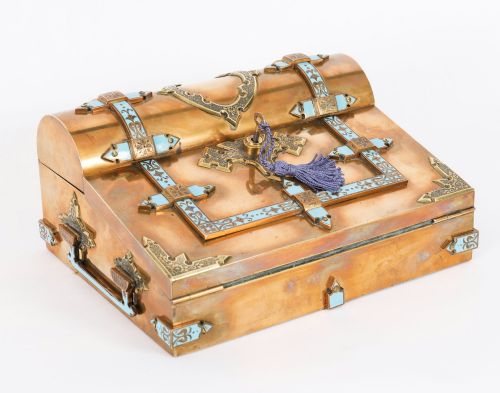
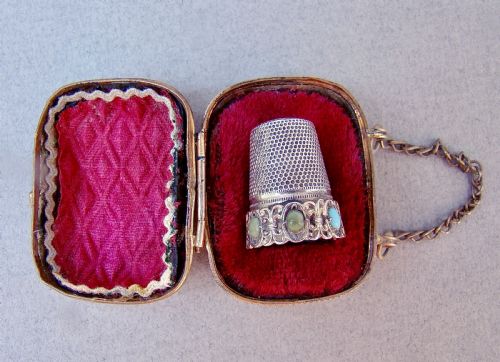
The selection includes specialised containers such as scent caskets, stationery boxes, and sewing companions alongside standard jewellery caskets. Materials span from Bristol blue glass and Sevres porcelain to kingwood, rosewood, and marble, all united by their prominent ormolu mountings.
Materials and Construction
Makers constructed these boxes using a foundation of hardwoods like mahogany, rosewood, and kingwood, frequently enhanced with marquetry or parquetry. Crystal and glass panels, along with Sevres and Limoges porcelain plaques, formed the main body of many caskets.
The characteristic ormolu, or gilt bronze, was cast and chased before being applied as decorative mounts, frames, and feet. Interior compartments often featured velvet or silk linings to protect valuable contents such as jewellery, stamps, and writing accessories.
Antique Ormolu Box Retail Price Guide 2026
Typical asking prices for ormolu box among the pieces listed under this phrase on Sellingantiques today, from the lower quarter to the upper quarter. They describe what is for sale here now, not the wider market.
Listings feature nineteenth-century French and English pieces, incorporating materials like crystal, Sevres porcelain, kingwood, and ormolu.
Assessing Craftsmanship
Quality depends on the crispness of the bronze chasing and the weight of the cast ormolu mounts. Finer pieces display sharply defined scrollwork, floral motifs, and figures rather than smooth, soft casting.
The integration of the materials dictates the tier of the piece, such as hand-painted porcelain plaques, heavy Baccarat crystal, or intricate kingwood marquetry. Superior examples retain their original bevelled glass panels, working locks with keys, and well-fitted interior velvet or silk linings.
Victor Raulin
The Antique Ormolu Box Glossary
- Ormolu
- Gilded bronze, produced by applying a gold amalgam to a bronze base and heating it to drive off the mercury. This technique creates a durable, bright golden finish characteristic of nineteenth-century decorative hardware.
- Bijouterie table
- A glass-topped display table designed to showcase small valuable items like jewellery and trinkets. These tables typically feature hinged lids and detailed ormolu mounts.
- Sevres
- A famous French porcelain manufactory known for producing decorative plaques and vessels used in luxury nineteenth-century furniture and boxes. Pieces often feature distinct cobalt blue grounds and hand-painted scenes.
- Pietra dura
- An artistic technique using cut and fitted inlaid coloured stones to create geometric or figurative pictures. It appears on the lids of select Italian and French caskets.
Antique Ormolu Box: Frequently Asked Questions
What were antique ormolu boxes used for?
These boxes served as secure, decorative containers for storing valuable personal items such as jewellery, trinkets, letters, and sewing accessories on dressing tables or writing desks.
Larger versions, known as bijouterie tables or display boxes, allowed owners to exhibit their collection of small treasures under glass lids within the drawing room.
How do I date an ormolu box?
Dating relies on stylistic clues, manufacturing techniques, and materials such as the type of glass, wood, or porcelain panels used in the construction. Most examples on this page date from the nineteenth century, reflecting periods like Napoleon III, Victorian, and various French revival styles.
Examining the casting quality of the ormolu mounts and any stamps or signatures on the locks or frames also helps narrow down the period of manufacture.
How do I care for antique ormolu?
Ormolu requires gentle cleaning with a soft, dry cloth to remove dust without harming the thin layer of gold gilt. Avoid using abrasive metal polishes, chemical cleaners, or water, as these can strip the gilding from the bronze base.
menjaga the environment stable by keeping the box away from direct sunlight and excessive humidity helps preserve both the metal mounts and the delicate wood or fabric interiors.
What is the difference between ormolu and brass?
Ormolu is specifically gilded bronze, created through a process that applies gold to a bronze substrate, resulting in a deep, warm golden lustre. Brass is an alloy of copper and zinc, which typically has a brighter, yellower metallic tone and is cast or stamped rather than fire-gilded.
In antique boxes, ormolu mounts are generally heavier, more finely chased, and found on higher-end luxury pieces compared to standard brass hardware.