



Antique Oriental Teapot
An antique oriental teapot brings centuries of ceramic and metalwork artistry to the table, offering a tangible connection to Eastern brewing traditions.
Antique Oriental Teapot
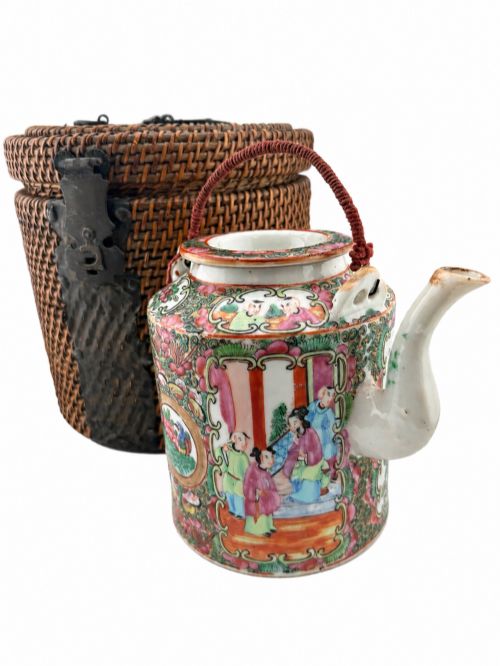
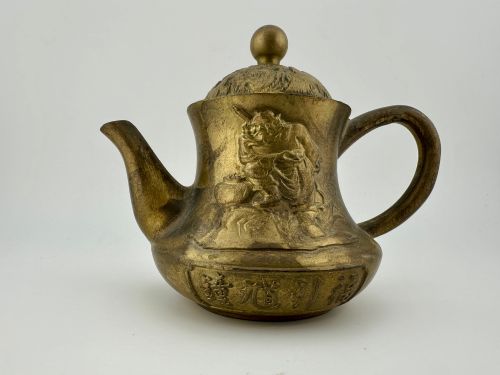
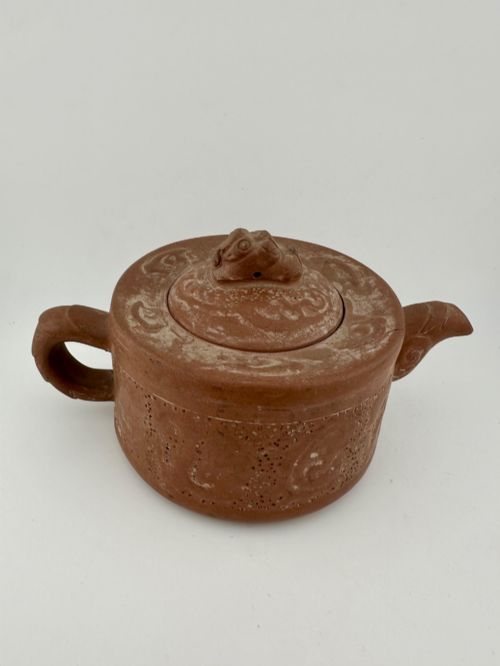
An antique oriental teapot encompasses a diverse array of vessels originating from China and Japan, spanning centuries of craftsmanship from the seventeenth century through the early twentieth century. When exploring this selection, buyers frequently encounter porcelain tea vessels alongside metal ewers and kettles.
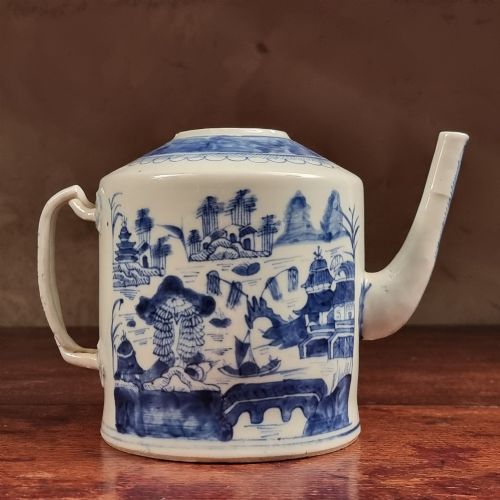
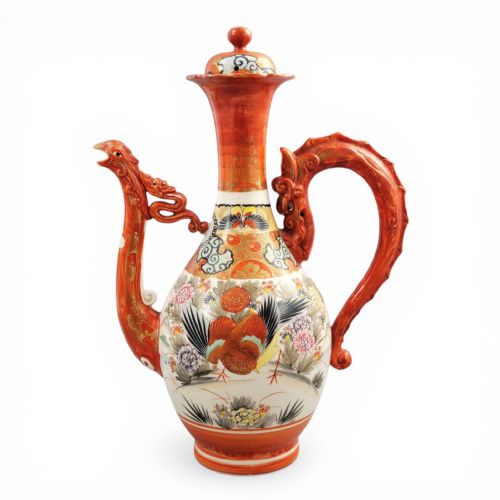
The objects listed on this page range from delicate blue and white porcelain pieces made during the Qing dynasty to robust Japanese bronze and cast iron kettles from the Meiji period. Ceramic forms predominate, often accompanied by specialised variants such as sake kettles and decorative ewers.
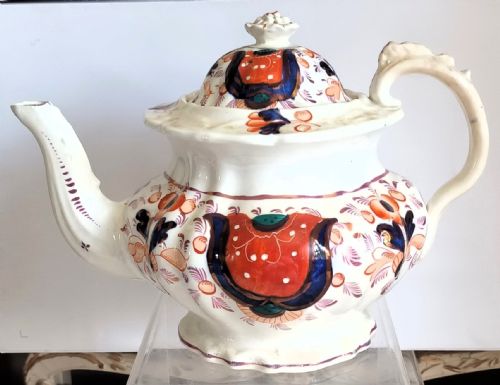
Originating across distinct Asian dynasties and artistic movements, these vessels reflect regional drinking cultures and trade histories. Pieces draw upon stylistic idioms from the Kangxi period, Georgian adaptations, and later export wares designed for Western markets.
Materials and construction methods
Potters and metalworkers utilised porcelain, earthenware, bronze, brass, and cast iron to form these vessels, frequently incorporating cobalt glaze, enamel, and gold leaf for surface decoration. Ceramic teapots and ewers rely on skilled throwing and moulding, while metal items such as Kyoto tetsubin employ advanced casting techniques.
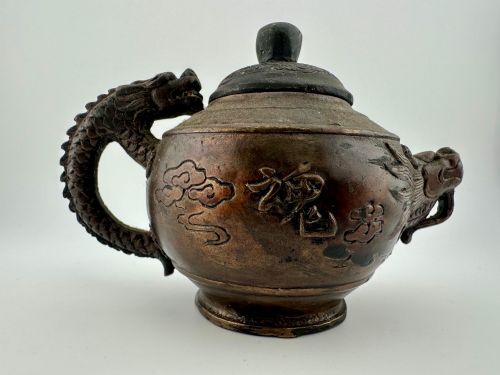
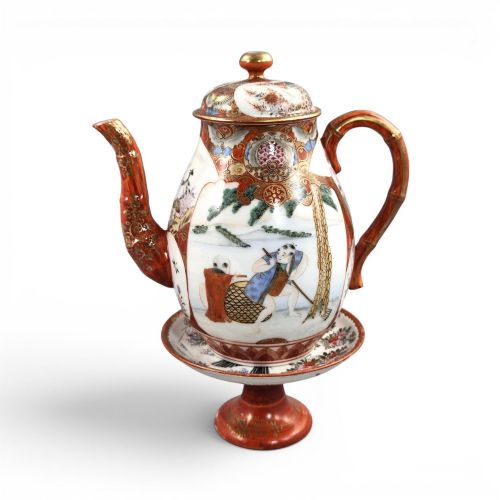
Surface ornamentation ranges from intricate hand-painted cobalt blue designs underglaze to vibrant polychrome famille rose enamels and cloisonné enamel lids. Artisans applied precise detail through dragon motifs, phoenix spouts, and seal marks.
Antique Oriental Teapot Retail Price Guide 2026
Typical asking prices for oriental teapot among the pieces listed under this phrase on Sellingantiques today, from the lower quarter to the upper quarter. They describe what is for sale here now, not the wider market.
Listings incorporate diverse decorative techniques, uniting cobalt glaze, cloisonne enamel, and gold leaf across multiple Asian dynasties.
Defining factors of quality
Quality in these pieces is dictated by the fineness of the potting, the clarity and execution of hand-painted decoration, and the preservation of delicate surface details like gold leaf and enamel. Superior examples exhibit precise balance, crisp relief work, and authoritative manufacturer or seal marks.
The integration of secondary materials, such as cloisonné lids on metal kettles or fitted wicker cases for ceramic pots, further distinguishes finer productions from standard utilitarian wares.
Kibundo·Kotobuki do
The Antique Oriental Teapot Glossary
- Famille rose
- A major palette of Chinese ceramic glazes introduced in the eighteenth century, distinguished by opaque pink or rose enamel colours derived from colloidal gold.
- Tetsubin
- A traditional Japanese cast iron kettle featuring a pouring spout and a handle across the top, often used for boiling water for tea.
- Meiji period
- The era in Japanese history spanning from 1868 to 1912, known for significant artistic output and export of decorative arts.
- Cloisonné
- An ancient metalwork technique where enamel is applied to compartments created by soldering flat metal wire onto a metallic base.
- Ewer
- A large jug or pitcher with a spout, historically utilised for pouring liquids, closely related in form to certain antique teapots.
Antique Oriental Teapot: Frequently Asked Questions
How do I date an antique oriental teapot?
Dating relies heavily on stylistic markers, reign marks, and material characteristics associated with specific eras such as the Kangxi period or Meiji era. Examining the potting technique and glaze composition offers further clues to the period of origin.
Changes in export patterns and dynasty transitions also help narrow down the decade of production. Comparing base marks with authenticated examples provides additional chronological certainty.
What is the difference between a teapot and a sake kettle?
Sake kettles typically feature specific structural adaptations for warming and pouring rice wine, often including specialised metal construction and decorative elements like cloisonne lids. Teapots are generally designed for infusing tea leaves and water.
While both share pouring spouts and handles, their internal volumes and material thicknesses reflect their distinct intended beverages within Asian domestic traditions.
Can I use an antique oriental teapot for daily brewing?
Most antique ceramic and metal vessels are treated as decorative collectors' pieces or display objects rather than items for daily functional use. Age and historical material degradation mean routine handling carries risks.
Thermal shock from boiling water can also fracture delicate ancient porcelain or stress antique glazes. Displaying them safely preserves their integrity.
How should I clean my antique teapot?
Dusting gently with a soft, dry cloth is usually sufficient for maintaining the exterior surface without risking the enamel or gold leaf. Avoid harsh chemical cleaners and abrasive scouring pads entirely.
Immersion in water should be approached with caution, particularly for pieces with exposed metal parts or fragile historic repairs. Professional conservation advice is recommended for deeper cleaning.