

Antique Oriental Figures
These antique oriental figures span centuries of Asian craftsmanship, offering collectors sculpted deities, animals, and scholars cast in bronze, carved in jade, and shaped in porcelain.
Antique Oriental Figures
When searching for antique oriental figures, buyers encounter a diverse array of sculptural forms originating from China, Japan, Tibet, India, and Southeast Asia. These pieces range from religious icons and mythological beasts to everyday genre scenes depicting scholars, farmers, and children.
The objects take many physical shapes, including standalone statues, small desk paperweights, vessel-mounted figures, and figural groups. Materials span from cast metals and carved hardstones to glazed pottery and delicate ivories or bone.
Most examples available belong to the nineteenth and early twentieth centuries, particularly the Victorian and Meiji periods. However, older survivals from the Ming and Qing dynasties regularly appear among higher-tier inventories.
How they were made
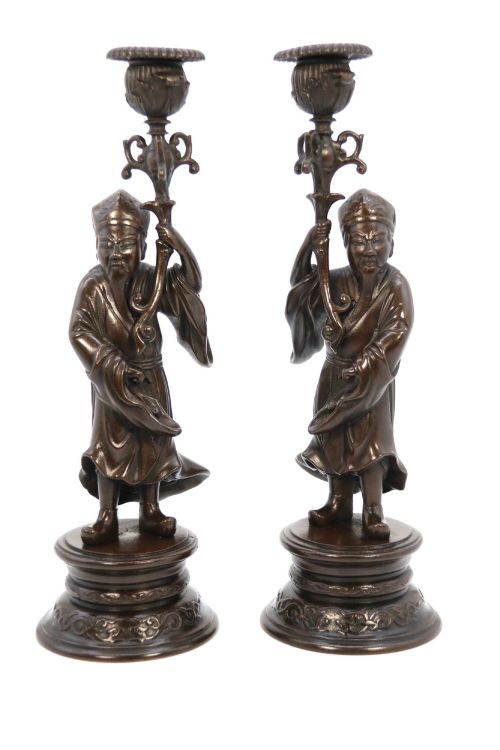
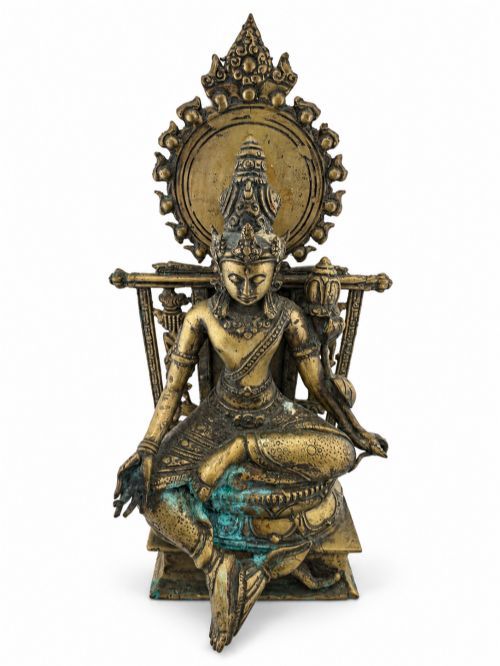
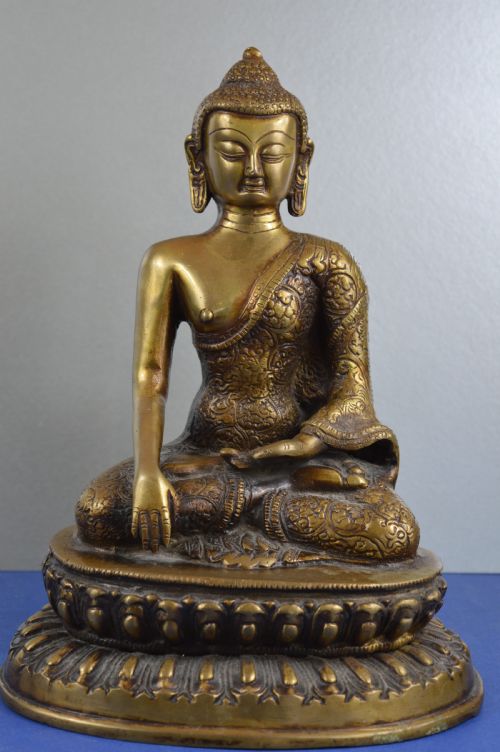
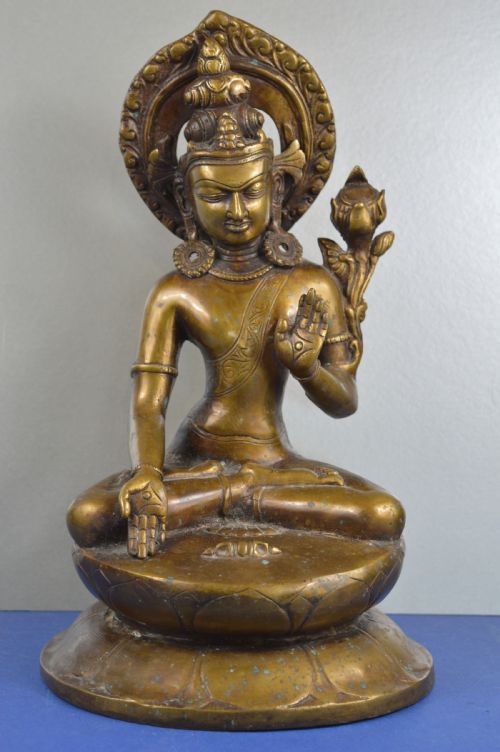
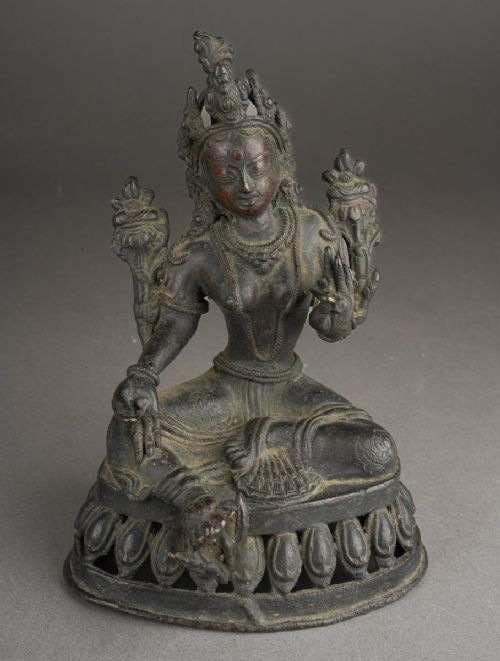
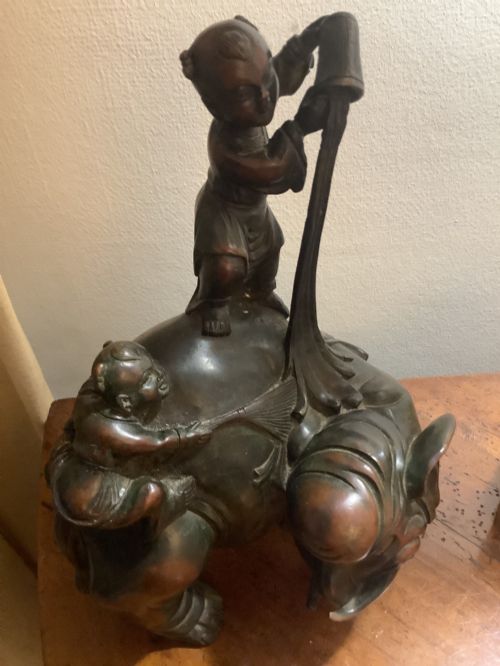
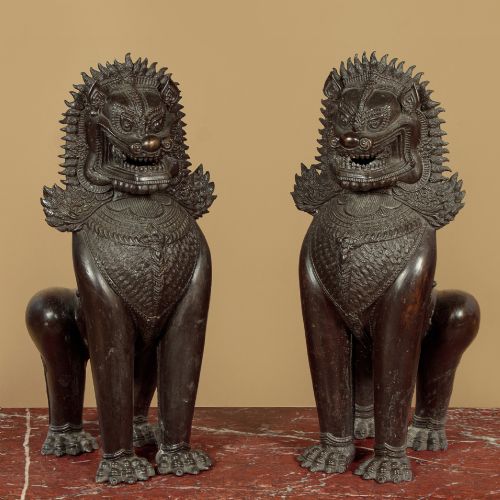
Metal sculptures rely heavily on the lost-wax casting technique, often finished with fire-gilding, patination, or mixed-metal inlays. Bronze, brass, and shibuichi provide the durable core for these detailed works.
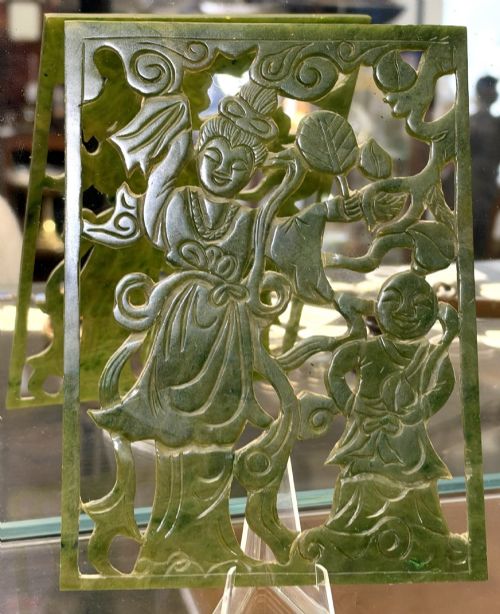
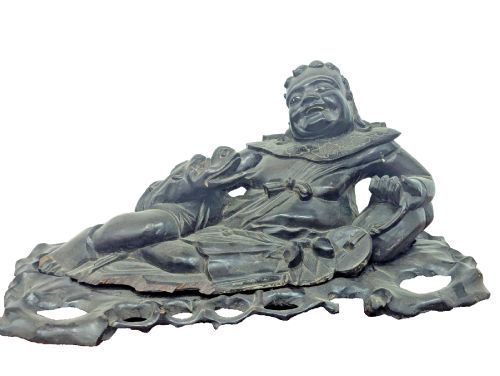
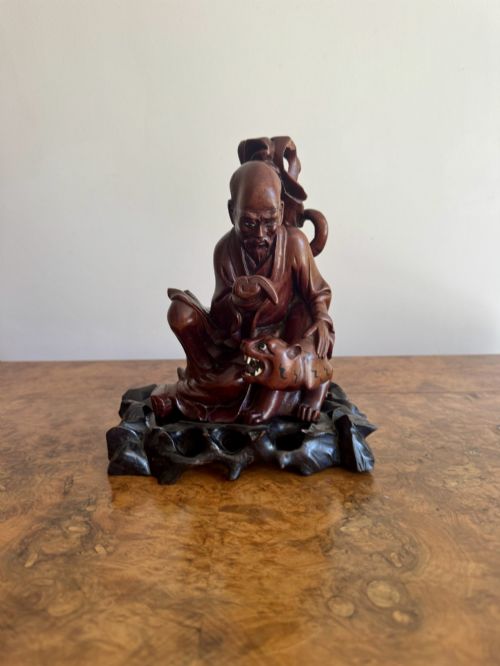
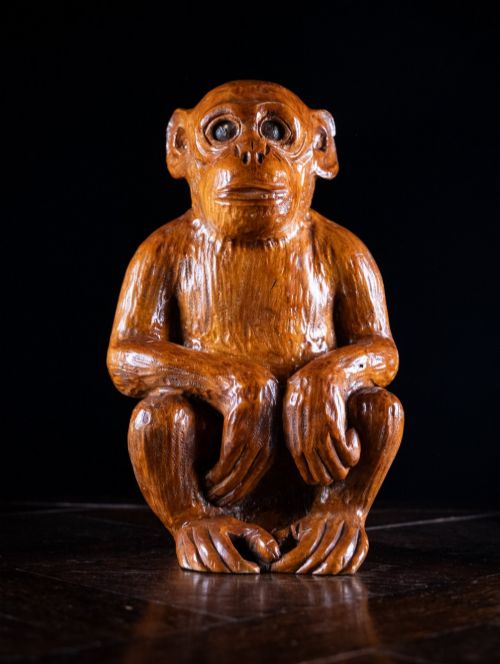
Carved pieces utilise organic and mineral materials such as nephrite jade, soapstone, rose quartz, hard wood, and coral. Artisans carve these dense substances with precision to capture flowing robes and natural textures.
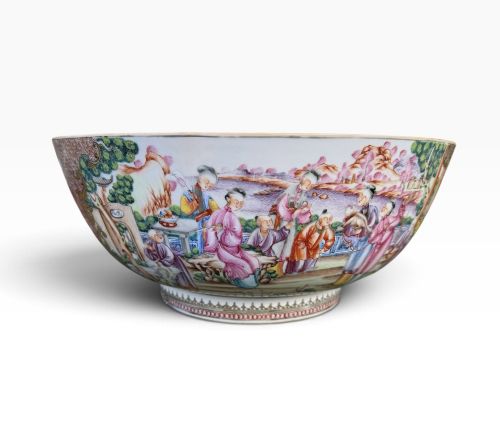
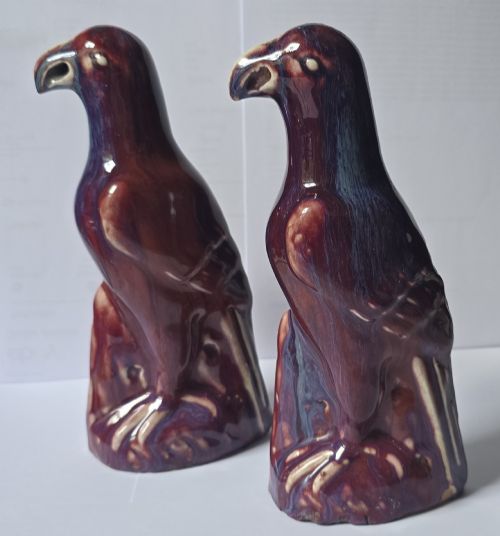
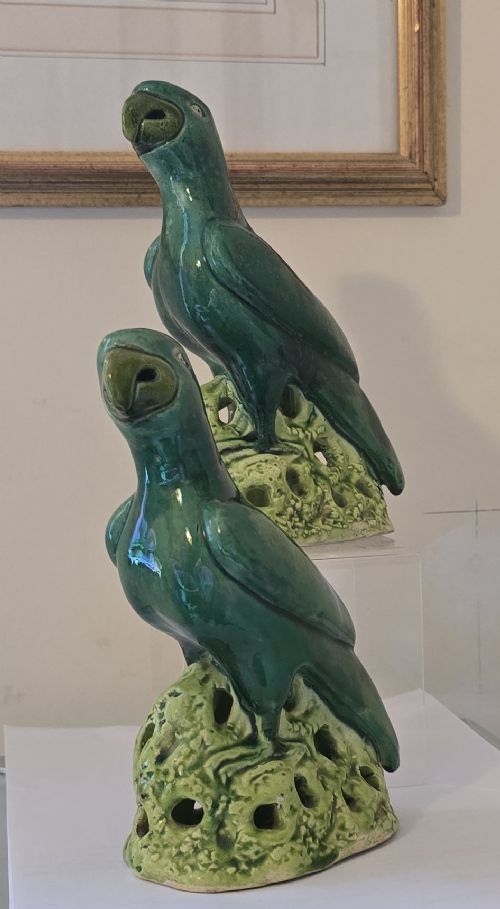
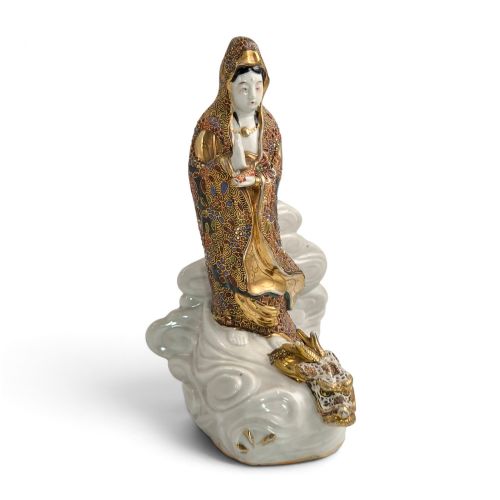
Ceramic figures employ earthenware, stoneware, and porcelain bodies finished with Sancai glazes, famille rose enamels, or plain blanc-de-chine finishes. Kiln techniques dictate the depth of the glaze and the crispness of the moulded details.
Antique Oriental Figures Retail Price Guide 2026
Typical asking prices for oriental figures among the pieces listed under this phrase on Sellingantiques today, from the lower quarter to the upper quarter. They describe what is for sale here now, not the wider market.
Materials range from hardstones like jade and carnelian to cast bronze and cloisonne enamel.
What varies in quality
The standard of carving and casting dictates the visual success of a piece. Superior works display confident undercutting, precise facial expressions, and naturalistic movement in drapery or anatomy.
Material selection significantly influences overall value and desirability. Flawless translucent jades, heavy fire-gilt bronzes, and carefully selected hardwoods elevate an object far above routine production pieces.
The harmony of form and proportion separates exceptional masterworks from standard decorative items. Well-composed figure groups maintain balance and tell a coherent visual story without appearing crowded or stiff.
Inoue Ryosai·Shozan
The Antique Oriental Figures Glossary
- Okimono
- A Japanese freestanding ornamental carving or sculpture designed for display on a shelf or in a tokonoma alcove. These pieces depict animals, deities, and daily life.
- Gilt-Bronze
- Metalwork coated in a thin layer of gold or gold amalgam. This technique adds lustre and protects the underlying bronze base from corrosion.
- Celadon
- A pale green or grey-green ceramic glaze imitating jade. The colour results from iron oxide in the glaze interacting with kiln reduction firing.
- Famille Rose
- A palette of opaque enamel colours dominated by pink or rose hues, introduced to Chinese porcelain production during the eighteenth century.
- Blanc-de-Chine
- A white porcelain produced in Dehua, China, featuring a smooth, ivory-toned glaze that merges seamlessly with the clay body.
Antique Oriental Figures: Frequently Asked Questions
What are antique oriental figures made of?
These sculptures utilise a wide variety of traditional materials depending on their region and period of origin. Common mediums include cast bronze, carved nephrite jade, soapstone, hard wood, and glazed porcelain or pottery.
Makers selected materials based on local availability and traditional techniques, ranging from heavy gilt metals to delicate coral and carved bone.
How do I tell Chinese from Japanese pieces?
Distinguishing between Chinese and Japanese works involves examining the artistic style, iconography, and material choices. Chinese figures frequently depict Daoist immortals, Buddhist deities, or imperial motifs with formal symmetry.
Japanese Meiji period works often display greater naturalism, narrative charm, and dynamic movement, such as woodcutters with buffaloes or workers gathering crops.
How were bronze figures decorated?
Bronzes received surface decoration through several traditional methods including chemical patination, selective fire-gilding, and mixed-metal inlay. Artisans highlighted details by contrasting dark patinated surfaces with polished highlights.
Some scholarly pieces incorporated intricate incised designs or fire-gilt highlights to accentuate the drapery of robes and ritual attributes.
What is a netsuke or okimono?
An okimono is a Japanese decorative sculpture created purely for display rather than practical use. These carvings represent figures, animals, and folklore scenes with great attention to detail.
Unlike netsuke, which served a functional purpose as toggle fasteners for traditional garments, okimono sat strictly on household shelves or display stands.