





Antique Oriental Deity Carving
These antique oriental deity carving pieces range from Chinese temple guardians to Burmese panels, offering tangible history and rich symbolism for your interior.
Antique Oriental Deity Carving
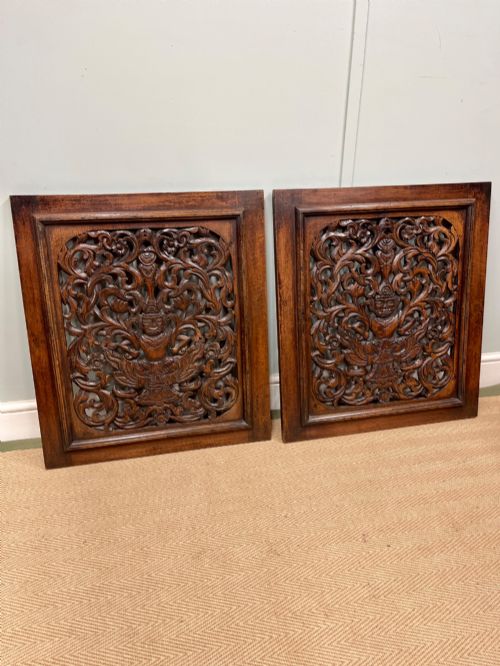
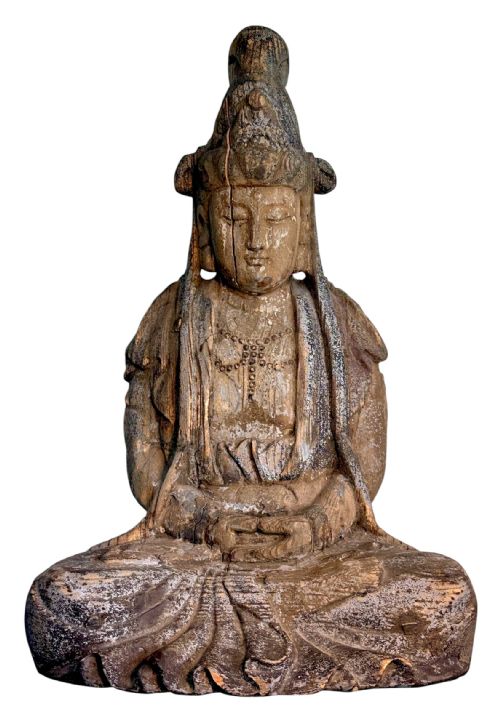
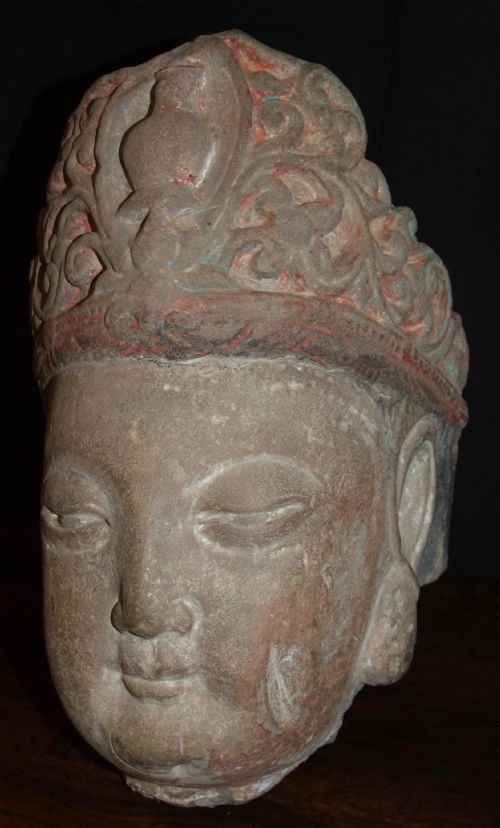
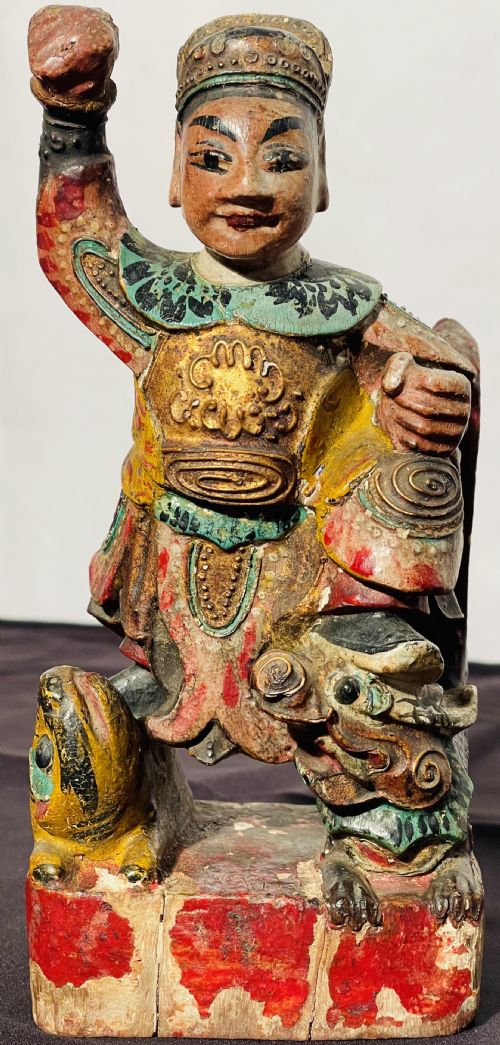
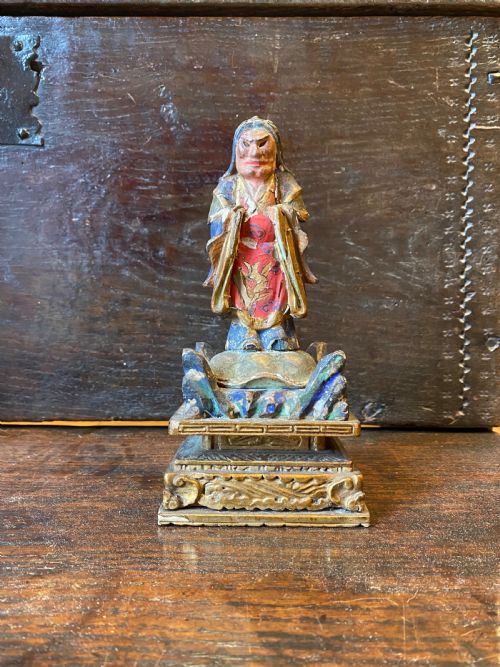
An antique oriental deity carving encompasses sculptural representations of religious figures, scholars, and mythological guardians originating from regions including China, Burma, Tibet, Japan, and India. When you search for this phrase, you will encounter diverse forms ranging from large temple statues and architectural wall panels to smaller root carvings and jade pendants.
The pieces span various cultural traditions, reflecting Buddhist, Hindu, and indigenous spiritual practices across several centuries. Wooden figures, stone heads, and gilt metal statues dominate the selection, bringing distinct regional iconography and ritual purpose into domestic spaces.
Materials and methods
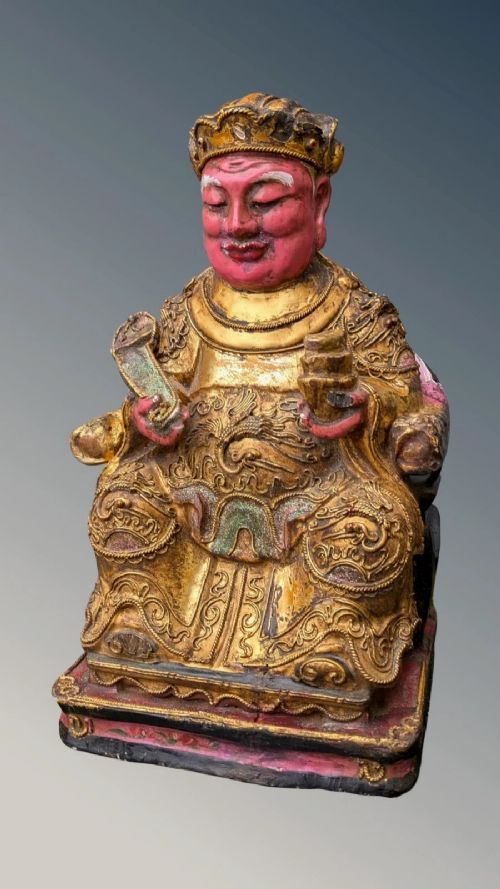
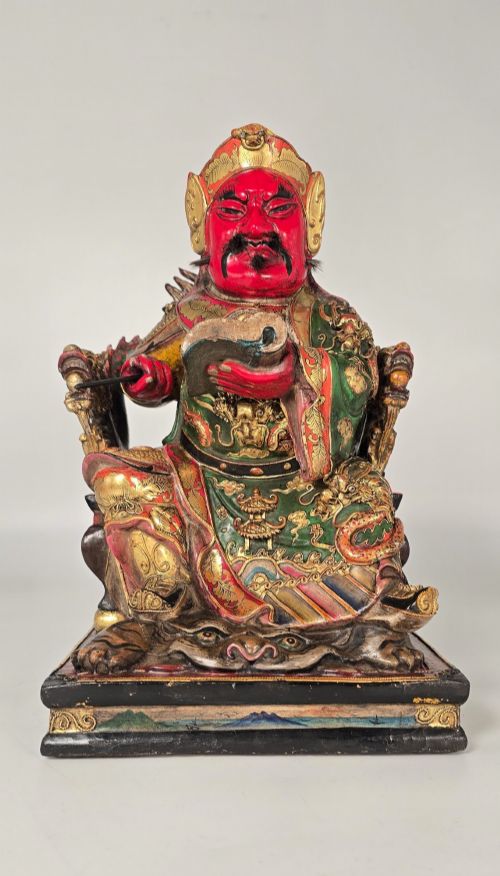
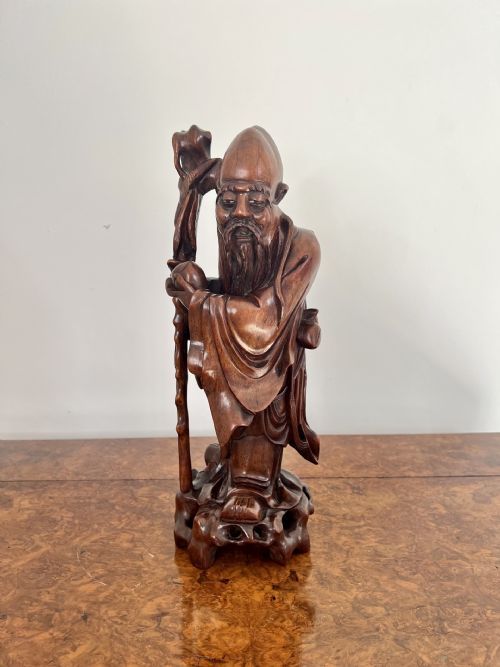
Carvers predominantly utilised hardwoods, teak, boxwood, and bamboo to shape these figures, frequently applying gesso, gold leaf, and polychrome pigments to the surface. Artisans also worked in stone, sandstone, alabaster, terracotta, and jade, demonstrating a wide mastery of sculptural mediums across different Asian traditions.
Finishes involve intricate lacquering, hand painting, and staining, often complemented by natural wear and aged patinas that highlight the underlying grain of the material. Many wooden pieces combine carving with applied pigment or leaf to accentuate the garments and facial expressions of the deities.
Listings span periods from the Ming Dynasty and the 18th century through to the 19th and early 20th centuries, including the Meiji period.
Distinctions in quality
Quality rests upon the precision of the hand carving and the depth of detail rendered in the facial expressions and drapery of the figures. Superior examples display confident tool work and harmonious proportions that bring presence to the subject, whether it is a temple guardian or a scholarly figure.
The preservation of original surface treatments, such as polychrome paint, lacquer, or gold leaf, heavily influences the standing of a piece. Well-preserved patinas and integrated material integrity separate masterworks from simpler decorative items.
The Antique Oriental Deity Carving Glossary
- Okimono
- A Japanese ornamental statue or carving. These small decorative items were typically displayed in a home interior.
- Gilt
- Covered thinly with gold leaf or gold paint. This finish was frequently applied to temple figures to signify divine status.
- Patina
- A gloss or sheen on the surface of wood or stone produced by age and handling. A good patina indicates genuine historic use.
- Root carving
- A sculptural form shaped from the gnarled roots of a tree. Artisans followed the natural contours of the wood to suggest figures and animals.
Antique Oriental Deity Carving: Frequently Asked Questions
How do I care for wooden deity carvings?
Keep wooden figures away from direct sunlight and sudden temperature shifts to prevent the material from drying out or splitting. Dust them gently with a dry, soft cloth rather than using liquid polishes.
Maintaining a stable indoor humidity helps preserve delicate surface treatments like old polychrome paint or gold leaf. Handle the carvings by their main bodies rather than protruding arms or delicate attributes.
Where were these carvings originally displayed?
Many larger sculptures and temple guardians stood in Buddhist or Hindu temples, shrines, and ancestral halls to offer protection or receive devotion. Architectural panels decorated structural elements of traditional buildings.
Smaller figures and scholar's items were intended for private domestic interiors, studies, or personal altars. Jade pendants and okimono served as portable items for personal wear or intimate display.
How can I tell different periods apart?
Dating relies on stylistic markers associated with specific dynasties or eras, such as Ming, Qing, or the Japanese Meiji period. Material preparation, tool marks, and the ageing of pigments provide physical clues to a piece's age.
Examining the construction methods and the natural wear of the wood or stone helps contextualise the century of manufacture. Comparing regional iconographic details confirms the likely geographical origin.
What do figures like Quan Yin represent?
Quan Yin is revered as the bodhisattva of compassion, often depicted offering grace, holding sacred texts, or standing upon a lotus. Such figures brought themes of mercy, protection, and spiritual comfort to domestic or sacred spaces.
Other subjects, like wealth gods or scholars, symbolised prosperity, longevity, and wisdom for the household. These representations allowed owners to invoke specific virtues and blessings through art.