






Antique Oriental Bag
When you search for an antique oriental bag, you encounter woven tribal storage sacks, saddlebags, and utilitarian pouches crafted across Central Asia, Persia, and the Caucasus.
Antique Oriental Bag
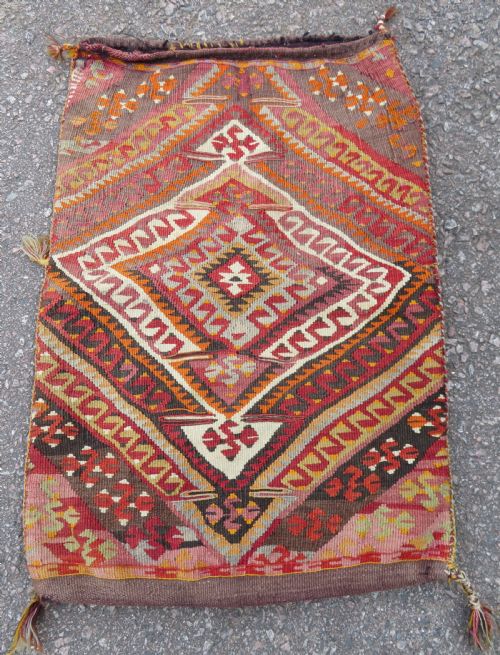
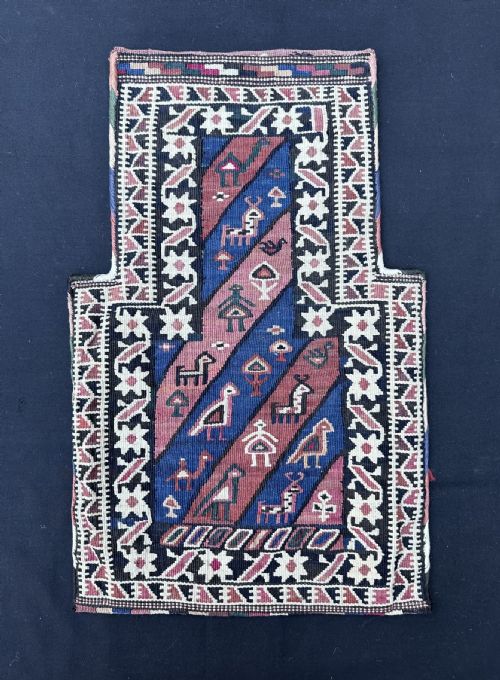
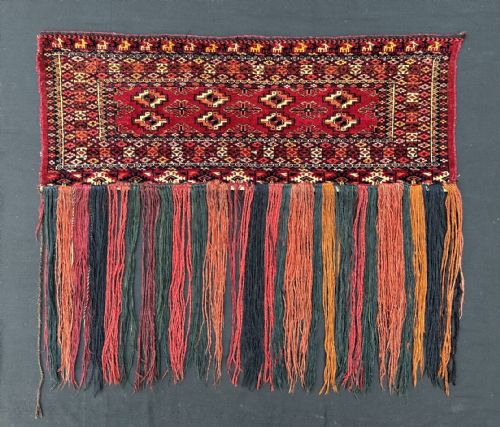
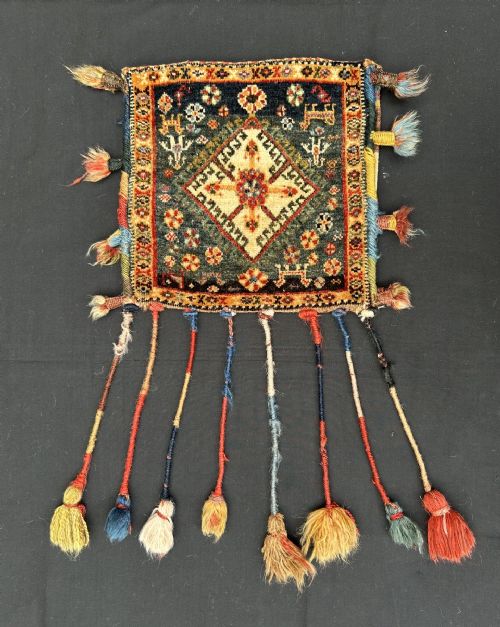
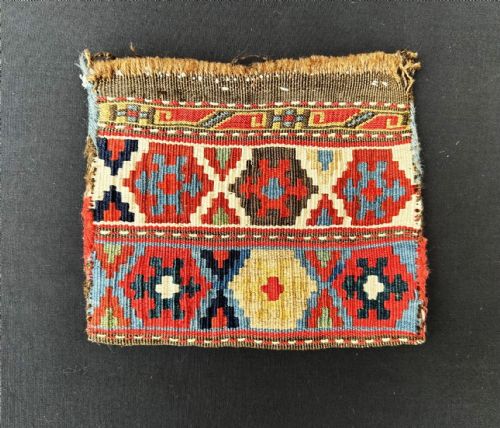
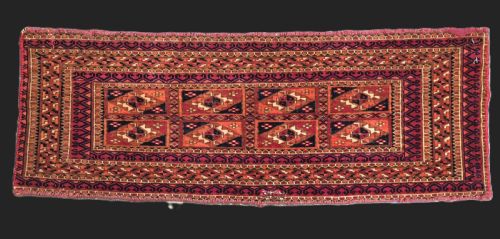
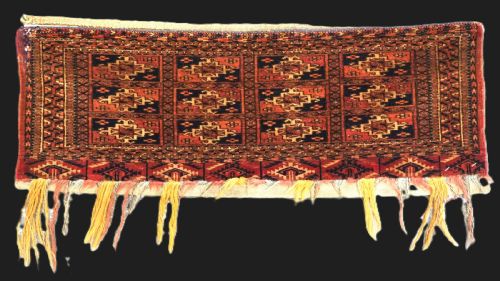
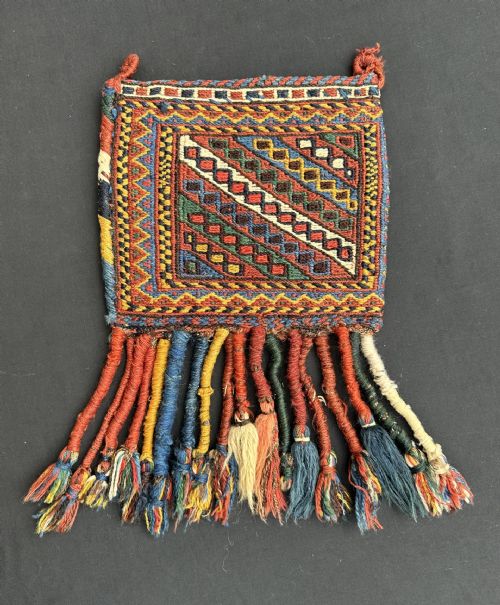
The pieces grouped under the search for an antique oriental bag consist primarily of nomadic and tribal containers such as torbas, chuvals, salt-bags, vanity-bags, and saddlebags. These functional domestic items were originally produced for household storage, transport on animals, or dowry collections by weaving communities in regions including Turkmenistan, Persia, Azerbaijan, and Turkey.
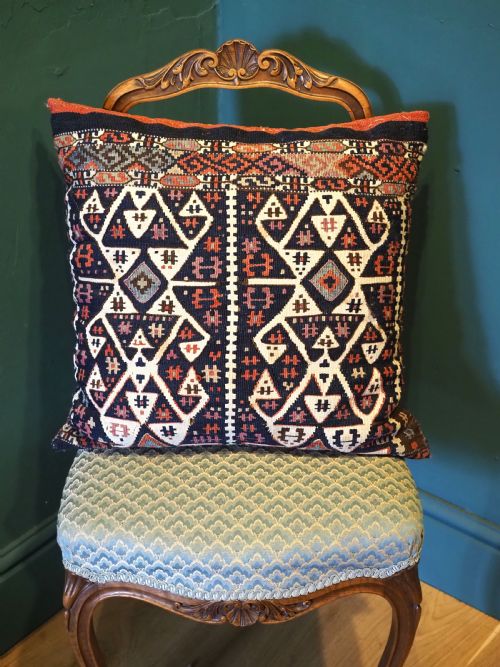
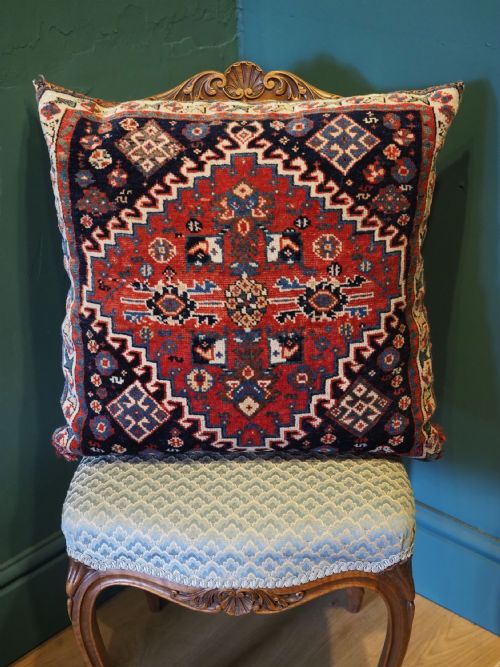
On this page, a buyer most frequently meets bag faces and complete storage sacks originating from Turkmen tribes such as the Tekke, Yomut, Saryk, and Ersari, alongside Persian nomadic works from the Qashqai, Shahsevan, and Luri groups. Forms span from flatwoven kilim structures and sumac weaves to dense pile carpets adapted into cushions and wall hangings.
The chronological scope represented in these textile pieces centres predominantly on the nineteenth and early twentieth centuries, capturing periods from the eighteen-sixties through to nineteen-thirty. Each format reflects the distinct tribal motifs, structural dimensions, and utilitarian purposes characteristic of its specific geographic origin and nomadic maker.
Materials and construction methods
Makers constructed these textile containers primarily using hand-spun wool for the structural foundation and surface decoration, occasionally incorporating cotton for depressed warps or highlights and silk for specific detailing. Natural dyes provided the characteristic palette of madder reds, indigo blues, and earthy yellows that define the period.
Techniques varied between flatweaving methods such as kilim and sumac structures, and asymmetric or symmetric knotting used to build dense pile surfaces on bag faces. Complete pieces frequently retained original plain-weave backs, hanging loops, or leather reinforcements necessary for daily utility.
Antique Oriental Bag Retail Price Guide 2026
Typical asking prices for oriental bag among the pieces listed under this phrase on Sellingantiques today, from the lower quarter to the upper quarter. They describe what is for sale here now, not the wider market.
Some nineteenth-century Turkmen spindle bags retain faint traces of lanolin, reminding handlers of the Caspian steppes where the sheep grazed.
Factors separating quality grades
Quality in these utilitarian textiles depends upon the precision of the knotting or weave density, which dictates the clarity and definition of intricate tribal guls and geometric motifs. Finer structures require greater time and technical skill from the weaver, resulting in a tighter, more stable fabric.
The integrity of natural dye saturation and the retention of original components, such as reverse plains, hanging loops, or complete backs, elevate certain examples above fragments or heavily restored pieces. Additionally, the crispness of the wool handle and the balance of the regional colour palette distinguish superior items.
The Antique Oriental Bag Glossary
- Torba
- A small Turkmen tent-storage bag, typically wider than it is high, used for hanging against the yurt wall.
- Chuval
- A large Turkmen storage bag traditionally utilised for bedding and household goods inside the nomadic dwelling.
- Gul
- A primary medallion or repeated octagonal gully motif characteristic of Turkmen and Central Asian tribal carpet design.
- Sumac
- A flatweaving technique involving wrap-threads that produce a durable, ribbed surface texture distinct from standard kilim.
- Khorjin
- A traditional paired saddlebag used for transport on horses, donkeys, or camels across Persian and Caucasian territories.
Antique Oriental Bag: Frequently Asked Questions
What was an antique oriental bag used for?
Nomadic communities utilised these woven containers for storing household goods, carrying grain, or transporting personal possessions across mountainous and desert terrains on pack animals. Many functioned as dowry pieces created by women to hold jewellery, salt, or vanity items.
Over generations, families hung these sacks inside tents or used them as functional saddle attachments during seasonal migrations. Today, collectors preserve them as decorative wall hangings or adapt them into cushions.
How do I identify different tribal designs?
Tribal attribution relies on specific geometric motifs, border configurations, and the structural arrangement of primary guls unique to each group. Turkmen tribes frequently employed octagonal guls, while Persian nomads favoured stepped medallions and animal figures.
Examining the weave structure, fringe finishing, and regional colour palettes helps separate Turkmen, Shahsevan, Qashqai, and Kurdish origins. Reference literature on regional carpets provides detailed guides for matching motifs to specific subtribes.
Are these bags complete or just fragments?
Surviving examples appear in varying states, ranging from complete storage sacks with original plain-weave backs and hanging loops to individual bag faces. Many pieces were separated from their paired halves or backing materials due to wear during active use.
Listings specify whether a piece retains its reverse side, complete dimensions, or structural closures. Both complete bags and decorative faces hold distinct interest for textile collectors depending on their display needs.
How should I care for a textile bag?
Preserving these antique textiles requires gentle handling, protection from direct sunlight, and regular, low-suction vacuuming through a protective mesh screen. Avoiding excessive moisture and hanging them away from direct heat sources prevents fibre degradation.
When using bag faces as cushions or floor displays, placing a breathable underlay prevents slipping and reduces friction against the delicate wool pile. Professional textile conservators should handle any major cleaning requirements.