
Antique Oriental Art
Antique oriental art brings together centuries of skilled craftsmanship from Asian traditions, offering distinctive decorative forms that enrich modern interiors.
Antique Oriental Art
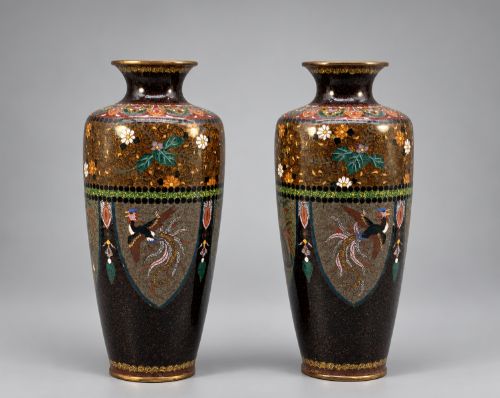
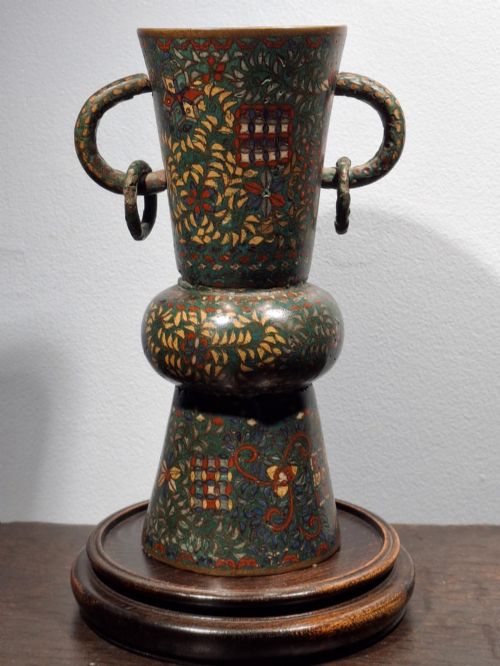
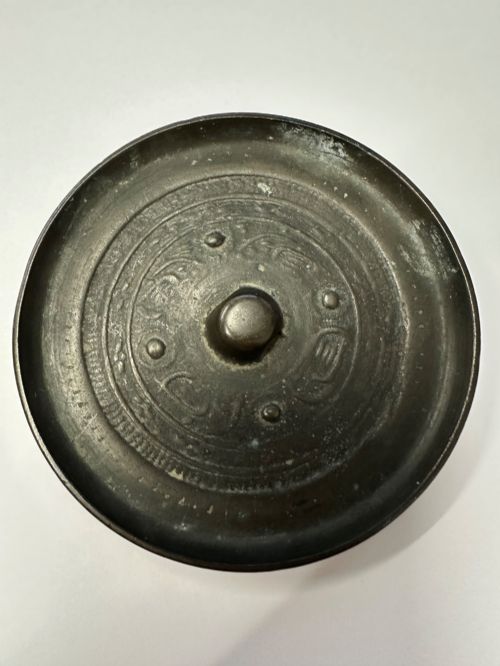
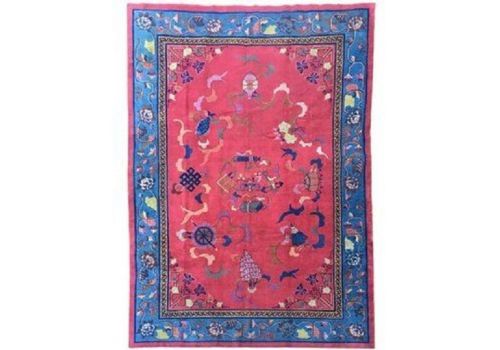
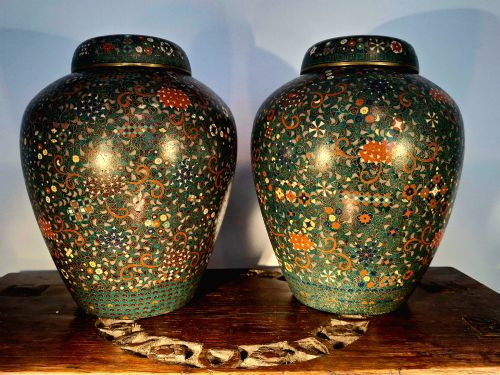
When searching for antique oriental art, collectors encounter a diverse array of items originating from China, Japan, Tibet, and Persia spanning multiple dynasties and periods. The selection includes delicate cloisonné enamel vessels, cast bronze sculptures, intricate silk paintings, and hand-knotted carpets.
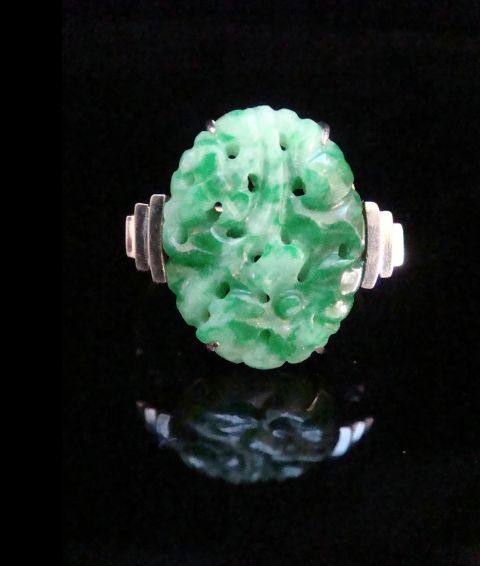
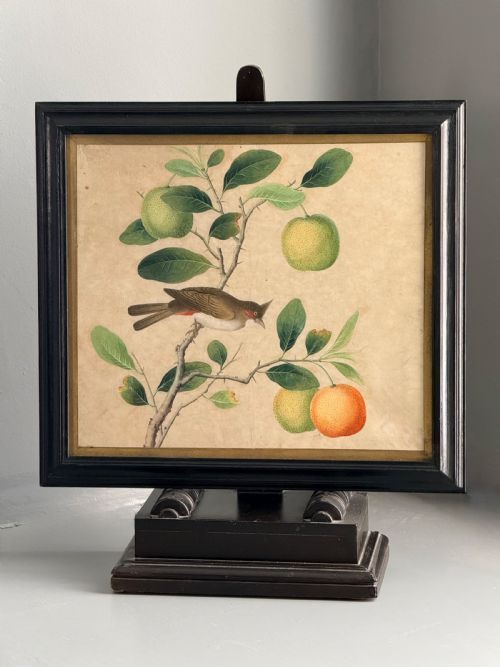
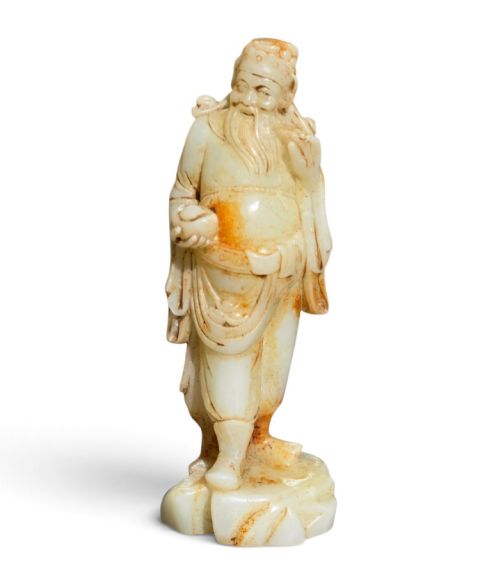
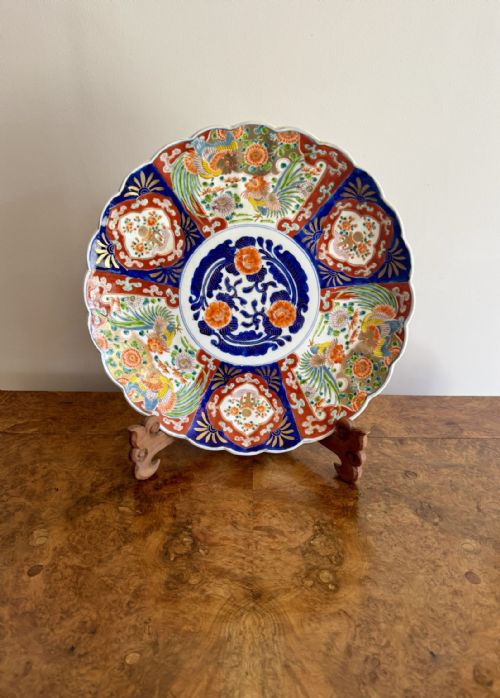
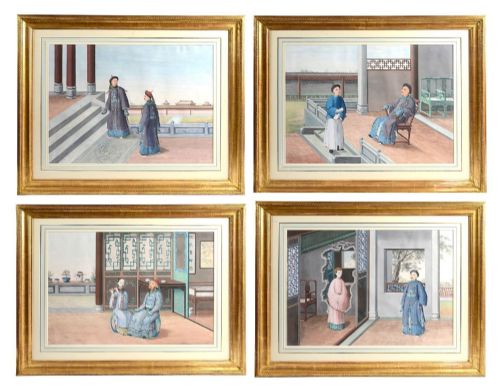
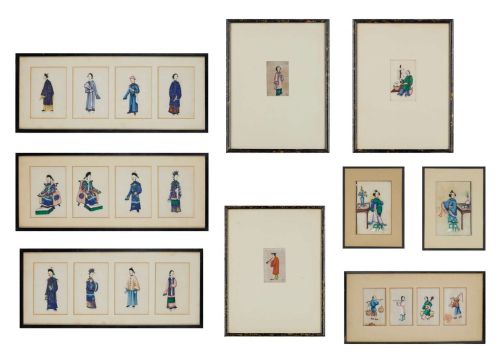
The objects most frequently met on this page range from nineteenth-century Japanese Meiji period ceramics and bronzes to earlier Chinese jade carvings and Qing dynasty pith paintings. Buyers select these pieces to introduce texture, narrative, and historical depth into their living spaces.
Materials and methods
Makers utilised traditional techniques involving cast metals, fired ceramics, carved stone, and organic fibres. Bronze and brass works often incorporate fine silver or gold wire inlay, while cloisonné pieces rely on soldered metal wire cells filled with vitreous enamel.
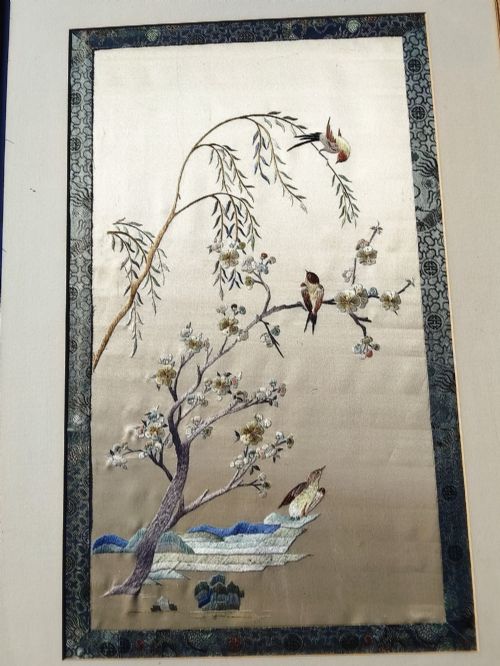
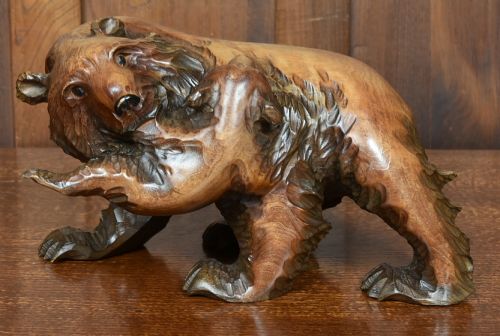
Painters and scribes worked on specialised surfaces such as pith paper, silk, and woven paper using mineral pigments and watercolours. Woodcarvers and lacquer artists shaped items from local timbers, applying multiple layers of coloured lacquer and delicate surface painting.
Materials represented across the collection include bronze, brass, nephrite jade, silk, paper, glass, enamel, and carved wood.
Distinctions in quality
Quality rests upon the precision of execution and the refinement of the materials employed, such as the clarity of enamel work on a cloisonné vase or the translucency of a nephrite jade carving. Superior pieces demonstrate exceptional control in fine detail, whether in the delicate brushwork of a silk scroll or the balanced proportions of a cast bronze sculpture.
Condition and originality also dictate standing within the range, preserving the integrity of surface patination, original framing, or mounting. Items retaining crisp detail and complete decorative elements command greater appreciation among discerning collectors.
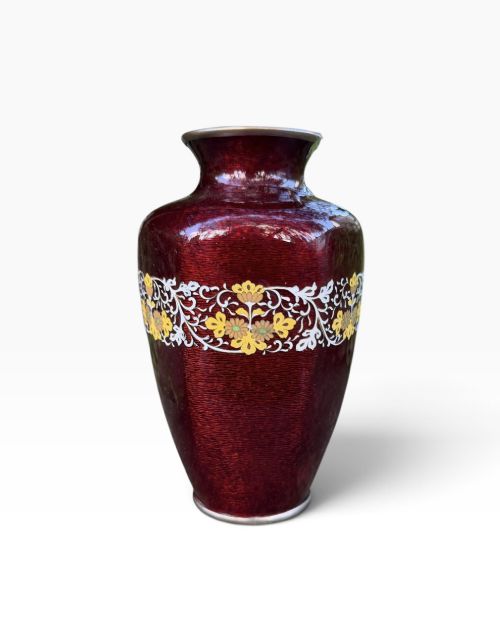
Inoue Ryosai
The Antique Oriental Art Glossary
- Cloisonné
- A metalwork technique where fine wires are soldered to a base to form compartments filled with enamel paste and fired.
- Meiji Period
- A notable era in Japanese history spanning from 1868 to 1912, characterised by opening trade and exceptional decorative arts production.
- Celadon
- A term for ceramics featuring a pale green jade-like glaze, originating in China and prized for its subtle colour.
- Pith Paper
- A delicate material prepared from the pith of the Tetrapanax papyrifer plant, commonly used for watercolours in nineteenth-century China.
- Okimono
- A traditional Japanese standalone decorative sculpture designed for display on a shelf or in a tokonoma alcove.
Antique Oriental Art: Frequently Asked Questions
What defines antique oriental art?
Antique oriental art encompasses a wide variety of decorative and fine objects originating from Asian countries, created before the mid-twentieth century. The category spans ceramics, bronzes, textiles, paintings, and carved jades.
These pieces reflect the distinct cultural, religious, and aesthetic traditions of periods such as the Qing Dynasty, Meiji Period, and Ming Dynasty.
How do I care for silk paintings?
Silk paintings and watercolours on paper require careful placement away from direct sunlight to prevent fading of natural pigments. Maintaining stable indoor humidity prevents the delicate organic fibres from becoming brittle. n Framing behind conservation-grade glass protects the surface from airborne dust and physical contact.
How are Japanese bronze sculptures displayed?
Japanese bronze sculptures and okimono were traditionally placed within domestic interiors on low tables or designated display alcoves. Today, they suit placement on mantelpieces, bookshelves, or dedicated pedestals where their patinated surfaces can catch ambient light.
Allowing sufficient surrounding space helps highlight their intricate casting and inlay details.
What is cloisonne enamel?
Cloisonne is an ancient decorative technique where metal wires are soldered onto a bronze, copper, or brass body to create raised outlines. The resulting cells are filled with coloured enamel paste before being fired in a kiln and polished smooth.
This method produces vibrant, durable patterns featuring floral, avian, and abstract motifs.