




Antique Orange Rug
An antique orange rug brings warmth and rich cultural history to a floor, offering distinctive tribal and village weaves from the nineteenth and early twentieth centuries.
Antique Orange Rug
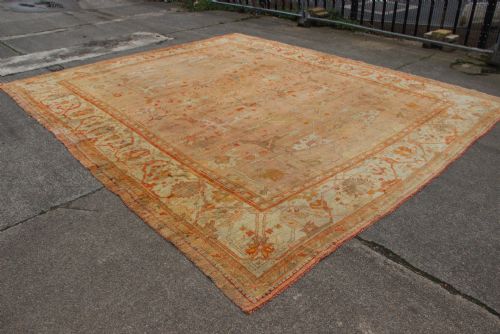
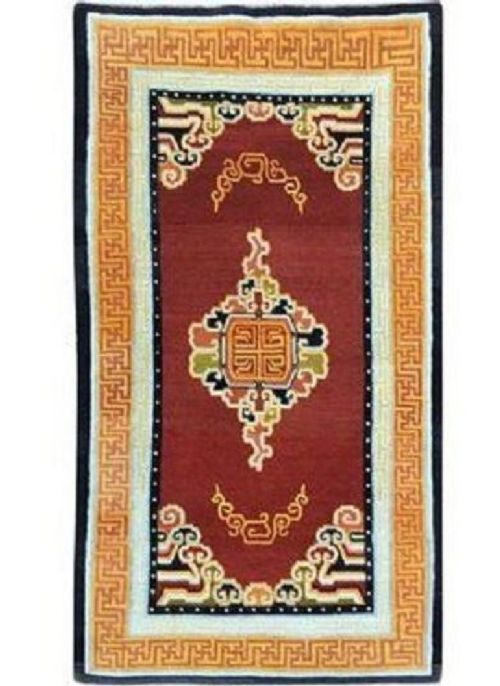
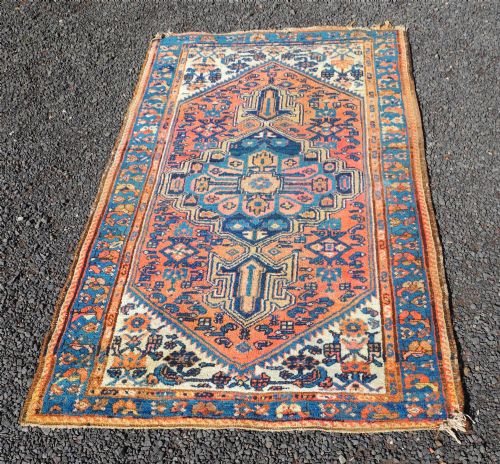
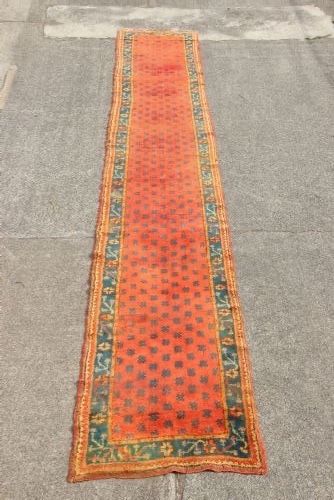
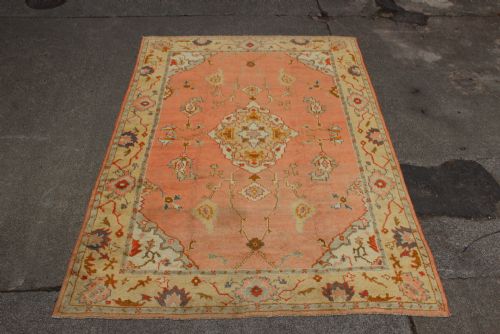
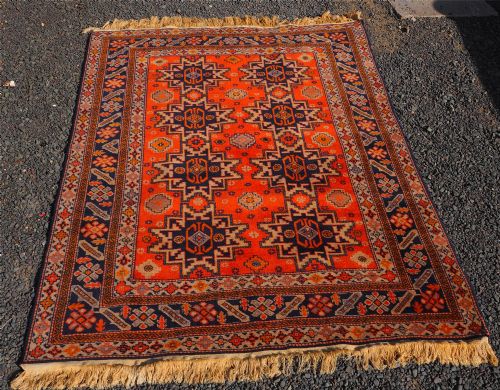
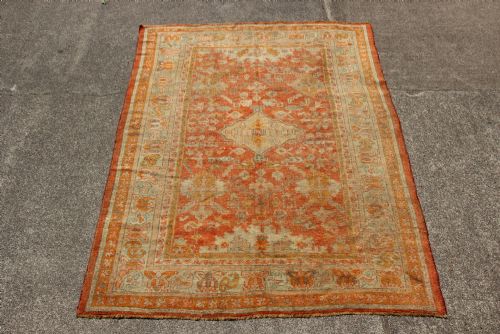
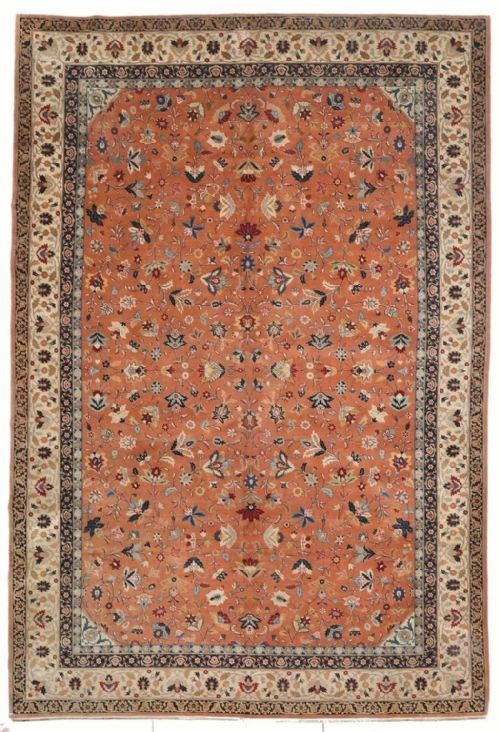
When searching for an antique orange rug, collectors encounter a diverse selection of hand-knotted carpets, flatweave kilims, and embroidered textiles originating from Persia, Turkey, Central Asia, and the Caucasus. These pieces span from the late nineteenth century through the 1930s, showcasing terracotta, rust, and mellow amber tones derived from natural dyes.
The selection ranges from large-scale room-size carpets, such as grand Oushak and Mahal room pieces, down to narrow runners and compact tribal village prayer rugs. Buyers frequently meet Turkish Oushak carpets and Persian village weaves that utilise these warm, earthy palettes to anchor domestic interiors.
Materials and construction methods
These textiles rely predominantly on durable wool foundations and pile, sometimes combined with cotton warps and occasional highlights of silk or wool felt embroidery. Artisans knotted the pile by hand or worked flatweave structures and delicate needlework panels, reflecting regional traditions across Anatolia, Persia, and beyond.
The distinct warm colourways stem from traditional dyeing techniques using natural materials that mellow gracefully over decades of light and wear. The structural integrity depends on tight knotting and robust selvages executed by village weavers and nomadic makers.
Antique Orange Rug Retail Price Guide 2026
Typical asking prices for orange rug among the pieces listed under this phrase on Sellingantiques today, from the lower quarter to the upper quarter. They describe what is for sale here now, not the wider market.
Some Baluch prayer rugs hiding in the collection include clever geometric talismans woven directly into the pile to ward off mischievous household spirits.
Evaluating craftsmanship and condition
Quality in these textiles depends on the fineness of the weave, the complexity of the design geometry, and the stability of the foundational wool or cotton. Superior examples demonstrate expert balance in their natural dye palettes and precise execution of traditional motifs.
Preservation of original borders, pile depth, and structural edges distinguishes exceptional survivals from pieces that have undergone extensive re-weaving or heavy chemical washing. The visual impact relies on how evenly the warm terracotta and rust tones have aged across the surface.
The Antique Orange Rug Glossary
- Kilim
- A flatweave carpet or rug produced by tightly interweaving warp and weft strands without creating a pile. These pieces are typically lighter in weight and feature sharp, geometric patterns.
- Runner
- A long, narrow carpet format specifically designed for hallways, corridors, or alongside beds. These pieces require specific proportions to fit linear spaces properly.
- Prayer rug
- A small rug featuring a mihrab or niche design, historically used for individual devotion. The orientation of the design typically points toward Mecca during use.
- Medallion
- A central ornamental motif positioned in the middle of the rug field. It serves as the focal point of the composition around which secondary patterns revolve.
- Natural dye
- Colourants sourced from plants, minerals, and insects rather than synthetic compounds. These dyes tend to age gracefully, developing nuanced patinas over time.
Antique Orange Rug: Frequently Asked Questions
How do I clean an antique rug?
Professional specialist cleaning is essential for antique textiles to protect fragile wool fibres and natural dyes from harsh detergents or excessive moisture.
Routine maintenance involves gentle vacuuming without a beater bar and occasional rotation to ensure even exposure to light and foot traffic.
Can I place these rugs in high traffic areas?
Many sturdy village and tribal carpets handle moderate foot traffic well, provided you place a quality underlay beneath them to prevent slipping and reduce friction.
Finer silk pieces and delicate antique embroideries are better suited to low-traffic display spaces or wall hanging to preserve their structural integrity.
What causes the terracotta and orange shades?
The warm orange and terracotta tones in these pieces typically originate from traditional vegetable dyes such as madder root, which produces rich reds and rusts that mellow over time.
Exposure to sunlight and age gently soften these colours, creating the characteristic faded aesthetic prized by collectors.
How do I identify a tribal rug?
Tribal rugs usually display bold geometric patterns, repeating motifs, and asymmetrical designs reflecting nomadic or village weaving traditions rather than court workshops.
These pieces often incorporate simpler structures and regional wool characteristics unique to specific groups across Anatolia, Persia, or the Caucasus.