

Antique Opaline Glass
Antique opaline glass brings a milky, opaque elegance to domestic spaces through decorative vessels, lighting fixtures, and vanity items.
Antique Opaline Glass
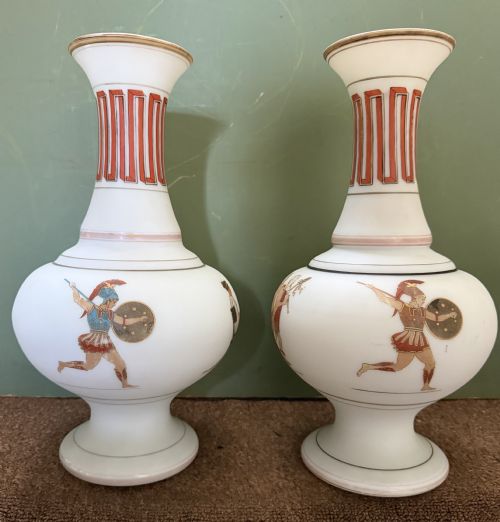
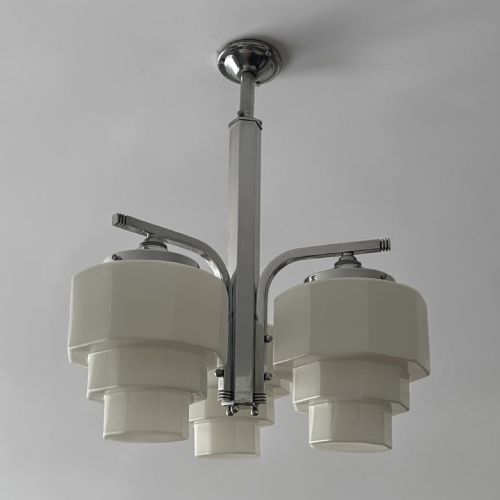
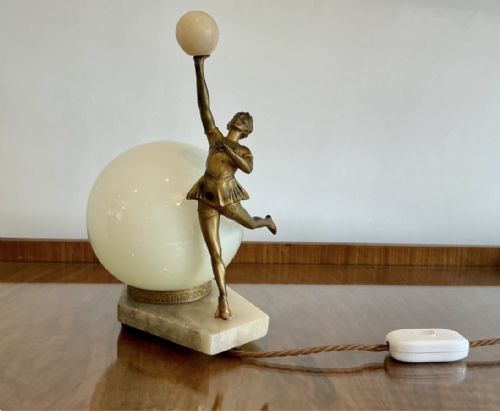
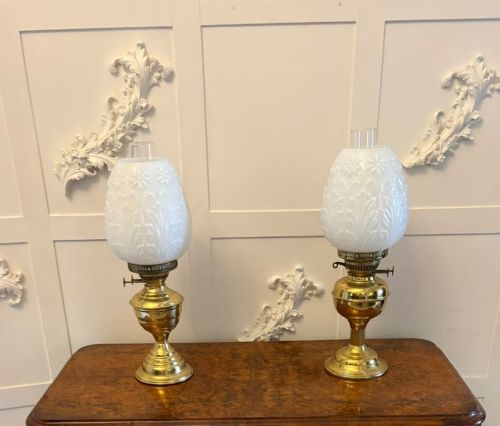
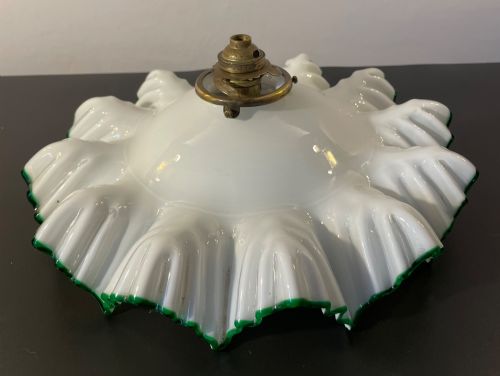
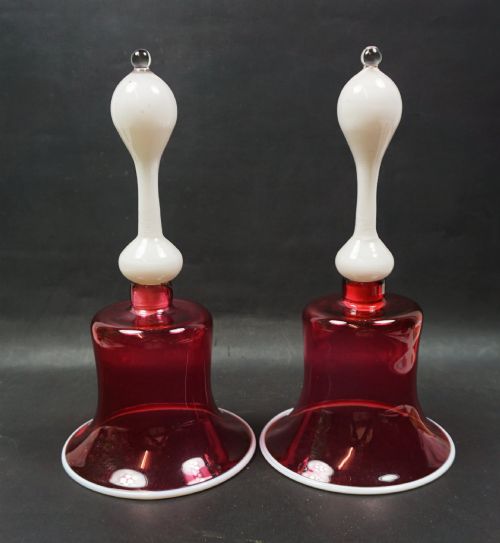
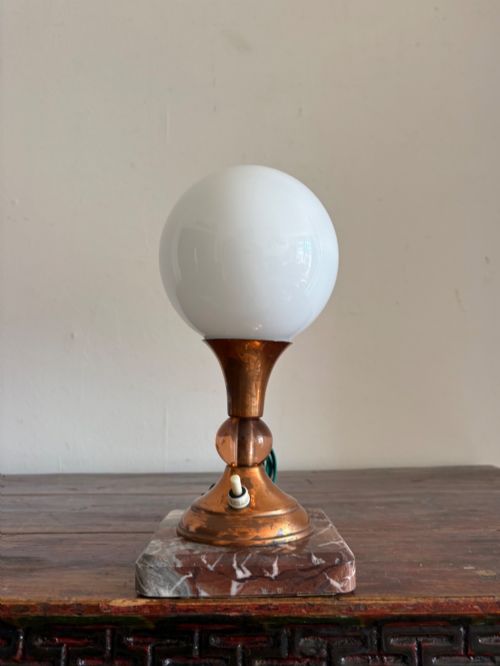
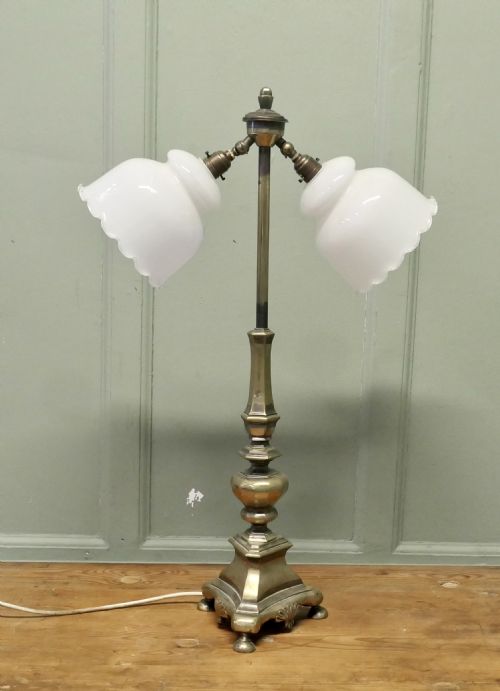
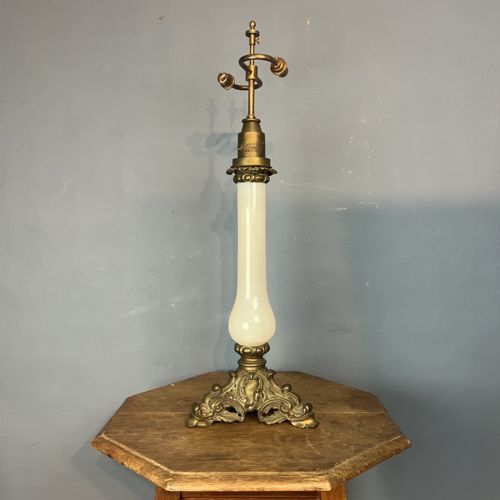
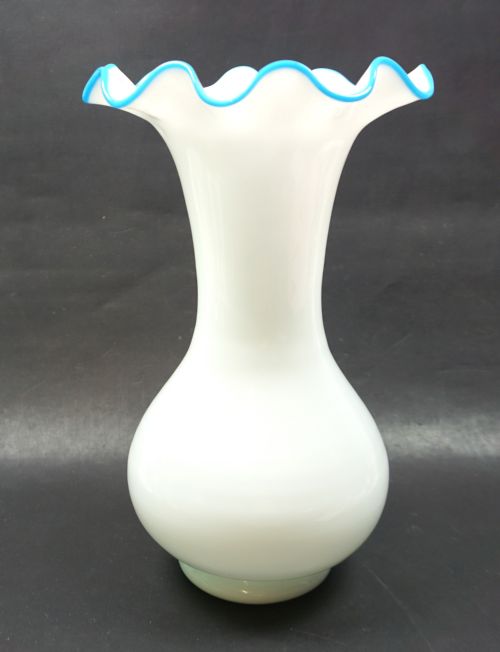
When searching for antique opaline glass, buyers encounter a diverse selection of decorative items spanning the Victorian era through the Art Deco period. The inventory includes functional lighting such as pendant lights, table lamps, and oil lamp shades, alongside decorative objects like vases, scent bottles, and tableware.
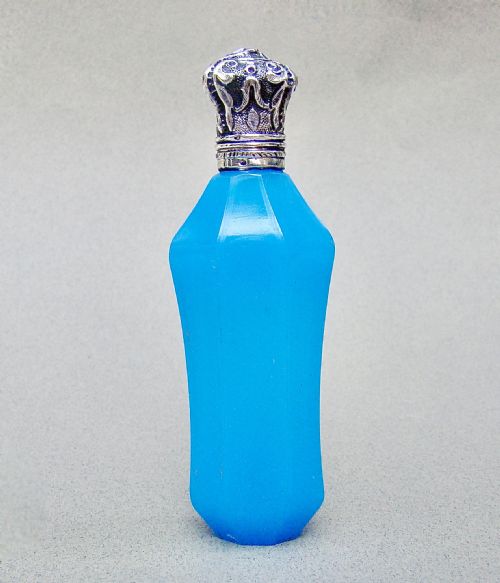
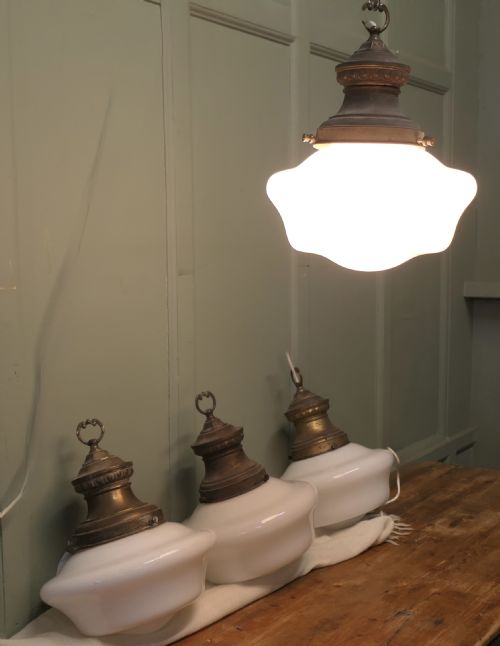
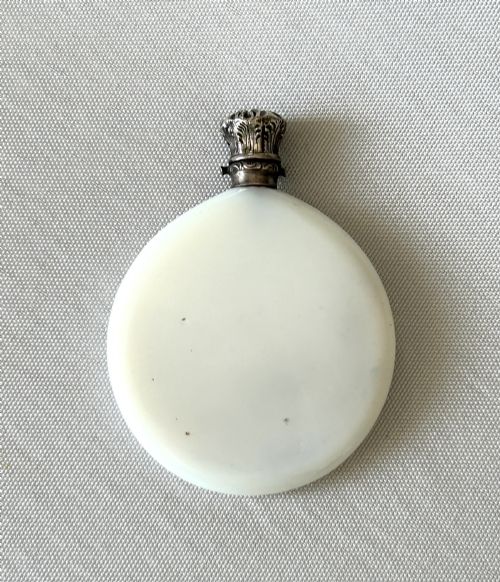
French and English production dominates the available forms, ranging from mid-nineteenth-century scent bottles mounted in silver to industrial pendant lights from the 1930s. Pieces appear in various colours including white, blue, green, and turquoise, often enhanced with painted enamel or gilt detailing.
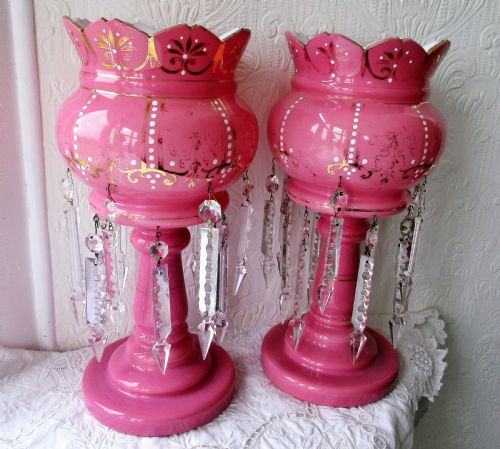
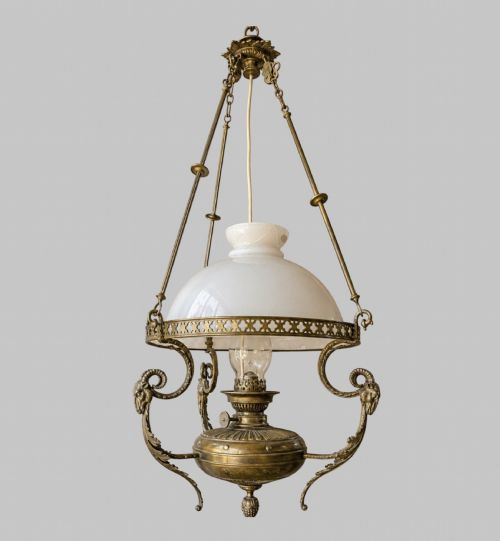
The selection reflects both domestic utility and ornamental display, encompassing items like hanging paraffin lamps, table lustres, and small dishes shaped as scallop shells. These pieces demonstrate how opaline glass evolved from mid-Victorian parlour accessories into clean-lined Art Deco lighting fixtures.
Materials and manufacturing techniques
The production of antique opaline glass relies on specialised glass-blowing techniques that incorporate bone ash, tin oxide, or arsenic to achieve its characteristic opaque, milk-white or tinted appearance. Artisans shaped these glass bodies into vases, shades, and vessels, frequently combining the material with mounts of brass, bronze, copper, sterling silver, or gilt metal.
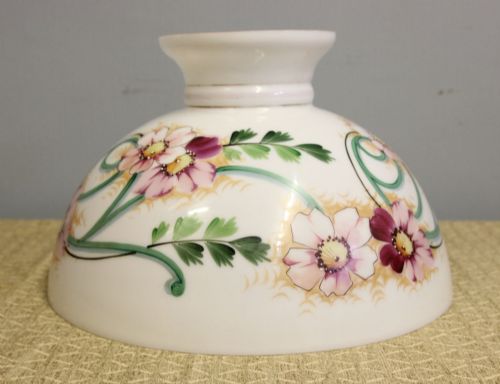
Surface decoration often involves hand-painted enamel floral motifs, applied glass canes, combed glass patterns, or gold leaf accents. Lighting components additionally integrate functional metal elements such as Hinks burners, chrome fixtures, and marble or ceramic bases.
Antique Opaline Glass Retail Price Guide 2026
Typical asking prices for opaline glass among the pieces listed under this phrase on Sellingantiques today, from the lower quarter to the upper quarter. They describe what is for sale here now, not the wider market.
Listings feature opaline glass items spanning the Victorian era through the 1930s, incorporating brass, silver, and enamel materials.
Determinants of quality
Quality in antique opaline glass depends heavily on the crispness of the moulding, the weight and uniformity of the glass body, and the finesse of any hand-painted enamel or gilt detailing. Superior pieces display delicate colour saturation and precise application of decorative borders rather than heavy or uneven brushwork.
The integration of precious metal mounts, such as hallmarked sterling silver collars on scent bottles or maker-stamped bronze and brass frameworks on lamps, elevates a piece's craftsmanship. The presence of documented makers or patent hardware adds a further layer of distinction to lighting and vanity items.
Baccarat·Joseph Hinks·Perry And Co
The Antique Opaline Glass Glossary
- Opaline glass
- An opaque or translucent glass developed in various pastel and solid colours, frequently used for decorative tableware and lighting during the nineteenth and early twentieth centuries.
- Lustre
- A decorative glass vase or mantel ornament hung with cut glass prisms, popular during the Victorian period.
- Plafonnier
- A ceiling-mounted bowl light fixture designed to sit flush or close to the ceiling, often featuring moulded or painted glass shades.
- Hinks burner
- A specific type of double-wick oil burner mechanism patented in the nineteenth century, commonly found on Victorian and Edwardian paraffin lamps.
- Scent bottle
- A small vessel designed for perfumes, frequently fitted with hinged metal caps and collars made of silver or gilt mounts.
Antique Opaline Glass: Frequently Asked Questions
What is antique opaline glass?
Antique opaline glass is an opaque or semi-translucent glass that gained popularity across Europe during the nineteenth and early twentieth centuries. It was utilised for a wide array of decorative and practical items, including vases, scent bottles, and lighting.
The material gets its milky appearance from specific mineral additives during the melting process. Makers often finished these pieces with hand-painted enamel details or gilt borders.
How do I identify Victorian opaline glass?
Victorian pieces typically feature romantic decorative elements such as hand-painted floral enamel work, applied coloured glass rims, or gilt brass mountings. They often take the form of mantel lustres, vanity scent bottles with silver caps, or elaborate oil lamp shades.
Examining the weight, the presence of metal hallmarks, and the manufacturing style helps determine whether an item belongs to the nineteenth-century Victorian period or later twentieth-century design movements.
How were opaline glass oil lamps used?
Opaline glass oil lamps served as primary domestic lighting fixtures in homes before the widespread adoption of electricity. They diffused the harsh light of a burning wick through their milky shades, creating a softer illumination in Victorian and Edwardian parlours.
These lamps combined functional brass burners and reservoirs with colourful opaline shades or bodies, functioning as both utilitarian household objects and decorative parlour furnishings.
How do I care for antique opaline glass?
Caring for antique opaline glass requires gentle hand washing with mild, lukewarm soapy water and a soft cloth. Avoid harsh chemical cleaners, abrasive scrubbing, or submerging pieces with delicate metal mounts, silver collars, or painted enamel details.
When displaying lamps or heavy glass items, place them on stable, level surfaces away from direct edges to protect both the glass body and any attached brass or bronze components.