




Antique Opal Glass
Antique opal glass brings a milky, luminous depth to lighting and display pieces from the nineteenth and early twentieth centuries.
Antique Opal Glass
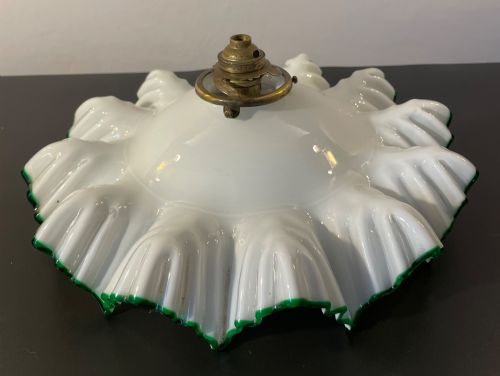
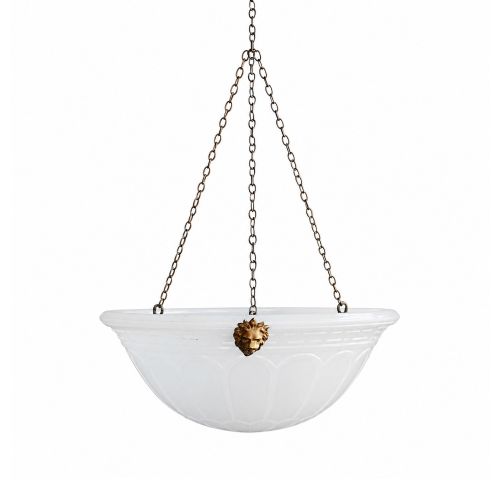
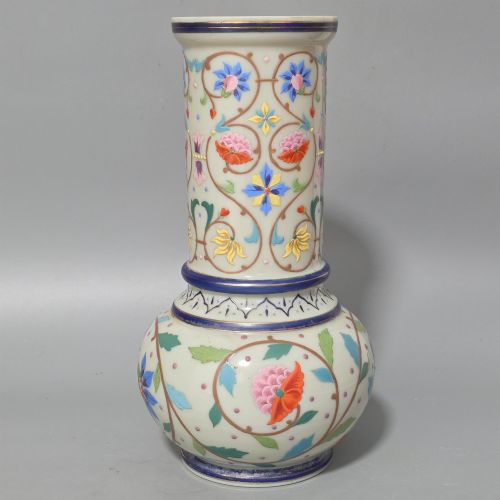
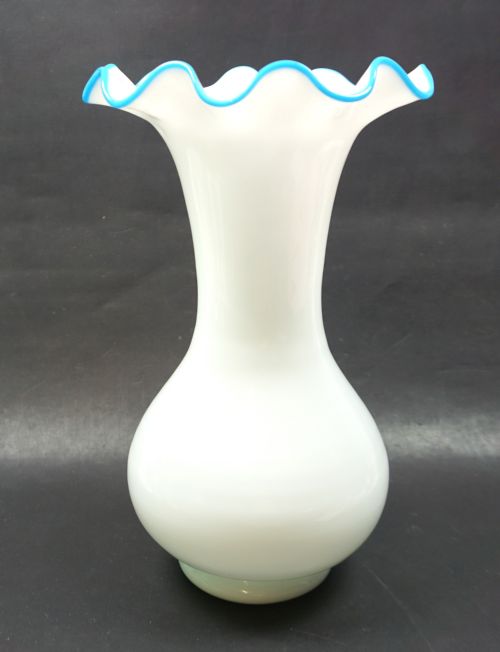
When you search for antique opal glass, you are looking at items shaped from opaque white or tinted translucent glass, spanning the Victorian, Edwardian, and Art Deco periods. These pieces range from large pendant lights and pharmacy shades to delicate vases and oil lamps.
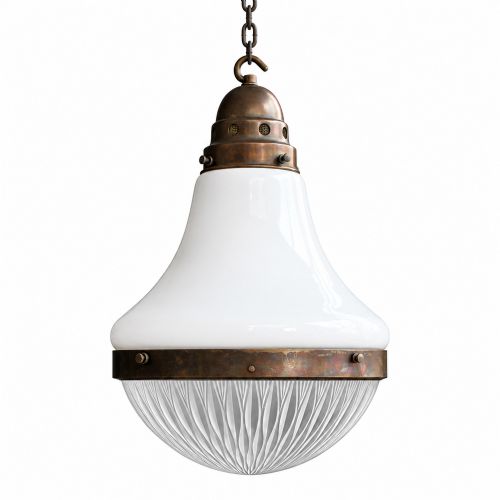
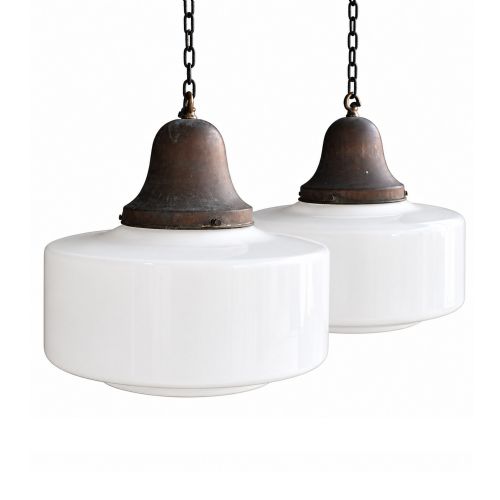
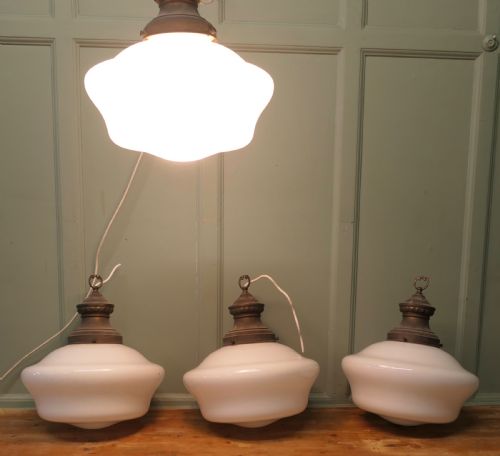
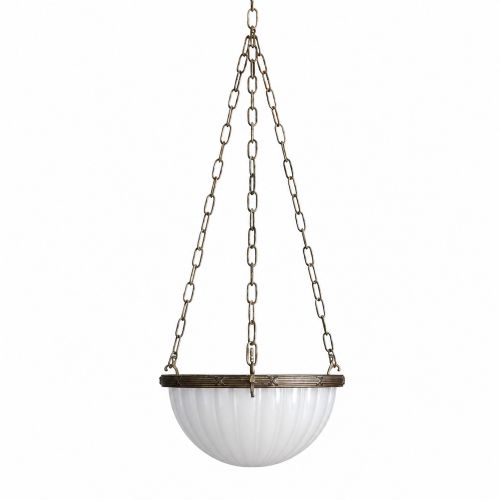
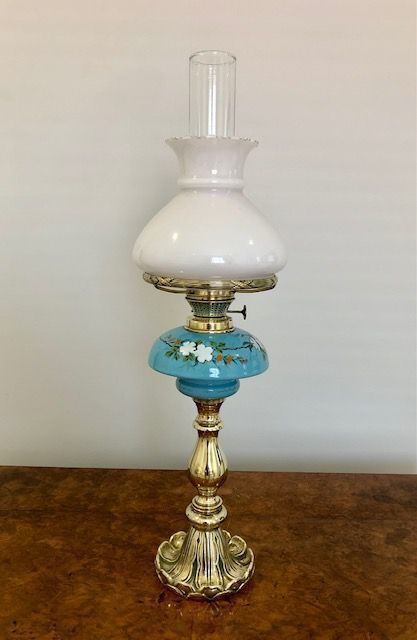
You are most likely to meet utilitarian lighting fixtures, such as industrial ceiling lights and church pendants, alongside decorative Victorian oil lamp globes and moulded vases. English and French examples dominate the selection, featuring in domestic and municipal settings alike.
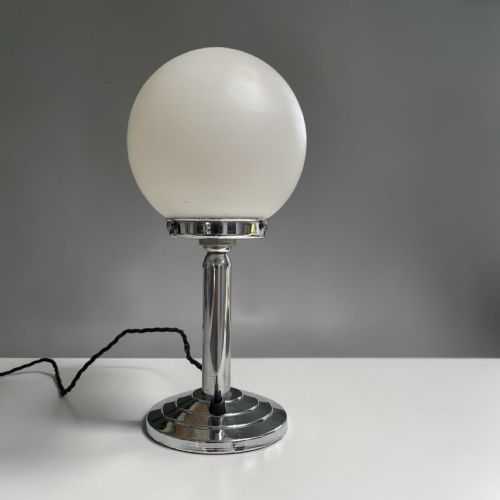
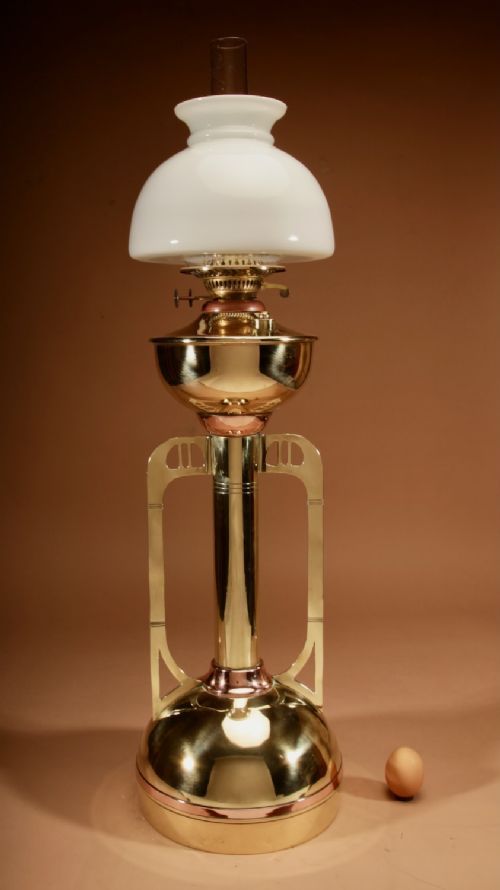
The forms extend from simple conical lampshades to elaborate Secessionist table lamps mounted in brass and copper. Each piece showcases the soft diffusion of light characteristic of this dense, milky material.
Materials and construction
The manufacture of these pieces relies heavily on specialist glass formulations that incorporate bone ash or metal oxides to achieve opacity. Artisans combined this dense glass with structural elements of brass, copper, and chrome, particularly in hanging lamps and table fixtures.
Decoration often involved surface enamelling, gilding, or applied glass trails, as seen on pieces decorated with gold leaf or contrasting coloured rims. Metal mounts were turned or cast to fit precisely around the glass bodies of oil lamps and suspension globes.
Antique Opal Glass Retail Price Guide 2026
Typical asking prices for opal glass among the pieces listed under this phrase on Sellingantiques today, from the lower quarter to the upper quarter. They describe what is for sale here now, not the wider market.
Materials combined with the glass include brass, copper, chrome, enamel, and gold leaf.
Assessing quality
Quality in these objects rests upon the purity and evenness of the glass batch, where superior pieces display a smooth, consistent milky density without heavy clouding or uneven thickness. The fineness of the accompanying metalwork, from heavy cast brass mounts to delicate hand-applied enamel details, also elevates a piece.
Design distinction separates standard utility items from works by notable makers who employed complex decorative decors or modernist forms. The integrity of the original components, such as matched pairs of lights or intact brass galleries, marks the better examples.
Gustave Serrurier Bovy·Thomas Webb·Knoll and Pregizer·Baccarat·Loetz
The Antique Opal Glass Glossary
- Opal glass
- A translucent, milky-white glass produced by adding opacifying agents to the molten batch during the nineteenth and early twentieth centuries. It diffuses light softly without total opacity.
- Opaline glass
- A term frequently applied to French decorative glass that exhibits a subtle pastel tint alongside opacity. It was widely used for nineteenth-century vases and tableware.
- Moonstone glass
- A specific variety of textured or semi-translucent glass with a cloudy appearance resembling the gemstone. It is commonly found in early twentieth-century pharmacy and industrial pendants.
- Epergne
- A tabletop centrepiece featuring a central bowl with multiple detachable vases or arms branching outwards. Victorian examples often incorporated coloured glass components.
- Ausfuehrung
- A German term denoting specific decorative finishes and glaze or glass treatments developed by firms such as Loetz during the Secessionist period.
Antique Opal Glass: Frequently Asked Questions
What is antique opal glass?
It is a milky, opaque or semi-translucent glass used predominantly for nineteenth and early twentieth-century lighting and decorative vessels.
The material was engineered to diffuse light evenly, making it ideal for lampshades, globes, and interior pendant fixtures.
How do I clean antique glass shades?
Wash the glass gently in warm, soapy water using a soft cloth, avoiding harsh abrasives that could damage enamel or gilded details.
Keep metal mounts dry and clean them separately with appropriate metal polish to protect any original brass or chrome finishes.
Were these pieces used in homes?
Many items served domestic purposes, including oil lamps in Victorian parlours and decorative vases on mantelpieces.
Others came from institutional settings, such as English churches, town halls, and pharmacies, before entering the antique market.
How do I date a glass lampshade?
Dating relies on the manufacturing technique, the style of the metal fitter, and the overall aesthetic movement, such as Art Deco or Arts and Crafts.
Georgian and Victorian pieces often feature hand-blown irregularities, whereas 1930s industrial items show more standardised, utilitarian production methods.