

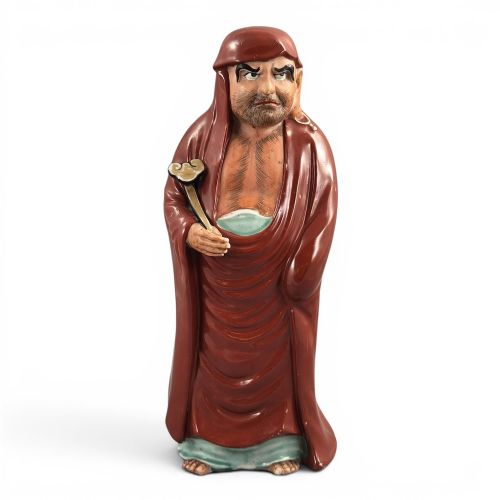


Antique Okimono Figures
Antique okimono figures are Japanese decorative sculptures originating predominantly from the Meiji and Edo periods, prized for their exceptional craftsmanship and naturalistic detail.
Antique Okimono Figures
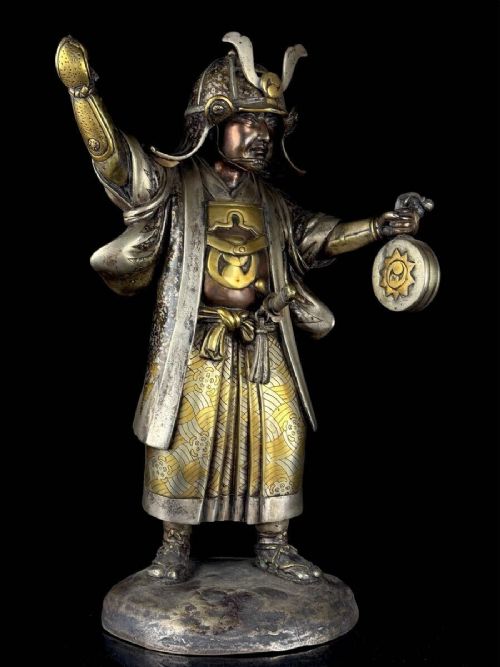
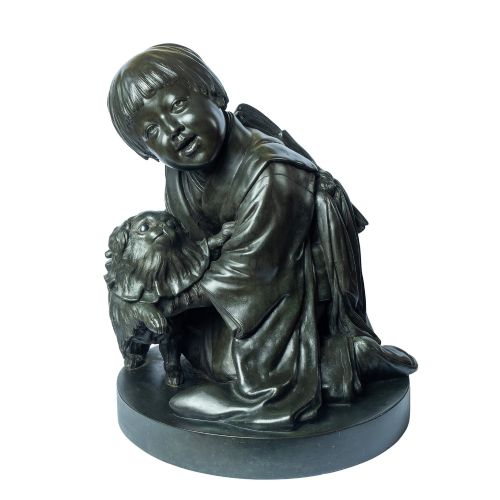
Antique okimono figures encompass a wide array of standalone decorative sculptures and figurines produced during the 19th and early 20th centuries. Buyers exploring these categories encounter representations ranging from animals and mythological subjects to human figures and deities.
The objects stem predominantly from the Meiji and Edo periods, capturing distinct shifts in Japanese artistic expression. Works span various materials and scale, from diminutive hand-held carvings to large garden sculptures.
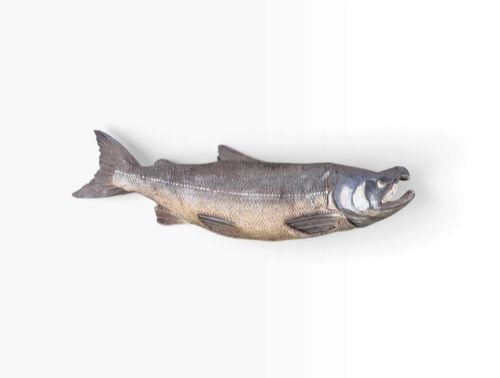
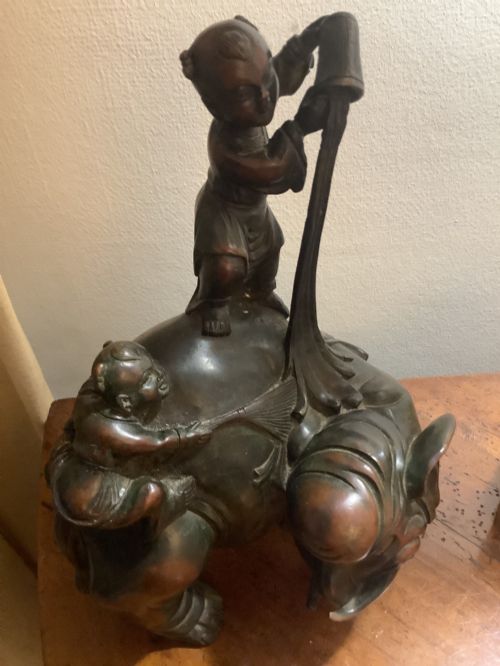
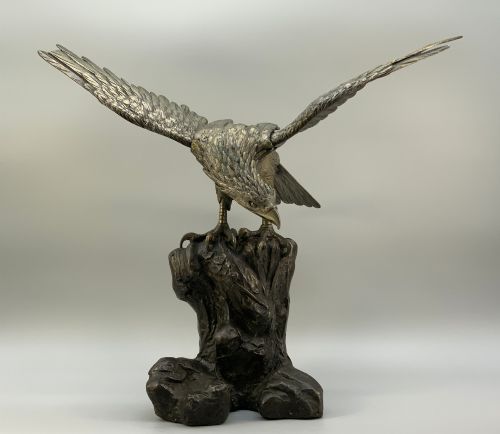
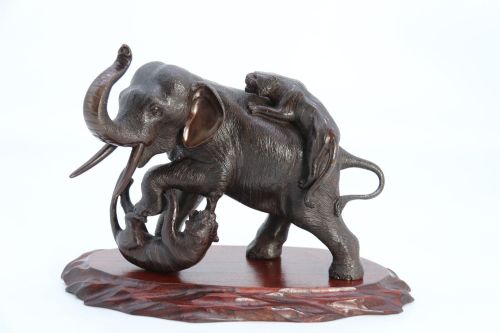
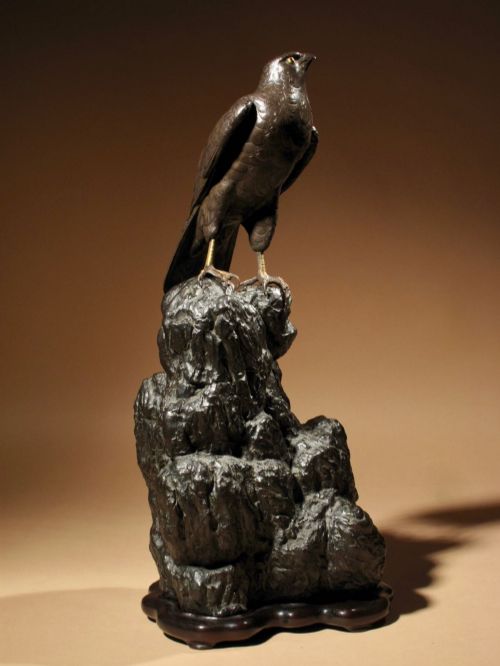
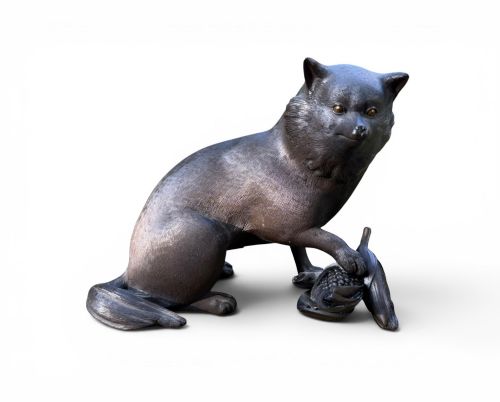
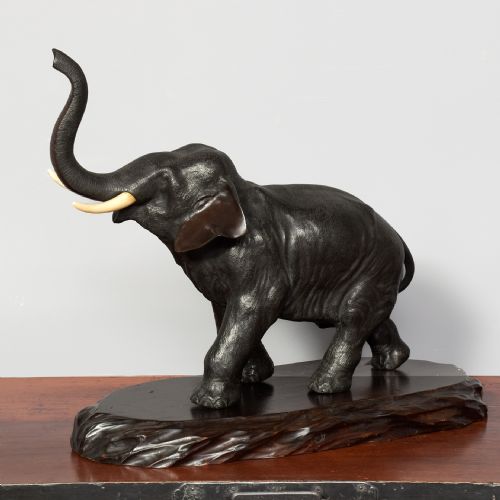
Subjects frequently depict naturalistic animal studies, such as puppies, elephants, eagles, and insects, alongside traditional cultural figures. This diversity allows collectors to select pieces tailored to specific stylistic preferences and display contexts.
Materials and Technique
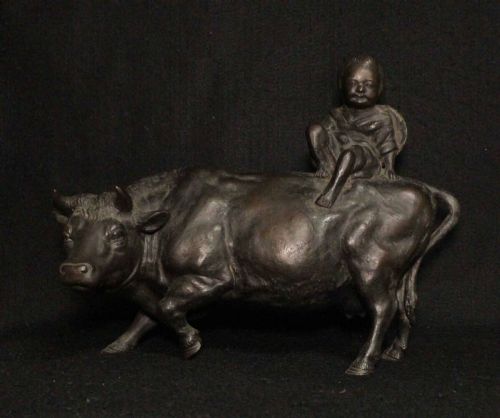
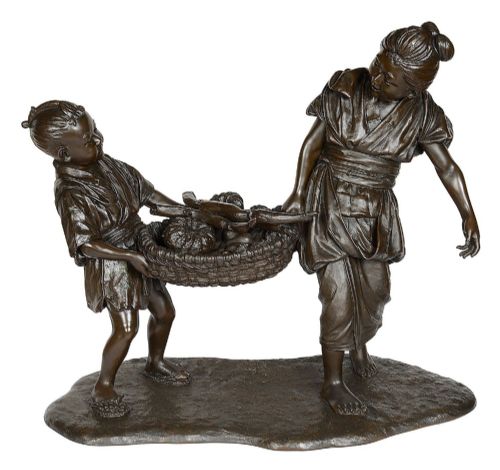
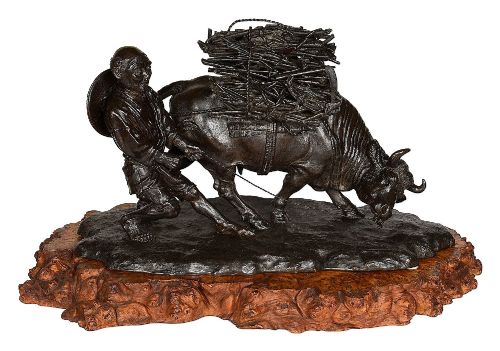
Metals form a core medium for these works, utilising bronze, patinated bronze, and mixed-metal elements cast with remarkable precision. Artisans employed complex patination techniques to achieve varied surface tones and textures on metallic figures.
Carved organic materials feature extensively, with craftsmen utilising boxwood, hardwood, and bamboo to execute intricate figural details. These wooden sculptures often rely on the natural grain and root structures to enhance the composition.
Ceramic variations also appear, incorporating earthenware and porcelain such as Kutani and Satsuma wares adorned with enamel and gold leaf. Each medium demands distinct technical mastery, from high-temperature kiln firing to delicate chisel work.
Antique Okimono Figures Retail Price Guide 2026
Typical asking prices for okimono figures among the pieces listed under this phrase on Sellingantiques today, from the lower quarter to the upper quarter. They describe what is for sale here now, not the wider market.
Among the menagerie of bronze wildlife, you can find articulate centipedes and tarantula spiders rendered with startling fidelity.
The Measure of Execution
Quality rests heavily on the fidelity of anatomical observation and the crispness of the chisel or casting work. Superior examples demonstrate a deep understanding of movement, anatomy, and proportion, whether rendering an insect, an animal, or a human subject.
The articulation of surface texture distinguishes finer pieces from ordinary production, seen in the meticulous rendering of feathers, fur, scales, or drapery. Master metalworkers and carvers achieved a lifelike presence through subtle gradations and disciplined finishing.
Signature marks by recognised makers or workshops elevate an object, reflecting the hand of an established artisan. The integration of mixed metals and complex patination adds technical depth that separates standard items from exceptional creations.
Kakuha Kanzaemon·Masaaki·Tsunemitsu·Kaniya Kuniharu·Unno Shomin·Seiunsai Miyamoto Sei·Miyao·Gyoko·Tomochika·Kizan
The Antique Okimono Figures Glossary
- Okimono
- A Japanese term for an ornamental object or sculpture intended for display in an alcove or on a shelf. These pieces served a purely decorative function within traditional interiors.
- Meiji Period
- The era in Japanese history spanning from 1868 to 1912, characterised by rapid modernization and an explosion of decorative arts exported to the West. Much of the surviving metalwork and carving dates to this prolific timeframe.
- Edo Period
- The period lasting from 1603 to 1867, marked by strict isolationism and relative peace that fostered distinctive artistic traditions. Works from this era laid the technical foundations for later decorative sculpture.
- Patinated Bronze
- Bronze treated with chemical solutions, heat, or acids to produce a specific surface coloration and finish. This technique allowed artisans to simulate aged surfaces or create rich, dark tones.
- Satsuma
- A type of Japanese earthenware featuring a crackled, ivory-coloured glaze decorated with enamels and gold leaf. It is frequently associated with ornate figural and decorative production.
- Netsuke
- A small carved toggle used to secure a pouch or container to a traditional Japanese kimono sash. While distinct from standalone display objects, they share similar carving traditions and materials.
Antique Okimono Figures: Frequently Asked Questions
How were these figures used?
These pieces were intended to be placed on display in traditional Japanese rooms, specifically within a tokonoma alcove or upon low furniture. They served to introduce elements of nature, culture, or storytelling into the interior.
Over time, many were also produced specifically for export to Western markets during the late 19th century. Today, they function as standalone display objects in modern homes.
How do I care for bronze okimono?
Bronze and metal sculptures require minimal intervention, needing only gentle dusting with a soft, dry cloth to prevent particulate buildup. Avoid using chemical polishes or water, which can damage the historical patination.
Keeping the pieces away from direct sunlight and high humidity helps preserve the surface finish. Stable indoor environments prevent any degradation of mixed-metal elements or applied patinas.
How do I tell Meiji period works apart?
Meiji period works often exhibit heightened naturalism and technical experimentation, driven by exposure to Western artistic techniques and international exhibitions. Look for dynamic compositions, intricate mixed-metal inlay, and detailed surface textures.
Signatures incised into the metal or wood frequently point to specific artists or workshops active during this era. Comparing the weight, patination, and carving depth helps distinguish these from later reproductions.