


Antique Oil Standard Lamp
An antique oil standard lamp brings towering period presence and warm illumination to a room, offering adjustable height and substantial metal work.
Antique Oil Standard Lamp
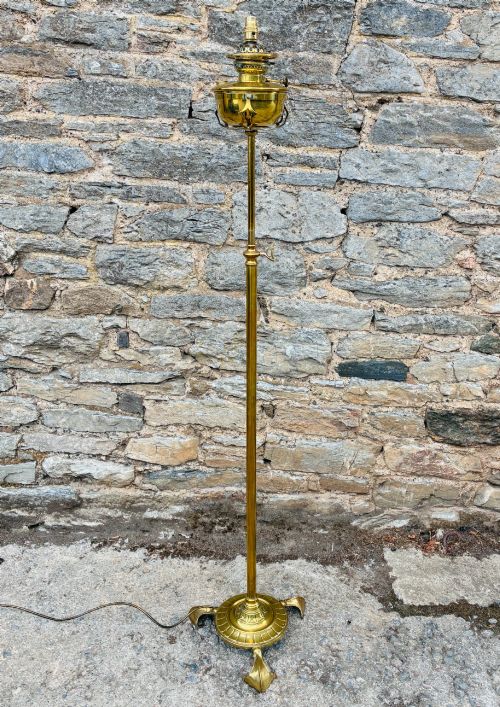
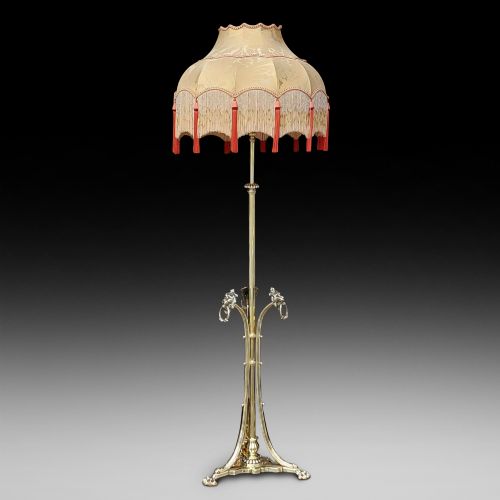
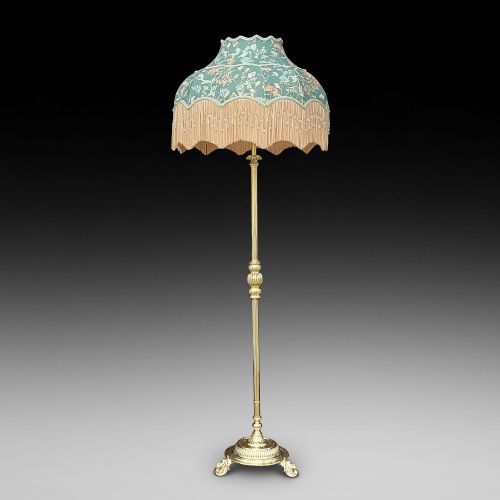
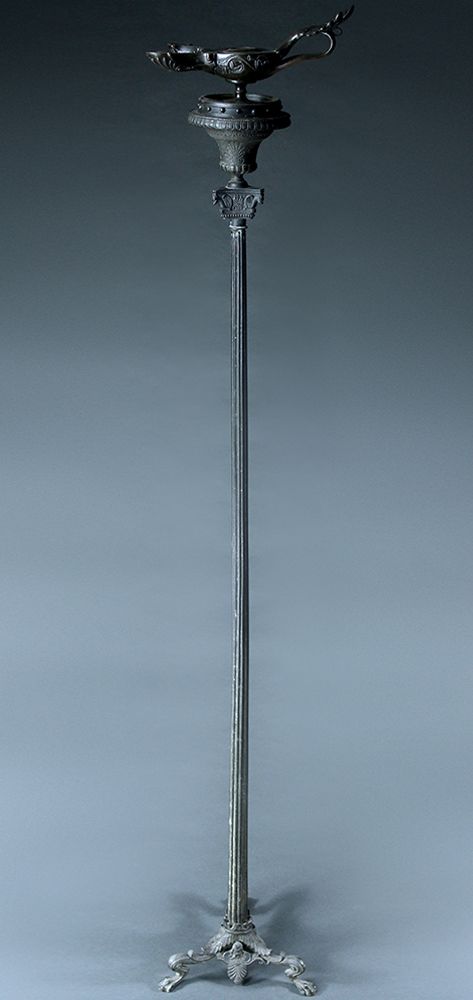
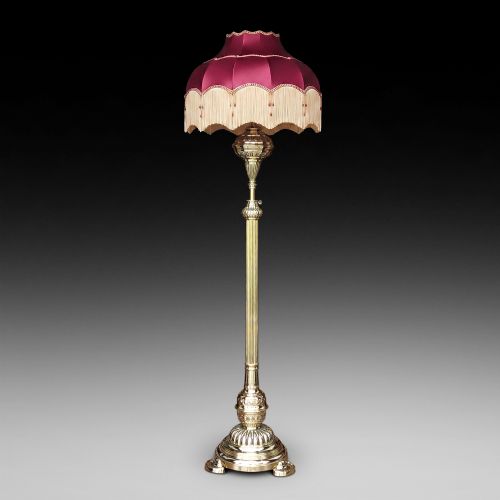
An antique oil standard lamp is a tall floor-standing lighting fixture designed to illuminate large spaces, predominantly originating from the Victorian period through to 1900. These pieces frequently feature adjustable columns or telescopic stems that allowed nineteenth-century households to alter the height of the light source as required.
Most examples encountered on this page date from the Victorian era and the late nineteenth century, spanning stylistic movements such as Arts and Crafts, Art Nouveau, and Neo-Classical. The form typically combines a heavy weighted base with a slender upright shaft that once held an oil reservoir and burner.
While the majority of these lamps were originally built for paraffin or oil, nearly all surviving examples have since been adapted for electricity while retaining their original mechanical adjustments and proportions.
How they were made
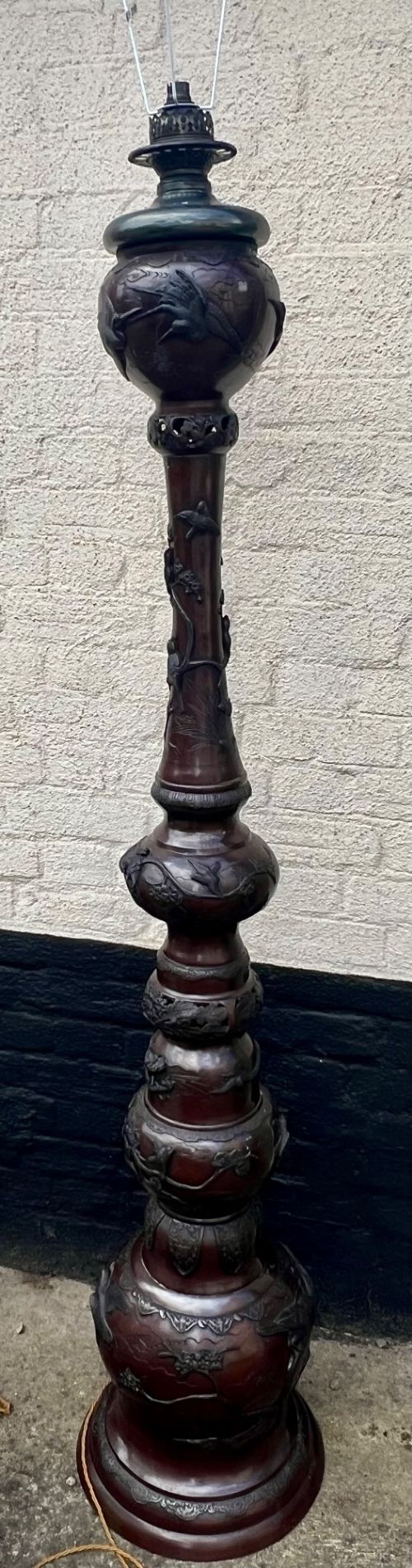
Makers constructed these floor lamps using heavy metals including brass, copper, bronze, and wrought iron to ensure stability at height, often mounting them on weighted bases or marble plinths. Telescopic mechanisms and adjustable collars allowed sections of the metal shaft to slide smoothly and lock securely into place.
Decorative detailing involved casting, hammering, and turning the metal components, sometimes combining bright brass with contrasting dark copper or patinated bronze. Reservoirs and shades frequently incorporated coloured glass, such as ruby or cranberry glass, alongside fabric or silk elements.
Listings demonstrate a strong predominance of Victorian brass, alongside copper, bronze, and wrought iron variants featuring adjustable telescopic columns.
What varies in quality
The distinction between standard production and the finest work lies in the engineering of the extending mechanism and the weight of the metal casting. Superior examples possess robust telescopic screw keys, heavy gauge brass columns that resist bending, and stable weighted bases that support the extended height without leaning.
Artistic ambition also separates the ordinary from the exceptional, as seen in specialised maker signatures like Hinks or Messenger, and deliberate stylistic expressions in Arts and Crafts or Art Nouveau metalwork. Finer pieces integrate chased ornamentation, contrasting copper elements, and intact decorative glass reservoirs rather than plain utility mountings.
Hinks of B'ham·Hinks·Messenger
The Antique Oil Standard Lamp Glossary
- Telescopic
- A design featuring nested metal tubes that allow the overall height of the lamp standard to be raised or lowered. This engineering allowed Victorian users to direct light downwards from various elevations.
- Standard Lamp
- A traditional British term for a floor lamp, describing a tall vertical post or column mounted on a stable base. These fixtures stood independently in reception rooms and parlours.
- Duplex Burner
- A double-wick burner system frequently utilised on nineteenth-century oil lamps to generate a brighter flame. Many high-end standard lamps by makers such as Hinks incorporated these advanced mechanisms.
- Cranberry Glass
- A rich pinkish-red glass created by adding gold chloride to the molten batch, often blown into decorative shades or oil reservoirs. It produces a warm, diffused glow when illuminated.
- Neo-Classical
- A design style drawing inspiration from classical antiquity, often expressed in floor lamps through fluted columns, Corinthian capitals, and architectural bronze or brass motifs.
Antique Oil Standard Lamp: Frequently Asked Questions
Are these lamps safe to use today?
Almost all surviving examples have been converted from oil to electricity by modern handlers or previous owners. Rewiring ensures they meet contemporary electrical standards while preserving the historic metal framework.
Buyers should have any vintage lighting checked by a qualified electrician before daily use in the home.
How do I adjust the height?
Many Victorian floor lamps use a sliding telescopic brass column secured with a thumb screw or side key. Loosening the key allows the inner shaft to rise or fall before tightening to hold the position.
Forcing a stuck mechanism can damage the internal brass tubing, so gentle manipulation is recommended.
What rooms suit a floor lamp?
These tall stands suit large sitting rooms, libraries, or corners requiring ambient vertical illumination. Their substantial height and metal columns create a strong focal point in traditional or eclectic interiors.
Placing them away from heavy foot traffic protects the slender extended stems and delicate shades.
How do I identify the period?
Dating relies on stylistic clues such as cast brass ornamentation, column capitals, and maker stamps on the burner mechanisms. Victorian pieces often display heavier brass casting and telescopic engineering, while later 1900 examples may show Arts and Crafts hand-finishing.
Comparing the base construction and metal finishes helps narrow down the decade of manufacture.