

Antique Oil Art
Antique oil art spans centuries of painted canvas and panel, offering direct connection to historical portraiture, landscape, and still life.
Antique Oil Art
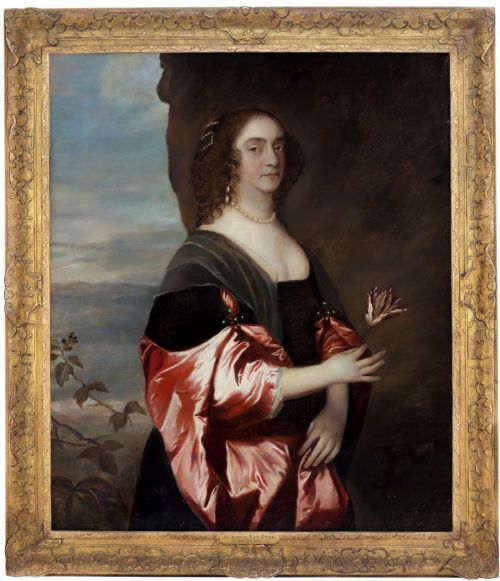
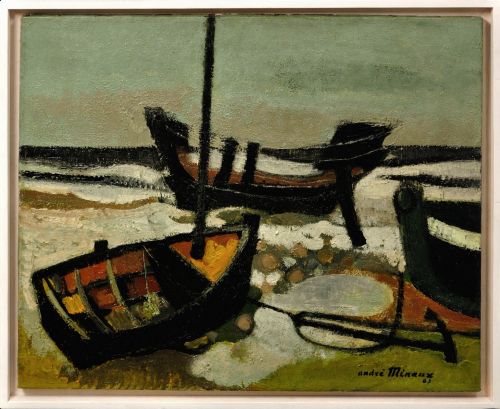
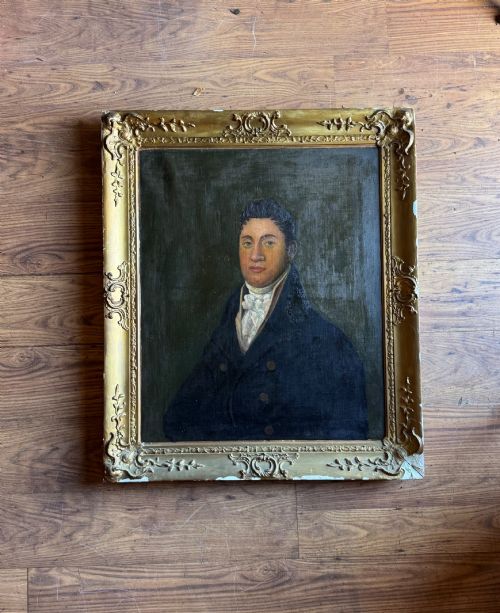
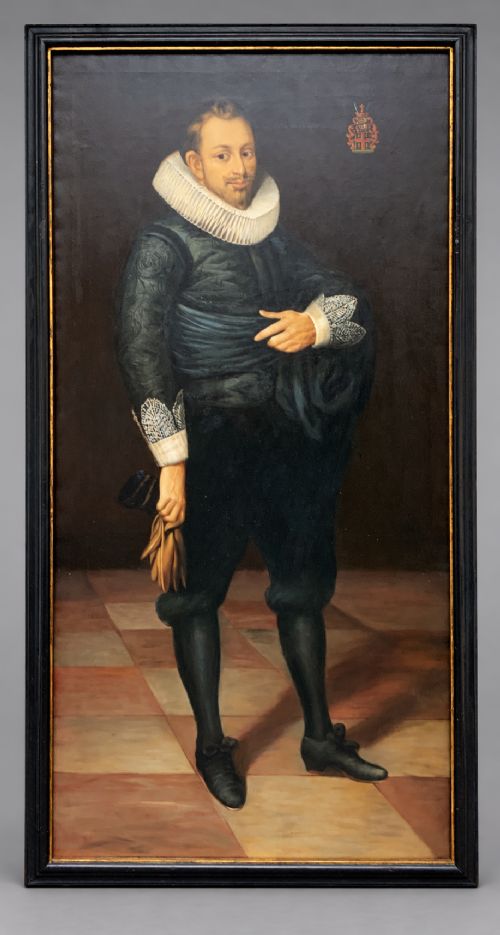
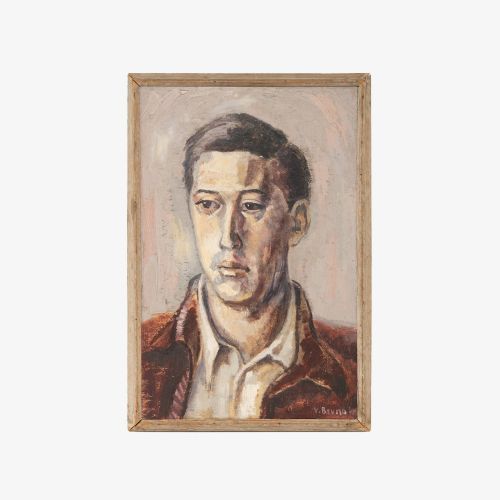
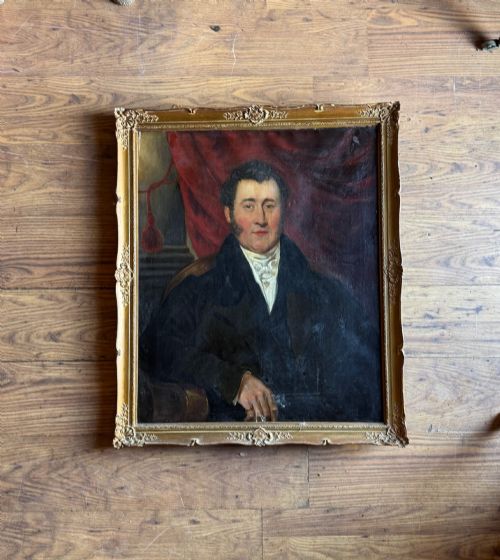
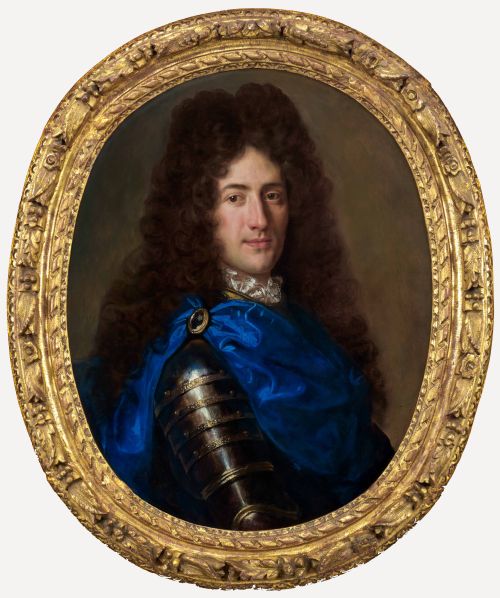
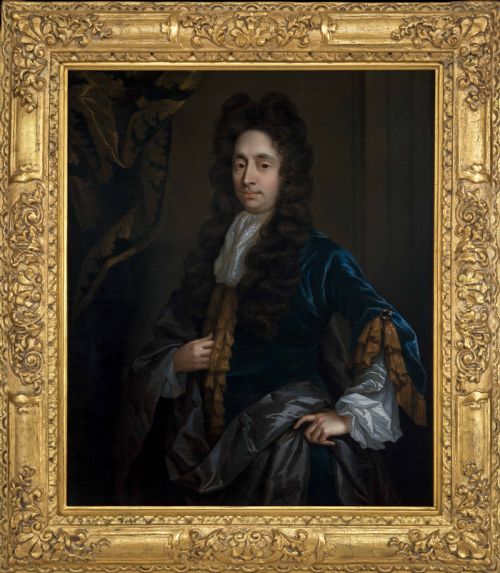
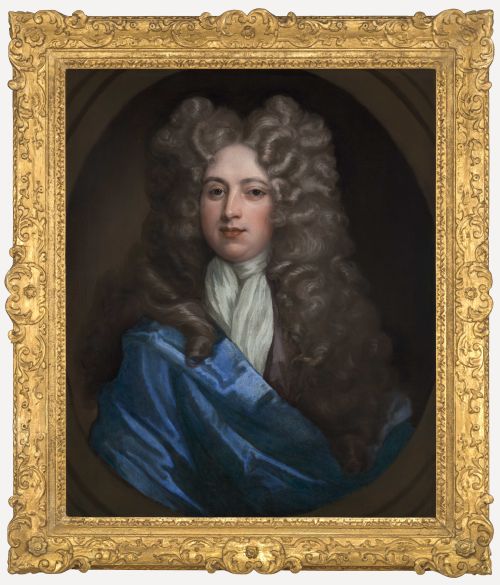
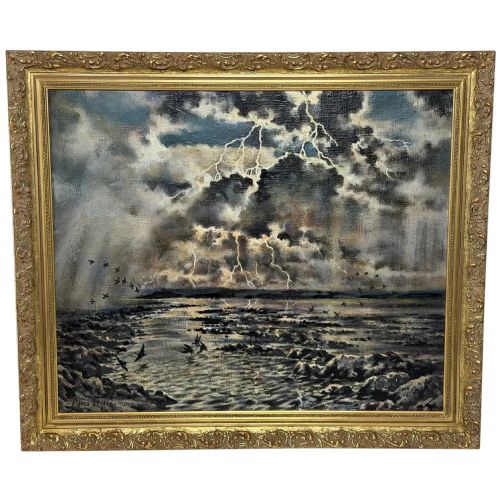
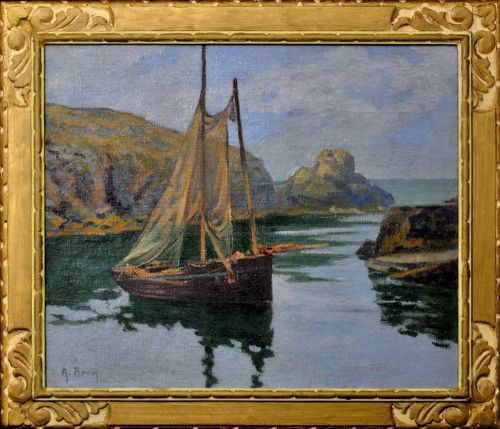
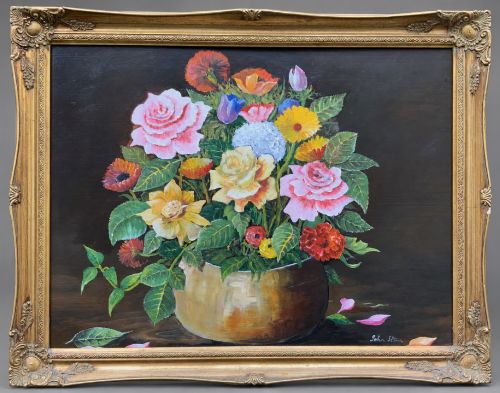
When buyers search for antique oil art, they encounter painted works executed on canvas, wood panels, and board spanning the seventeenth century through to the mid-twentieth century. These pieces encompass formal portraits, rural landscapes, sporting scenes, and still lifes created within various European traditions.
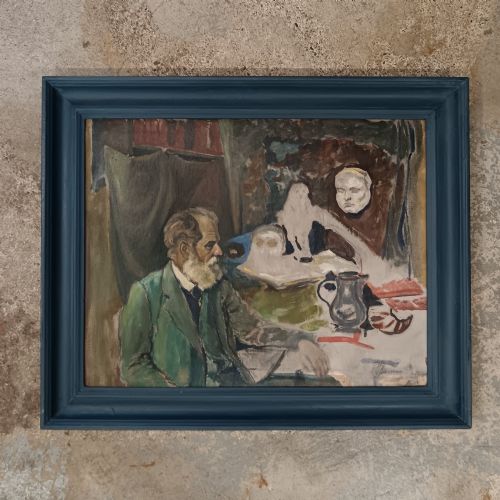
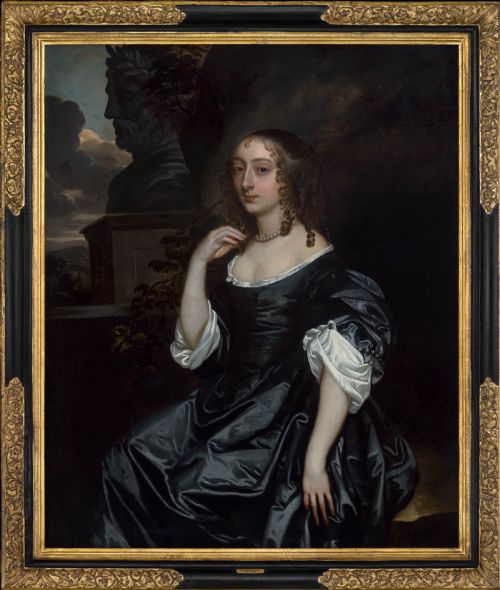
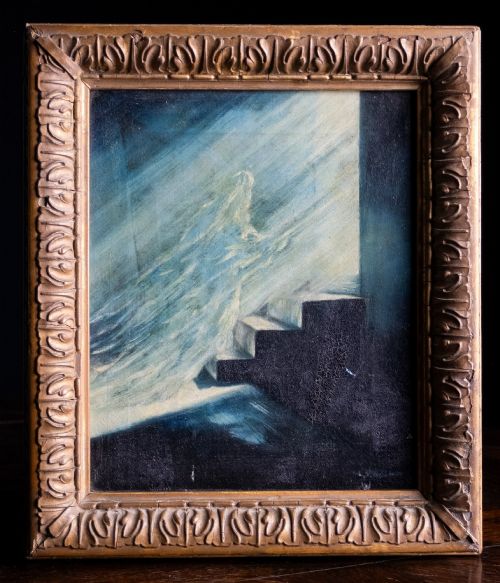
The selection on this page most frequently presents seventeenth-century portraiture alongside nineteenth-century landscapes and animal studies. Works range from intimate panels attributed to regional schools to larger canvases bearing specific artist attributions from the Victorian and Edwardian eras.
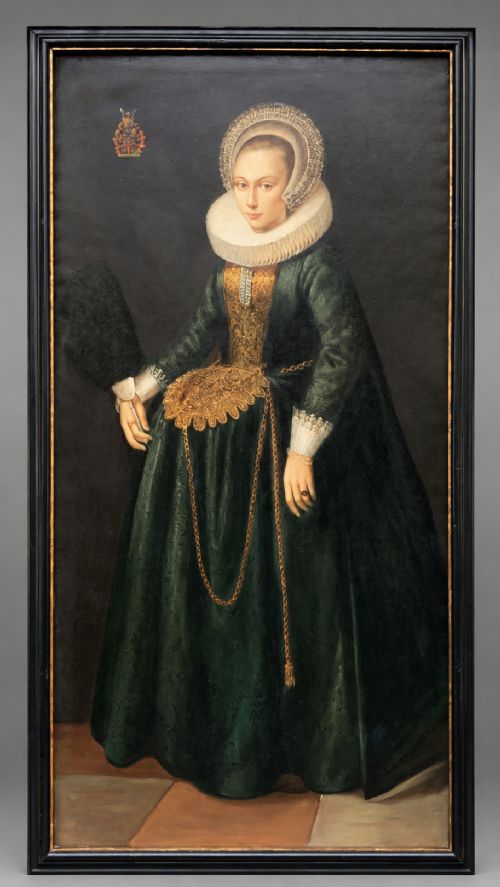
Subjects vary from nobility in elaborate ruff collars to pastoral village fêtes and domestic animal compositions. Each piece reflects the aesthetic priorities and technical methods of its respective period, offering tangible evidence of historical painting practices.
Materials and Techniques
Makers utilised oil paint applied to prepared canvas or timber panels, often building up compositions through successive layers of pigment and medium. Canvas grounds were typically stretched over wooden frames, whilst earlier works frequently employed solid wood panels.
Surrounding many canvases are period frames constructed from wood, embellished with gesso mouldings, and finished with gold leaf or giltwood. These frames provide structural support and historical context, frequently matching the era of the painting itself.
Antique Oil Art Retail Price Guide 2026
Typical asking prices for oil art among the pieces listed under this phrase on Sellingantiques today, from the lower quarter to the upper quarter. They describe what is for sale here now, not the wider market.
Listings feature works spanning from the seventeenth century through to the 1960s, executed in oil on canvas, wood, and panel.
Assessing Quality and Execution
The integrity of the original paint layer and surface preservation dictate the visual strength of a piece. Works retaining their initial pigment saturation and uncompromised canvas or panel structure command greater historical interest.
Studio of Sir Godfrey Kneller·Studio of Sir Peter Lely·George F. Bird·William Langley·Charles Jervas
The Antique Oil Art Glossary
- Oil on Canvas
- Pigment mixed with a drying oil, usually linseed, applied to a woven fabric support stretched across a wooden frame. This method became the dominant painting medium from the Renaissance onwards.
- Gesso
- A paint mixture consisting of a neutral binder mixed with chalk, gypsum, or pigment, used to prepare wood or canvas surfaces. It provides a smooth base for subsequent oil paint application.
- Giltwood
- Wood that has been coated with a thin layer of gold leaf or powder. This finish is commonly found on decorative antique picture frames.
- Oil on Panel
- A painting created by applying oil colours directly onto a prepared wooden board or panel. This technique is particularly prevalent in earlier centuries before canvas gained widespread use.
- Panel
- A flat piece of wood used as a rigid support for painting. Panels were often constructed from oak or exotic timbers depending on the region and period.
Antique Oil Art: Frequently Asked Questions
How do I care for antique oil paintings?
Keep paintings away from direct sunlight, extreme temperature fluctuations, and high humidity to prevent canvas slackening and paint cracking.
Dust the surface very gently with a soft, dry brush, avoiding any moisture or chemical cleaning agents.
Can I reframe an antique oil painting?
Retaining the original period frame whenever possible is recommended, as it contributes significantly to the historical context and integrity of the artwork.
If reframing becomes necessary due to structural damage, select a period-appropriate reproduction that matches the style and scale of the painting.
How do I identify the age of a painting?
Examine the materials used for the support, such as hand-woven canvas types or older timber panel construction, alongside the style of dress and hair in portraits.
Maker inscriptions, stretcher frame construction, and old handwritten labels on the reverse also provide crucial dating clues.
What is the difference between canvas and panel?
Canvas consists of fabric stretched over a wooden frame, offering flexibility and a textured surface weave that became standard in later centuries.
Panel refers to a rigid wooden board, which tends to appear more frequently in earlier works and requires stable environmental conditions to prevent warping.