

Antique Office Storage Unit
An antique office storage unit organises workspace paperwork with sturdy drawers, pigeon holes and tambour fronts.
Antique Office Storage Unit
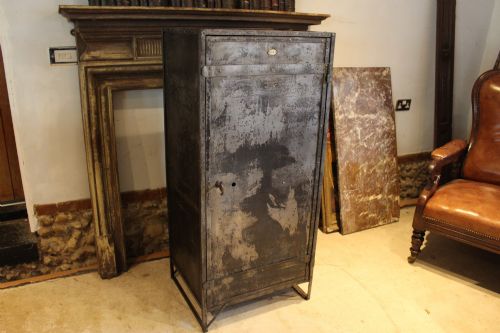
An antique office storage unit encompasses utilitarian pieces designed for workspace organisation across the nineteenth and twentieth centuries. Buyers encounter filing cabinets, banks of drawers, cupboards and pigeon holes spanning Edwardian, industrial and Art Deco styles. Oak, mahogany, pine and metal form the primary construction materials of these functional workspace items.
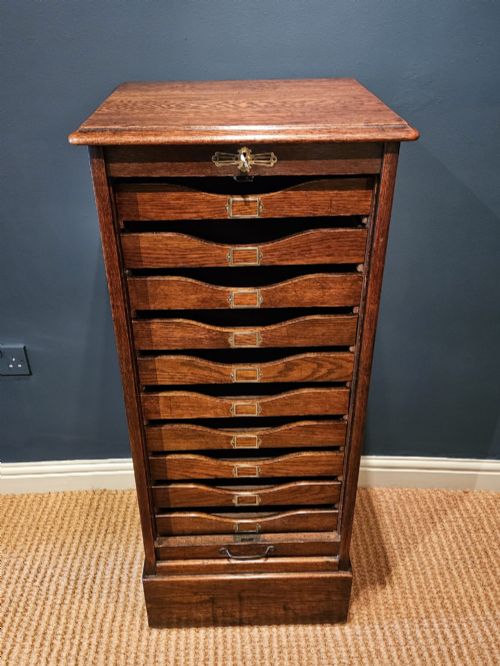
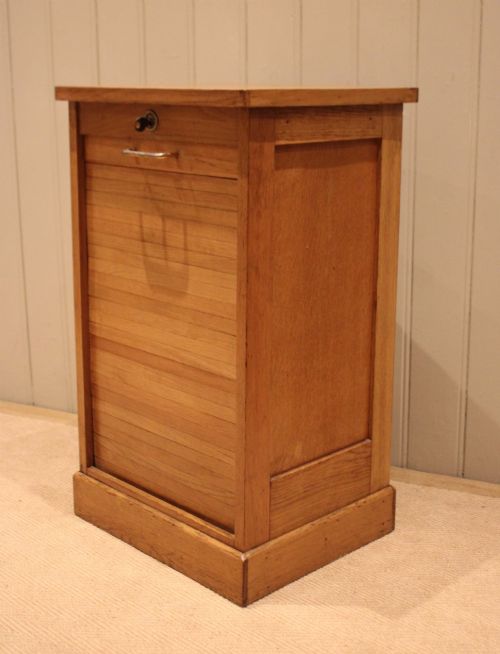
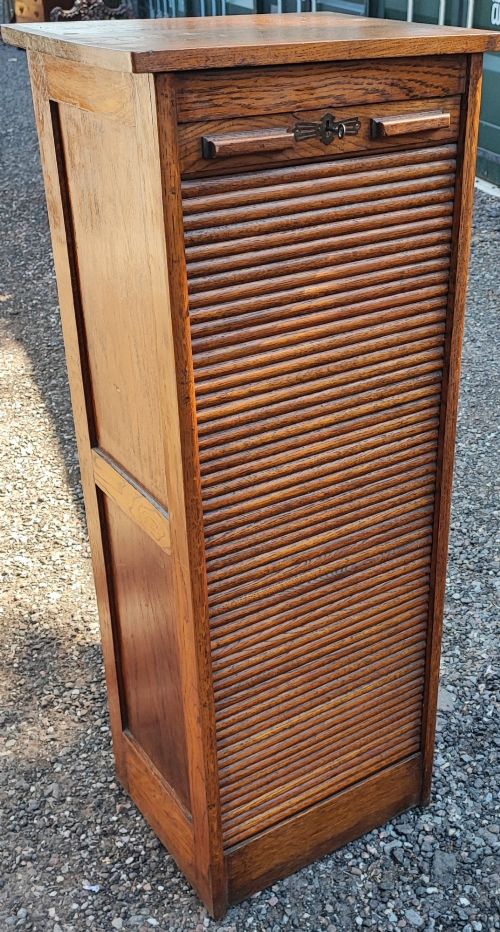
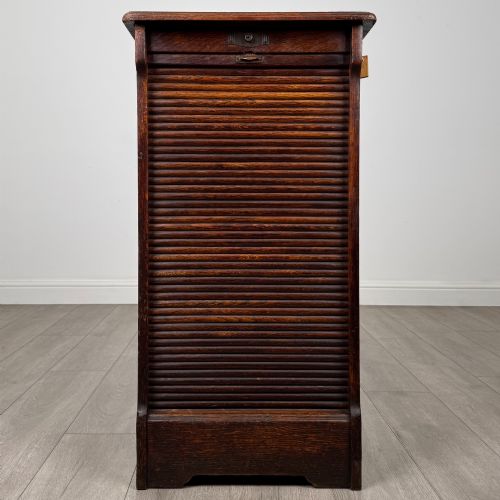
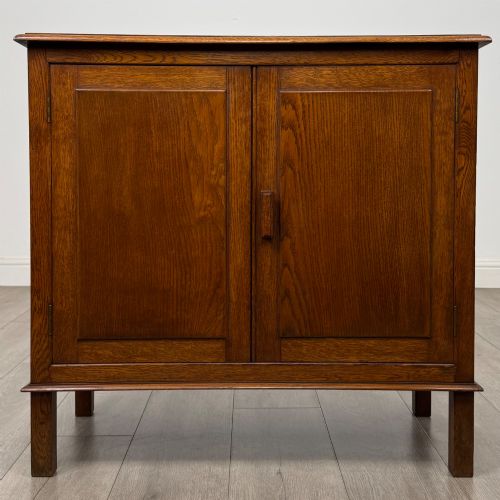
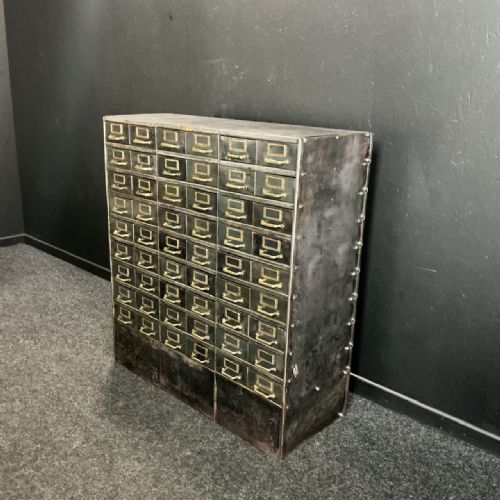
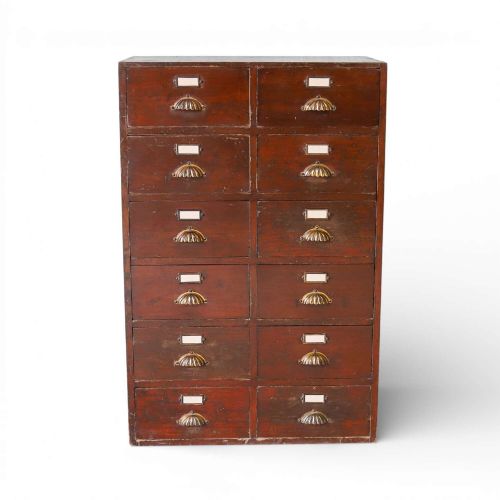
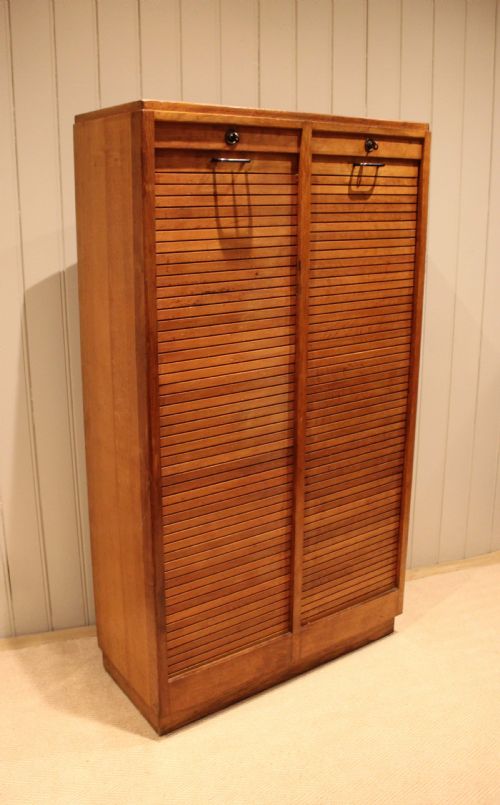
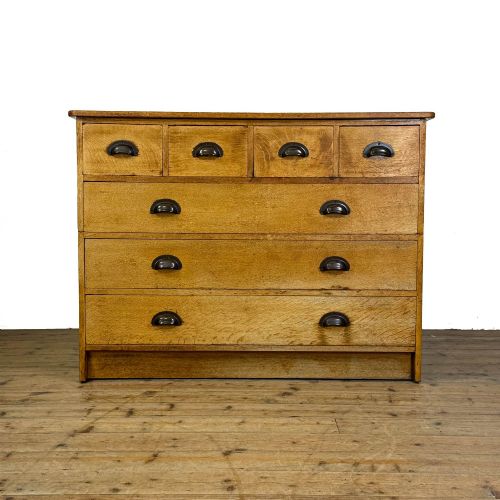
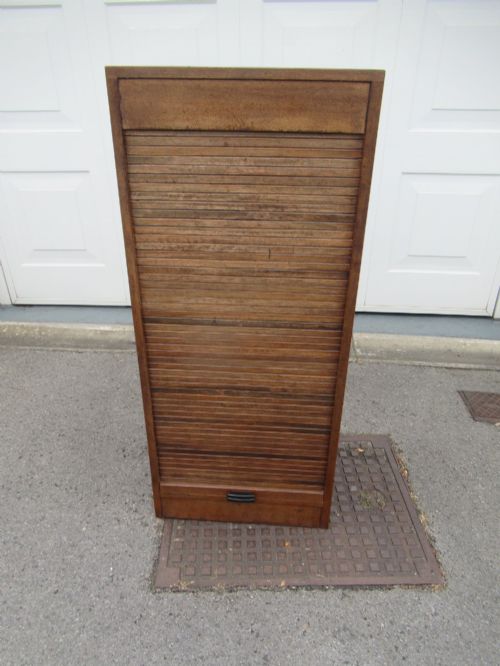
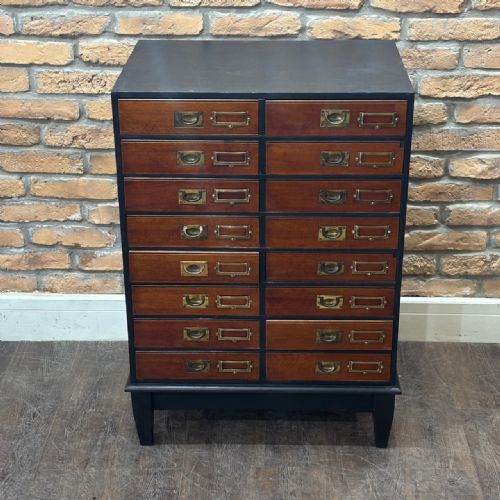
Oak tambour front filing cabinets dominate the selections, alongside banks of drawers fitted with brass handles and label holders. Examples range from small proportioned light oak pieces to double tambour front office cabinets. Early twentieth-century and Edwardian workshop output provides the core of these listings.
Materials and construction methods
Cabinet makers utilised hardwoods such as oak and mahogany alongside utilitarian pine, steel and metal. Tambour fronts rely on slatted wooden strips glued to canvas backing to curve smoothly around cabinet tracks. Brass hardware, shell pulls and label holders complete the functional assembly of filing drawers and cupboards.
Construction combines traditional joinery with industrial metal elements. Painted finishes and polished wood surfaces protect the underlying timber and metal frames designed for heavy office use.
Listings feature oak, mahogany, pine and metal storage forms spanning the nineteenth century through the 1940s.
Determinants of quality
Quality rests in the selection of timbers like golden oak or figured mahogany and the precise operation of sliding tambour mechanisms. Superior examples retain original brass shell pulls and label holders rather than replacement hardware. Fine craftsmanship shows in the tight joining of multi-drawer banks and pigeon holes.
The integration of patented systems, such as Amberg letter files, elevates the desirability of specific storage pieces. Overall structural integrity and the survival of clean interior fittings distinguish better workshop productions.
The Antique Office Storage Unit Glossary
- Tambour
- A flexible sliding door made from narrow wooden slats attached to canvas backing. This mechanism allows the door to recede into the cabinet body.
- Pigeon holes
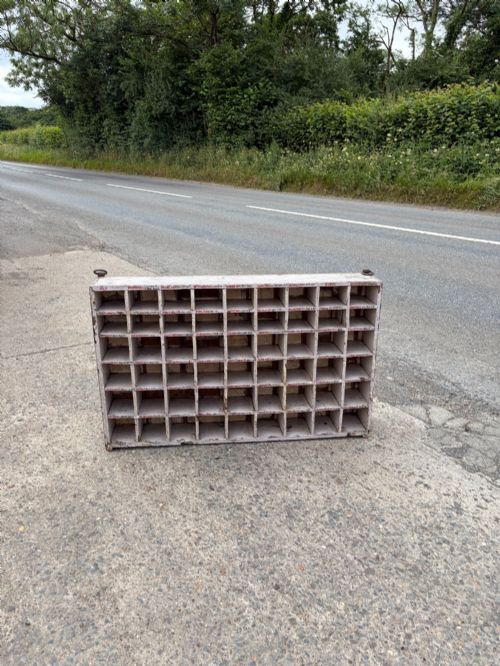
- Open compartments arranged in grids for sorting letters and documents. They appear in freestanding wooden cabinets and desk organisers.
- Bank of drawers
- A chest featuring multiple shallow drawers stacked vertically or horizontally. These units served to organise correspondence and small office supplies.
- Shell pull
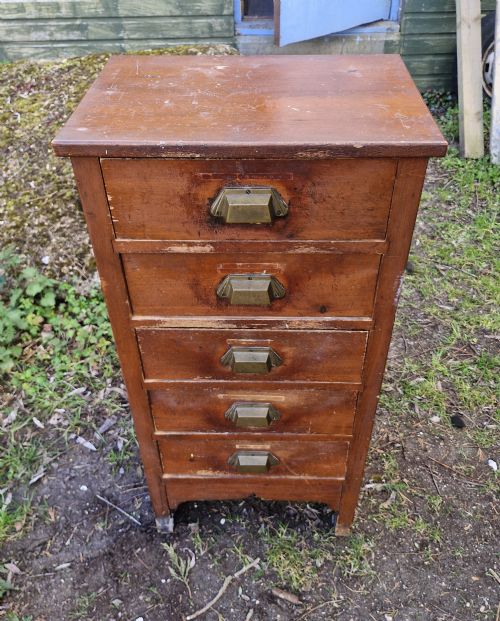
- A pressed metal handle shaped like an inverted shell. They frequently incorporate integrated card holders for drawer contents identification.
- Cartonnier
- A piece of furniture fitted with tiers of boxes or compartments for holding papers. French examples often combine mahogany and leather.
Antique Office Storage Unit: Frequently Asked Questions
How do I date an office storage unit?
Dating relies on observing material choices, hardware styles and construction techniques characteristic of periods like the Edwardian era or the 1930s. Brass shell pulls, painted metal finishes and specific timber preferences offer chronological clues.
Makers' marks or patent names stamped into the timber or hardware also assist in establishing precise periods.
How were pigeon holes used?
Pigeon holes served to sort incoming mail, daily correspondence and ongoing paperwork within professional and institutional offices. Their open compartments allowed rapid retrieval of documents.
Workers placed letters into individual slots labelled by department, client or alphabetical order.
Can I use these cabinets at home?
These storage pieces integrate smoothly into modern residential spaces for organising paperwork, stationery and collections. Their compact footprints and practical drawer layouts suit contemporary home studies.
Cupboards, banks of drawers and filing units provide concealed storage while displaying period craftsmanship.