




Antique Office Sideboard
An antique office sideboard provides practical storage and working surface, combining period character with functional workspace utility.
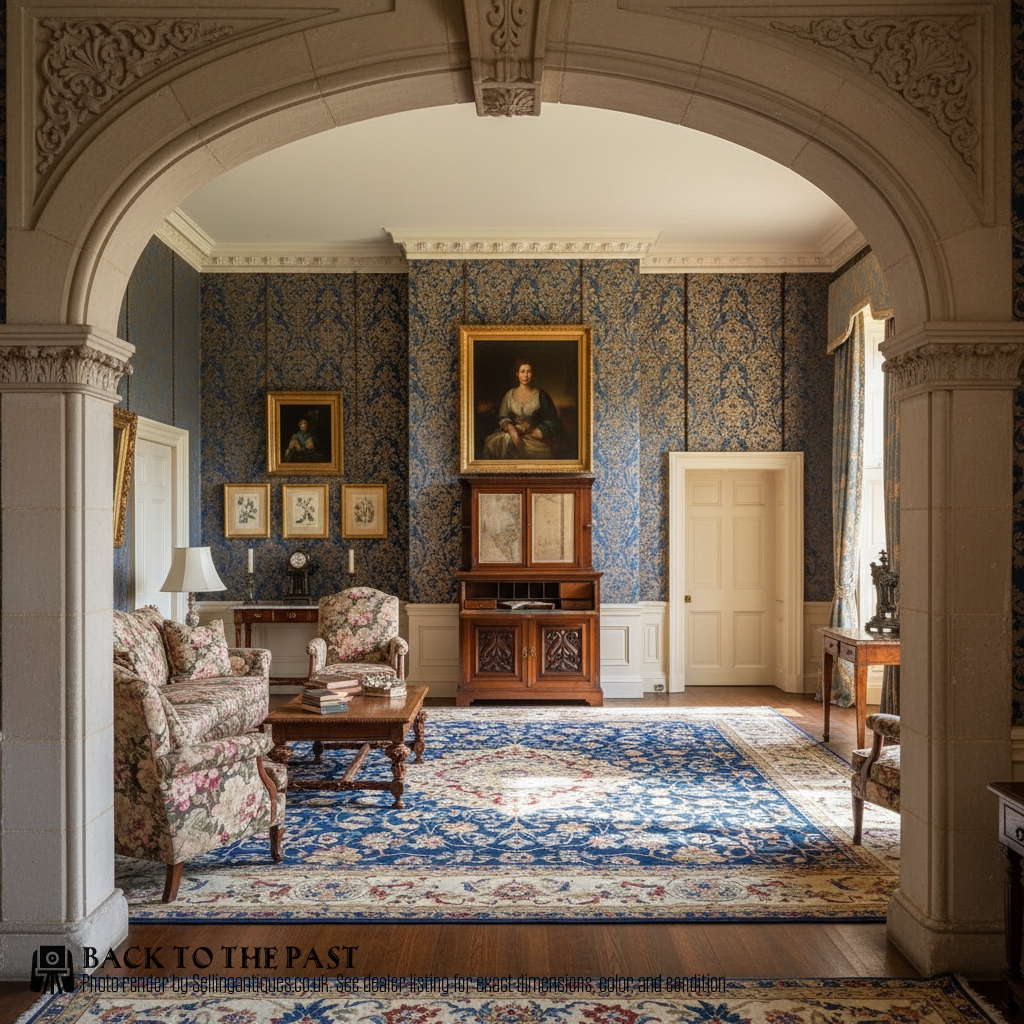
Antique Office Sideboard
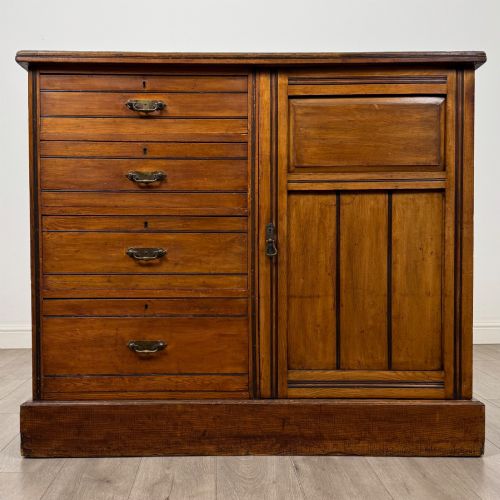
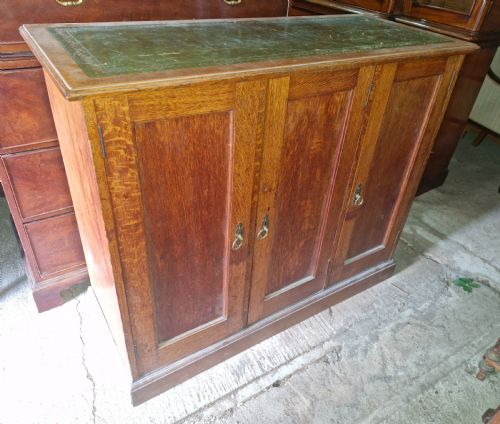
An antique office sideboard encompasses a range of robust storage furniture, including cabinets, cupboards, desks, and drawer units designed for workspace organisation. These items emerge from various periods such as the Georgian era, the Victorian period, and the twentieth century up to the 1930s. Buyers searching for an antique office sideboard will encounter diverse forms like banks of drawers, military filing cabinets, and fitted cupboards.
The construction and styling span multiple design traditions, including Edwardian oak pieces, Anglo-Indian teak items, and industrial utility cupboards. Alongside dedicated storage, forms such as secretaire bureaux, desks, and bookcases often double as functional sideboards in modern settings. Pieces originate from traditional cabinet makers and larger firms, utilising durable timbers suited to daily administration.
Materials and construction
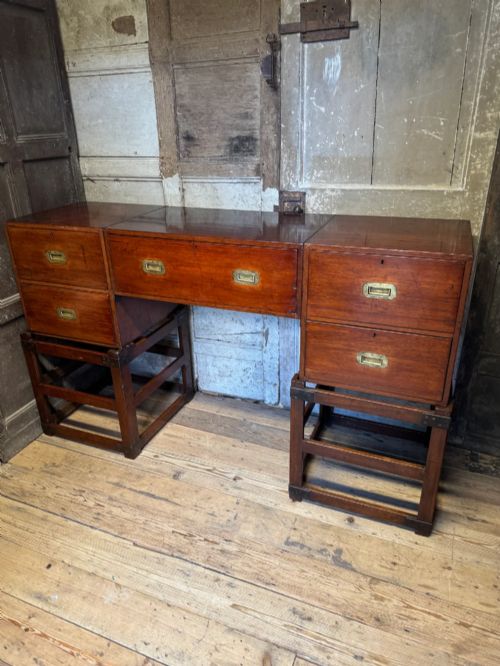
Cabinet makers utilised traditional joinery techniques to construct robust carcases, panelled doors, and multi-drawer banks. Surfaces received polishing or oiling to protect the timber grain while highlighting the natural figuring of mahogany, oak, and walnut. Campaign and industrial variations integrated brass corners, flush handles, and robust iron brackets to withstand rigorous operational environments.
Antique Office Sideboard Retail Price Guide 2026
Typical asking prices for office sideboard among the pieces listed under this phrase on Sellingantiques today, from the lower quarter to the upper quarter. They describe what is for sale here now, not the wider market.
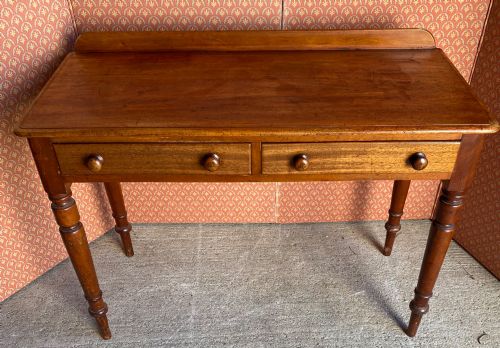
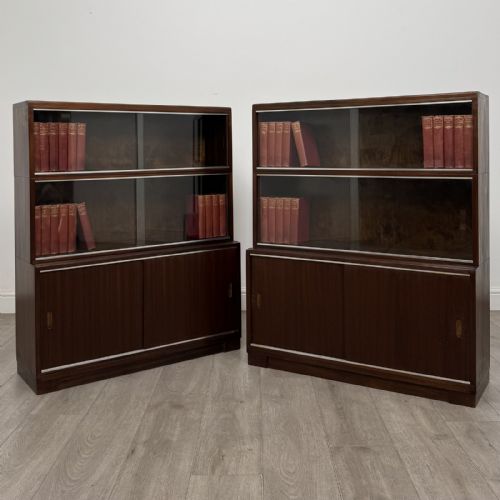
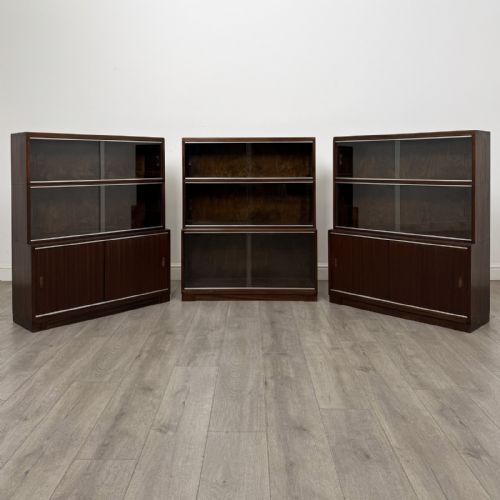
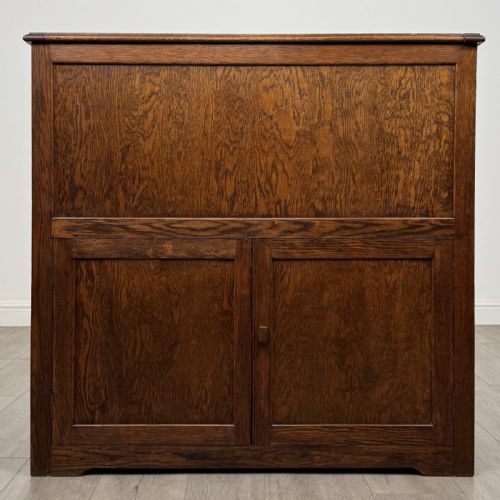
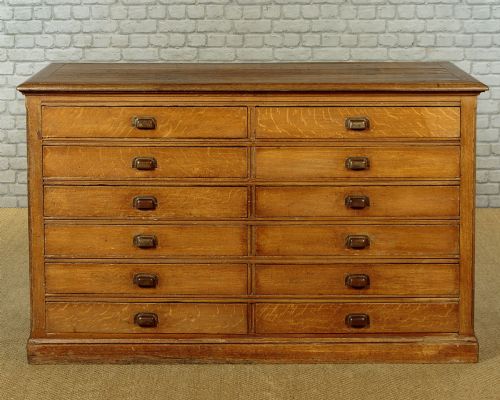
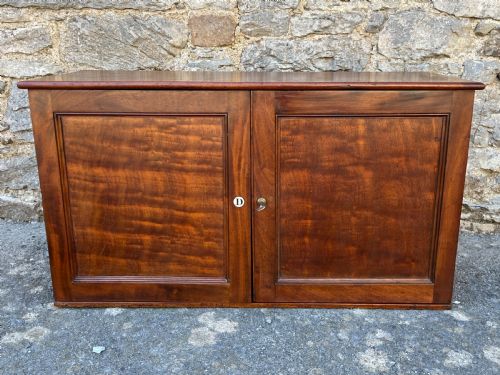
Form variations on this page include banks of drawers, military filing cabinets, secretaire bureaux, and fitted cupboards.
Judgement of quality
Quality rests upon the selection of timber and the precision of the joinery, distinguishing utilitarian items from high-status commissions. Superior pieces demonstrate careful grain matching across drawer fronts and cupboard doors, alongside tightly fitted joints that maintain structural stability over decades of use. The weight and finish of original brass handles, locks, and hinges further indicate the standard of production.
The reputation of the maker or retailer adds another layer of distinction, as does the complexity of internal fittings such as specialised filing divisions and secretaire drawers. Pieces attributed to established workshops exhibit superior refinement in carved or moulded details compared to standard workshop output. Originality of components and surface finishes preserves the integrity and historical value of the piece.
Étienne Kohlmann·Maple & Co.·Gillows
The Antique Office Sideboard Glossary
- Secretaire
- A desk or cabinet featuring a pull-down writing flap that conceals a fitted interior of small drawers and pigeonholes. This hybrid form allows storage furniture to double as a compact workspace.
- Campaign
- Furniture constructed in sections with recessed brass fittings and carrying handles, originally designed for military officers on the move. These pieces prioritise robust portability without sacrificing utility.
- Breakfront
- A piece of furniture whose central section projects forward from the flanking outer sections. This architectural arrangement creates visual depth and varied storage capacity.
- Chiffonier
- A low sideboard or cabinet, popular during the nineteenth century, often equipped with shelves or a raised back. It serves as both a display surface and enclosed storage.
- Bank of drawers
- A tall or wide chest containing numerous shallow drawers specifically designed for sorting documents, specimens, or office supplies. They are frequently found in industrial and administrative contexts.
Antique Office Sideboard: Frequently Asked Questions
How do I use an antique sideboard for modern storage?
These versatile pieces adapt easily to contemporary rooms, serving as credenzas in dining areas or functional storage units in home offices. Their deep drawers and cupboards accommodate modern electronics, paperwork, and household items while adding historical character to the space.
Ensure that internal dimensions suit your specific storage needs before placement. Positioning them away from direct heat sources protects the antique timber and finishes from drying out.
What is the difference between a desk and a sideboard?
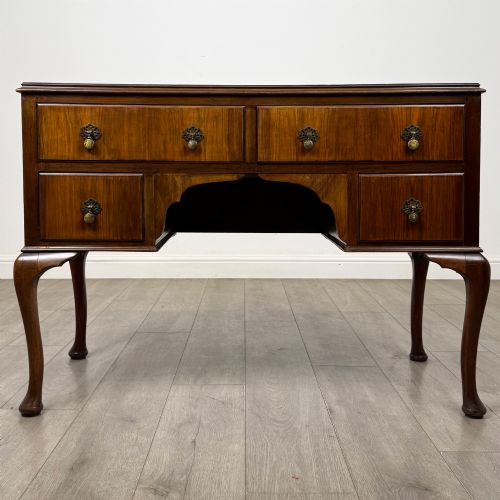
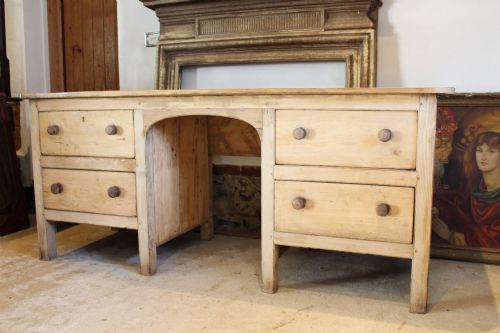
Desks feature recessed kneeholes or open spaces beneath the work surface designed for sitting comfortably while writing or administering tasks. Sideboards and cabinets focus primarily on enclosed storage through doors and banks of drawers, lacking a dedicated seating recess.
Some hybrid forms like secretaire sideboards blur these distinctions by incorporating fold-down writing surfaces into storage carcases. Consider your primary daily requirement - active workspace versus enclosed storage - when selecting between these forms.
How do I identify a Victorian filing cabinet?
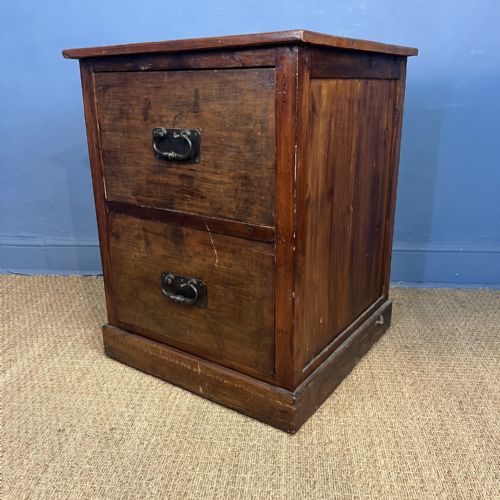
Victorian filing cabinets and banks of drawers typically utilise heavy mahogany or oak construction with panelled sides and traditional hand-cut dovetail joinery. They frequently incorporate brass campaign handles, label holders, and robust locking mechanisms designed for administrative security.
Examining the interior drawer construction and secondary timbers helps confirm the nineteenth-century origin. These pieces carry a substantial weight and utilitarian aesthetic distinct from lighter twentieth-century office furniture.
How should I care for timber office furniture?
Maintain the timber by dusting regularly with a soft, dry cloth and applying occasional quality beeswax to nourish the polished surface. Avoid using silicone-based sprays or placing the furniture in direct sunlight or beside radiators to prevent warping and cracking.
Treat leather writing surfaces with appropriate balms if fitted, keeping them supple and free from moisture damage. Gentle, consistent care preserves the historic finish and structural integrity of the piece.