

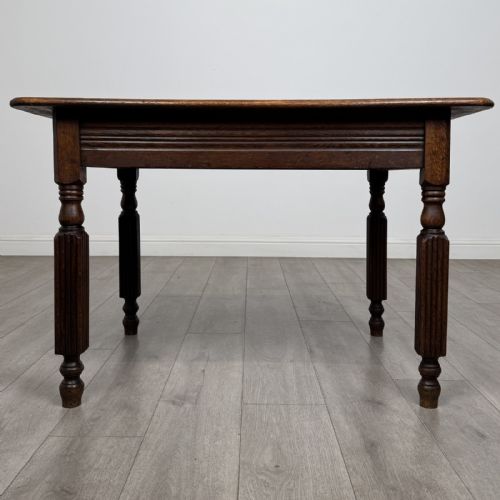
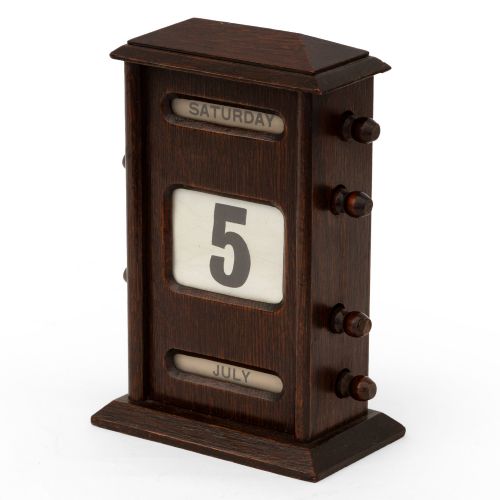
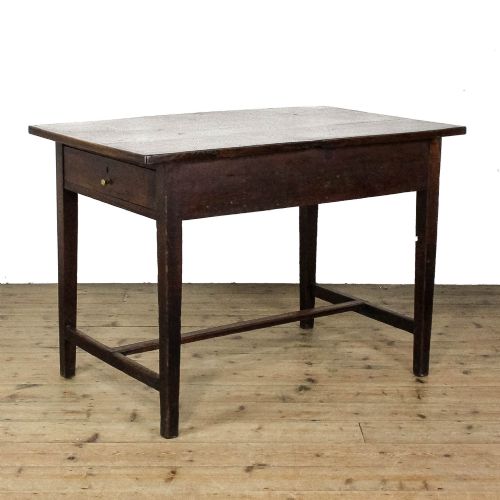
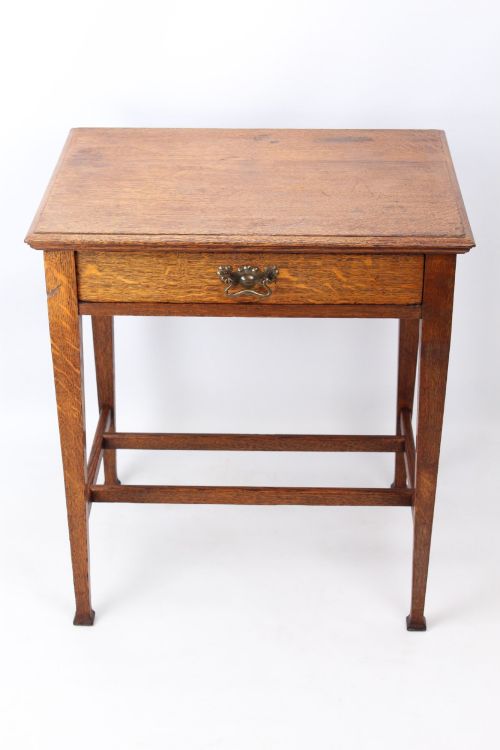

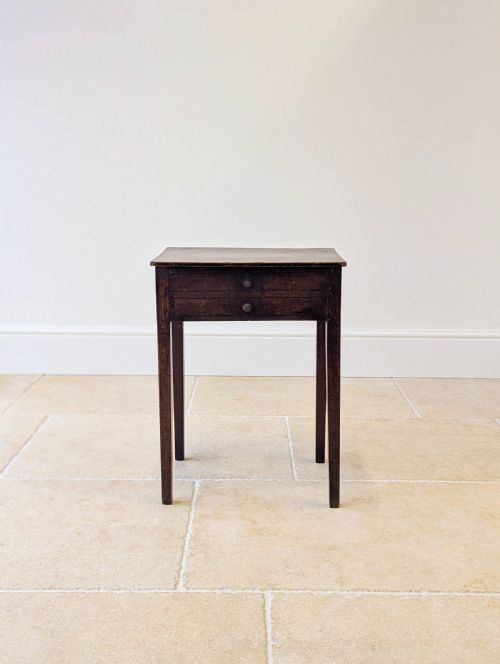


Antique Oak Work Desk
An antique oak work desk brings solid timber and functional design into a room, offering a practical workspace built to last generations.
Antique Oak Work Desk
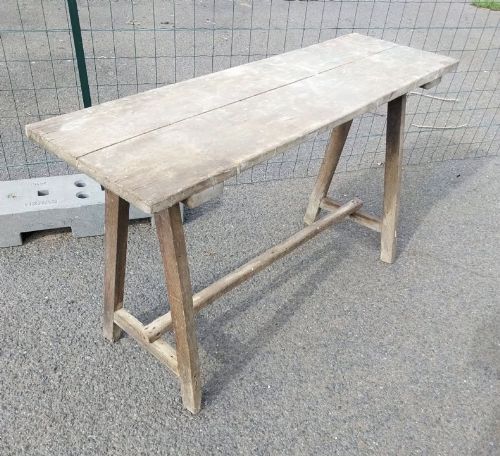
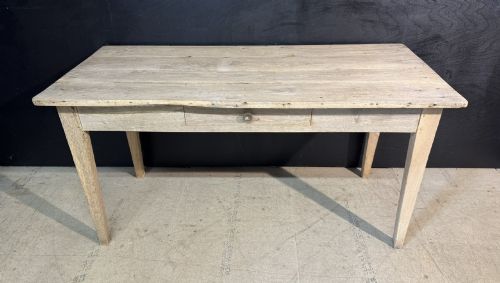
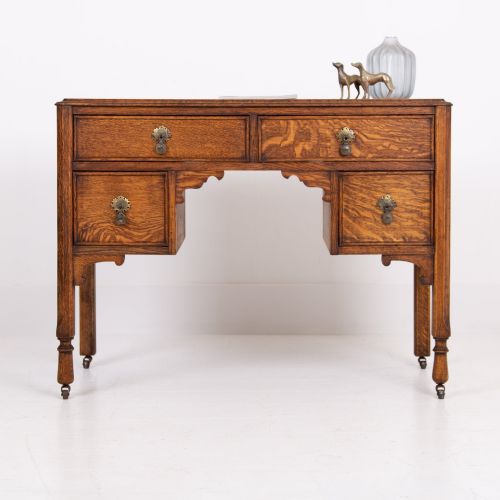
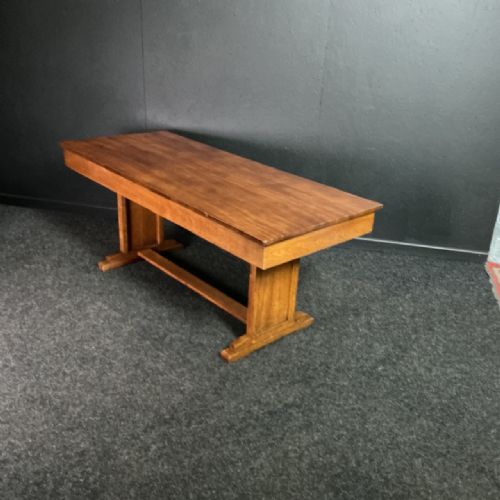
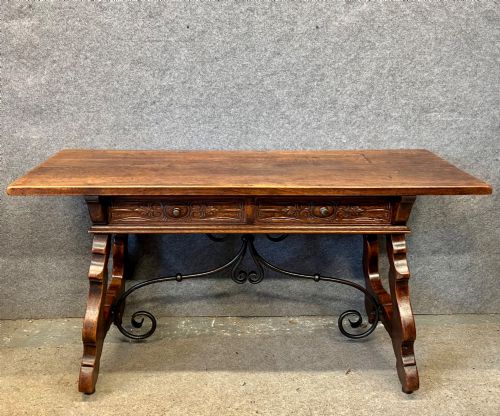
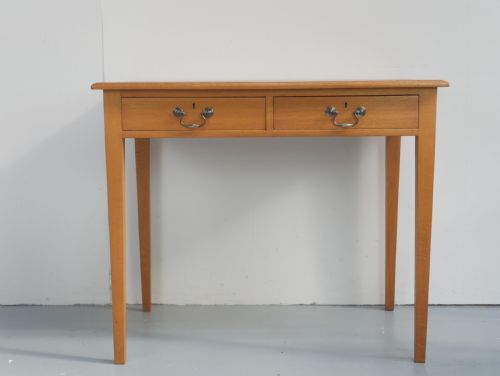
An antique oak work desk encompasses sturdy writing tables, pedestal desks, and utilitarian work tables produced across the Georgian, Victorian, and Edwardian eras. These pieces serve as functional furniture designed for daily correspondence, administrative tasks, and study.
The selections available range from carved Victorian writing desks and Edwardian roll-top models to simpler country work tables and library pieces. Buyers frequently encounter oak paired with brass hardware, leather writing inserts, and auxiliary drawers.
Origins span English workshops, Welsh country houses, and continental European sources, reflecting diverse regional tastes in timber furniture. Each item demonstrates the robust construction methods typical of pre-industrial and early twentieth-century cabinet making.
How they were made
Makers utilised solid oak boards for framing and tops, frequently supplementing construction with secondary timbers such as pine for drawer linings and internal carcases. Joinery relied on traditional techniques including dovetailing for drawers and mortise and tenon joints for frames.
Hardware such as drop handles, key escutcheons, and hinges were typically cast or pressed in brass and iron, while writing surfaces often incorporated inset panels of tooled leather. Finishes applied by hand enhanced the natural grain of the oak through waxing and shellac polishing.
Antique Oak Work Desk Retail Price Guide 2026
Typical asking prices for oak work desk among the pieces listed under this phrase on Sellingantiques today, from the lower quarter to the upper quarter. They describe what is for sale here now, not the wider market.
Materials appearing across these desks include solid oak, brass handles, leather inserts, and structural pine secondary timbers.
What varies in quality
The standard of timber selection and joinery execution dictates the overall calibre of an antique oak work desk, separating utilitarian workshop items from fine parlour furniture. Superior examples display carefully matched grain patterns, precise drawer dovetailing, and original brass fittings.
Carving depth and decorative detailing mark the distinction between plain country pieces and sophisticated urban commissions. The integrity of structural joints and the presence of unaltered surfaces further determine the standing of individual desks.
The Antique Oak Work Desk Glossary
- Pedestal desk
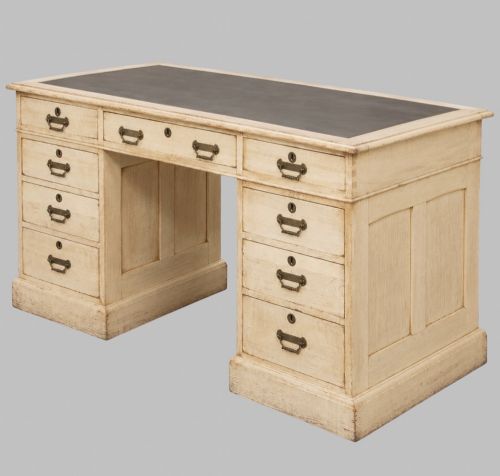
- A freestanding writing table supported by two vertical banks of drawers flanking a central kneehole. This form provides substantial storage capacity.
- Writing table
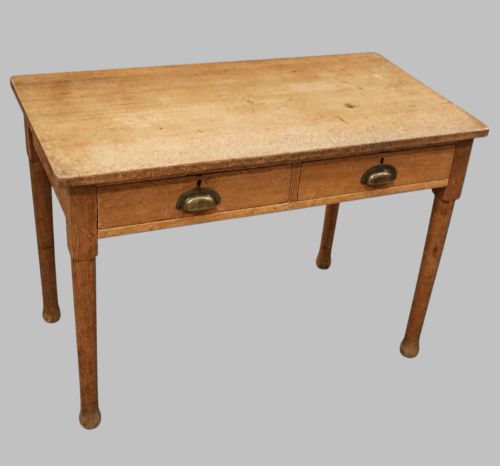
- A domestic table designed primarily for correspondence, typically featuring one or more shallow drawers beneath the top. Legs are usually turned or tapered.
- Roll top desk
- A cylinder-desk variant featuring a slatted wooden tambour that slides down to conceal the pigeonholes and writing surface. It became popular during the nineteenth century.
- Dovetail
- A traditional joint formed by interlocking fan-shaped tenons and mortises. It secures drawer corners against lateral pulling forces.
- Escutcheon
- A protective metal plate surrounding a keyhole. It is commonly cast in brass on quality desks.
Antique Oak Work Desk: Frequently Asked Questions
How do I date an oak desk?
Dating relies on examining construction methods, timber preparation, and stylistic markers visible in the hardware and leg design. Hand-sawn timber marks and early dovetail proportions point towards Georgian or early Victorian origins.
Later Victorian and Edwardian pieces often incorporate machine-cut elements and factory-produced brasses while retaining traditional oak carcases. Comparing these physical traits against documented period styles clarifies the manufacturing era.
Are these desks suitable for daily use?
Solid timber construction makes these desks robust enough to support modern writing materials and laptop computers. The durable nature of oak ensures they withstand regular everyday tasks.
Care should be taken to protect antique leather inserts and polished timber surfaces from moisture and heat. Using blotters and coasters helps preserve the original finish during daily office work.
How should I care for the oak surface?
Maintaining an antique oak work desk involves regular dusting with a dry, soft cloth to prevent particulate accumulation. Treating the timber periodically with appropriate beeswax nourishes the grain and maintains the patina.
Harsh chemical cleaners and silicone polishes must be avoided because they strip historic finishes and degrade the timber over time. Keeping the desk away from direct heat sources prevents timber shrinkage and splitting.