



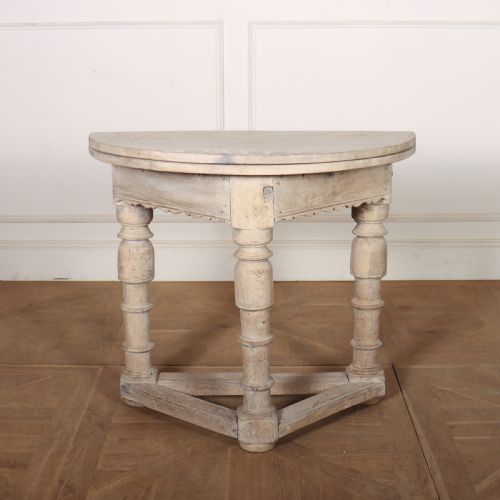


Antique Oak Wall Table
An antique oak wall table brings solid timber grain and a useful side surface to a hallway or living space without taking up floor room.
Antique Oak Wall Table
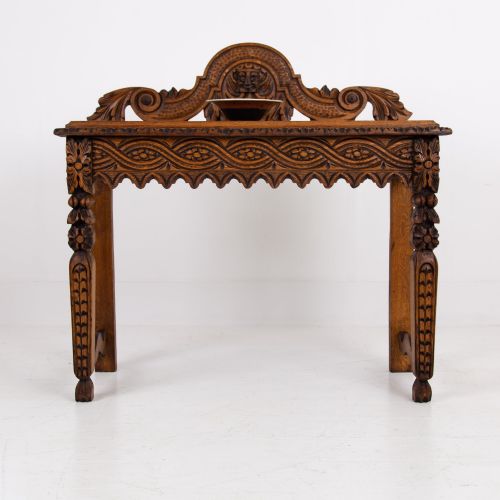
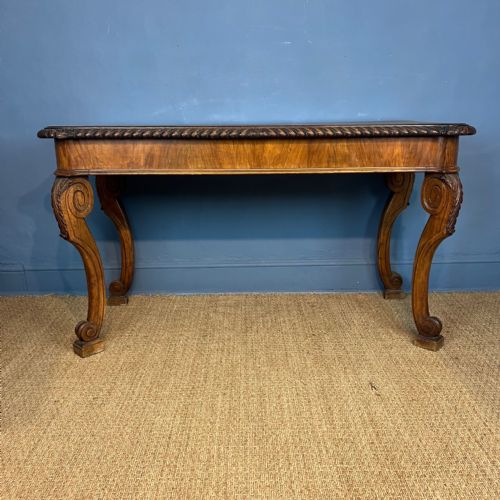
An antique oak wall table is a sturdy piece designed to sit against a wall, frequently taking the form of a console table, side table, or demi-lune shape. When searching for an antique oak wall table, buyers encounter formats spanning the eighteenth and nineteenth centuries, including French Provincial and Arts and Crafts examples.
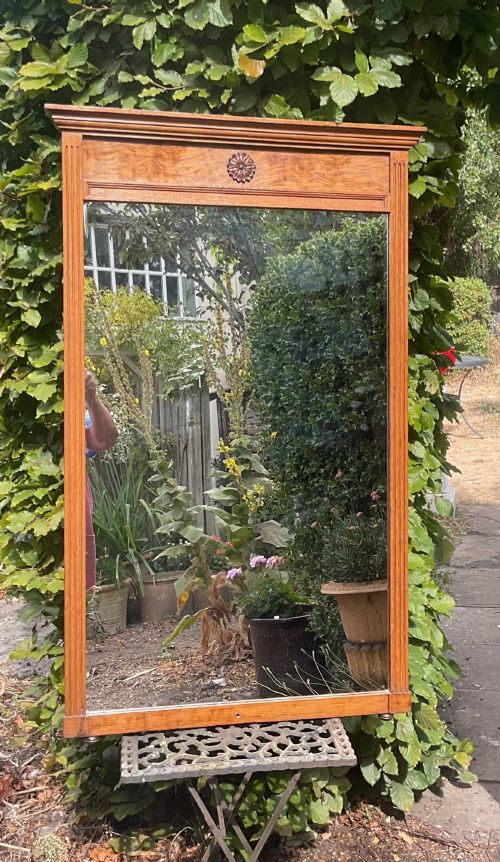
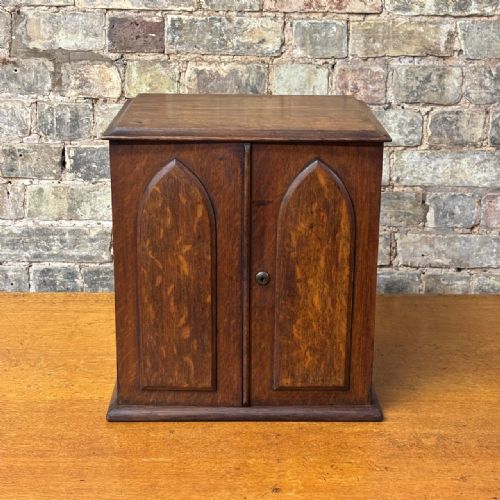
Many pieces in this category function as console tables or side tables, often paired with marble, granite, or glass tops. The evidence also records related wall-mounted or resting forms such as dressing mirrors, table cabinets, and display cabinets sharing similar period timbers.
Origins stretch across English, French, and Dutch traditions, showing the wide geographic spread of oak furniture production. Dating spans from the late seventeenth century through the Victorian era and into the early twentieth century, including the 1930s.
Materials and construction methods
The primary material across these pieces is solid oak, complemented occasionally by pollard oak, walnut, or mahogany. Construction often involves hand carving, evident in decorative panels and shaped legs.
Surfaces frequently incorporate stone inserts such as marble and granite tops, whilst other variants feature glass panels, brass fittings, or wrought iron elements. Giltwood accents appear on specific Regency formats.
Listings feature oak alongside walnut, mahogany, marble, brass, and wrought iron across the eighteenth and nineteenth centuries.
Judging quality in oak furniture
Quality rests upon the crispness of the hand carving and the selection of timber grain, particularly in golden and blonde oak variants. Substantial proportions and well-executed joinery separate standard production from finer examples.
The integration of secondary materials, such as heavy marble or granite tops fitted to oak frames, influences the overall weight and presence of the table. Original hardware and intact surface patination also contribute to the standing of a piece.
The Antique Oak Wall Table Glossary
- Demi-lune
- A half-moon shape used for console tables designed to fit flat against a wall. This profile saves floor space whilst providing a display surface.
- Console table
- A table supported against a wall by consoles or legs, frequently used in entrance halls and reception rooms. These pieces often feature decorative stone tops.
- Pollard oak
- Timber taken from trees that have been pollarded, producing a distinctive knotted and highly figured grain pattern. Cabinet makers valued this wood for decorative veneering.
- Arts and Crafts
- A design movement prioritising traditional craftsmanship and simple forms over mass production. Pieces from this style often display honest construction and local materials.
- Gothic Revival
- An architectural and decorative style drawing inspiration from medieval forms. Tables and cabinets in this mode frequently incorporate pointed arches and panel tracery.
Antique Oak Wall Table: Frequently Asked Questions
Where should I place a wall table?
These tables suit narrow hallways, entrance passages, and living rooms where floor space is limited. Their flat backs allow them to anchor securely against a vertical surface.
Pairing a table with a matching mirror creates a functional focal point for a room without protruding too far into the walkway.
How do I care for an oak surface?
Solid oak benefits from occasional treatment with appropriate wax to nourish the grain and protect the finish from moisture. Avoid placing damp items directly onto unsealed timber.
Stone inserts like marble or granite require simple wiping with a damp cloth and mild soap to maintain their condition.
How do I distinguish eighteenth-century pieces?
Earlier pieces from the 1700s often display denser timber patination, hand-cut joinery marks, and simpler structural framing compared to later revival styles. Construction techniques evolved significantly by the Victorian era.
Examining the underside and drawer linings helps reveal the age and manufacturing methods used by period cabinet makers.