
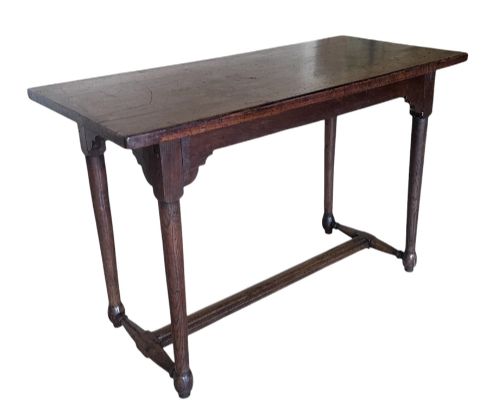
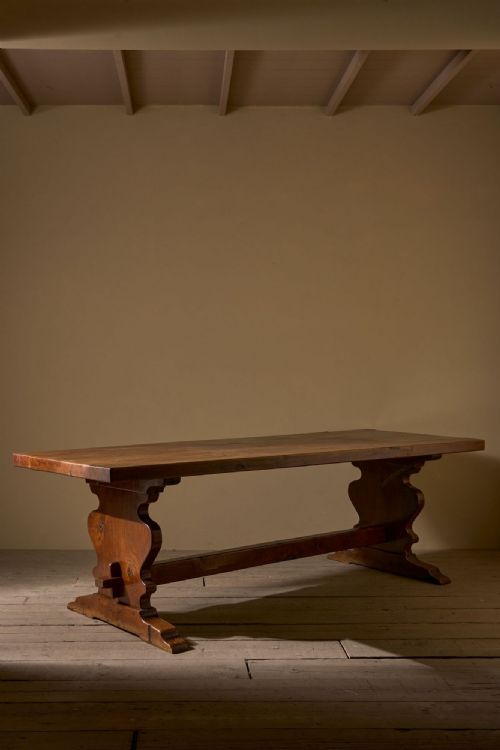
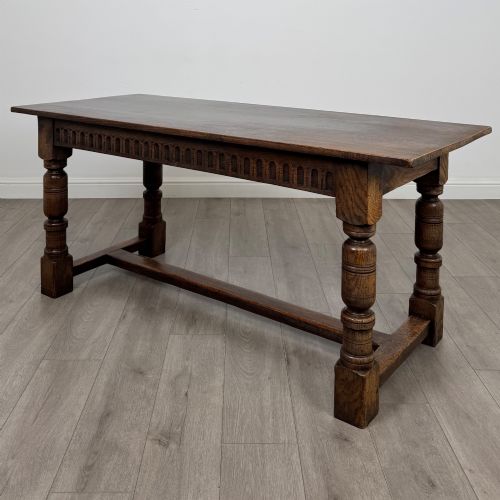
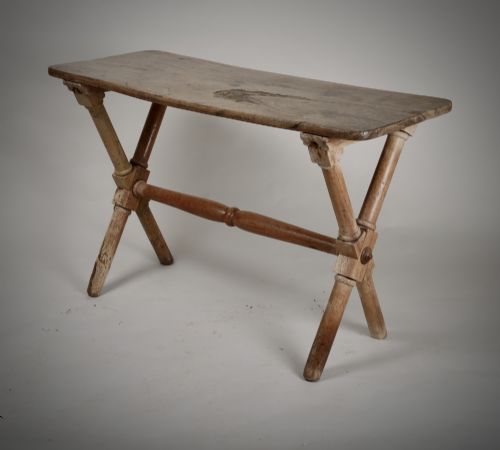

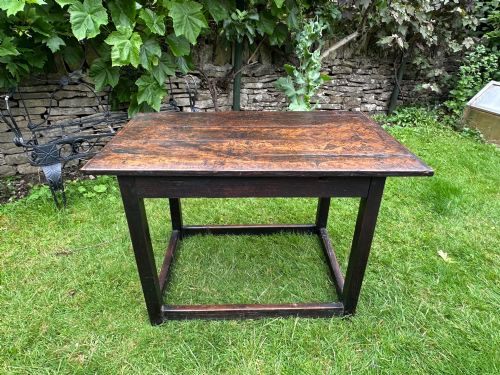
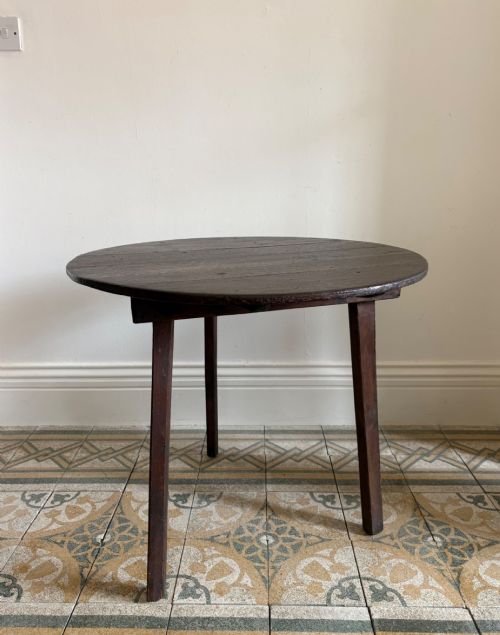
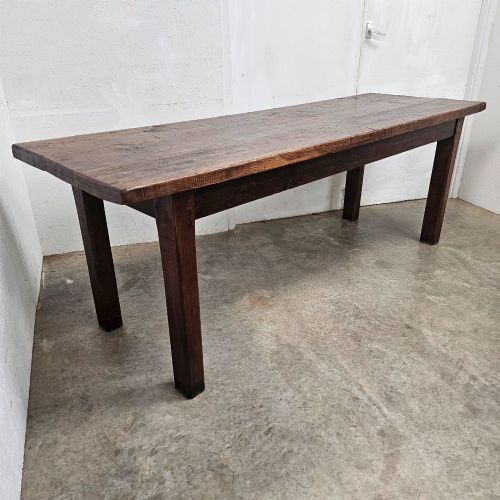
Antique Oak Tavern Table
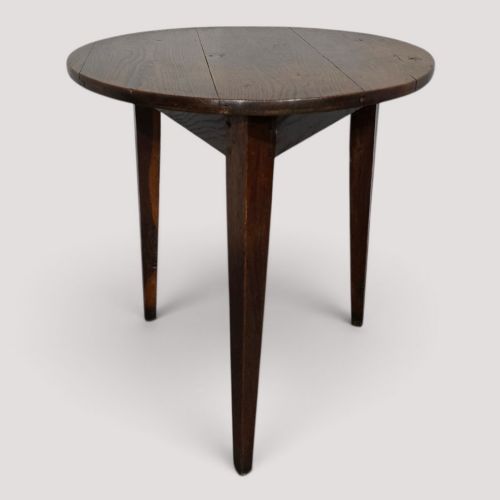
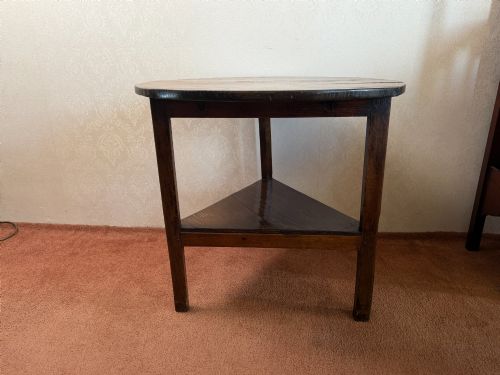
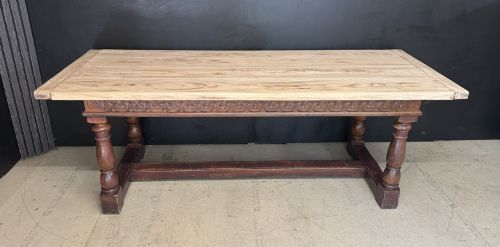
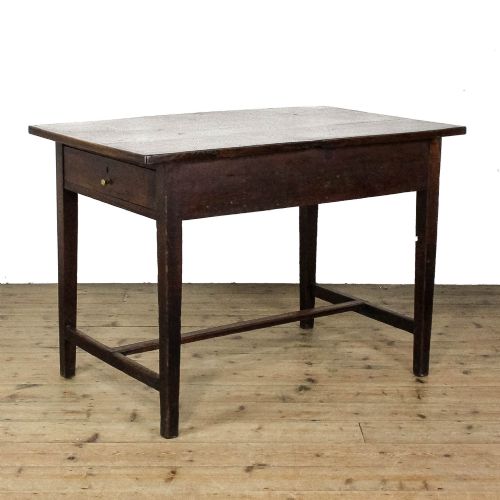
An antique oak tavern table brings stout utility and centuries of honest wear straight into your dining room or hallway.
Identifying your antique oak tavern table
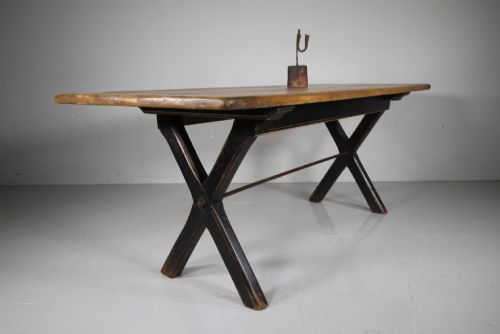
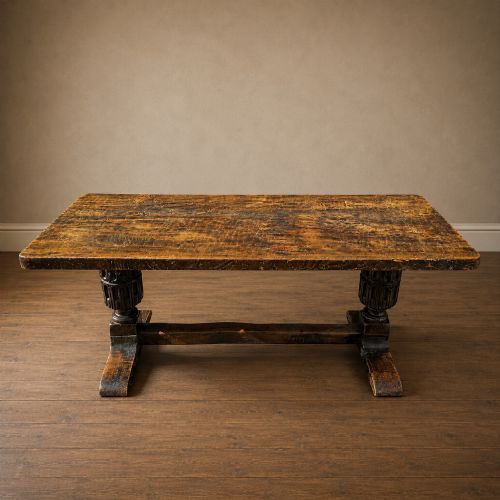
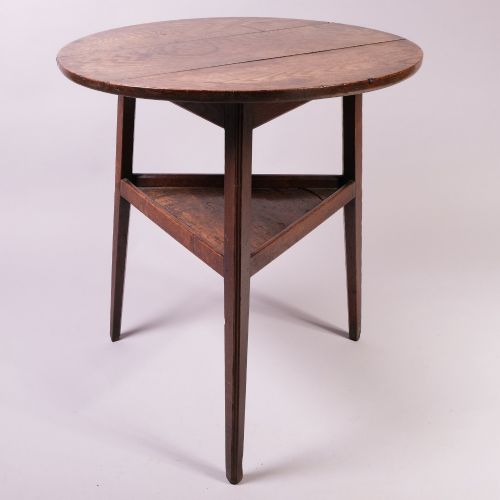
When you search for an antique oak tavern table, you encounter sturdy timber furniture built for communal spaces, homes, and ships from the seventeenth century through to the nineteenth century. The selection encompasses forms ranging from gate-leg and coaching designs to low side tables and distinct X-frame tavern tables.
The pieces appearing on this page span the 17th Century, the Georgian era, and the 1800 period, reflecting both English and Welsh country traditions. You are most likely to meet solid oak constructions styled in the Jacobean, George III, or country vernacular traditions.
Makers fashioned these surfaces not for delicate parlours, but for the heavy demands of public houses, domestic kitchens, and campaign use. Their forms double as centre tables, occasional tables, and folding tavern pieces suited to flexible living spaces.
Construction and materials
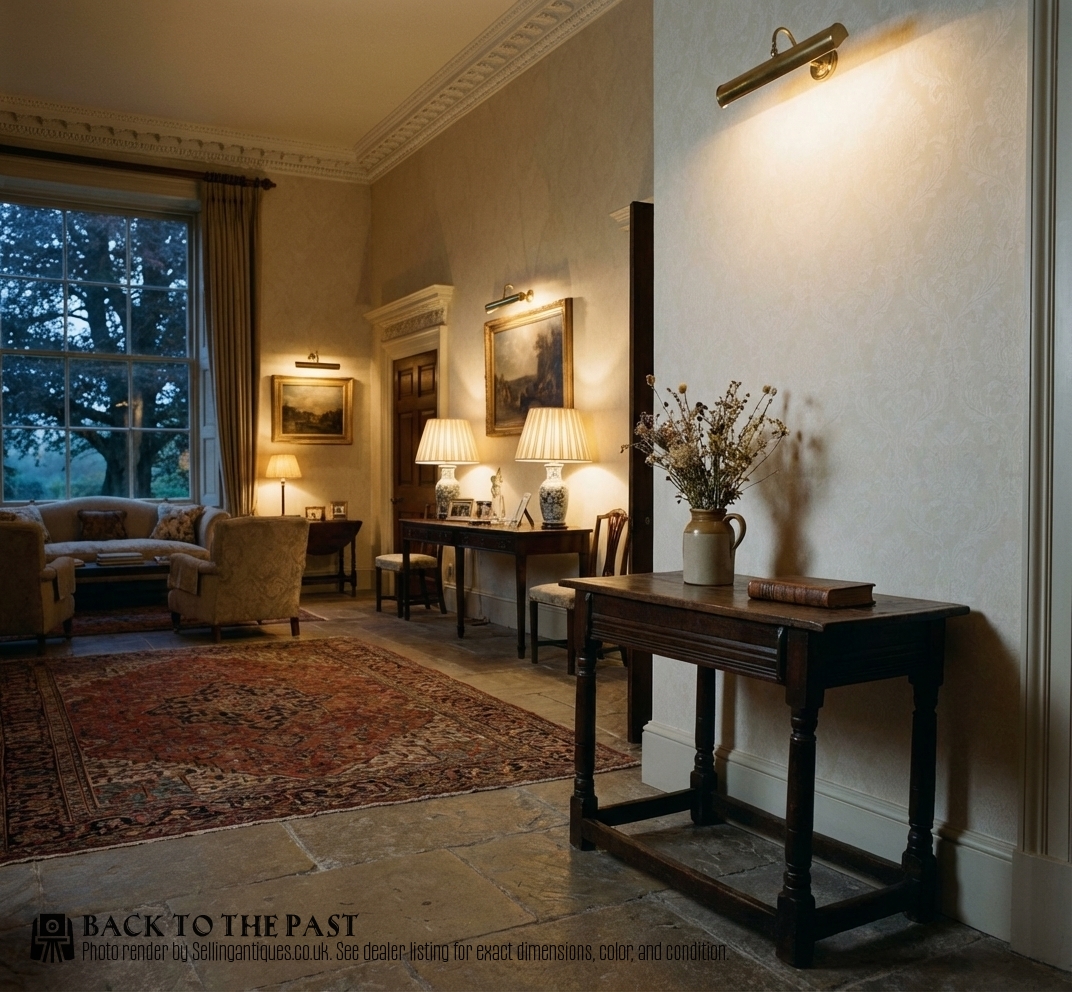
Makers relied primarily on solid oak, frequently pairing it with iron hardware, ash, and elm to build rigid frames that could withstand daily strain. Timbers were locally sourced and hand-worked, resulting in thick topboards and robust structural supports.
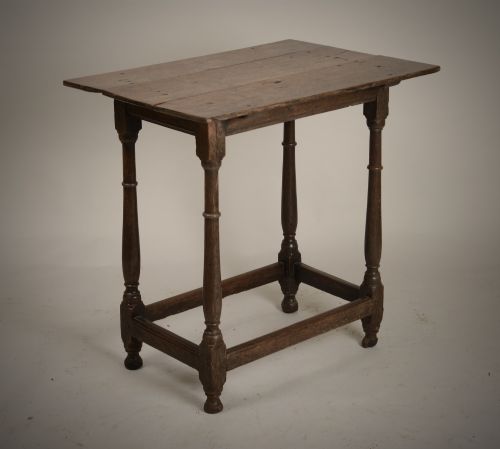
Joinery methods included pegged mortise and tenon joints, folding X-frame mechanisms, and baluster turning on side supports. Surfaces display the characteristic grain and medullary rays of oak, shaped by hand planes and joined to endure heavy use without modern adhesives.
Retail Price Guide 2026
Typical UK retail prices for oak tavern table, calculated from the Sellingantiques database of over a million retail prices indexed since 2003. This retail price guide relies exclusively on Sellingantiques data; no external sources or auction records are used, so the figures do not describe the wider market.
Several folding tavern tables were built compact enough for ships and campaign trails.
Judging quality and character
The finest examples display deep, untreated patina developed through generations of active use, alongside original timber tops that retain their full thickness. Lesser pieces suffer from excessive modern intervention, stripped surfaces, or replaced structural elements that diminish their historical integrity.
Proportion and structural honesty separate superior tables from standard utility pieces. A well-proportioned X-frame or gate-leg action demonstrates purposeful design, whereas awkward timber pairing or clumsy repairs reveal hurried manufacture.
Heals
The Antique Oak Tavern Table Glossary
- Gate-leg table
- A drop-leaf table featuring hinged legs that swing out to support the extended leaves. This clever mechanism allows the furniture to save space when folded.
- X-frame
- A structural base formed by intersecting diagonal timbers that provide lateral stability. It appears frequently on tavern and campaign tables designed for rigid support.
- Patina
- The lustrous surface sheen developed on wood through decades of handling, polishing, and oxidation. It serves as a primary indicator of age and genuine use.
- Waney edge
- An unprocessed edge on a board that retains the natural curve of the tree trunk. It signals rustic manufacture and minimal timber waste.
- Baluster post
- A turned vertical wooden support shaped like a classical vase or column. It provides decorative strength to table legs and stretchers.
Frequently Asked Questions
What is an antique oak tavern table?
An antique oak tavern table is a sturdy wooden furnishing originally built for public houses, domestic spaces, or travel. These pieces utilise solid oak and iron to provide durable surfaces for eating, drinking, and gathering.
They appear in various formats, including folding camp designs, gate-leg structures, and fixed side tables. Their robust build has allowed them to survive centuries of heavy daily use.
How were tavern tables used historically?
These tables served central roles in public houses, inns, and homes as communal surfaces for meals, ale, and conversation. Folding variants also travelled easily on ships and campaigns for temporary use.
Their practical design allowed them to be tucked away or moved as needed. Today, they transition smoothly into modern homes as characterful side or dining tables.
How do I care for an oak table?
Caring for antique oak involves protecting the dry wood and historic patina from excessive moisture and extreme temperature shifts. Regular dusting with a soft cloth keeps the surface clean without stripping the finish.
Avoid placing these tables in direct sunlight or near heat sources to prevent timber splitting. Applying a gentle beeswax periodically helps nourish the historic grain.
How do I date an oak table?
Dating relies on examining the construction methods, tool marks, joinery styles, and timber types visible across the piece. Seventeenth-century examples often feature pegged joints and heavy baluster turnings, while Georgian pieces show refined proportions.
Hardware like iron hinges or brackets also offers clues to the manufacturing era. Comparing the patination and wear patterns against known period pieces helps confirm the age.