





Antique Oak Sideboard Desk
These antique oak sideboard desk items combine robust utility with period character, offering practical workspace and storage rooted in centuries of craftsmanship.
Antique Oak Sideboard Desk
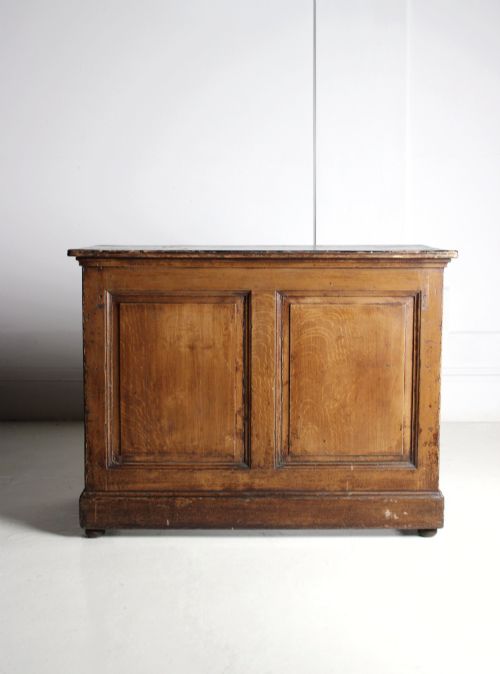
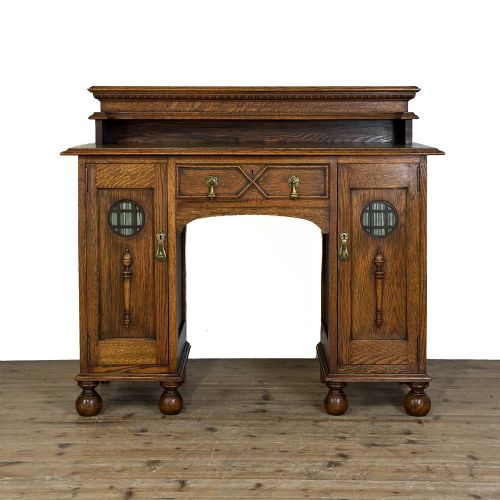
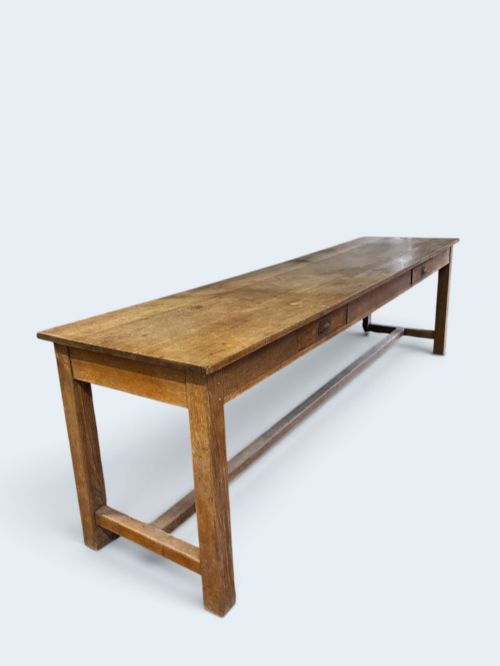
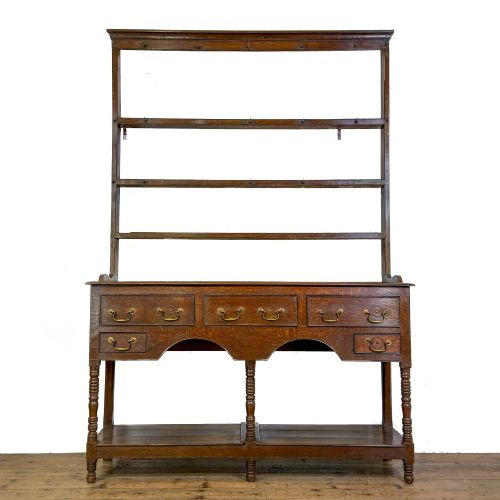
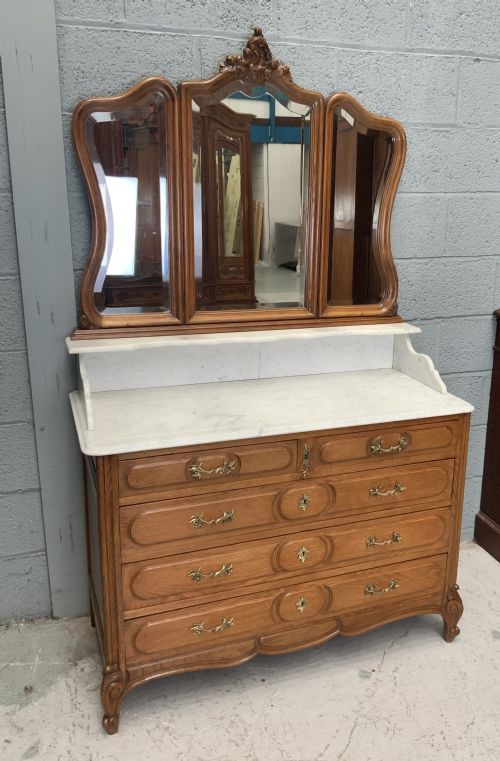
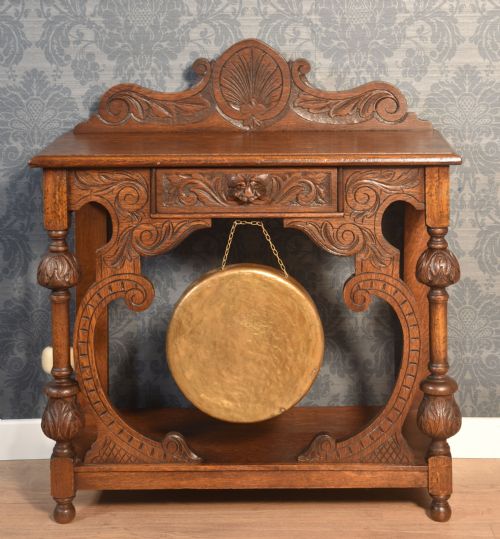
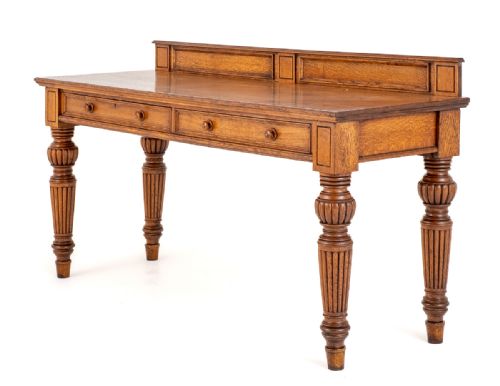
The antique oak sideboard desk category brings together heavy timber storage, serving tables and writing furniture created across the eighteenth, nineteenth and early twentieth centuries. Pieces range from large Victorian carved pedestal designs to rustic farmhouse servers and Welsh country vernacular dressers.
Buyers on this page most frequently encounter nineteenth-century Victorian oak examples alongside sturdy regional pieces in solid oak, often showing deep patination from decades of daily domestic use. Formats stretch from traditional carved sideboards with cupboard space to hybrid side cabinet desks and French provincial servers.
How they were made
Makers built these pieces primarily from solid oak, sometimes combining secondary woods like mahogany or incorporating brass hardware, iron fittings and occasional marble or glass inserts. Panels were frequently hand-carved, panelled into frames or treated with paint, reflecting regional traditions from English country workshops to French provincial studios.
Construction relied on traditional joinery techniques suited to heavy timbers, creating rigid frames designed to bear weight while accommodating drawers and cupboards. Surfaces received wax or oil finishes that gradually deepened the grain over generations of handling.
Current listings span the eighteenth to the twentieth centuries, featuring solid oak alongside brass, iron, mahogany, marble, glass and paint.
What varies in quality
Quality rests in the selection of the timber and the crispness of the hand-carved ornament, where deeply defined mouldings and balanced proportions distinguish finer workshop output from simpler vernacular work. The integration of secondary woods and the retention of original brass or iron hardware also separate standard regional pieces from more ambitious cabinetmaking.
The integrity of the original structure, including the stability of panelled doors and the smooth movement of drawers, dictates the standing of an individual piece. Depth of colour and undisturbed patination across the oak surfaces further signal the historical preservation of the item.
Étienne Kohlmann
The Antique Oak Sideboard Desk Glossary
- Vernacular
- Furniture built by local tradesmen using regional traditions rather than following metropolitan pattern books. These pieces often display idiosyncratic details and native timbers.
- Patina
- The surface sheen and colour acquired by wood through age, handling, and regular polishing. It serves as an indicator of a piece's age and history.
- Pedestal
- A structural support beneath a desk or sideboard that typically contains banks of small drawers or enclosed cupboard space. This form provides substantial weight and internal capacity.
- Kneehole
- A recessed central space beneath a desk or dressing table designed to accommodate the sitter's legs. It is flanked by vertical stacks of drawers.
Antique Oak Sideboard Desk: Frequently Asked Questions
How do I care for antique oak?
Keep wooden surfaces away from direct heat sources and strong sunlight to prevent the timber from drying out or splitting.
Apply a traditional beeswax polish occasionally and buff with a soft cloth to maintain the natural lustre without building up sticky residues.
Are these desks suitable for daily use?
Solid timber construction makes these pieces remarkably durable for contemporary workspaces and daily domestic routines. Drawer interiors and surface depths accommodate modern writing materials while retaining their historical character.
Ensure chairs fit comfortably beneath the kneehole or apron height before arranging a permanent workspace.
How do I distinguish Victorian from Georgian oak?
Georgian pieces from the eighteenth century typically exhibit restrained lines, simpler panel work and lighter proportions. They rely on proportion rather than heavy carved ornament.
Victorian items from the nineteenth century frequently feature bolder relief carving, larger dimensions and architectural revival motifs such as Renaissance Revival details.
What is a sideboard desk?
A sideboard desk is a hybrid form that merges the serving surface or cupboard storage of a dining room sideboard with the working surface of a desk. These pieces often include cabinets, pedestals or drawers.
Such items were utilised in multifunctional rooms where dining and administrative tasks shared the same interior space.