
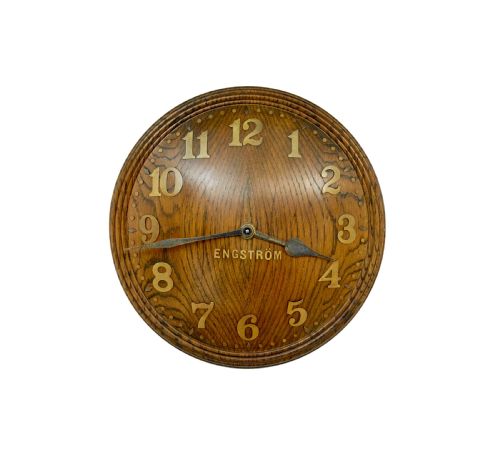


Antique Oak Horology
Antique oak horology encompasses timepieces housed in timber cases, offering solid construction and traditional movement mechanics valued by collectors.

Antique Oak Horology
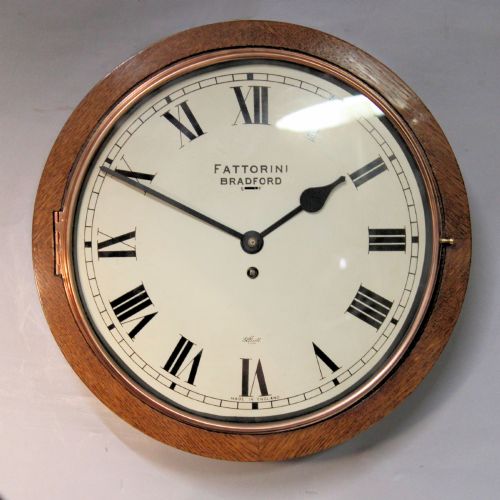
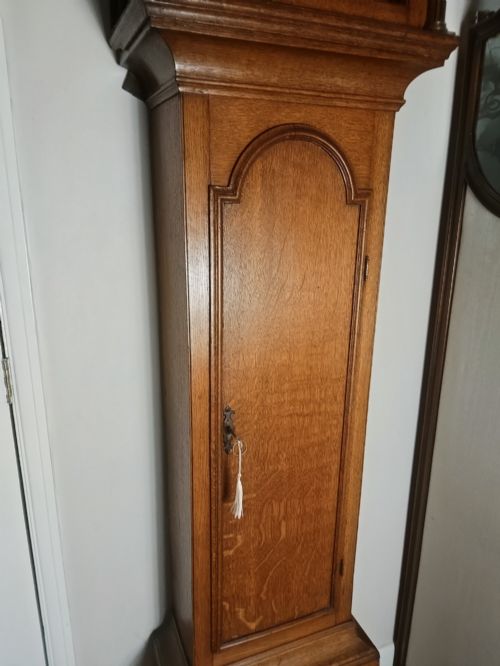
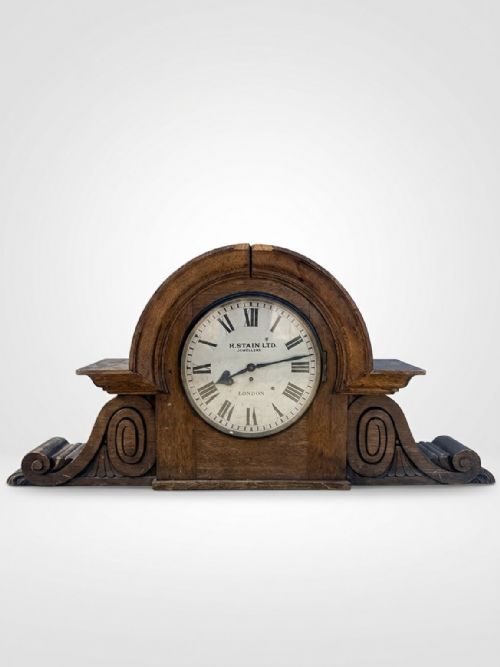
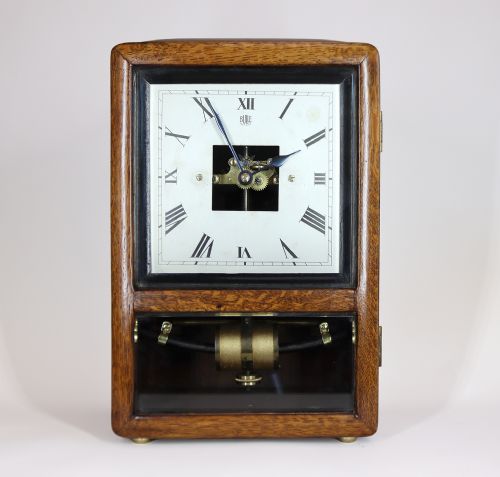
Antique oak horology comprises timepieces ranging from longcase grandfather clocks and wall dials to bracket clocks and small cabinets, spanning periods from the eighteenth century through the Victorian era and into the twentieth century. Buyers seeking antique oak horology frequently encounter tallcase grandfather clocks alongside wall-mounted and mantel varieties.
The objects originate from English, Scottish, and German makers, utilising timber alongside brass, glass, and iron components. Formats vary from thirty-hour movements to eight-day systems, incorporating specialised dials and specialised railway or watchmaker equipment.
Markers of Quality
Quality within antique oak horology depends upon the fidelity of the timber case and the sophistication of the internal movement. Superior examples display refined dial work, integrated date apertures, strike or silent options, and double fusee mechanisms.
The integration of named makers or regional horologists elevates pieces above anonymous workshop productions. Proportion, original case timber condition, and specialised escapement types further distinguish standard production from exceptional horological examples.
Listings feature periods spanning Georgian, Victorian, Edwardian, and the 1920s to 1930s, constructed primarily from oak with brass and iron elements.
Elliott·Engström By Zenith·Manoah Rhodes & Sons Ltd·Henry Deykin, Worcester·Richard Prew Of Tewksbury·Smith·David Craig Ford Path head·Payne & Co of London·J. Hummel Of Worcester
The Antique Oak Horology Glossary
- Longcase clock
- A tall freestanding timepiece housed in a wooden trunk, commonly known as a grandfather clock. These pieces use falling weights suspended by lines or chains to power the movement.
- Bracket clock
- A portable spring-driven clock originally designed to sit on a wall bracket. They frequently feature carrying handles and glazed side panels to reveal the internal mechanism.
- Fusee
- A conical pulley used in spring-driven clocks to maintain even power delivery as the mainspring unwinds. This mechanical device improves timekeeping accuracy across the duration of the wind.
- Escapement
- The mechanism that transforms rotational energy into impulses to maintain the pendulum swing or balance wheel oscillation. Lever and recoil formats represent common variations found in these movements.
Antique Oak Horology: Frequently Asked Questions
What is a longcase clock?
A longcase clock is a tall, weight-driven timepiece enclosed in a wooden case, typically standing directly on the floor. These pieces are often referred to as grandfather clocks and were produced across various centuries.
They accommodate long pendulums that offer stable timekeeping performance. The tall wooden trunk protects the weights and pendulum while providing a decorative furniture element for domestic spaces.
How do fusee movements work?
A fusee movement utilises a conical pulley connected to the mainspring via a cord or chain. As the spring unwinds and loses tension, the chain moves onto a wider section of the cone, balancing the force delivered to the gear train.
This mechanism ensures consistent power delivery throughout the running period of the clock. Such systems are typical in higher-grade bracket and mantel clocks.
What is a wall dial clock?
A wall dial clock is a timepiece designed to be hung securely on a wall, featuring a prominent circular dial face. These units were utilised in domestic, commercial, and railway settings.
They offer clear visibility from a distance and often employ robust lever escapements. The wooden cases keep the internal mechanism free from dust while remaining compact.
How do I identify the period?
Period identification relies upon examining the style of the oak case, the construction techniques, and the materials used on the dial face. Early pieces display different proportions and joinery compared to later Victorian or twentieth-century examples.
Inscribed maker names or specific movement designs also provide clues to the era of manufacture. Comparing stylistic markers helps narrow down the production window.