




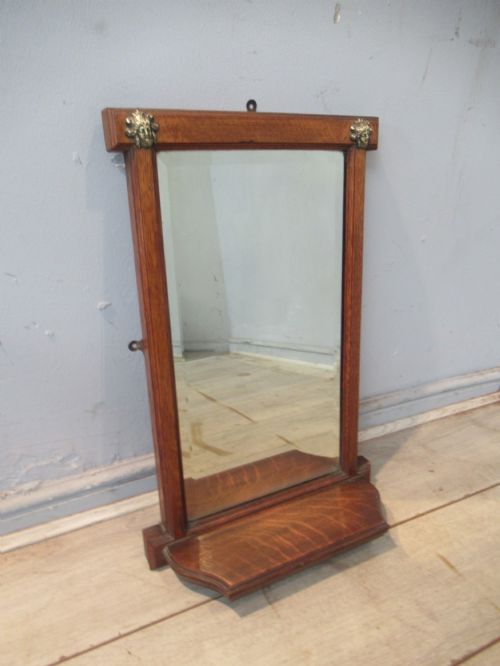

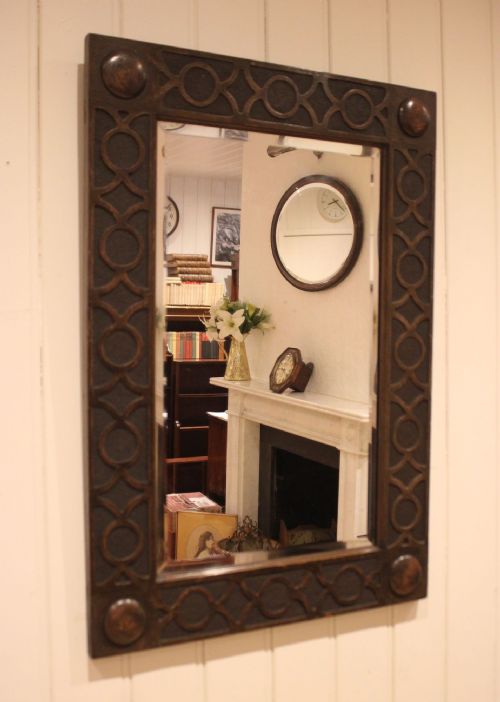


Antique Oak Hanging Mirror
An antique oak hanging mirror brings timber warmth and practical reflection to a hallway or bedroom, anchored in styles from Gothic revival to Arts and Crafts.
Antique Oak Hanging Mirror
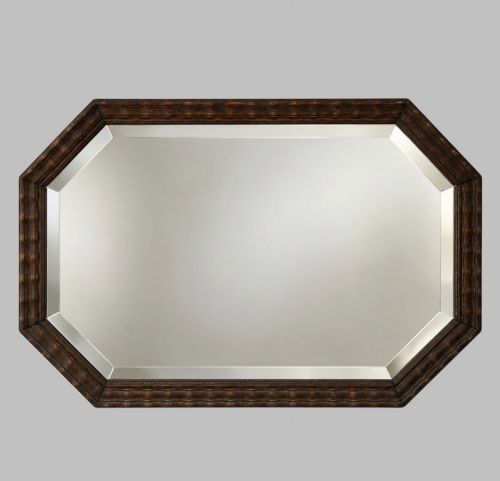
An antique oak hanging mirror combines sturdy hardwood framing with functional glass, taking forms from simple oval shapes to large carved wall mirrors with shelves and coat hooks. You will frequently encounter Edwardian and Victorian examples on this page, alongside pieces spanning the eighteenth century to the 1930s.
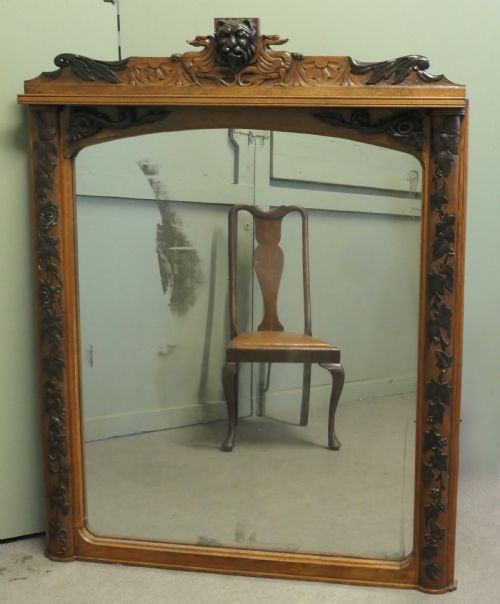
The selection ranges from plain domestic wall mirrors to elaborate revivalist designs, including Jacobean style dark oak pieces, Gothic interpretations, and French carved oak frames with side columns. Many serve dual purposes, functioning as cloakroom coat racks, key cabinet shelves, or bathroom shaving mirrors.
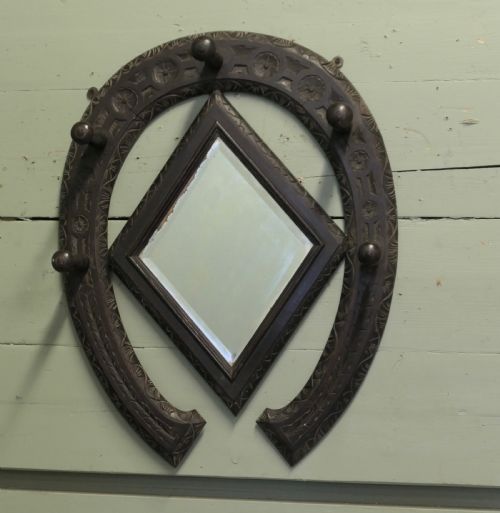
Makers and workshops of the nineteenth and early twentieth centuries applied diverse regional aesthetics, producing everything from fret cut bleached wall mirrors to massive cushion mirrors and horseshoe hall mirrors. These objects reflect the changing domestic interiors of their periods, utilising the dense grain of oak to create lasting wall furniture.
How they were made
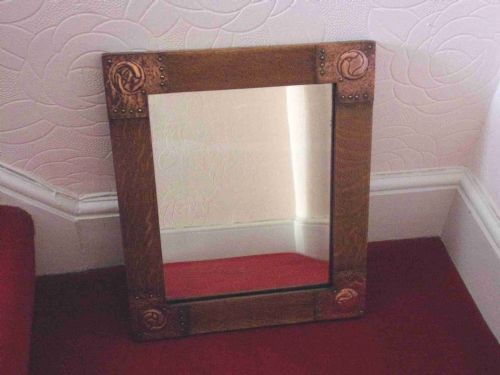
Joiners and cabinet makers constructed these frames primarily from solid oak, sometimes utilising scrubbed oak or dark finishes, and fitted them with bevelled or flat mirror glass. Metal elements such as brass and copper appear frequently, used for decorative corner brackets, coat hooks, or Celtic knot embellishments.
Surface decoration involved skilled carving, fret cutting, and occasionally gesso and gold leaf or reverse painted and etched glass details. Artisans incorporated architectural motifs like egg and dart mouldings, panels, and applied side columns into the timber frames.
Materials recorded across the inventory include oak, glass, brass, copper, gesso, gold leaf, and painted wood.
What varies in quality
The character of the glass and the secondary metals also influence the overall standard, with bevelled plates and hand-hammered copper decorations indicating greater artisan input. Preservation of the original surface finish, whether scrubbed, dark, or bleached, dictates the visual integrity of the frame.
Waring and Gillow
The Antique Oak Hanging Mirror Glossary
- Bevelled glass
- Glass with an angled edge ground and polished to a thinner width around the perimeter. This catches the light and adds depth to the reflection.
- Gesso
- A plaster-like mixture applied to wood surfaces and carved or moulded before gilding. It provides a smooth base for gold leaf applications.
- Fret cut
- Wood pierced and shaped with a fine saw to create openwork patterns and geometric designs. It lightens the visual weight of heavy timber frames.
- Cushion mirror
- A frame characterised by a broad, outward-curving profile resembling a soft cushion. This style adds pronounced architectural volume to the wall.
- Egg and dart
- An ornamental moulding pattern alternating oval shapes with pointed arrowheads. It frequently decorates the classical borders of nineteenth-century frames.
Antique Oak Hanging Mirror: Frequently Asked Questions
How do I hang a heavy oak mirror?
Ensure your wall fixings match the weight of the timber and use robust brackets screwed directly into wall studs or masonry.
Heavy frames require professional picture wire or heavy-duty D-rings secured firmly to the back of the oak structure to prevent slipping.
What periods do these mirrors cover?
The pieces span from the eighteenth century through the Victorian and Edwardian eras up to the Art Deco period of the 1930s.
Revival styles from the nineteenth century often draw inspiration from earlier Jacobean, Gothic, and Renaissance aesthetics.
Are all these mirrors made of solid oak?
Most frames feature solid oak construction, sometimes complemented by applied decorative elements in gesso, brass, or copper.
Variations in timber treatment include dark polished finishes, scrubbed oak surfaces, and bleached wood tones.
How should I clean an antique oak frame?
Dust the timber regularly with a dry, soft cloth and apply a quality beeswax sparingly to nourish the antique wood.
Avoid using modern liquid polishes or harsh chemical sprays that can strip the historic finish or damage the mirror silvering.