




Antique Oak Hallstand
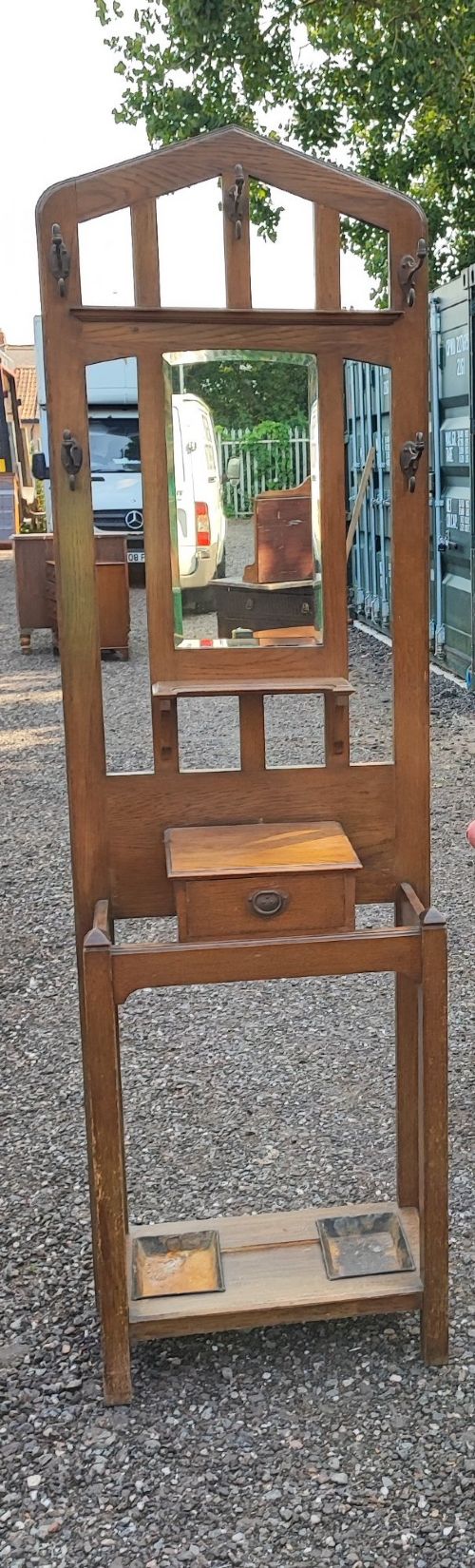
An antique oak hallstand is a substantial entranceway piece built for hats, coats, and umbrellas, offering period character and practical organisation.
Antique Oak Hallstand
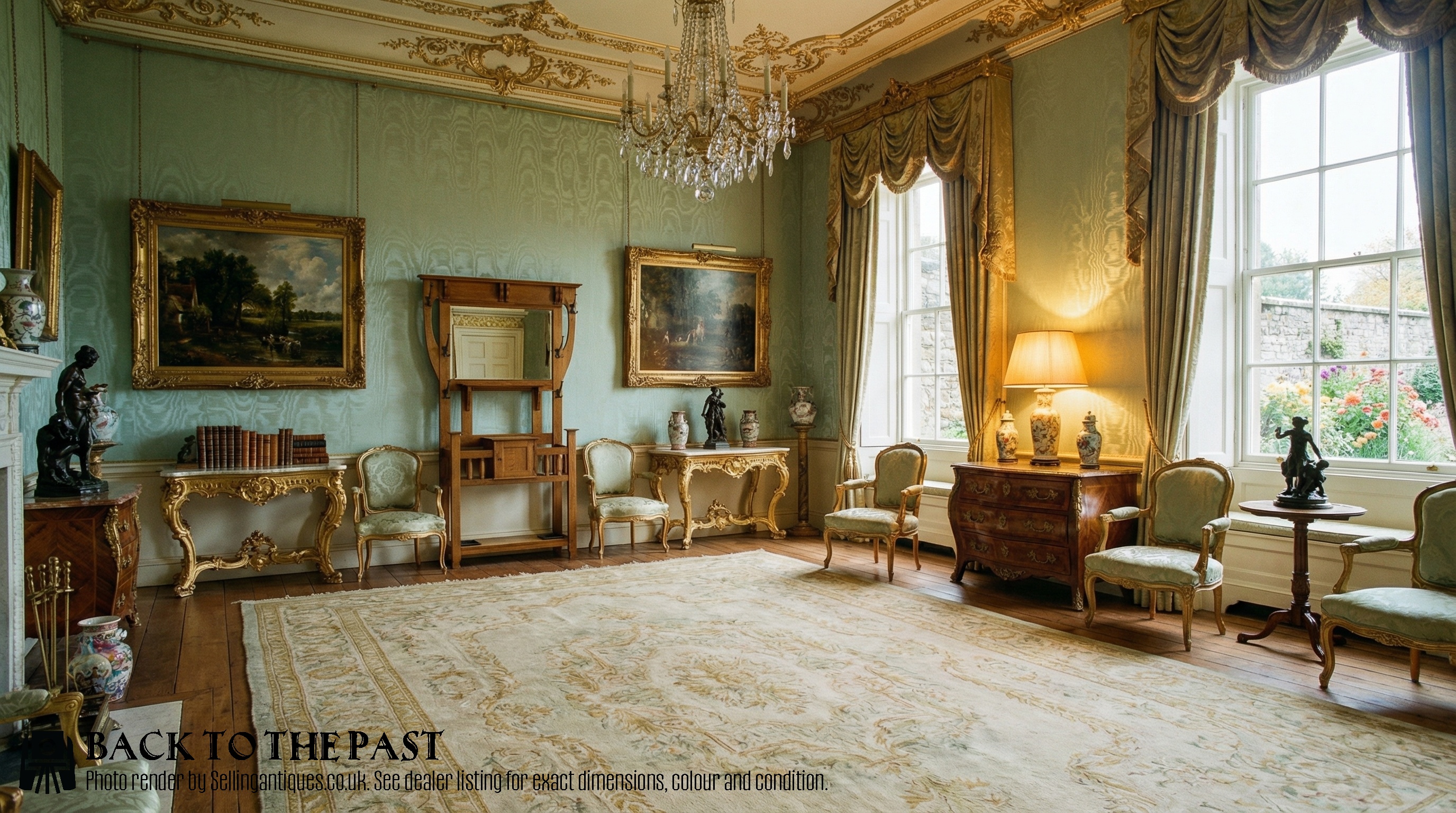
An antique oak hallstand serves as the primary storage and decorative fixture for the entrance hall, combining mirrors, coat hooks, and stick stands into a single heavy timber unit. The pieces found here span from the robust proportions of the nineteenth century through the clean lines of the Edwardian era.
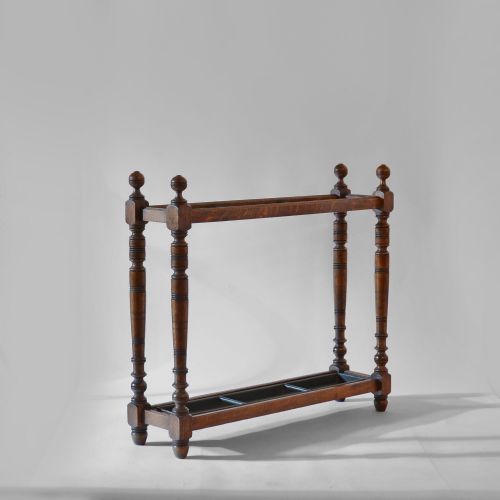
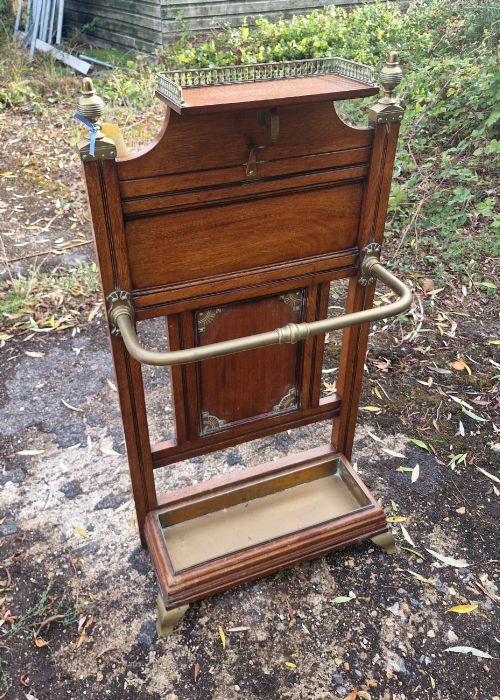
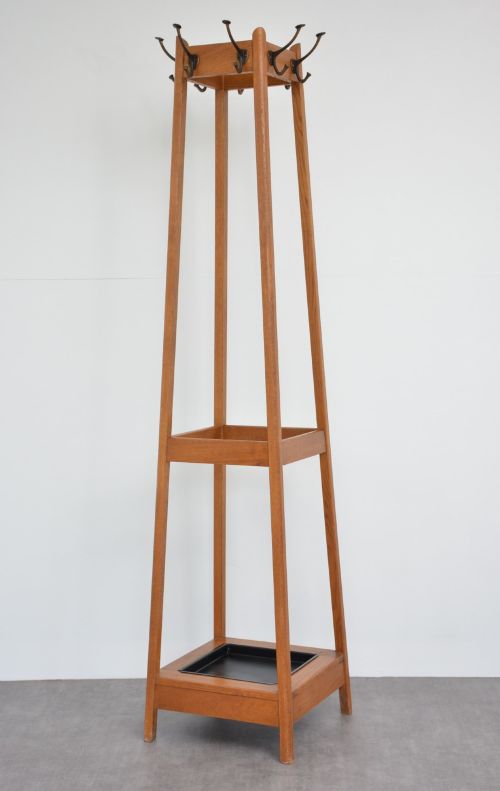
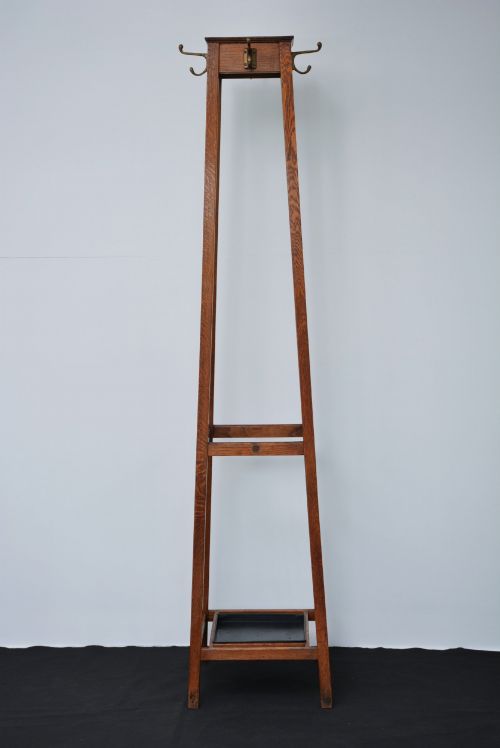
Victorian examples often display deep carving, central mirrors, and integrated umbrella wells with zinc or metal drip trays, whilst later Edwardian and Arts and Crafts versions favour simpler geometric construction in light oak. Variations include narrow formats for compact corridors, revolving designs, and pieces incorporating bench seats or marble shelves.
Materials and Construction Methods
These pieces rely on solid oak frameworks, frequently joined with traditional mortise and tenon techniques to support the heavy loads of winter coats and walking canes. Metal elements appear in the cast brass or iron coat hooks and the protective drip trays inserted beneath umbrella holders.
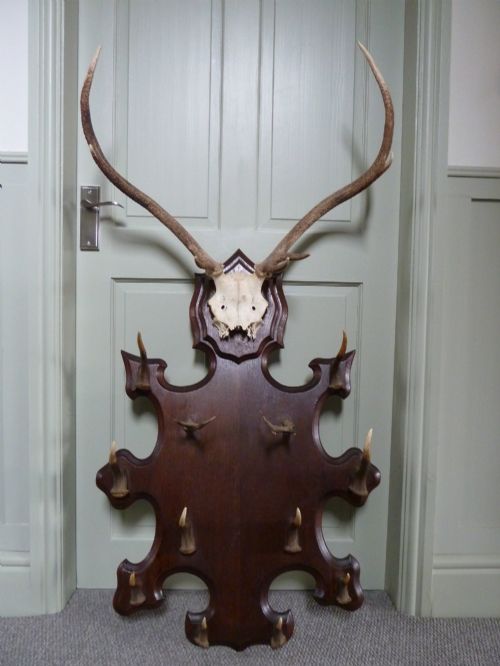
Decorative detailing is achieved through relief carving, particularly on Victorian and Gothic Revival items which often feature foliate motifs or Greenman masks. Selected examples incorporate bevelled mirror glass, marble inserts, or natural materials such as stag horn for the coat hooks.
The inventory records pieces spanning from the nineteenth century through the Edwardian period and into the mid-twentieth century.
Evaluating Craftsmanship and Detail
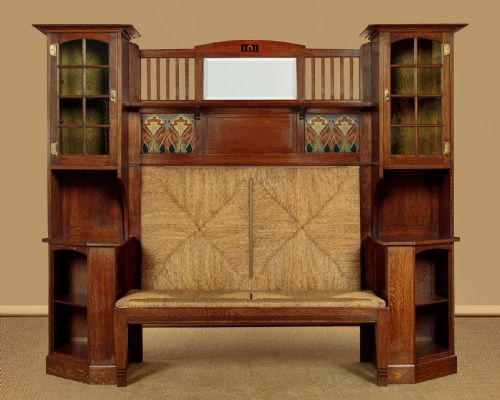
The integrity of the subsidiary components also dictates standing, particularly the presence of original cast brass hooks, sound mirror glass, and intact metal drip trays. Finer examples maintain a cohesive stylistic vocabulary, whether following the restrained principles of the Arts and Crafts movement or the ornate tendencies of the Gothic Revival.
James Shoolbred·Charles Shoolbred and Co
The Antique Oak Hallstand Glossary
- Drip tray
- A removable metal or zinc liner placed at the base of an umbrella stand to catch moisture from wet sticks. This protects the lower oak framework from water damage.
- Greenman
- A sculptural architectural motif depicting a human face emerging from or entwined with foliage. It appears frequently on carved Victorian and Gothic hallstands.
- Arts and Crafts
- A design movement prioritising simple forms, visible construction, and the honest treatment of materials. Pieces from this tradition often utilise light oak with minimal applied ornament.
- Gothic Revival
- An architectural and decorative style drawing inspiration from medieval forms. Characteristic details include pointed arches, heavy mouldings, and traceried panels.
Antique Oak Hallstand: Frequently Asked Questions
How do I maintain an oak hallstand?
Keep the timber nourished with a traditional beeswax polish applied sparingly with a soft cloth. Avoid placing the piece in direct sunlight or near radiators to prevent the oak from splitting.
Check that the metal drip trays are kept clean and dry to protect the surrounding timber from corrosion and moisture rings.
Can these fit in a narrow hallway?
Many period versions are specifically built with shallow depths, designed precisely for Victorian and Edwardian terraced houses and town corridors. Look for narrow formats that dispense with integrated seating while retaining essential coat hooks and stick wells.
Measuring the clearance of your entranceway against the overall width and mirror frame projection ensures the piece sits comfortably without obstructing movement.
What is the purpose of the stag horn?
Natural stag horn was occasionally utilised by Victorian cabinetmakers as a robust, tactile material for coat and hat hooks. These organic elements provide a distinct country house aesthetic.
They offer exceptional strength for hanging heavy outerwear while contributing a contrasting texture to the dark carved oak panels.
How do I date a hallstand?
Dating relies upon examining the overall style, timber selection, and hardware construction. Heavy carved ornament and dark finishes typically point to Victorian or Gothic Revival periods, whilst lighter quarter-sawn oak and simpler joinery suggest an Edwardian or Arts and Crafts origin.
Additionally, the backing boards, screw types, and mirror bevelling offer reliable clues to the era of manufacture.