

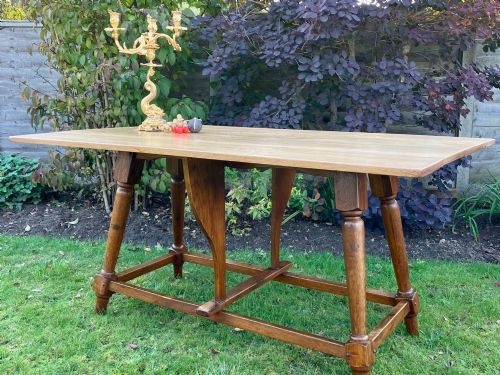
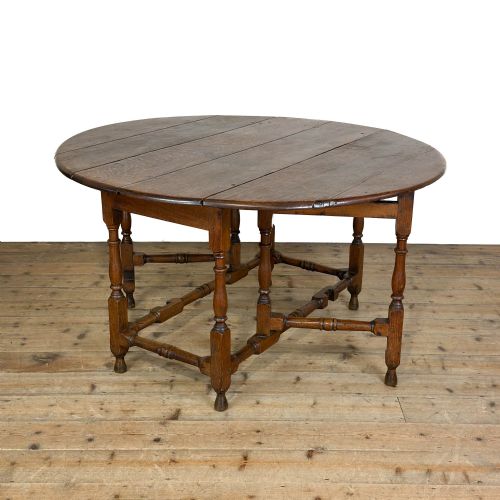
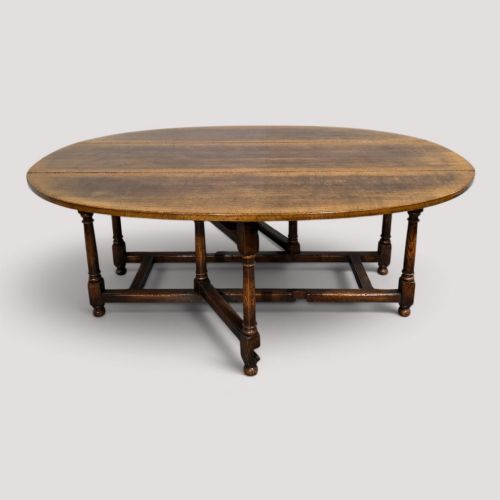
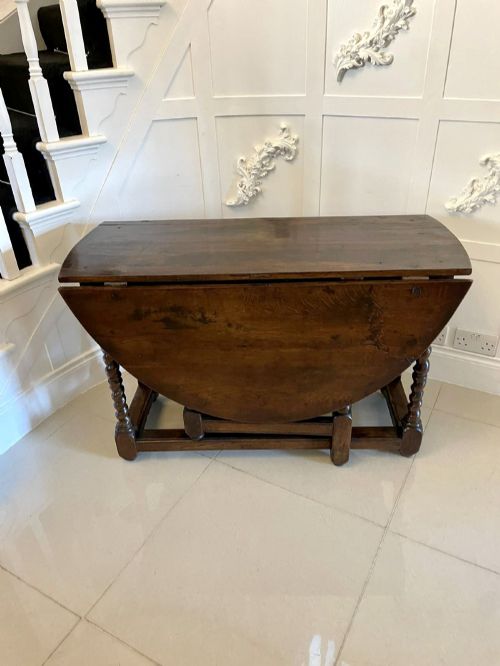
Antique Oak Gateleg
An antique oak gateleg offers clever folding leaves supported by swinging legs, creating a versatile dining table that expands when needed and tucks away tight.
Antique Oak Gateleg
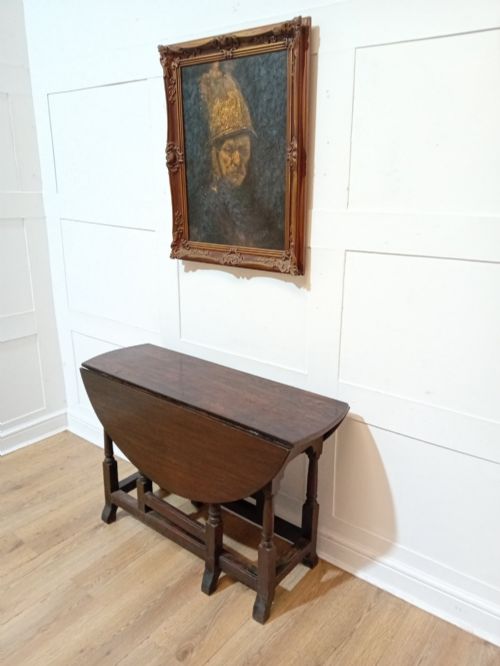
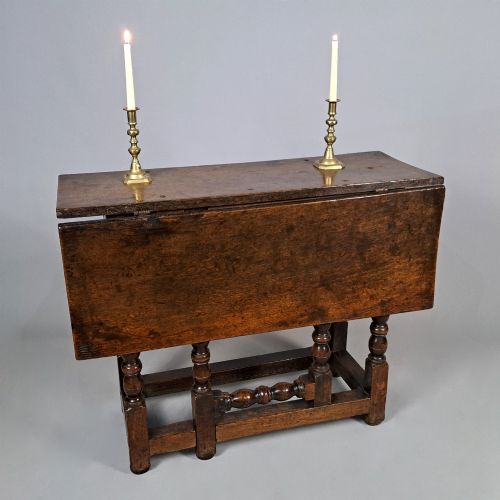
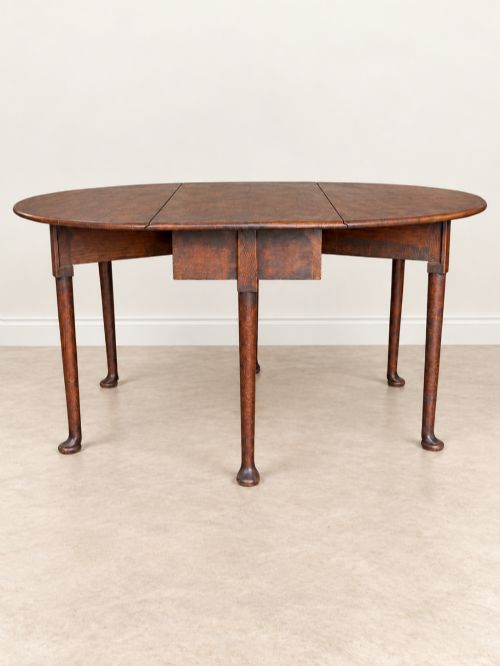
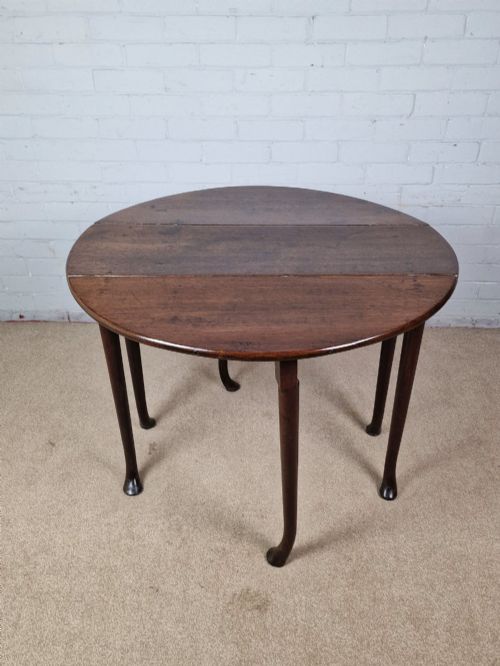
An antique oak gateleg table provides a sturdy timber surface with drop leaves held up by pivoting gate legs, designed to save space in domestic interiors. The selections span from seventeenth-century originals with deep historical character to twentieth-century revivals inspired by earlier craftsmanship.
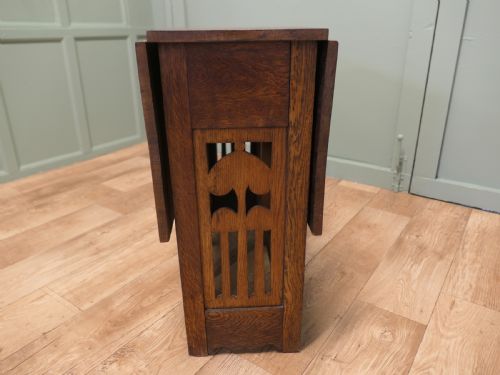
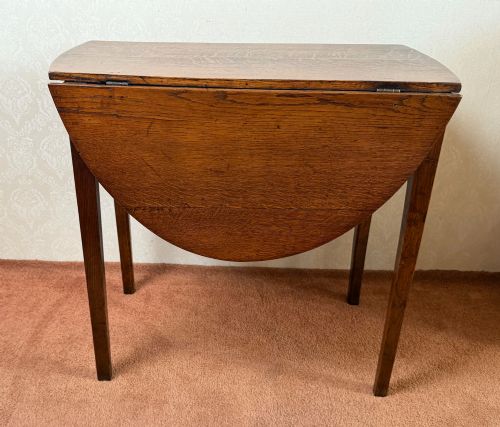
Buyers encounter everything from compact side tables and occasional pieces to large dining tables intended to seat six or more guests. The primary forms function as practical dining or drop-leaf tables across seventeenth-century, eighteenth-century, and later revival periods.
Originating largely from English country workshops, these tables utilise native hardwoods and honest joinery. The surviving examples reflect shifting domestic needs across centuries, maintaining a utilitarian purpose through changing British interior fashions.
Materials and construction
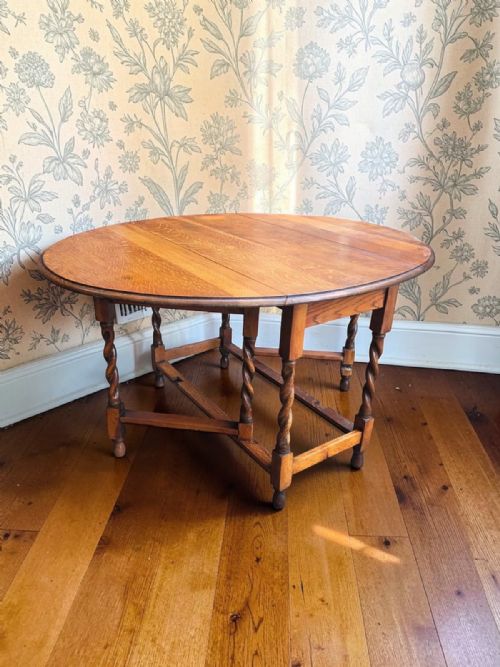
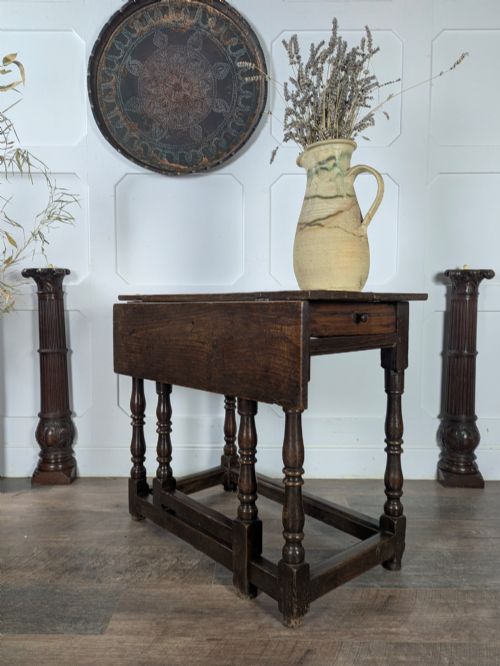
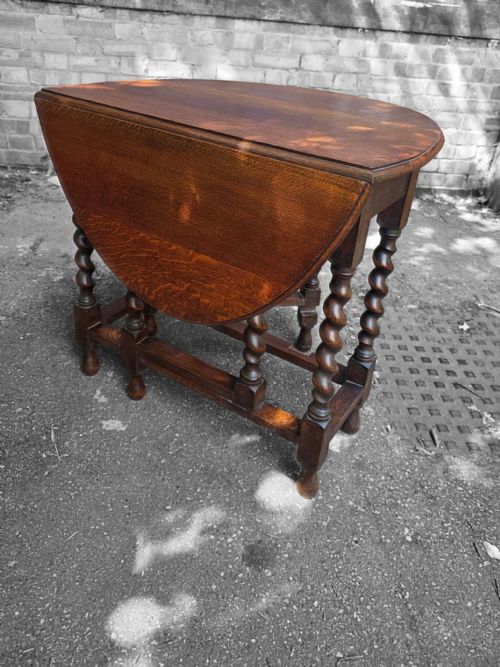
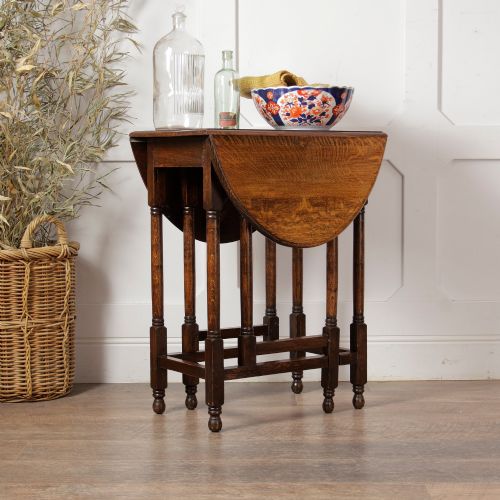
The primary material is solid oak, frequently paired with secondary woods like ash or fruitwood for internal framing and gate supports. Carpenters shaped the structural posts using hand tools, producing distinctive turnings such as bobbin, barley twist, and baluster profiles.
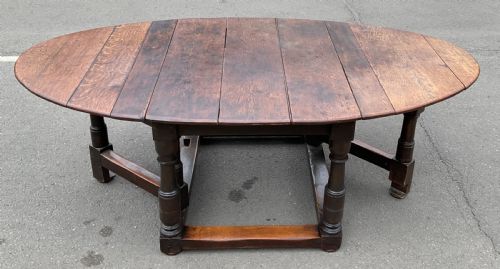
Traditional hinge mechanisms and wooden pivot pegs allow the swinging legs to support the drop leaves without modern metal brackets. Planks are joined edge-to-edge to form the tabletops, displaying natural grain patterns that deepen in tone over centuries.
Antique Oak Gateleg Retail Price Guide 2026
Typical asking prices for oak gateleg among the pieces listed under this phrase on Sellingantiques today, from the lower quarter to the upper quarter. They describe what is for sale here now, not the wider market.
Some seventeenth-century makers ingeniously hid small compartments inside box tables, giving owners a secret spot for valuables.
Evaluating craftsmanship
Quality rests upon the crispness of the turned leg details and the robustness of the frame joints that bear the weight of the folding leaves. Tables retaining their original hinges, authentic surface patination, and uncompromised timber thickness achieve higher regard.
Proportion and scale distinguish everyday utility pieces from finer examples, particularly where small proportions combine with untouched sixteenth- or seventeenth-century surfaces. The integration of solid oak structural elements without excessive later timber replacement dictates the standing of each piece.
The Antique Oak Gateleg Glossary
- Gateleg table
- A drop-leaf table where one or more legs swing outward on a hinged gate framework to support the raised leaves.
- Barley twist
- A spiral turning carved into table legs and supports, popular during the seventeenth century and revived in later eras.
- Bobbin turning
- A series of rounded spherical shapes carved along the length of a wooden leg, resembling a string of beads.
- Patina
- The deep surface sheen and warm colour developed by aged timber through decades of handling, polishing, and exposure to light.
- Drop-leaf table
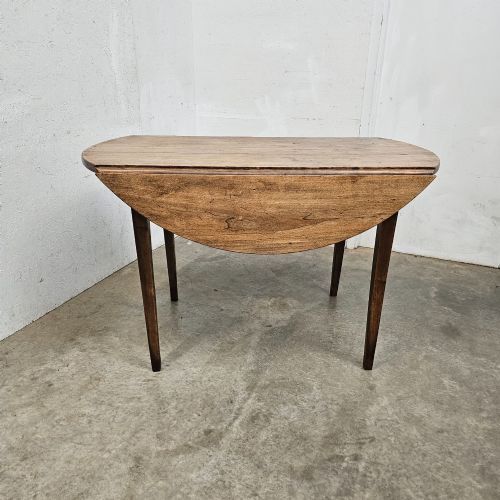
- A table featuring a fixed central section and hinged flaps on either side that lower when not in use.
Antique Oak Gateleg: Frequently Asked Questions
How do I use a gateleg table daily?
Keep the leaves dropped against the wall as a narrow side table, then swing the gate supports outward to expand the surface when you need space for dining.
The sturdy pivoting legs lock firmly into position under the timber flaps to bear daily weight safely.
How do I tell a seventeenth-century table from a later revival?
Examine the construction marks, timber shrinkage, and hand-tooled joinery methods beneath the frame. Seventeenth-century pieces typically show pegged mortise and tenon joints with distinct hand- sawn plank variations.
Twentieth-century revival pieces often display uniform machine finishing and standardised modern hardware adjustments.
Will an antique oak gateleg fit in a small room?
These tables excel in compact spaces because their folding leaves allow you to alter their footprint instantly. With both leaves dropped down, the central section occupies minimal floor space.
You simply lift one or both leaves and swing the gate legs out only when extra surface area is required.
What woods are typically found in these tables?
Solid oak forms the primary structural carcass and tabletops across almost every example. Makers occasionally incorporated secondary British timbers such as ash or fruitwood for specific turned components and internal framing.
These native hardwoods provide the dense weight and structural integrity required for the swinging leg mechanism.