

Antique Oak Frieze
An antique oak frieze delivers distinct historic timber character to an interior through carved architectural ornament.
Antique Oak Frieze
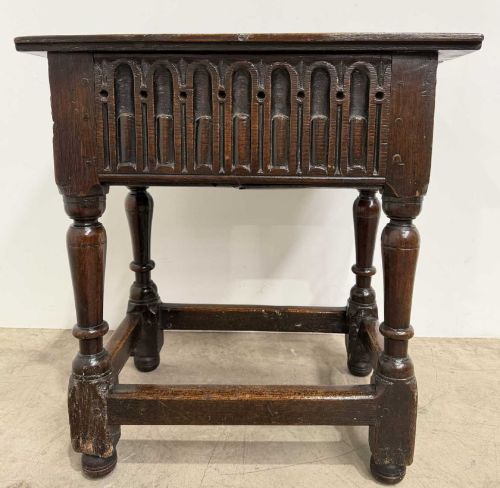
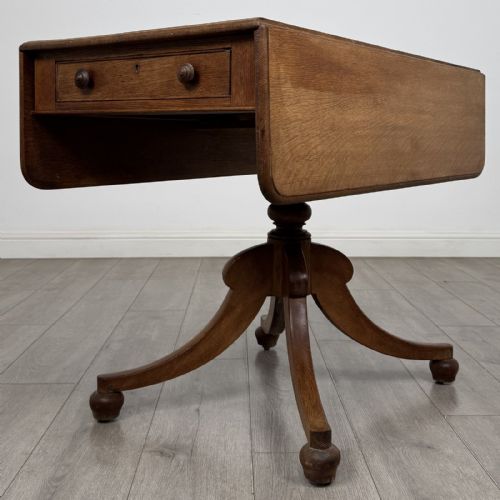
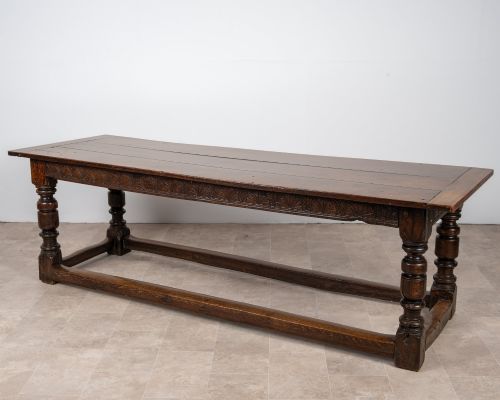
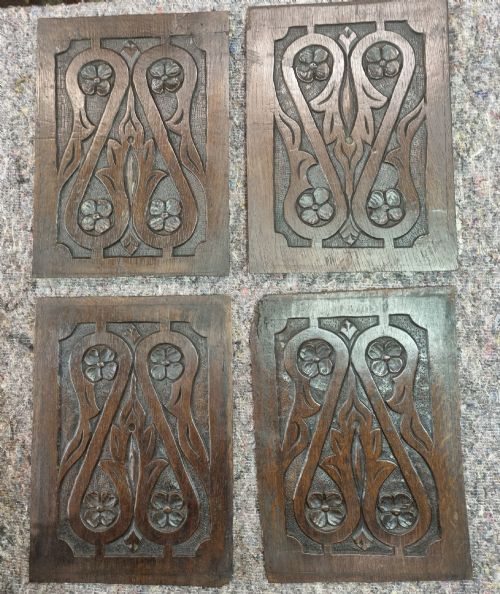
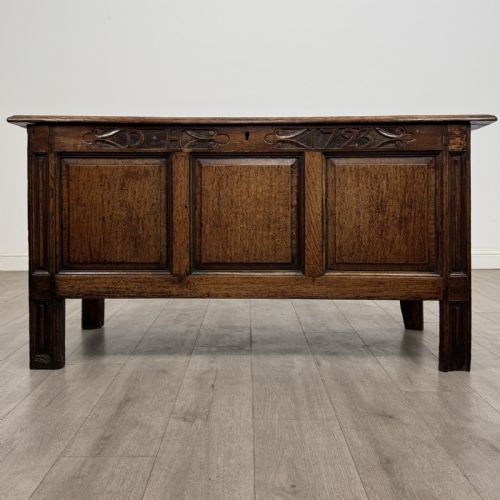
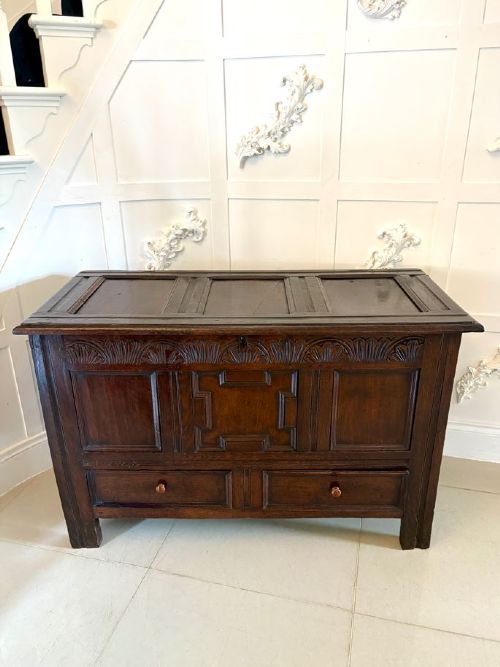
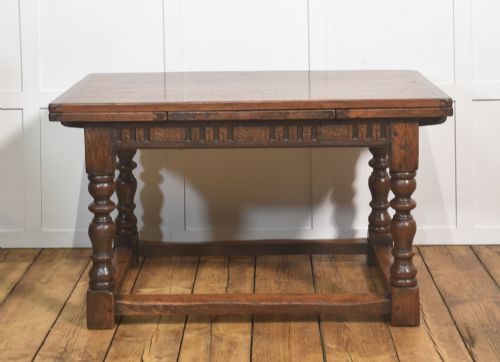
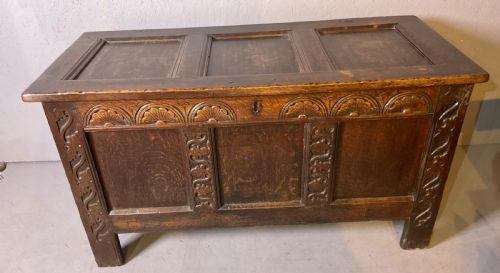
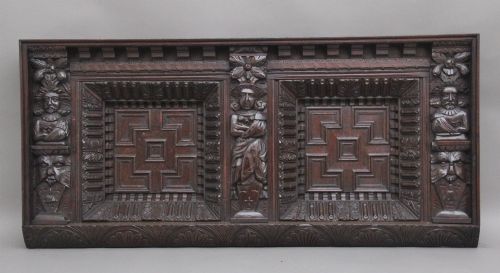
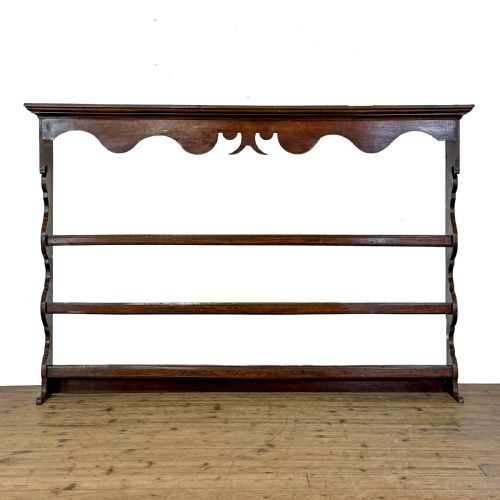
When you search for an antique oak frieze, you encounter architectural elements, panels, and furniture components integrated into pieces like blanket boxes, coffers, overmantles, and tables. These items span from the seventeenth century through to later revival periods, bringing centuries of woodworking tradition directly into modern spaces.
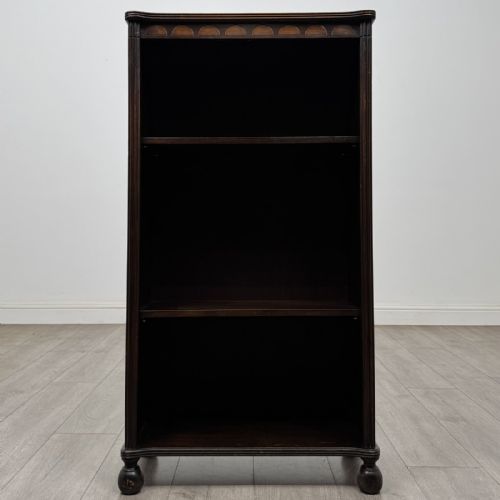
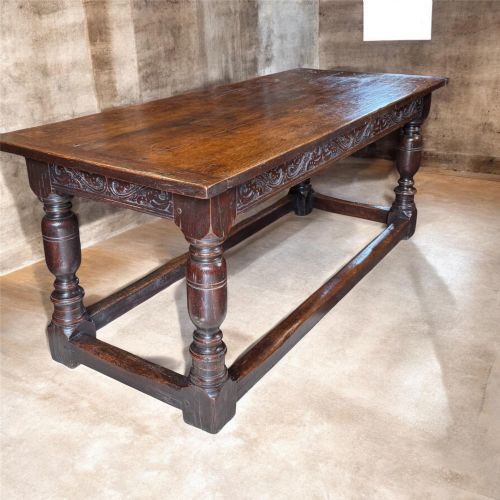
The most common forms on this page involve structural woodwork and decorative panels featuring lunettes and carved motifs. Pieces range from seventeenth-century chests and overdoor panels to Edwardian bookcases and twentieth-century dining tables exhibiting strong Jacobean revival characteristics.
Materials and construction
Makers utilised solid oak and timber alongside supplementary metals such as iron and brass for hinges, fittings, and drawer pulls. The primary medium remains heavy domestic oak, chosen for durability and its capacity to accept crisp, deep hand-carving.
Joinery techniques rely on traditional pegged framing, mortise and tenon joints, and hand-carved surface decoration. Panels and friezes were shaped using hand chisels and gouges, resulting in varied tool marks that reflect historical workshop practices.
Antique Oak Frieze Retail Price Guide 2026
Typical asking prices for oak frieze among the pieces listed under this phrase on Sellingantiques today, from the lower quarter to the upper quarter. They describe what is for sale here now, not the wider market.
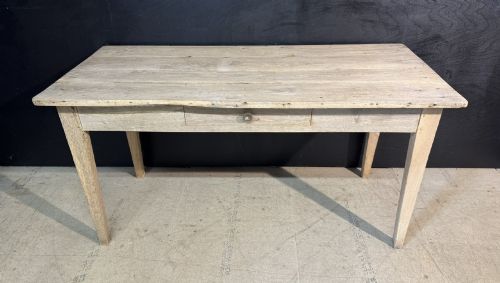
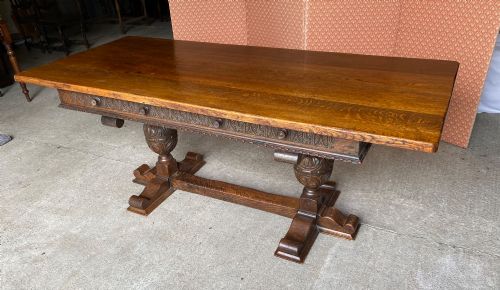
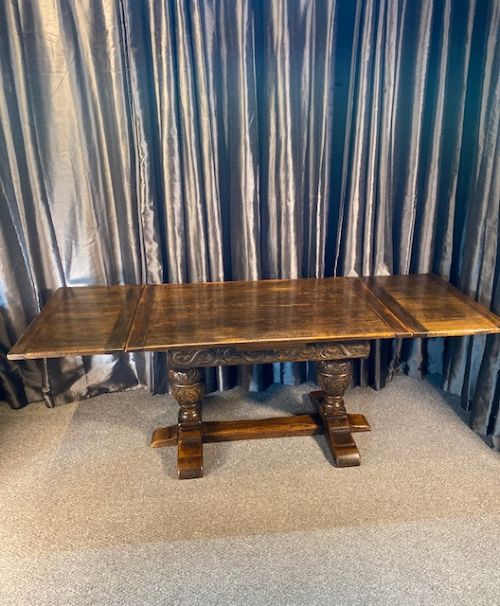
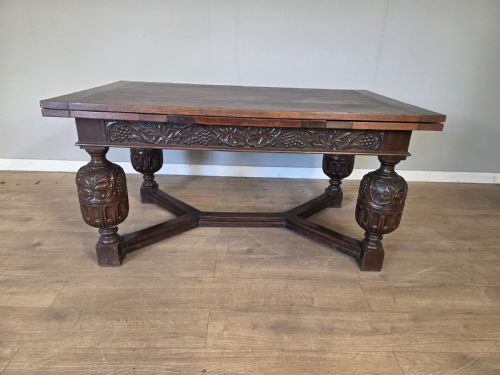
Current listings feature solid oak and timber items spanning from the sixteenth to the twentieth century, including architectural salvage and Jacobean revival dining tables.
Judging the quality
Quality rests in the crispness and depth of the hand-carved detail across the frieze or panel. Superior examples display confident, sharp execution without the softness or mechanical uniformity associated with later mass production.
The integrity of the timber and the honesty of the construction determine the standing of a piece. Original surfaces, minimal structural alteration, and genuine period patination elevate items far above heavily restored or assembled equivalents.
Edward Pearce·Ercol
The Antique Oak Frieze Glossary
- Frieze
- The broad horizontal band of a decoration, architectural order, or furniture piece, often carved with repeating motifs. In these listings, it frequently appears on coffers, tables, and cabinets.
- Cofer
- A traditional wooden chest used for storage, typically constructed from solid oak with panelled walls and heavy lids. Early examples often incorporate detailed friezes across the upper rail.
- Jacobean Revival
- A nineteenth and twentieth-century style imitating the ornate, solid woodwork of the early seventeenth century. Pieces in this manner use dark oak, heavy proportions, and geometric carved panels.
- Refectory Table
- A long dining table traditionally used in monasteries and great halls, constructed from sturdy timber. Surviving examples often feature carved friezes beneath the main top edge.
Antique Oak Frieze: Frequently Asked Questions
What is an antique oak frieze?
An antique oak frieze is a carved wooden horizontal band found on historic furniture, wall panels, and architectural salvage. These elements provide decorative relief and structural definition to pieces originating from the seventeenth century onward.
They appear frequently on storage chests, dining tables, and bookcases, reflecting shifting aesthetic movements across British and European cabinetmaking traditions.
How do I date an oak frieze?
Dating relies on examining tool marks, joint construction, timber shrinkage, and the specific style of the carving. Seventeenth-century work typically shows hand-riven timber and peg joinery, while later revival pieces from the twentieth century exhibit different saw patterns.
Comparing the decorative motifs against documented periods helps establish whether a frieze is contemporary with its main piece or a later addition.
How should I care for historic oak?
Historic oak requires stable indoor humidity and protection from direct heat sources to prevent the timber from splitting or warping. Dusting with a dry, soft cloth preserves the natural wax finish and historical patination built up over centuries.
Avoid modern silicone polishes, as they can penetrate the porous grain and alter the surface appearance permanently.