


Antique Oak Fireplace
An antique oak fireplace brings warmth and architectural weight to a room through centuries of timber craftsmanship.
Antique Oak Fireplace
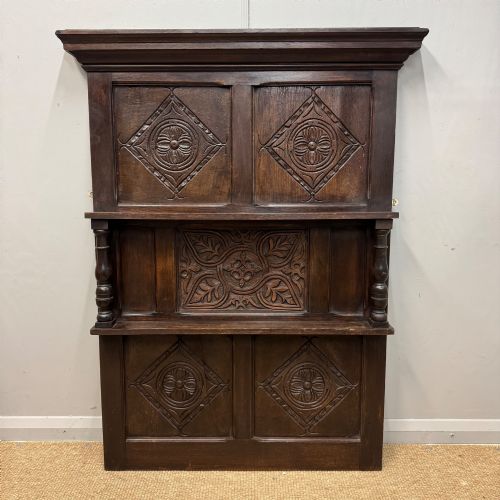
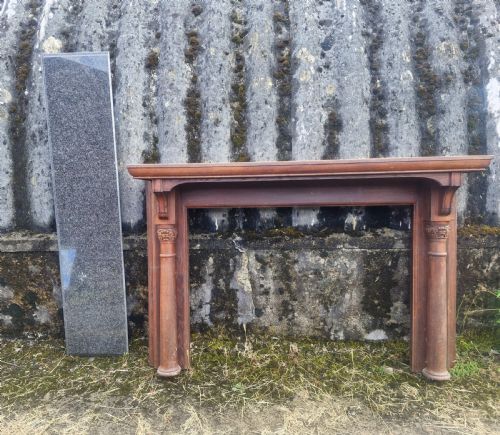
When you search for an antique oak fireplace, you encounter a varied collection of architectural surrounds, chimneypieces, and hearth furniture designed to anchor a room. The items span the seventeenth, eighteenth, and nineteenth centuries, alongside Edwardian and Arts and Crafts examples.
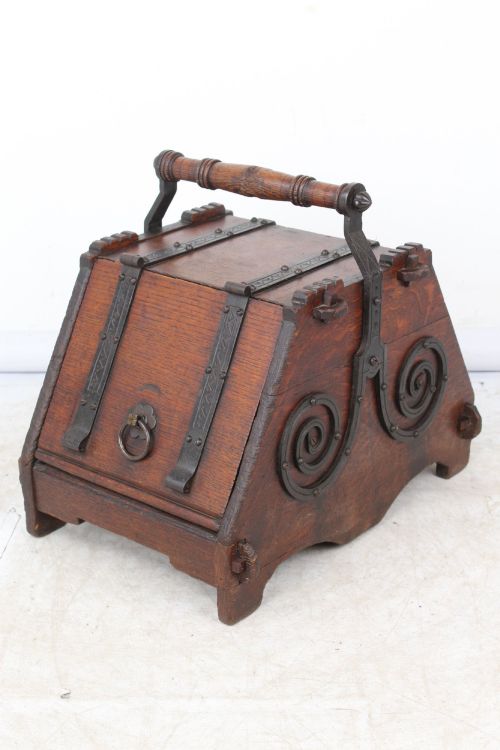
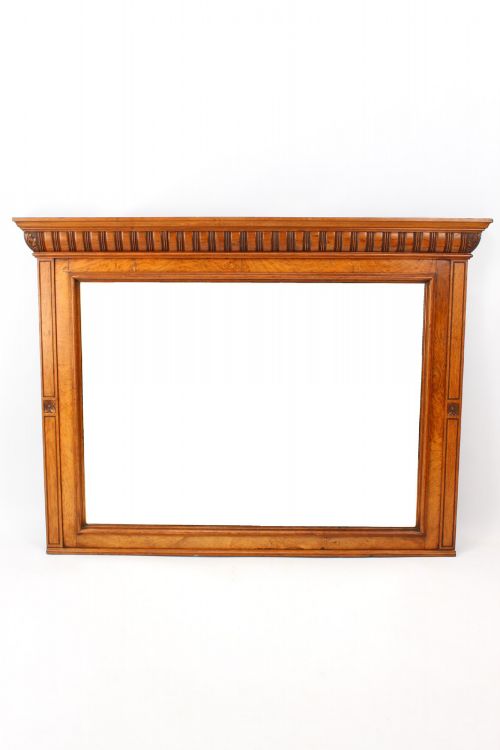
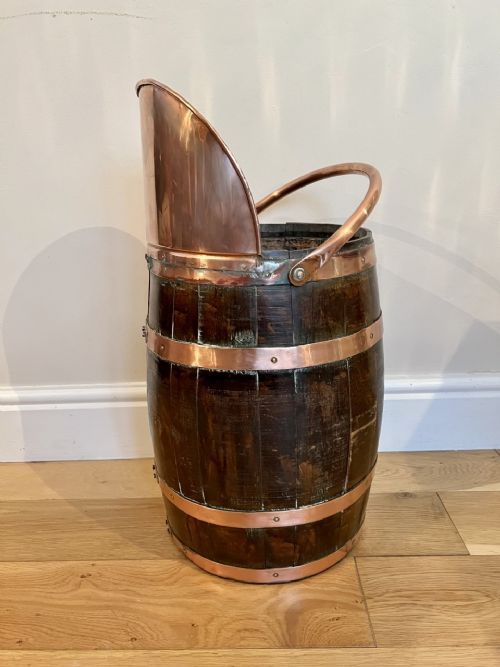
Surrounds and mantelpieces share space on this page with fireside accessories, including overmantel mirrors, coal scuttles, foot warmers, and club fenders. The seventeenth and eighteenth centuries provide panelled framing, while Victorian and Edwardian periods contribute carved overmantels and copper-bound coal boxes.
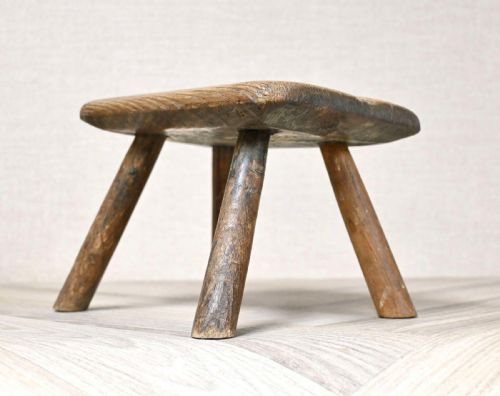
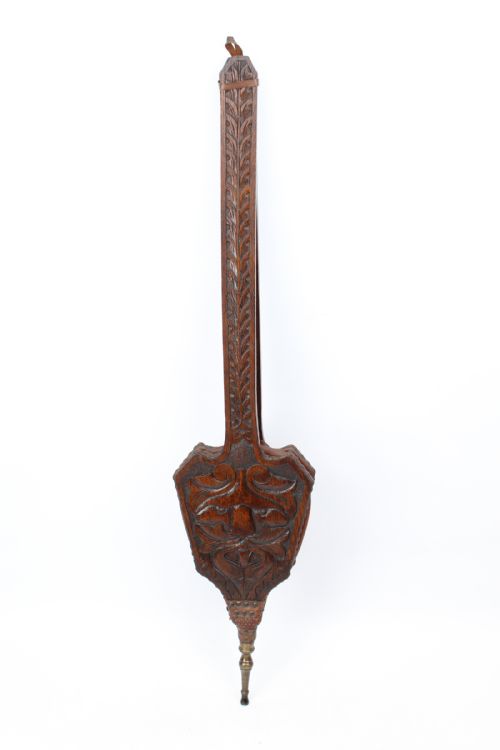
Country house pieces sit alongside urban Gothic Revival designs, offering distinct regional interpretations of domestic hearth furniture. Buyers meet everything from large timber mantelpieces to smaller fireside stools and bellows.
Materials and Construction
Makers utilised solid oak, often combining heartwood and quarter-sawn timber to achieve stability and strong figuring in large architectural surrounds and smaller accessories alike. Secondary metals such as brass, copper, wrought iron, and cast iron appear frequently in hinges, coal liners, fire backs, and fender mounts.
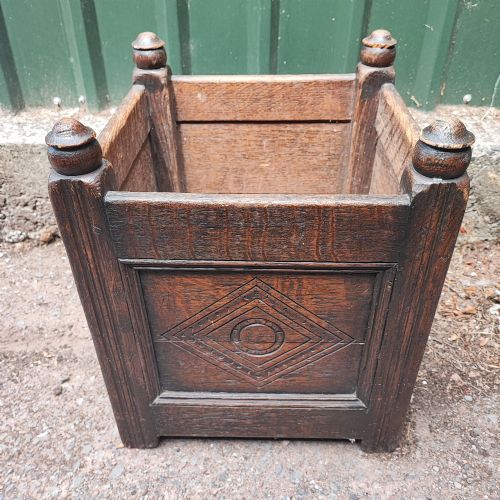
Traditional joinery methods dictate the construction, relying on pegged mortise and tenon joints for structural frames and cooperage techniques for buckets and log bins. Hand-carving, chip carving, and embossed brass enrichment provide surface texture, while secondary materials like leather, glass, and textile panels appear on bellows, fire screens, and mirrors.
Listings feature oak fireplace accessories spanning the seventeenth century through the Edwardian era, incorporating brass, copper, and wrought iron.
Judging Quality and Execution
Quality rests upon the depth and crispness of the hand-carving, the structural integrity of the timber, and the retention of original hardware such as brass handles and liners. Pieces displaying deliberate architectural proportion or documented regional traits, such as Frisian chip carving or Scottish cooperage, demonstrate superior craftsmanship.
The integration of mixed media, including embossed brass coats of arms, leaded glass, or hand-tooled leather, distinguishes finer decorative accessories from standard utility items. Surface patination, developed through decades of wax polishing and hearth use, further elevates the visual merit of the wood.
Christopher Dresser·Liberty & Co
The Antique Oak Fireplace Glossary
- Club fender
- A low upholstered seat placed around the hearth, combining iron or brass frames with leather or fabric pads. It provides seating directly adjacent to the fire.
- Overmantel mirror
- A large looking glass designed to hang directly above a mantelpiece, often framed in carved oak with architectural mouldings.
- Purdonium
- A specialised coal box featuring a sloping front door and an internal metal liner, popular during the Victorian and Edwardian periods.
- Coopered
- Built from vertical wooden staves bound with metal hoops, a technique traditionally used for casks and applied to antique coal buckets and peat bins.
- Foot stove
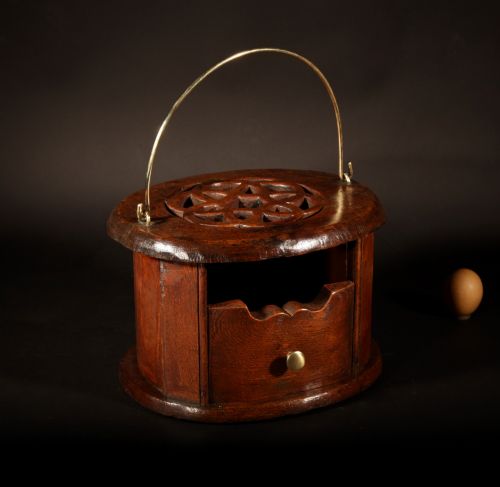
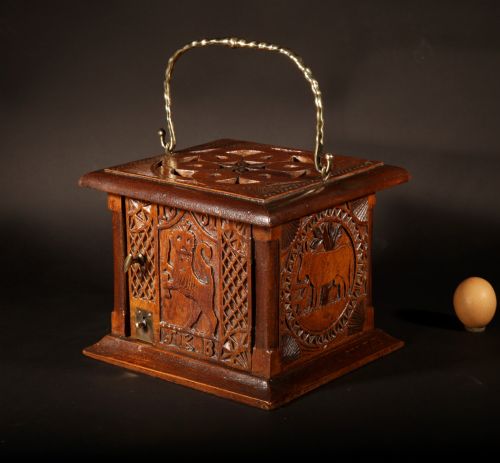
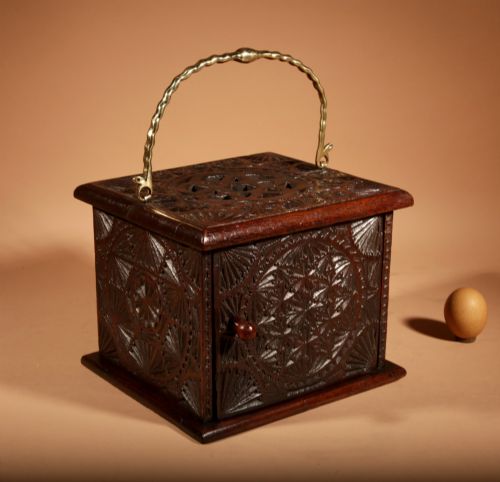
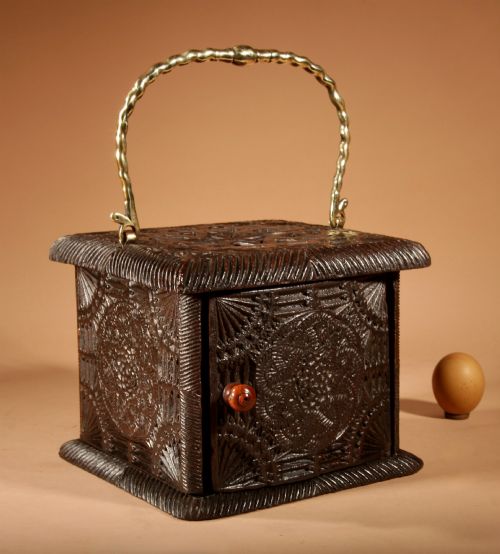
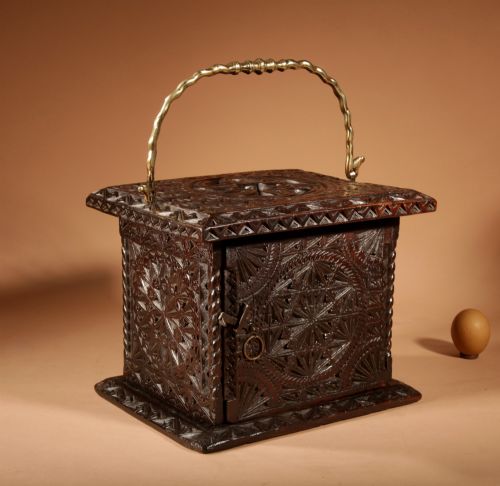
- A small perforated wooden box containing a hot ember container, used in past centuries to keep feet warm in unheated rooms.
Antique Oak Fireplace: Frequently Asked Questions
What is a club fender?
A club fender is a hearthside seat built with an iron or brass framework and upholstered top rails. It allows people to sit close to the warmth of the fire.
These pieces typically feature adjustable widths and leather or fabric upholstery, serving as both furniture and physical protection from the open flame.
How do I date an oak fireplace surround?
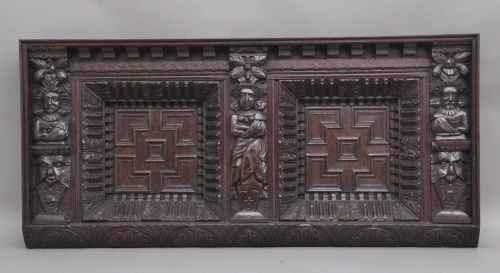
Dating relies on examining the architectural style, tool marks, and construction methods used in the timber. Seventeenth-century examples often display heavy geometric panelling, while Victorian pieces lean towards Gothic Revival or heavy carving.
Secondary materials like brass, copper, and cast iron also provide chronological clues that align with specific design movements.
Were oak fire surrounds painted originally?
Most antique oak fireplace surrounds were finished with wax, oil, or French polish to highlight the natural grain of the timber. However, certain vernacular pieces and specific items like foot stoves received painted highlights or chip carving.
Subsequent generations sometimes applied paint coats that dealers and collectors later stripped away to reveal the raw oak beneath.
How do I maintain antique oak near a hearth?
Maintaining antique oak requires regular application of a quality beeswax to nourish the dry wood and protect the surface patination. Keeping the timber away from extreme direct heat fluctuations prevents warping and splitting.
Metal components such as brass liners and iron grates should be kept dry and cleaned gently without harsh chemical abrasives.