




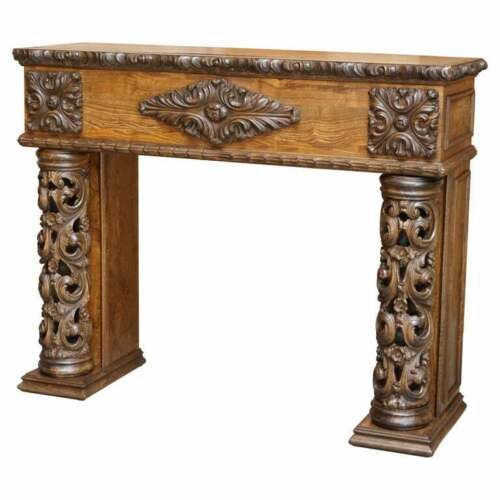
Hand Carved Wooden Mantel
These hand carved wooden mantel pieces bring deep texture to a room, rooted in centuries of fine carpentry and sculptural craft.
Hand Carved Wooden Mantel
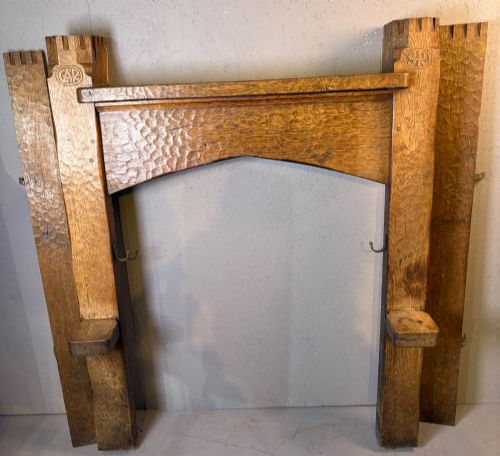
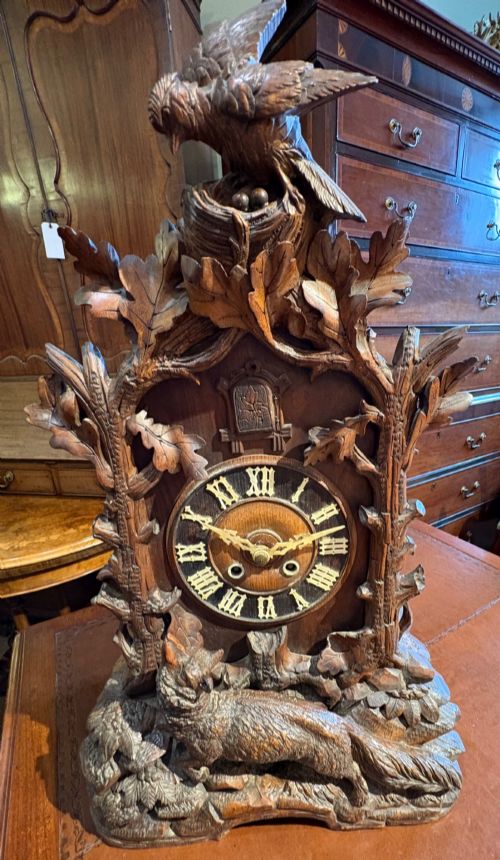
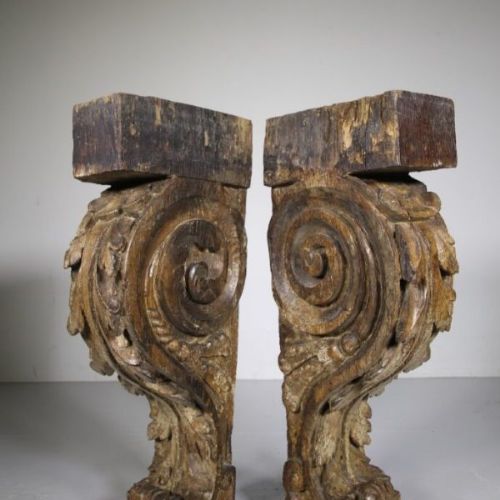
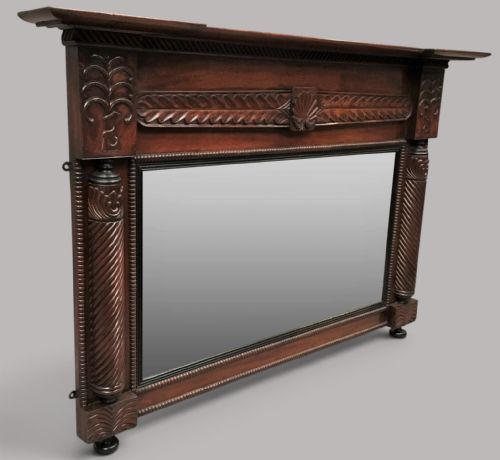
A hand carved wooden mantel takes several sculptural and architectural forms across this selection, spanning structural fireplace surrounds, architectural salvage corbels, and decorative clock cases. These items emerge from the nineteenth century onward, drawing on traditions of European woodcarving.
The most frequent incarnation on this page is the Black Forest mantel clock, often carved from walnut or linden wood in intricate Swiss or German styles. Alongside these timepieces, buyers will encounter substantial oak fire surrounds, carved pine corbels, and detailed wall mirrors.
Originating across varied periods including the Georgian era, the Victorian period, and the 1930s, these objects reflect distinct regional design movements. Pieces range from French Rococo influenced clock cases to robust Arts and Crafts oak works.
How they were made
Makers shaped these items primarily from solid hardwoods such as oak, walnut, linden wood, elm, and pine, employing hand chisels and gouges to build high-relief sculptural detail. Artisans worked the timber while green or seasoned, depending on the scale of the corbel or clock case.
Many examples incorporate applied fretwork columns, turned elements, and surface patination that highlight the natural grain of the wood. Brass and copper fittings frequently accent the wooden structures, particularly on timepiece bezels and mirror frames.
Hand Carved Wooden Mantel Retail Price Guide 2026
Typical asking prices for hand carved wooden mantel among the pieces listed under this phrase on Sellingantiques today, from the lower quarter to the upper quarter. They describe what is for sale here now, not the wider market.
Listings feature woods including oak, walnut, linden wood, elm, and pine across the nineteenth century and 1930s.
What varies in quality
The distinction between standard and superior pieces rests on the depth and precision of the carving, where deep undercut foliage and figures show superior hand work. Crisp definition in sculptural motifs indicates a more skilled hand at the bench.
Choice of timber grain and the integrity of original joinery dictate the longevity of architectural surrounds and clock housings. Well-preserved surfaces retain their original tool marks rather than smoothed-down sanding.
Bergen & Co
The Hand Carved Wooden Mantel Glossary
- Corbel
- A structural bracket projecting from a wall to support a weight, often carved with scrollwork or figures in wood.
- Fretwork
- Ornamental design executed in wood with a piercing saw, creating an openwork pattern along panels or columns.
- Black Forest style
- Nineteenth-century Swiss and German carving tradition known for naturalistic depictions of animals, foliage, and rustic scenes.
- Overmantle mirror
- A large looking glass designed specifically to hang on the wall directly above a fireplace mantel.
Hand Carved Wooden Mantel: Frequently Asked Questions
What is a hand carved wooden mantel used for?
These items serve primarily as architectural framing for fireplaces or as decorative display ledges within a room. Many examples function concurrently as timekeeping devices or large wall mirrors.
They anchor the focal point of a living space, adding architectural weight and historical character to period interiors.
How do I date a wooden mantel piece?
Dating relies on identifying the characteristic motifs of periods such as the Georgian era, Victorian Gothic, or Arts and Crafts movements. Tool marks and construction methods beneath the surface also offer clues to the workshop era.
Secondary woods and hardware fastenings help confirm whether a piece belongs to the nineteenth century or later decades.
How should I clean carved wood mantels?
Dusting with a soft, dry brush prevents dirt from settling into the deep recesses of hand-carved foliage and figures. Avoid modern liquid polishes that can build up a cloudy residue over the original finish.
Feeding the dry timber occasionally with an appropriate conservation wax preserves the depth of the grain.
Are these clocks and surrounds difficult to install?
Mantel clocks simply require a level surface and careful handling of delicate pendulum mechanisms where applicable. Architectural surrounds and heavy mirror frames demand secure wall fixings suited to the substantial weight of solid oak or pine.
Consulting a professional joiner ensures safe mounting for structural elements like large fire surrounds.