

Antique Oak Dresser Table
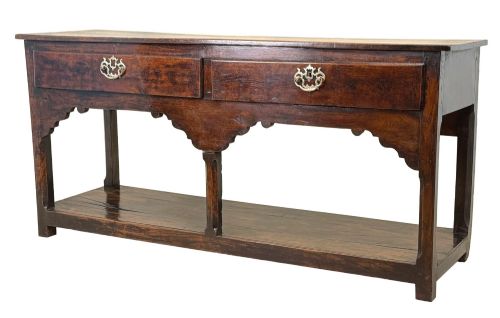
An antique oak dresser table is a sturdy domestic server or sideboard built from solid timber to hold household provisions and display tableware.
Antique Oak Dresser Table
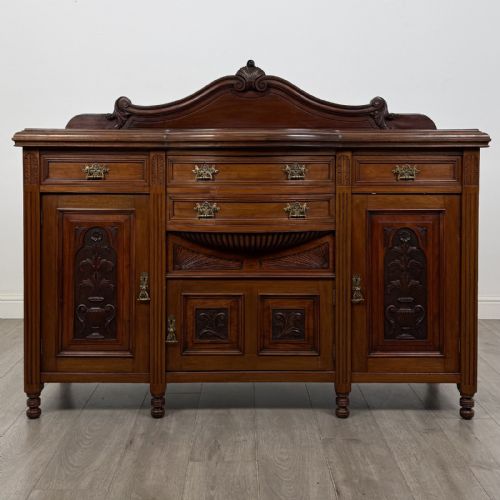
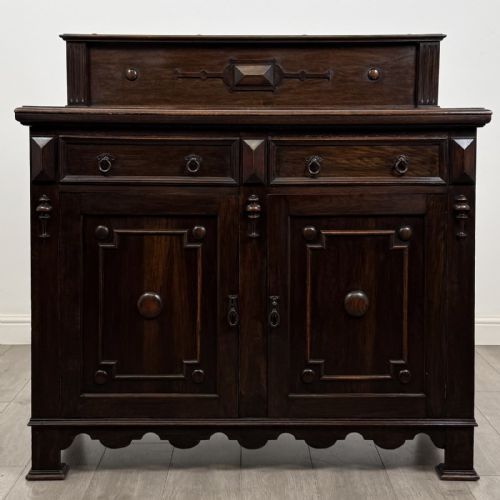
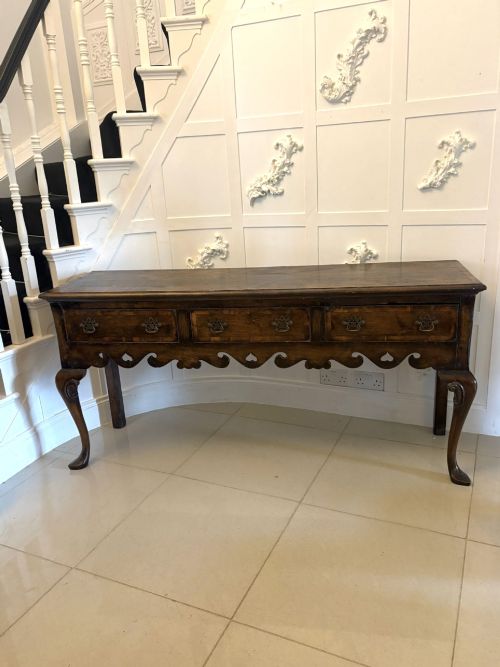
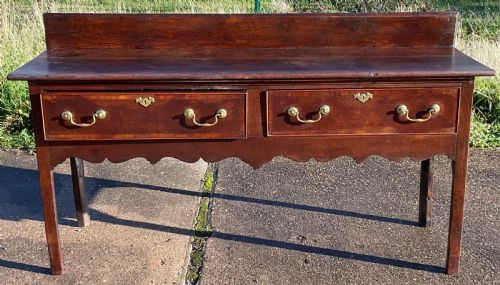
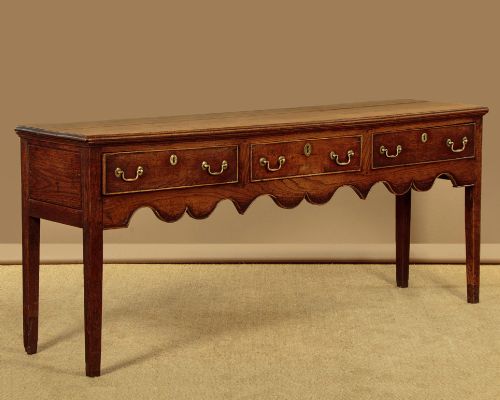
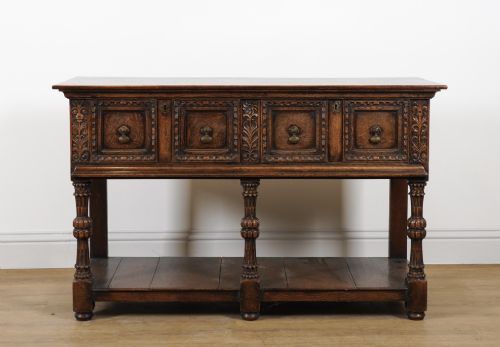
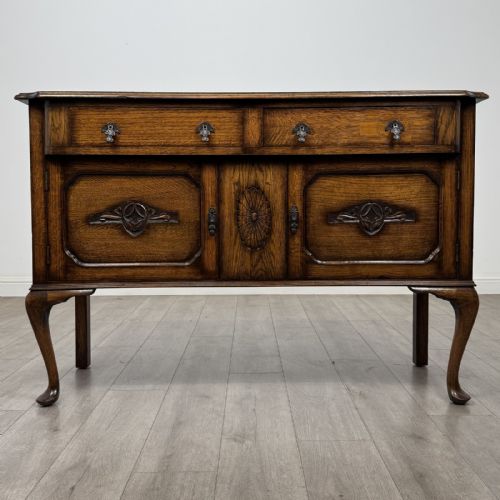
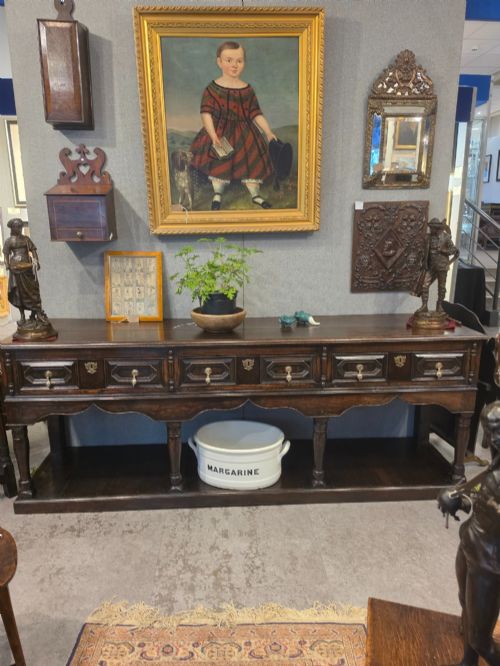
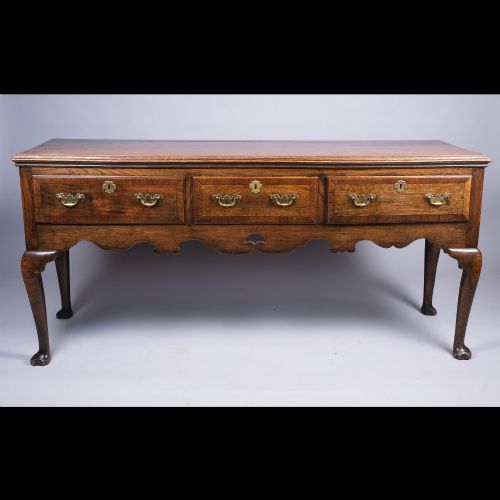
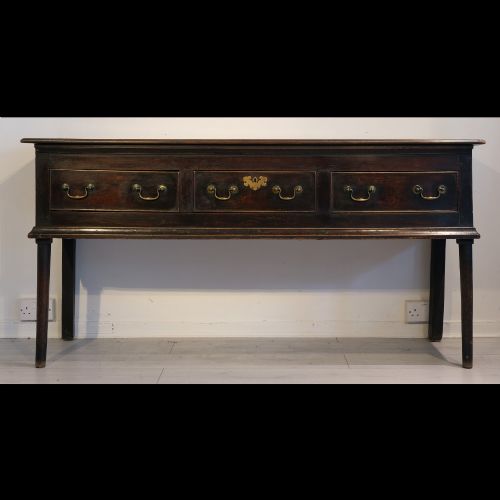
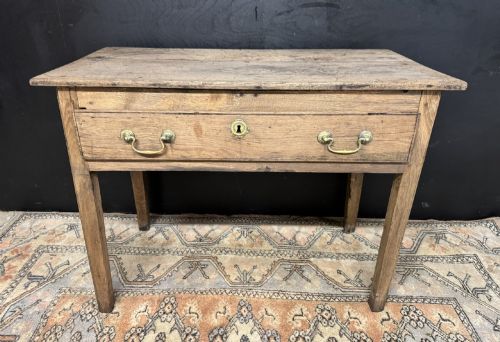
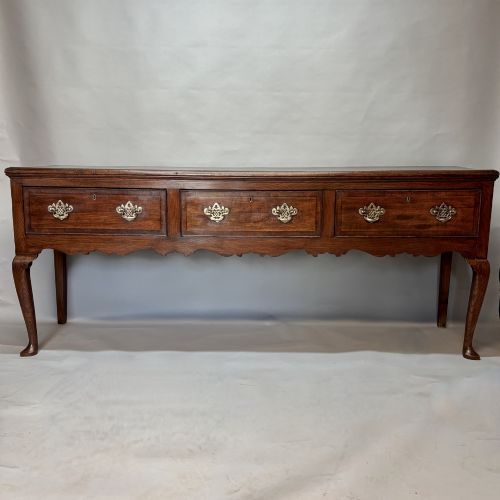
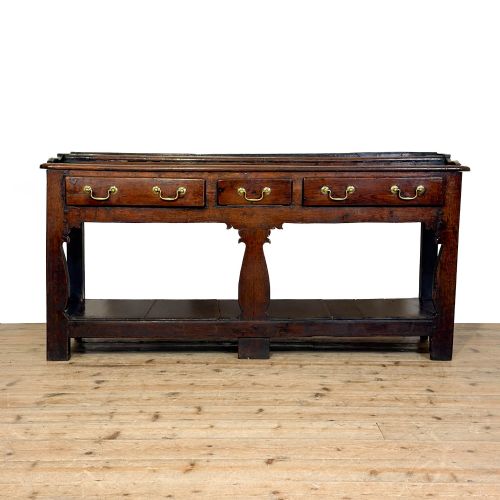
The antique oak dresser table generally takes the form of a low dresser base or serving table equipped with drawers and sometimes a potboard or lower shelf for storage. These domestic pieces appear across several centuries, with particular representation from the Georgian period and the eighteenth century alongside later revival interpretations.
Regional variations emerge within the listings, ranging from vernacular pieces and Welsh or Lancashire formats to French serving tables with potshelves. Forms span simple side tables and narrow proportions to substantial length formats fitted with brass handles and central cupboards.
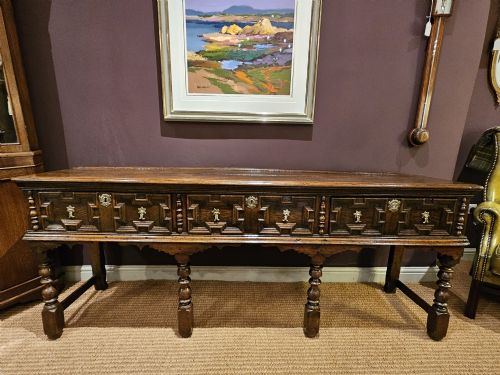
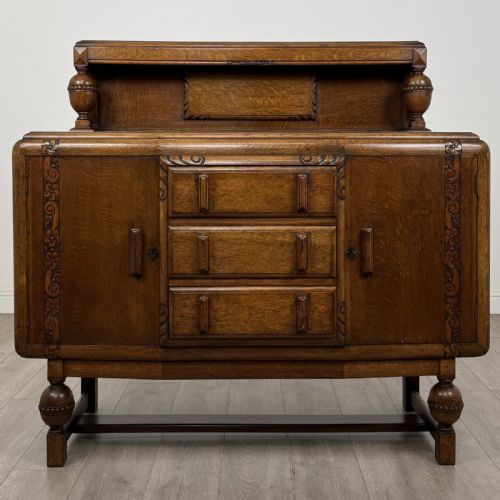
Revival iterations from the Edwardian era and the nineteen-twenties or thirties also populate the selection, bringing stylistic traits such as barley twist legs, raised galleries, and Jacobean geometric mouldings to the traditional timber framework.
Materials and construction methods
Makers relied principally on solid oak, occasionally supplemented by fruitwood or painted timber surfaces to build these robust servers. Structural metal elements typically include brass handles or drawer pulls, alongside iron fittings where required.
Joinery techniques accommodated timber movement over centuries of domestic use, utilising heavy plank construction for tops and mortise and tenon joints for frames. Decorative detailing relies on carved panels, geometric mouldings, and turned legs including cabriole and barley twist profiles.
Antique Oak Dresser Table Retail Price Guide 2026
Typical asking prices for oak dresser table among the pieces listed under this phrase on Sellingantiques today, from the lower quarter to the upper quarter. They describe what is for sale here now, not the wider market.
One extraordinary survivor measures eight feet in length, offering ample timber expanse for centuries of family feasts.
Distinguishing quality across examples
Quality separates through the integrity of the timber selection and the crispness of hand-carved elements, such as geometric mouldings and applied ornamentation. Superior examples retain original brasses and exhibit harmonious proportions, particularly in length and depth.
Construction depth marks another distinction, visible in the hand-cut dovetails of drawer linings and the retention of early surfaces like original paint or aged patination on the oak planks. Lesser versions from revival periods may employ machine finishing and simplified joinery.
The Antique Oak Dresser Table Glossary
- Dresser base
- A low freestanding table or sideboard fitted with drawers along the front, designed for food preparation and tableware storage without the upper plate rack.
- Potboard
- An open lower shelf fitted between the legs of a dresser base, traditionally used for storing pots and pans.
- Cabriole leg
- A furniture leg that curves outward at the knee and tapers inward toward the foot, often ending in a pad or hoof.
- Barley twist
- A turned wooden furniture leg resembling the shape of a twisted helix or rope.
- Vernacular
- Furniture built by local regional craftsmen using traditional methods and native timbers, departing from formal metropolitan design styles.
Antique Oak Dresser Table: Frequently Asked Questions
What is a dresser base?
A dresser base is a long, low table with drawers built for dining rooms and kitchens to hold serving dishes and cutlery.
Unlike tall dressers, these pieces omit the upper shelving tier to provide a flat serving surface on top.
How do I date an oak dresser?
Dating relies on observing construction methods, handle types, and secondary timbers used inside the drawer boxes.
Hand-cut joinery, pegged joints, and period brass hardware help establish whether a piece belongs to the eighteenth century or a later revival.
Where were these tables used?
These servers originated in country houses, farmhouses, and vernacular kitchens as heavy-duty utility furniture.
Today they function effectively as sideboards in modern dining rooms, hallway consoles, or living space display surfaces.
What woods are used besides oak?
While oak forms the primary structural timber, makers occasionally incorporated fruitwood for specific regional variations.
Some nineteenth-century examples also feature painted timber finishes or bleached surfaces to alter the natural tone of the wood.