
Antique Oak Display Rack
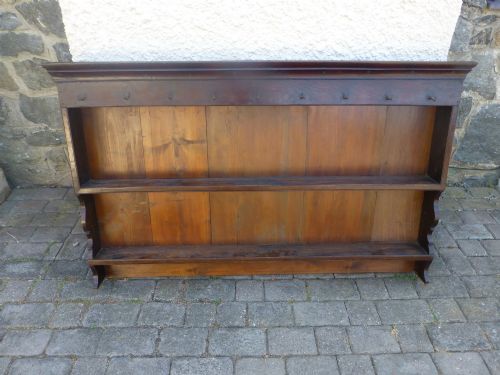
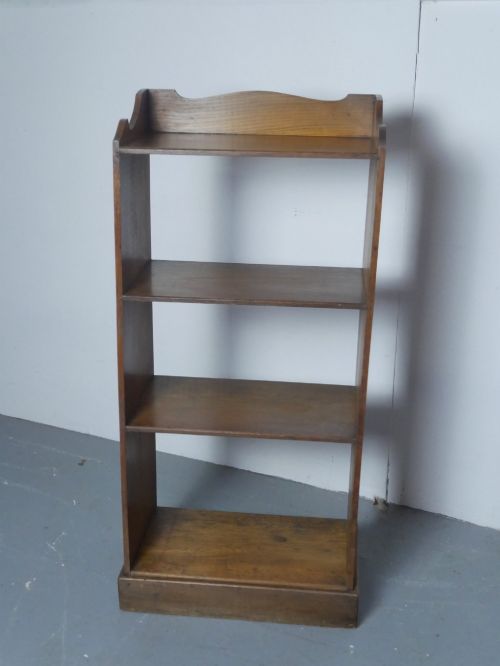
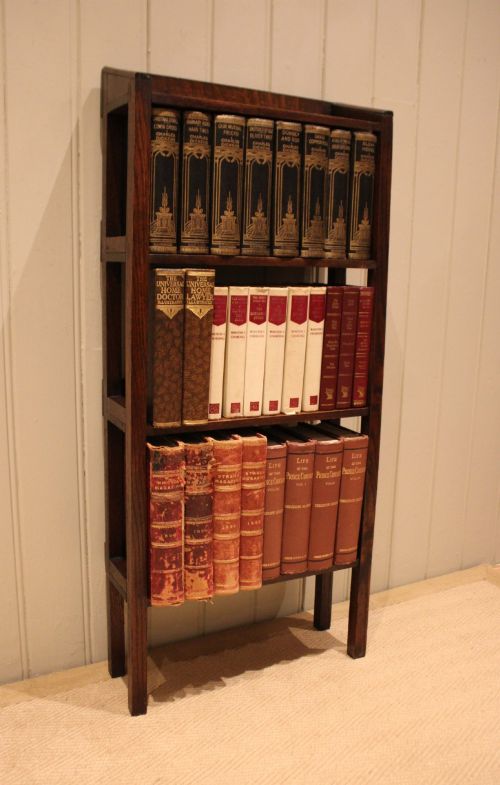
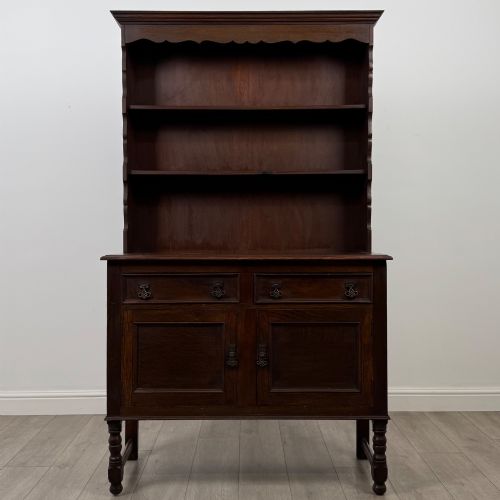
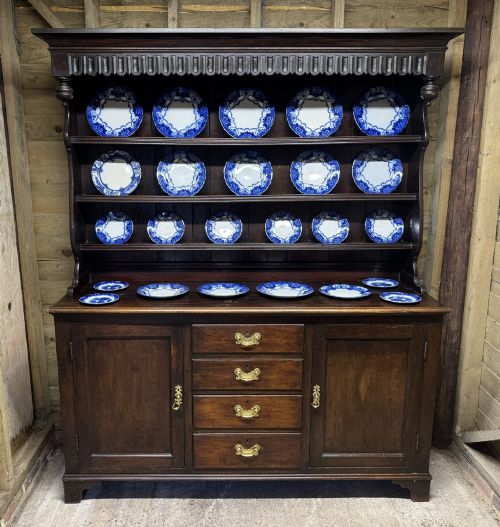
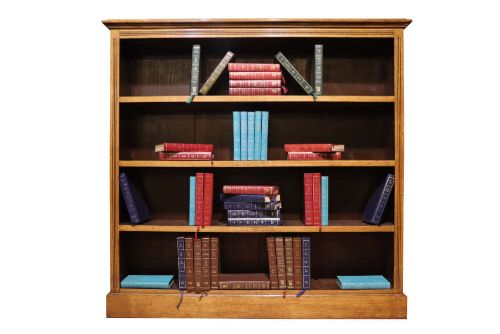
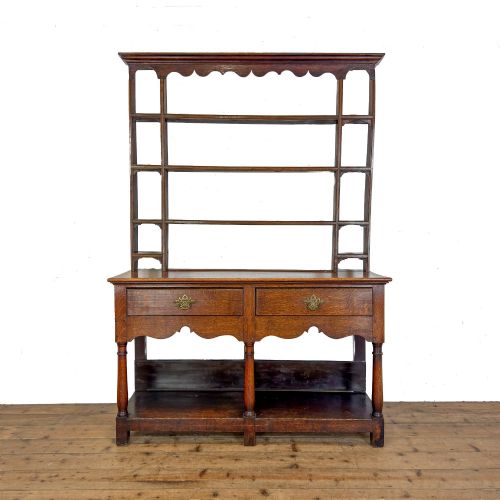
An antique oak display rack organises ceramics and books with the warm grain and honest utility developed over centuries of British country life.
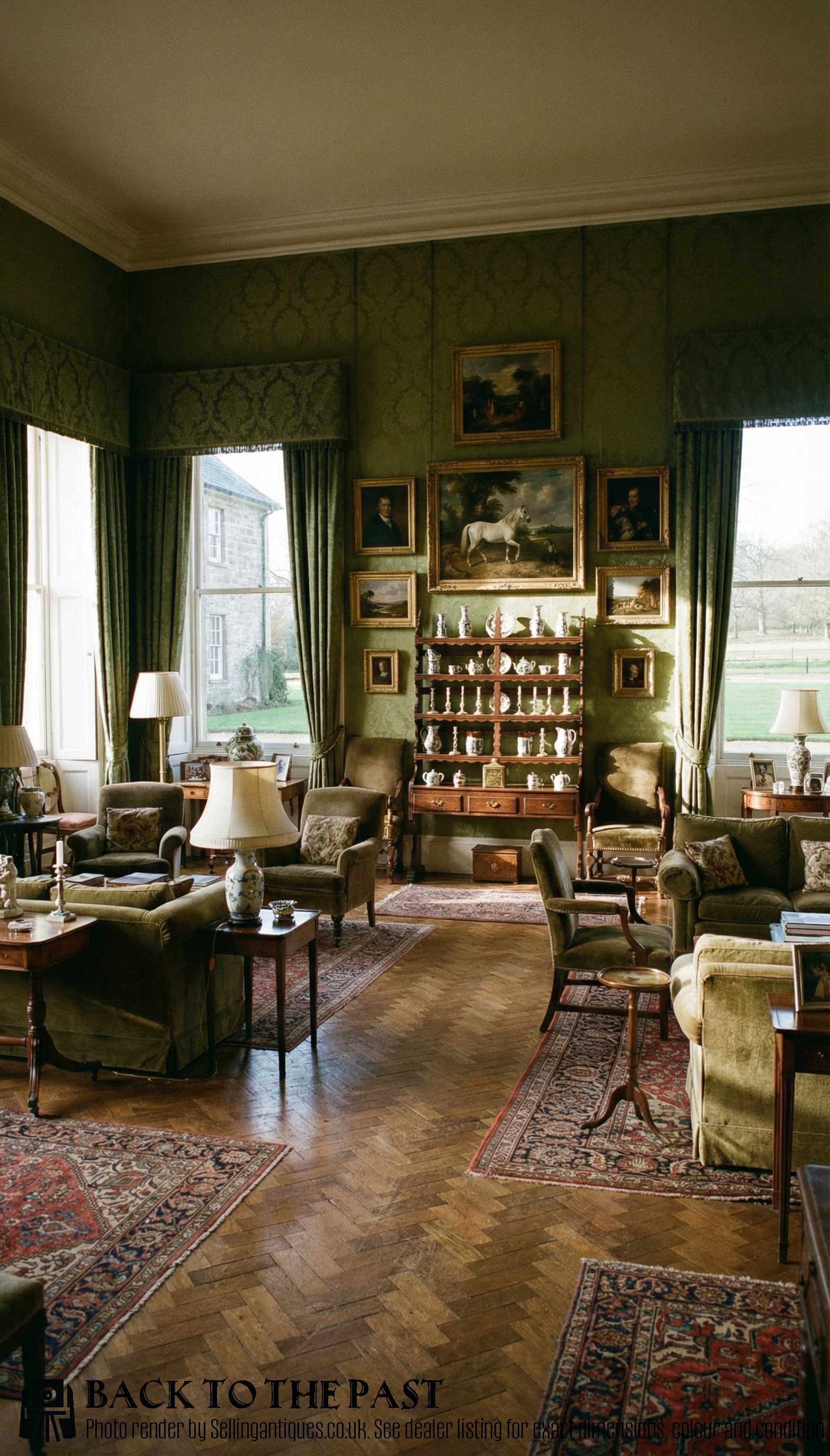
Antique Oak Display Rack
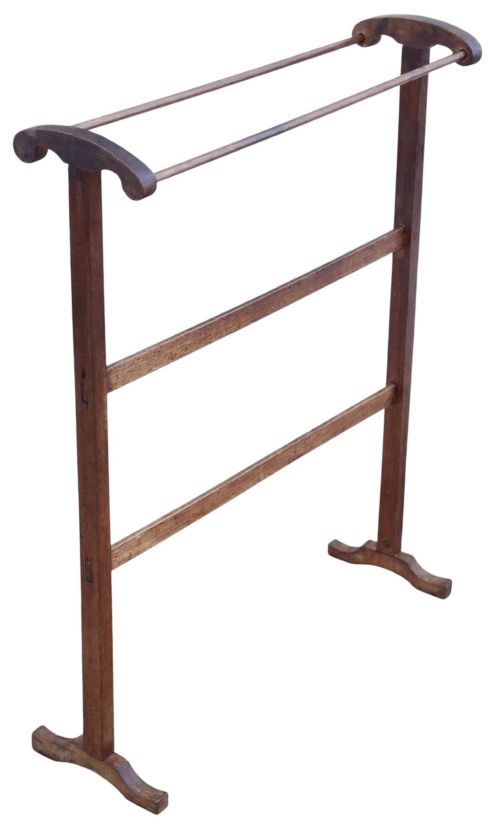
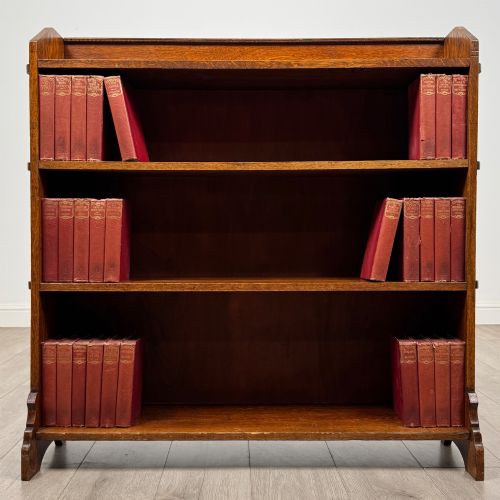
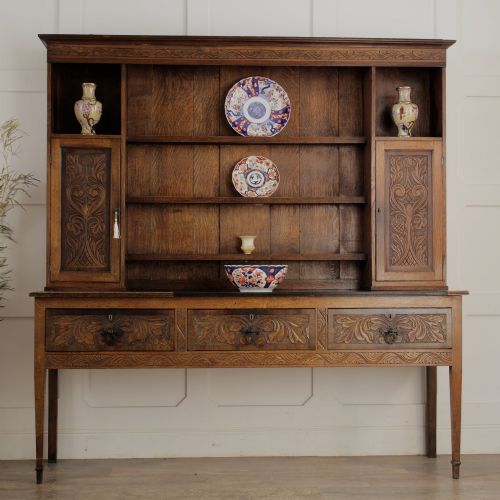
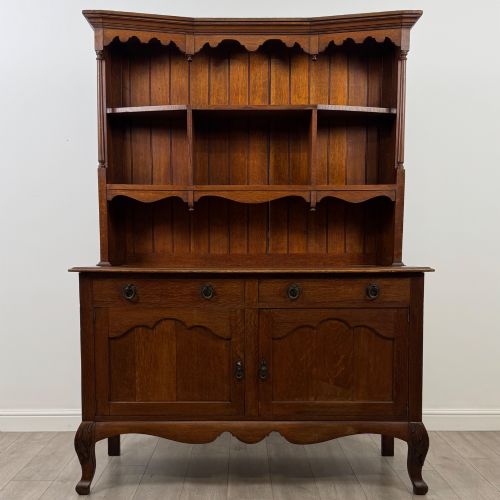
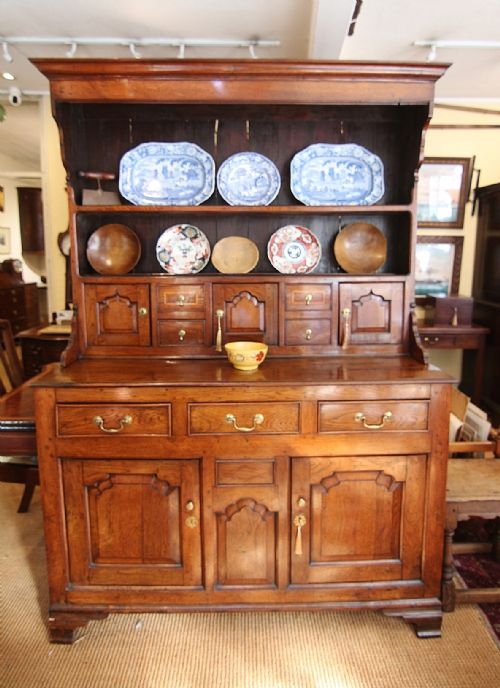
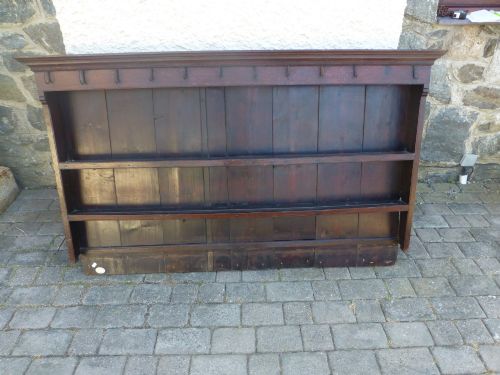
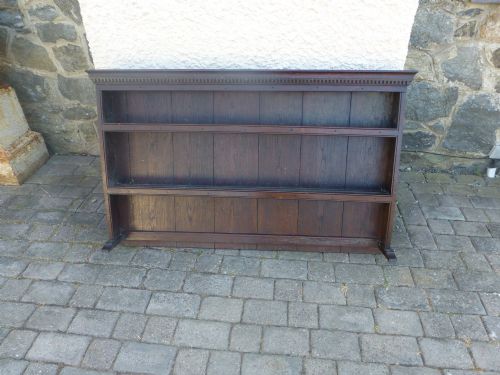
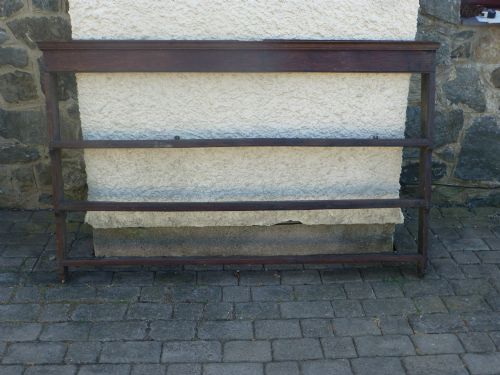
An antique oak display rack serves to hold plates, books, and household goods in domestic spaces. The selection ranges from wall-mounted delft racks to large Welsh dressers with integrated shelving.
Most examples originate from the 18th century, the Georgian period, and the Edwardian era. Buyers encounter everything from simple hanging wall shelves to substantial country dressers featuring breakfront drawers and carved details.
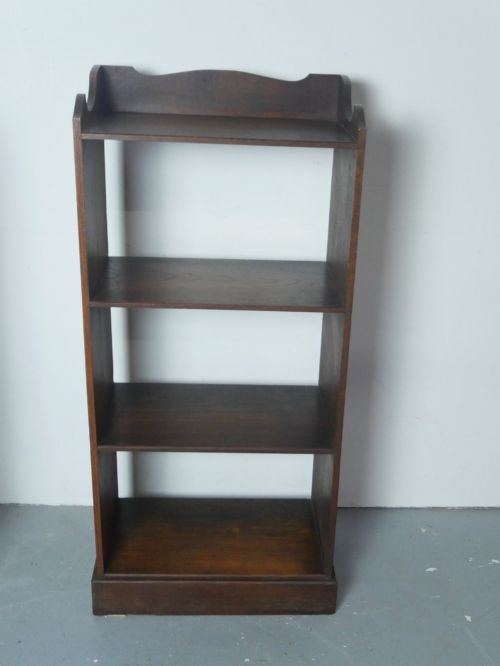
The regional variety spans traditional country oak pieces through to Arts and Crafts designs with decorative cut-outs. These fixtures bring practical storage and period character into contemporary rooms.
What varies in quality
The distinction between ordinary utility items and superior examples lies in the integrity of the timber and the refinement of the construction. Pieces retaining their original plate racks and uncompromised backboards command greater appreciation.
Subtleties in proportion, crispness of hand-carving, and the presence of original brass or iron hardware elevate certain pieces. Age brings natural patination, but the survival of untouched surfaces and honest regional timber remains central to an object's character.
Listings feature oak, pine, and mahogany across 18th-century, Victorian, and Edwardian periods.
The Antique Oak Display Rack Glossary
- Delft rack
- A wall-mounted shelving unit specifically designed to display ceramic plates upright against a grooved wooden ledge. These racks kept tableware visible and accessible in Georgian kitchens.
- Welsh dresser
- A large dining room storage unit combining base cupboards or drawers with an upper tier of open display shelving. They often feature inlaid woodwork and substantial proportions.
- Breakfront
- A cabinet or dresser design where the central section projects forward from the flanking outer wings. This configuration adds architectural depth to larger oak storage units.
- Trefid spoon
- An early form of dining utensil featuring a flattened, three-lobed handle terminal. These spoons occasionally accompany period rack displays from the 18th century.
Antique Oak Display Rack: Frequently Asked Questions
How do I hang a wall rack safely?
Secure the rack directly into timber wall studs using sturdy brackets and fixings rated for the combined weight of the oak frame and your display items. Distribute heavier ceramic plates evenly across the lower shelves to maintain balance.
Because antique oak carries considerable weight, avoid relying solely on plasterboard anchors. Professional installation ensures the mounting holds firm against daily use.
What is the difference between a dresser and a wall rack?
A wall rack is a self-contained shelving unit designed to hang on a wall or sit upon a countertop for displaying plates and small objects. A dresser includes a lower base of drawers or cupboards combined with the upper display tiers.
Both forms utilise oak construction, but dressers offer enclosed floor-standing storage alongside the open display space found in dedicated racks.
How should I care for antique oak?
Maintain the timber by dusting regularly with a dry cloth and applying occasional coats of beeswax to nourish the dry grain. Keep the oak away from direct heat sources and rapid humidity shifts to prevent splitting.
Avoid silicone-based sprays, which build up on the surface and dull the natural patina developed over centuries of handling.
How do I date an oak display piece?
Examine the construction methods, tool marks, and hardware to determine the period of manufacture. 18th-century pieces often display hand-sawn boards, pegged joints, and regional Snowdonia characteristics, while Edwardian and 1920s examples show machine-planed timber.
Stylistic cues like carved Green Man motifs indicate late Victorian revivals, whereas simple linear panelling points towards earlier Georgian country furniture.