

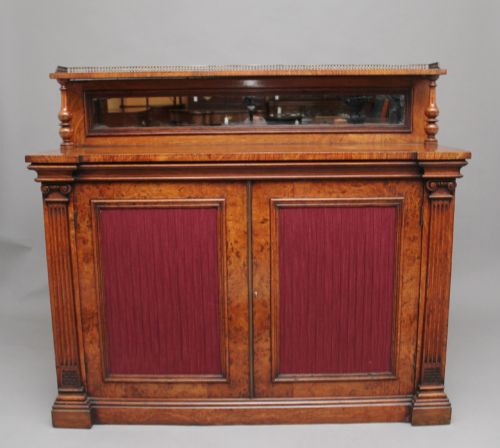


Antique Oak Display Column
An antique oak display column elevates a prized object above the floor, bringing rich grain and deep carving into the room.
Antique Oak Display Column
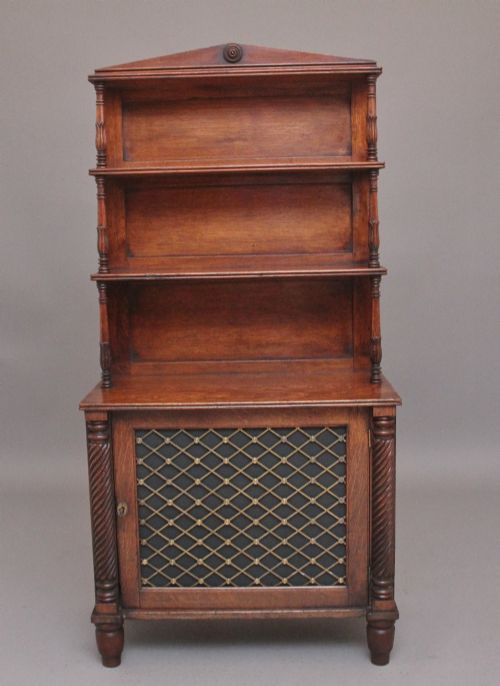
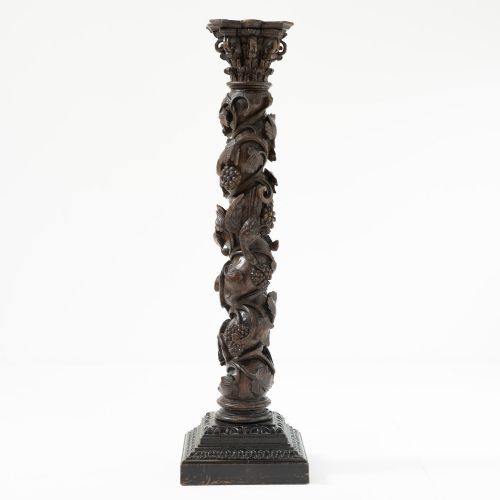
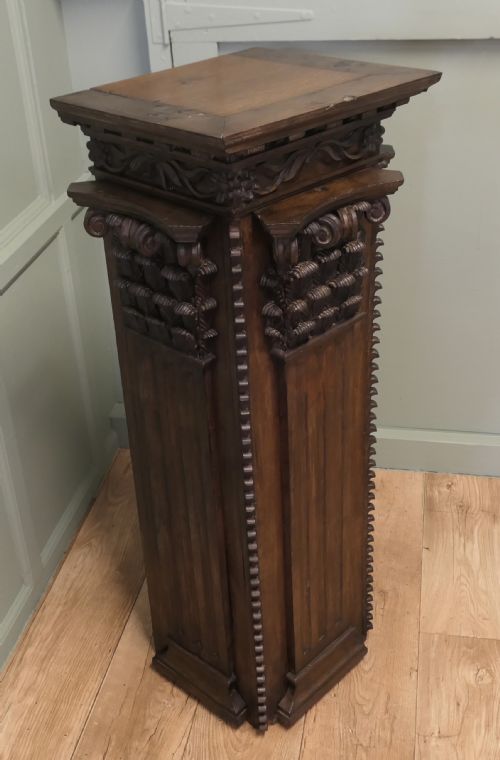
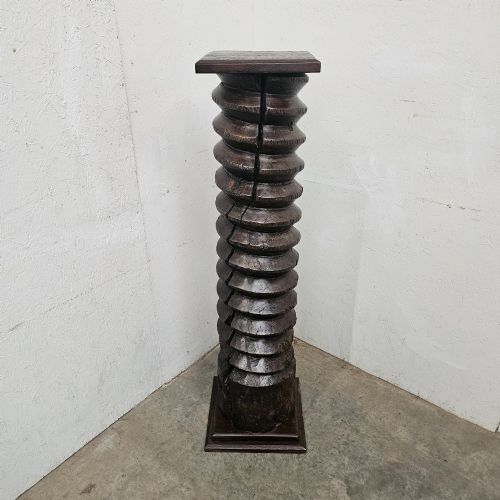
An antique oak display column serves to elevate sculptures, plants, or decorative items within a room, utilising a sturdy timber footprint. When searching for an antique oak display column, buyers encounter forms ranging from simple barley twist plant stands to carved pedestals and architectural supports.
The pieces appearing on this page span the eighteenth and nineteenth centuries, alongside items from the nineteen-twenties. Common manifestations include spiral pillars, torchere stands, and cylindrical pedestals shaped from solid timber.
Origin details reveal English and French workshop traditions, often employing revival styles such as Jacobean, Renaissance, and Baroque. These architectural items function practically as display surfaces while introducing distinct vertical emphasis to domestic interiors.
How these columns were constructed
Makers utilised solid oak alongside pollard oak and carved hardwood, selecting timber for density and visible grain pattern. Turning lathes shaped spiral pillars and barley twist legs, while hand chisels defined floral motifs and figural caryatids.
Joinery techniques united vertical shafts to stable base plinths and upper capitals, ensuring weight distribution remained balanced for supporting heavy objects.
Antique Oak Display Column Retail Price Guide 2026
Typical asking prices for oak display column among the pieces listed under this phrase on Sellingantiques today, from the lower quarter to the upper quarter. They describe what is for sale here now, not the wider market.
Listings feature items from the eighteenth and nineteenth centuries, constructed predominantly in oak with occasional brass and glass additions.
What separates the finest examples
Depth of hand carving and crispness of turned spiral details determine the visual merit of each column. Superior pieces exhibit well-proportioned capitals and bases that balance the vertical shaft without appearing top-heavy.
The selection and figure of the oak timber heavily influence overall character, where varied grain patterns and warm patination enhance the decorative impact of the structure.
The Antique Oak Display Column Glossary
- Solomonic
- A column shaft twisted into a helical spiral shape. This form gained popularity during the seventeenth century and returned in later revival periods.
- Torchiere
- A tall stand or pedestal originally designed to hold a light source or candle. In later periods, these served primarily for displaying plants or small sculptures.
- Caryatid
- A sculpted female figure serving as an architectural support taking the place of a column. These appear carved into the structural shafts of certain pedestals.
- Capital
- The uppermost member of a column, situated above the shaft. It provides a decorative transition beneath the flat top plate.
- Plinth
- The heavy lower base supporting a column or pedestal. It provides stability and grounds the vertical composition to the floor.
Antique Oak Display Column: Frequently Asked Questions
What holds up an antique oak display column?
These columns rely on heavy timber construction, wide base plinths, and solid core shafts to maintain stability under weight.
Makers engineered the lower sections to bear the downward load of heavy jardinieres, bronze figures, or marble busts placed on top.
How do I clean an oak pedestal?
Maintenance requires only a soft cloth to remove dust from carved recesses and turned spiral grooves.
Harsh chemical polishes should be avoided in favour of traditional beeswax to preserve the natural tone of the timber.
Can these columns support heavy statues?
Most antique columns were built to bear substantial weight, including large ceramic planters and cast metal sculptures.
Checking the width of the top surface and the overall balance of the base ensures safe placement for heavy items.
How do I date a spiral column?
Dating relies on examining tool marks, timber selection, and the specific revival style influencing the turned decoration.
Eighteenth-century examples often display hand-chiseled facets, whereas nineteenth-century pieces frequently utilise advanced lathe-turning methods.