


Antique Oak Dinner Table
An antique oak dinner table brings solid timber grain and sturdy nineteenth or early twentieth century craft directly into the modern dining room.
Antique Oak Dinner Table
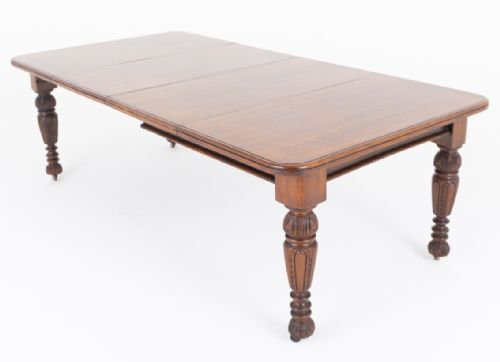
The search phrase antique oak dinner table covers heavy wooden dining furniture designed for shared meals, featuring extendable leaves or oval tops supported by barley twist legs and solid framing. These boards accommodate daily family life while displaying the rich, dark tones of mature wood developed over decades of use.
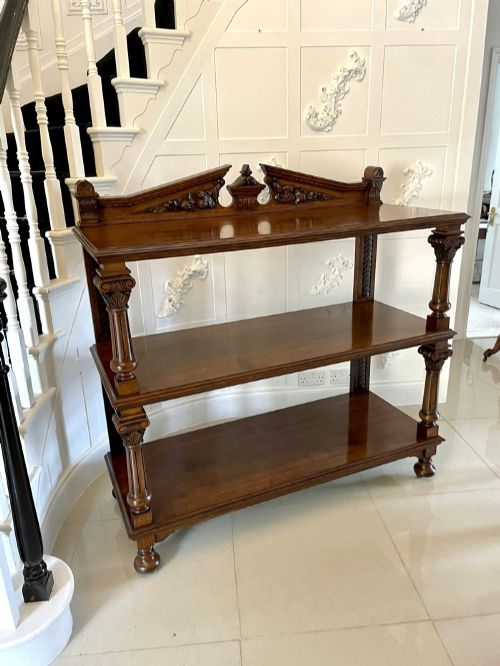
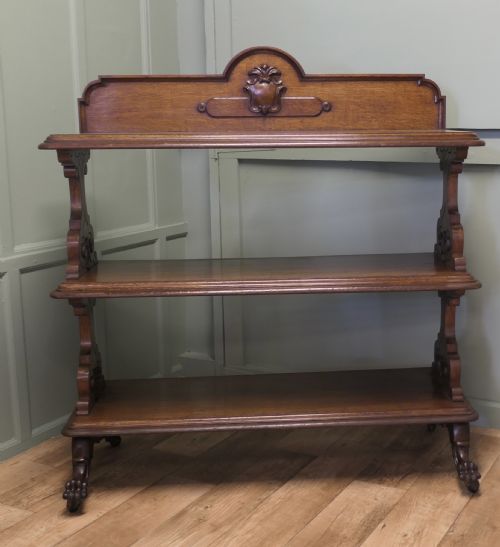
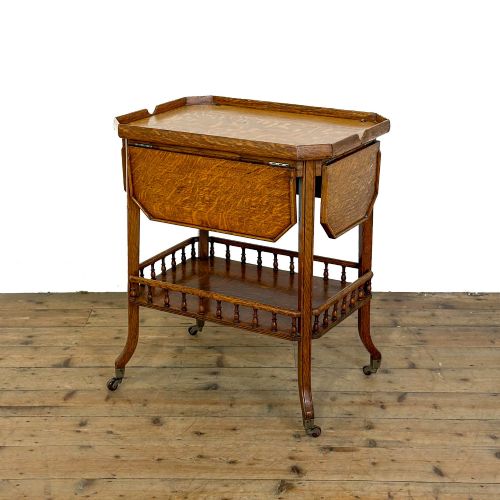
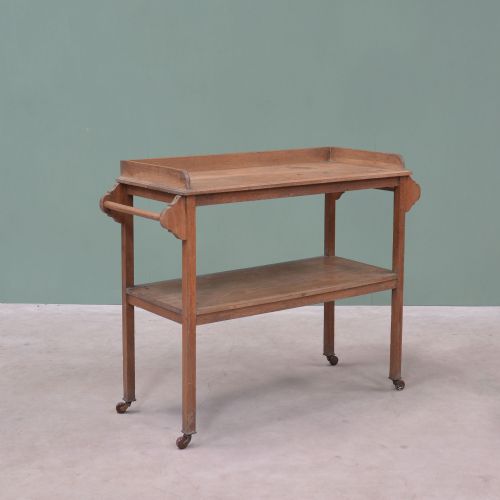
Buyers frequently meet Victorian and Edwardian examples alongside early twentieth century adaptations. Pieces range from large extending formats suitable for multiple guests to smaller side tables, buffets, and servers sharing the same robust material heritage.
Construction relies upon dense timber joined with traditional methods, ensuring structural stability across generations of service. The presence of carved details and distinct grain patterns anchors the visual weight of these dining room centrepieces.
How they were made
Carpenters utilised solid oak planks alongside specialised variations like pollard oak for decorative surfaces, selecting timber for strength and prominent grain patterns. Structural joints relied on traditional woodworking techniques that allowed the heavy wood to endure constant weight and movement.
Metal components such as brass brackets, handles, and fittings supplemented the timber framework on related dining pieces, while applied carving provided surface texture. Finishing involved polishing the raw wood to seal the grain and highlight natural colour variations.
Listings feature oak alongside auxiliary materials such as brass, copper, silver plate, and cattle horn used across related dining room furniture.
What varies in quality
Superior examples demonstrate careful timber selection, where matching grain patterns flow across extending leaves and tabletops without awkward visual breaks. The depth and execution of carved ornamentation set finer specimens apart from simpler utility furniture.
The integrity of extending mechanisms and the tightness of joints determine the structural standard of a dining table. Quality rests in the balance between robust daily utility and the refined finish of the woodwork.
The Antique Oak Dinner Table Glossary
- Extending table
- A dining table designed with removable leaves or internal mechanisms to lengthen the top surface for guests. This feature allows the furniture to adapt to different room sizes and seating requirements.
- Pollard oak
- Timber harvested from trees that were cut back close to the trunk to encourage dense, highly figured branch growth. Furniture makers utilised this decorative wood for striking visual patterns on tabletops and cabinet fronts.
- Barley twist
- A carved wooden furniture leg or support shaped in a helical spiral resembling a twist of barley. This decorative turn was popular during revival periods and Edwardian design.
- Buffet
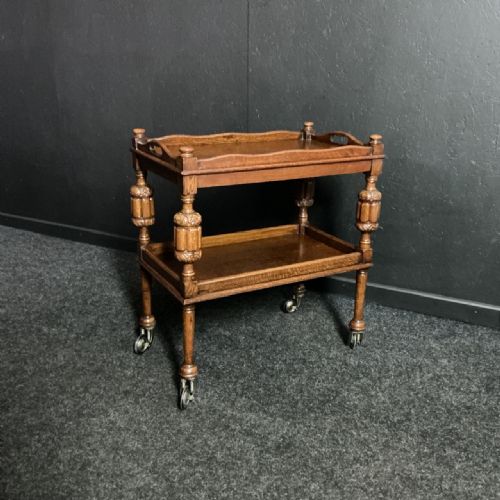
- A side cabinet or serving table used in dining rooms for holding dishes and food before or after a meal. These pieces often feature tiered surfaces and carved oak framing matching the main dining table.
Antique Oak Dinner Table: Frequently Asked Questions
How do I maintain an oak dining table?
Clean the surface regularly with a soft, dry cloth to remove dust and prevent grit accumulation. Avoid harsh chemical cleaners that strip the polished finish from the timber.
Apply a traditional beeswax polish periodically to nourish the grain and protect against moisture marks. Keep the wood away from direct heat sources to prevent cracking.
Are these tables suitable for daily use?
Solid oak construction provides exceptional durability and stability for everyday family meals. The dense timber resists dents and supports heavy loads.
Using heat mats and coasters protects the polished wood from hot dishes and condensation rings. Regular care ensures the surface withstands active daily routines.
How do I identify Victorian oak furniture?
Examine the timber for deep colour tones and dense grain patterns characteristic of nineteenth century stock. Look for traditional hand-cut joinery methods concealed within the frame.
Stylistic markers such as Jacobean revival carving or heavy turned legs frequently indicate Victorian or Edwardian manufacture. Inspect the underside for signs of age and tool marks left by period craftsmen.
How do extending leaves function?
Extending dining tables typically use wooden runners or folding mechanisms hidden beneath the main top. Pulling the ends apart reveals a central gap where additional leaves drop or slide into place.
Ensure the mechanism moves smoothly without catching before securing the leaves together. Proper alignment keeps the extended surface level and stable.