


Antique Oak Desktop Storage
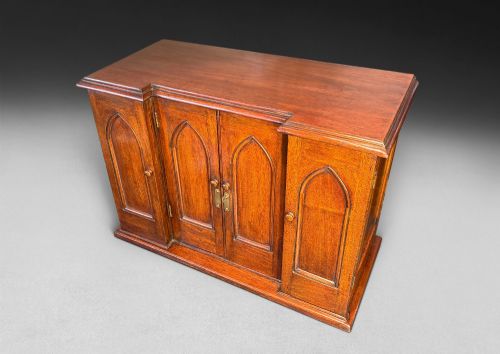
Antique oak desktop storage pieces are small, functional boxes and cabinets designed to keep papers and treasures close at hand.
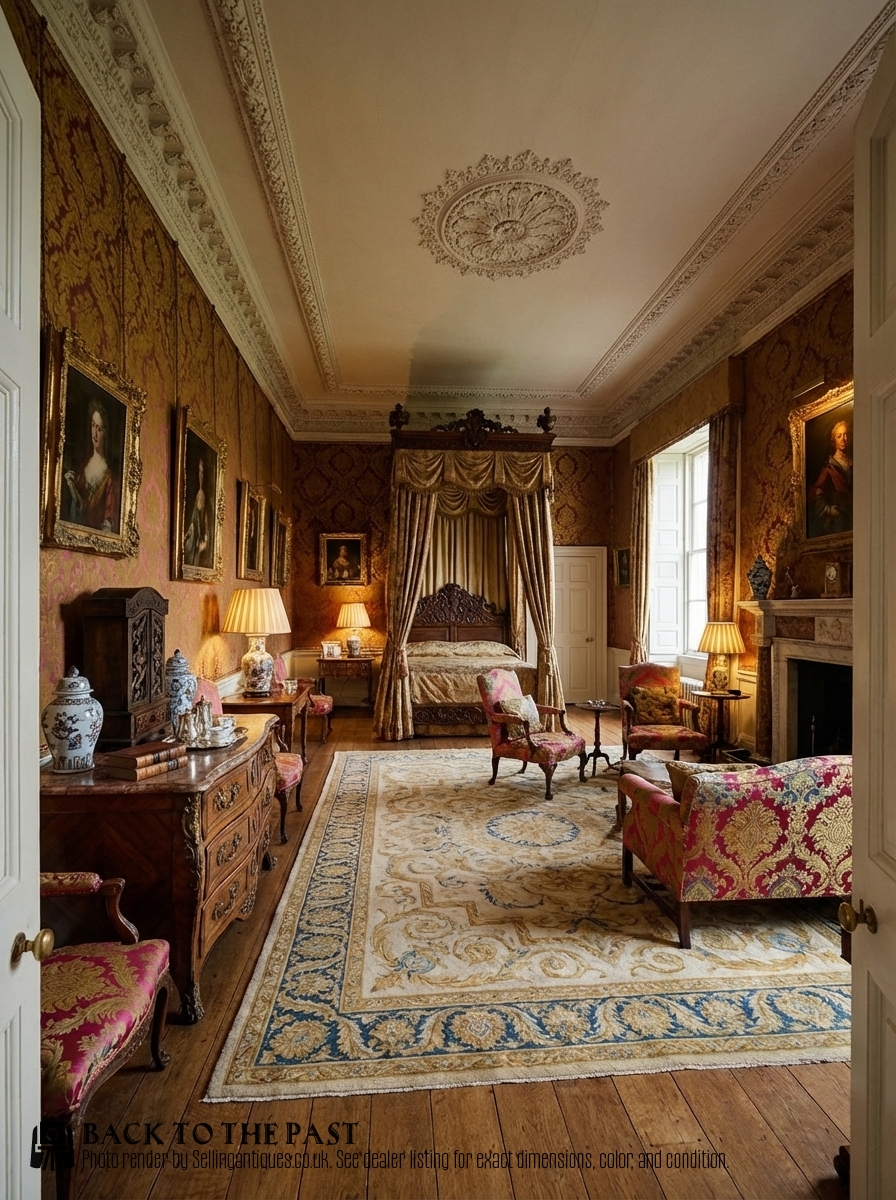
Antique Oak Desktop Storage
The pieces span the 18th, 19th and early 20th centuries, covering Georgian, Victorian and Edwardian periods. Smaller specialist items such as watchmaker's cabinets and apprentice chests appear alongside traditional letter boxes and spice cupboards.
How they were made
Construction relies heavily on solid oak, sometimes accented with pollard oak or figured English oak. Cabinetmakers integrated contrasting details like holly and bog oak inlay to enrich the primary timber.
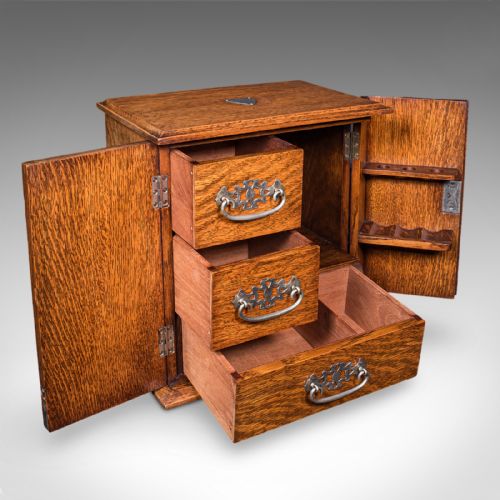
Hardware played a practical and decorative role, with brass and iron mounts, handles and hinges securing the doors, lids and drawers of these functional containers.
Listings feature oak combined with brass, iron, metal, copper, glass, holly, and bog oak across Georgian, Victorian, and Edwardian periods.
What varies in quality
The refinement of the timber and the crispness of any carving set individual items apart. Grain figure and the subtlety of inlay indicate the original maker's intent.
The complexity of the interior layout and the integration of specialised fittings, such as multiple small drawers or tambour doors, reflect the piece's initial purpose and standard of manufacture.
Manoah Rhodes & Sons Ltd·Amberg
The Antique Oak Desktop Storage Glossary
- Bible Box
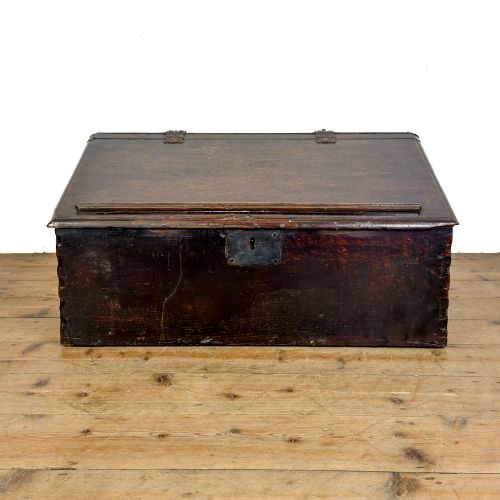
- A desk box used historically for holding a family Bible and writing materials. These sloped-lid containers represent some of the earliest forms of portable desktop storage.
- Apprentice Chest
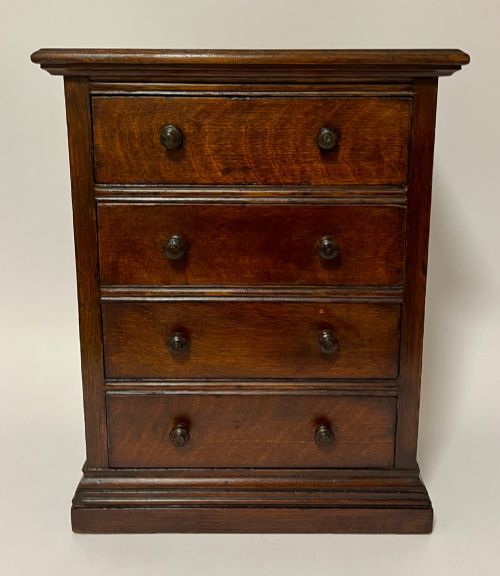
- A miniature chest of drawers demonstrating a craftsman's skill. Makers produced these small-scale pieces as masterworks or samples.
- Tambour
- A series of narrow wooden slats glued to a canvas backing to slide in a track. This flexible closure permits access to roll-top cabinets and cigar cases.
- Specimen Case
- A small cabinet fitted with shallow drawers designed for holding natural history collections. Collectors utilised these dust-tight enclosures for insects, minerals or coins.
- Pollard Oak
- Timber taken from trees that were pollarded, resulting in a clustered, knotty grain pattern. Cabinetmakers prized this figured wood for decorative veneers and panels.
Antique Oak Desktop Storage: Frequently Asked Questions
What were antique desk boxes used for?
These boxes held correspondence, writing instruments, and personal valuables before modern office furniture became common. Their secure lids and compartmentalized interiors kept important papers organised.
Over time, specific trades adapted them for specialised inventories, including watch parts, medical supplies, and smoking accessories.
How do I date an oak desktop cabinet?
Dating relies on construction methods, hardware types, and stylistic influences visible in the timber. Georgian pieces often display hand-cut dovetails and simpler joinery, while Victorian and Edwardian examples incorporate more varied hardware and commercial fittings.
Materials like brass hinges and iron handles also shift in style across the 18th, 19th, and early 20th centuries.
Can I use these for modern storage?
Many compact cabinets and drawer units accommodate modern stationery, small collections, and desk accessories. Their internal dimensions suit contemporary workspace organisation.
Careful placement away from direct heat sources protects the antique oak and maintains the smooth operation of drawers and doors.
What is the difference between a box and a cabinet?
Boxes generally feature a hinged lid opening from the top, often with a sloped writing surface. Cabinets incorporate vertical fronts with doors or pull-out drawers.
Both forms serve the function of desktop storage but offer different ways to access the contents stored inside.