



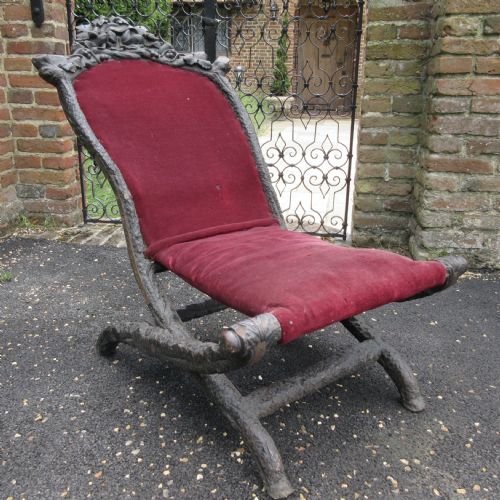


Antique Oak Campaign Furniture
These pieces of antique oak campaign furniture were built for officers on the move, combining rugged timbers with clever folding mechanics.
Antique Oak Campaign Furniture
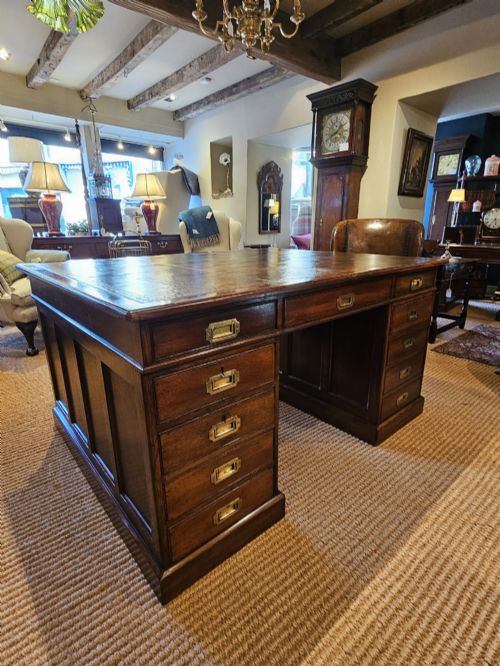
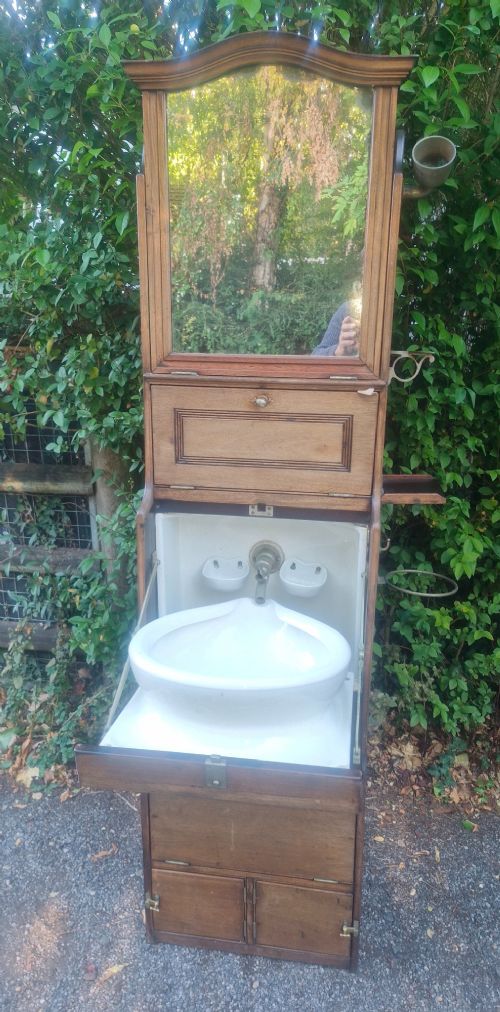
When you search for antique oak campaign furniture, you encounter sturdy portable items designed for travel during the Georgian and Victorian eras. These pieces include chests of drawers, coaching tables, writing slopes, and folding chairs built to withstand the rigours of military relocation.
The most common versions on this page are utilitarian chests and folding tables from the nineteenth century. Officers required robust storage and stable surfaces that could pack down quickly without losing structural integrity.
Makers utilised dense timbers and metal reinforcement to ensure durability on long journeys. The resulting forms balance functional necessity with the straightforward honesty of mid-century design.
How they were made
Constructed primarily from solid oak alongside pollard oak and teak, these pieces rely on heavy-duty timber to endure rough handling. Carpenters joined structural elements with tight joints designed to handle the stress of constant disassembly.
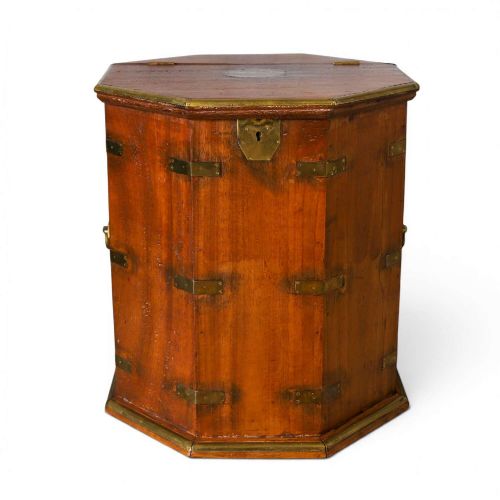
Brass corners, flush-fitting handles, and iron brackets protect vulnerable edges from impact during transit. These metal fittings were screwed securely into the wood, adding both structural rigidity and a clean finish to the exterior.
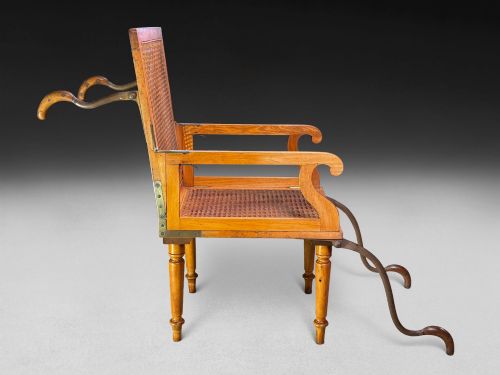
Folding mechanisms and detachable legs utilise clever hinges and pins that allow tools to remain packed away. Caning, velvet, and leather inserts provide functional surfaces and seating without adding excessive weight to the object.
Antique Oak Campaign Furniture Retail Price Guide 2026
Typical asking prices for oak campaign furniture among the pieces listed under this phrase on Sellingantiques today, from the lower quarter to the upper quarter. They describe what is for sale here now, not the wider market.
Some chests hold secret sock drawers specifically sized for an officer's field wardrobe.
What varies in quality
The grade of timber and the precision of the metal mounts determine the standing of an item. Higher-grade pieces feature well-figured oak and heavy brass hardware that sits completely flush with the surrounding wood.
Ingenuity in the folding mechanism separates standard items from exceptional ones. Pieces that transition smoothly between packed and assembled states without loose joints demonstrate superior workshop execution.
The Antique Oak Campaign Furniture Glossary
- Campaign chest
- A modular chest of drawers built in two or more sections with recessed brass handles for stacking and transport.
- Coaching table
- A lightweight folding table with X-frame legs designed to pack flat inside a carriage or trunk.
- Writing slope
- A portable slant-front box that opens to reveal a slanted writing surface, inkwell compartments, and secret drawers.
- Boot jack
- A V-shaped wooden device used to pull off riding boots without bending down.
- Pollard oak
- Oak timber taken from trees that have been pollarded, producing a highly figured, mottled grain pattern.
Antique Oak Campaign Furniture: Frequently Asked Questions
What is antique oak campaign furniture?
These are portable furnishings created for military officers and travellers during the Georgian and Victorian periods. They feature collapsible frames, modular sections, and protective metal hardware.
The design prioritises mobility and resilience. Pieces break down into manageable parts for transport across rough terrain while maintaining everyday utility.
How were these pieces used?
Officers utilised them in field tents, barracks, and temporary quarters to maintain a semblance of home comforts while on active service. Chests held uniforms, silverware, and documents.
Tables served administrative duties or dining requirements. Folding chairs and adjustable beds provided portable seating and sleeping quarters away from permanent depots.
How do I care for oak campaign items?
Keep them away from direct heat sources and sudden humidity shifts to prevent the oak from splitting or warping. Dust regularly with a dry cloth and apply a neutral beeswax periodically.
Inspect brass and iron fittings gently to ensure screws remain secure. Avoid over-polishing metal parts to preserve their original surface tone.
How can I tell the period?
Look to the construction methods, the style of the brass hardware, and the timber selection. Georgian pieces often display simpler lines, whereas Victorian examples introduce more complex folding mechanisms.
Inscriptions, stamps, and maker details can occasionally provide precise dates or provenance. Compare the joinery style against standard cabinet-making timelines of the nineteenth century.