


Antique Oak Book Rack
An antique oak book rack is a sturdy timber storage piece for holding volumes, spanning the Edwardian period and the early twentieth century.
Antique Oak Book Rack
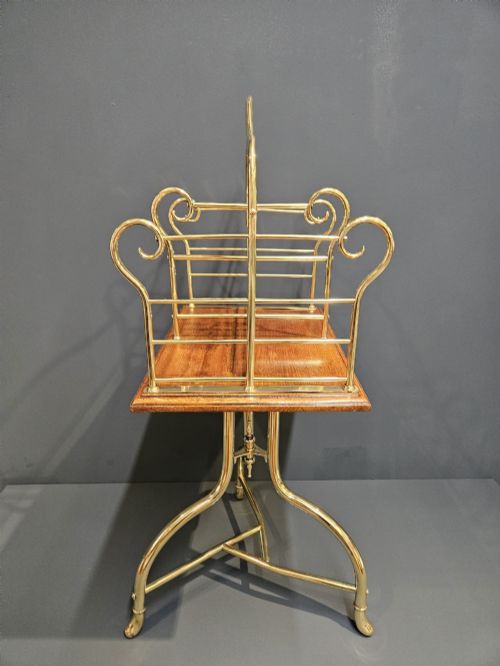
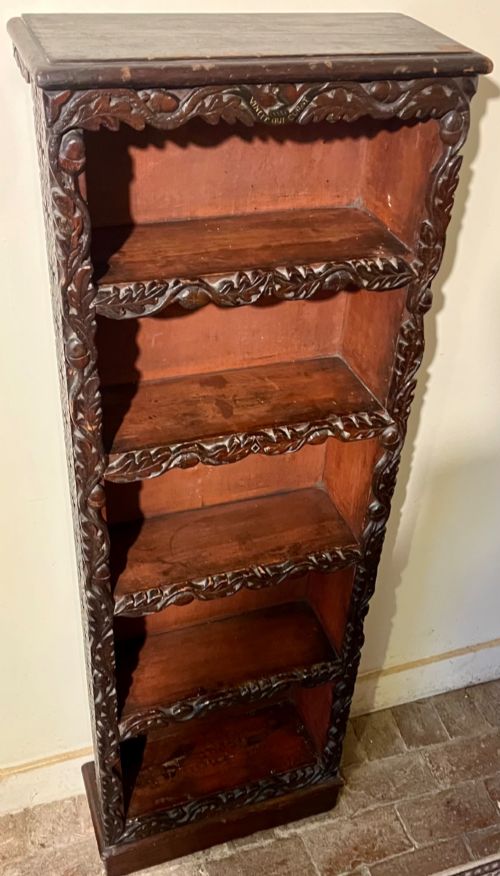
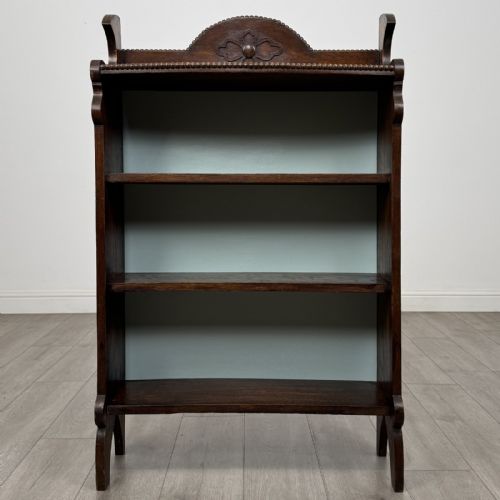
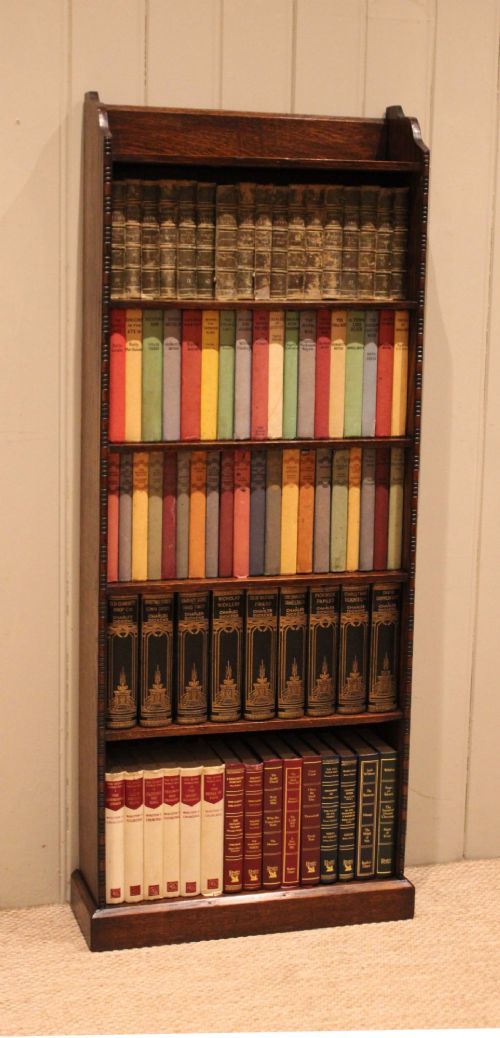
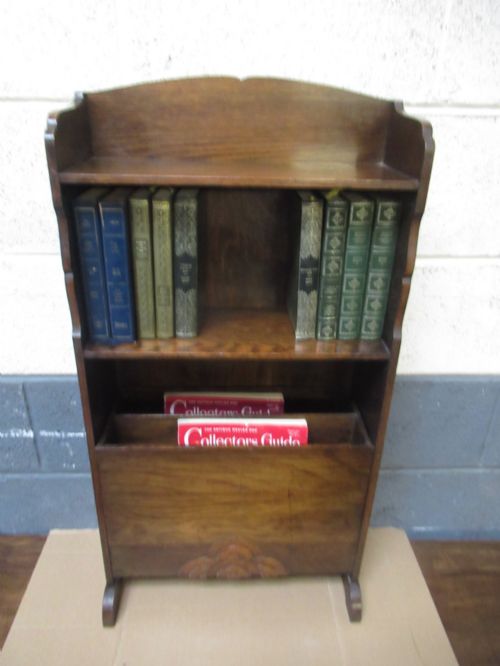
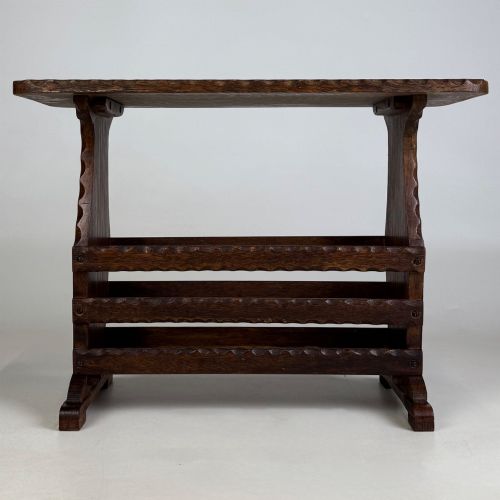
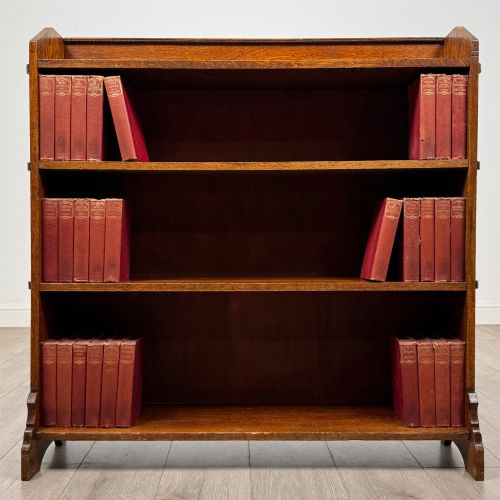
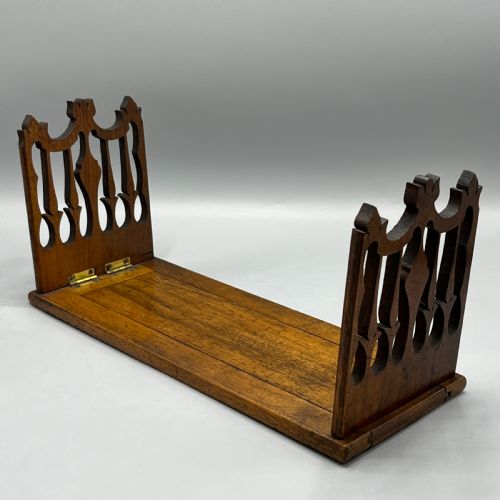
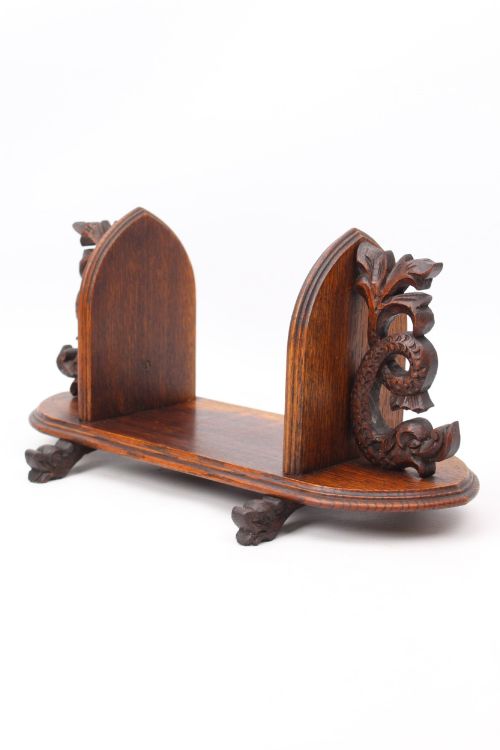
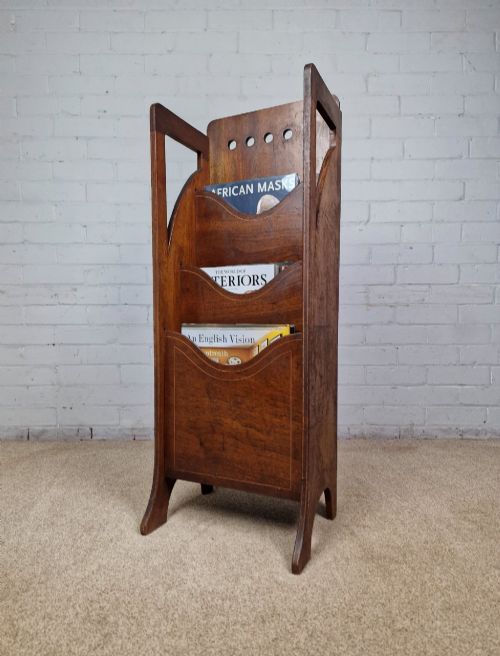
When you search for an antique oak book rack, you encounter open bookcases, book stands, troughs, and magazine racks produced during the Edwardian era, the 1920s, and the nineteenth century. These items range from small desk accessories and extending book slides to tall wall shelves and side tables with integrated shelving.
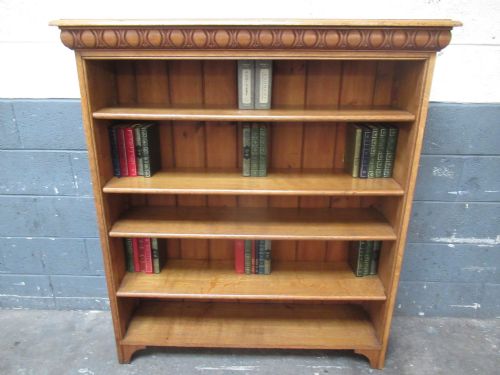
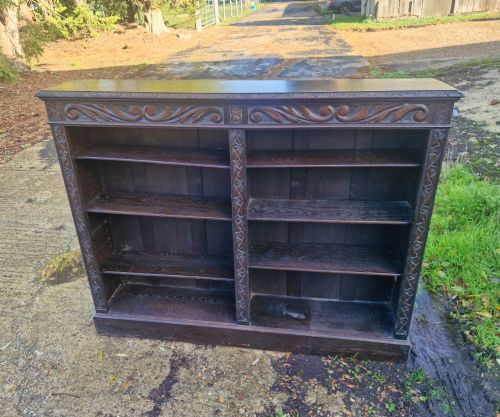
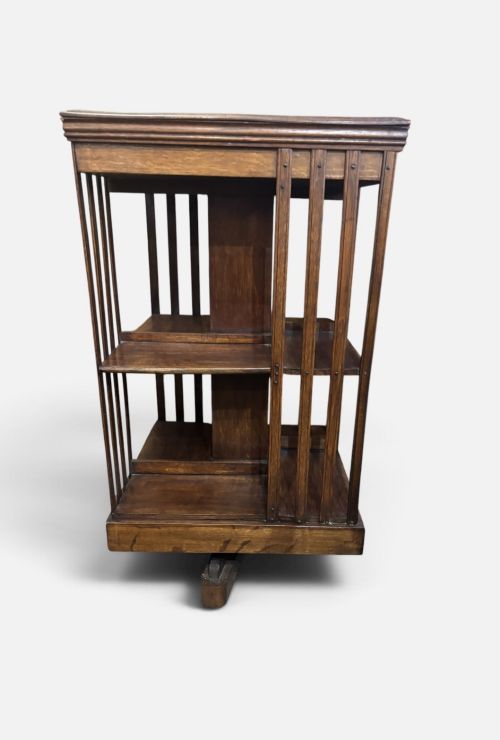
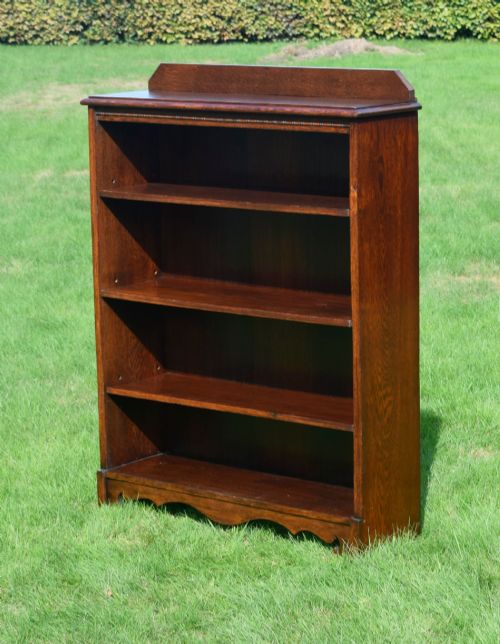
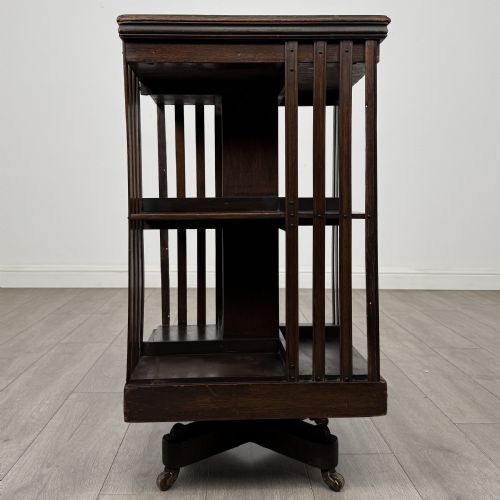
The version you are most likely to meet on this page is an Edwardian or 1920s open bookcase in solid oak, often reflecting the honest construction principles of the Arts and Crafts movement. Simple open fronts dominate the selection, though variations include revolving models, slope-shelf fireside troughs, and metamorphic designs.
How They Were Made
Carpenters constructed these pieces primarily from solid oak, sometimes combining secondary timbers such as beech or incorporating structural iron and brass hinges, brackets, and extendable slides. Surfaces often display a warm golden oak tone, accentuated occasionally by marquetry, decorative cut-outs, carved details, or beaded edges.
Joinery methods prioritized everyday utility and durability, resulting in sturdy open shelves, fixed partitions, and folding reading mechanisms. Makers utilised traditional framing techniques to ensure that book stands and magazine racks could support heavy volumes without losing structural integrity.
Antique Oak Book Rack Retail Price Guide 2026
Typical asking prices for oak book rack among the pieces listed under this phrase on Sellingantiques today, from the lower quarter to the upper quarter. They describe what is for sale here now, not the wider market.
The documented periods span from the nineteenth century through the Edwardian era and into the 1930s.
What Varies in Quality
The distinction between standard utility items and superior examples lies in the ambition of the design and the execution of details such as carved ornamentation, decorative cut-outs, and brass hardware. Pieces associated with named workshops or distinct movements like Arts and Crafts typically demonstrate more considered proportion and finer timber selection.
Structural robustness also separates the range, with superior pieces utilising solid oak throughout rather than mixed veneers or lesser secondary woods. The integration of mechanical elements, such as smooth-running extending book slides or revolving table mechanisms, further defines the standard of manufacture.
Arthur Simpson
The Antique Oak Book Rack Glossary
- Arts and Crafts
- A design movement emphasising handcraftsmanship, simple forms, and natural materials. It heavily influenced furniture production around the turn of the twentieth century.
- Book Trough
- A small, open-topped shelving unit designed to hold volumes at an angle for easy reading. They often sat by firesides or upon tabletops.
- Extending Book Slide
- An adjustable desk accessory with sliding sections designed to hold a varying number of books upright between two terminal ends.
- Gothic Revival
- An architectural and decorative style drawing inspiration from medieval forms. It appears in furniture through pointed arches, heavy carvings, and structural verticality.
- Revolving Bookcase
- A compact shelving unit mounted on a rotating pivot base. It allows access to multiple tiers of books from a single seated position.
Antique Oak Book Rack: Frequently Asked Questions
How were these racks used?
Original users placed these items beside armchairs, on top of desks, or along library walls to keep current reading material close at hand. Troughs and magazine racks held periodicals, while extending slides managed a row of reference books on a tabletop.
Their practical design allowed readers to browse titles quickly without needing heavy glass-fronted cabinetry. Many combined multiple functions, acting simultaneously as side tables and book storage.
How do I style one at home?
Living with these pieces involves placing them where their timber tones complement existing furniture, such as beside a sofa or under a window. Open shelves invite mixed displays of vintage volumes, small objects, and everyday reading collections.
Because many examples have a compact footprint, they fit easily into alcoves or narrow hallways. Their sturdy oak construction ensures they function reliably as active furniture rather than static display items.
How do I identify Edwardian oak pieces?
Edwardian oak pieces, produced roughly between 1901 and 1910, often feature lighter golden oak finishes compared to darker Victorian furniture. They frequently display Arts and Crafts influences, such as unpretentious joinery, chamfered edges, and simple cut-out handles.
Makers of this era favoured honest construction over heavy ornamentation, letting the natural grain of the solid oak define the aesthetic. Proportions tended toward the smaller and more portable to suit changing domestic spaces.