


Antique Oak Bench Stool
An antique oak bench stool offers solid timber and honest joinery, serving as a versatile seat or low surface in any room.
Antique Oak Bench Stool
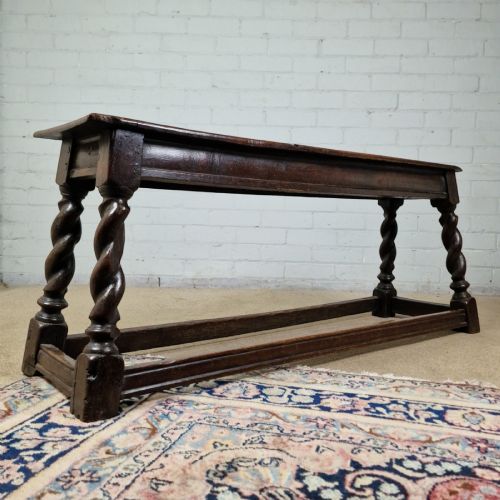
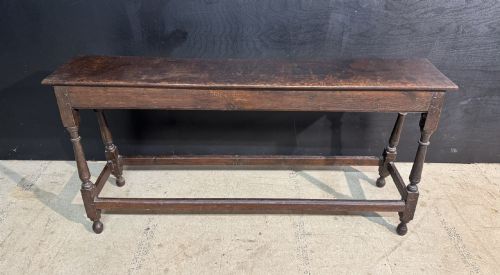
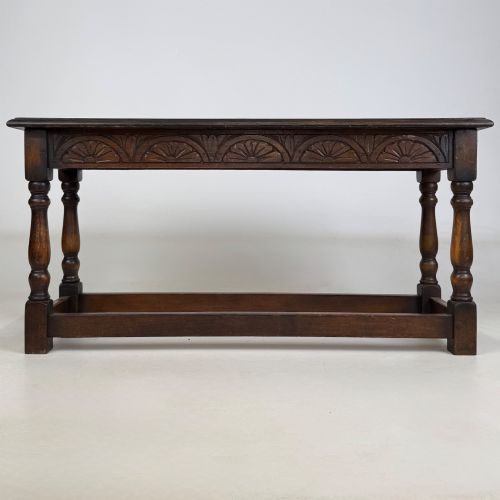
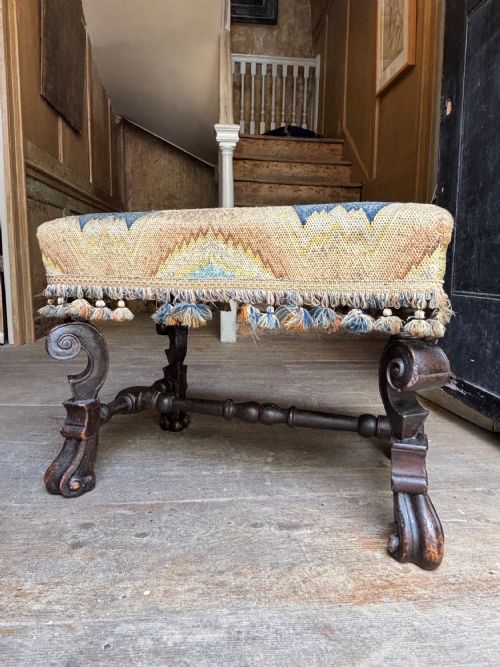
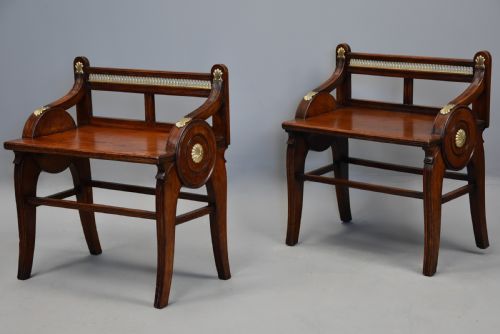
An antique oak bench stool combines the low profile of a seat with the elongated proportions of a bench, drawing from centuries of utilitarian and decorative forms. Buyers searching for this phrase encounter pieces ranging from seventeenth-century joint stools to nineteenth-century Gothic revival window seats and Edwardian hallway furniture.
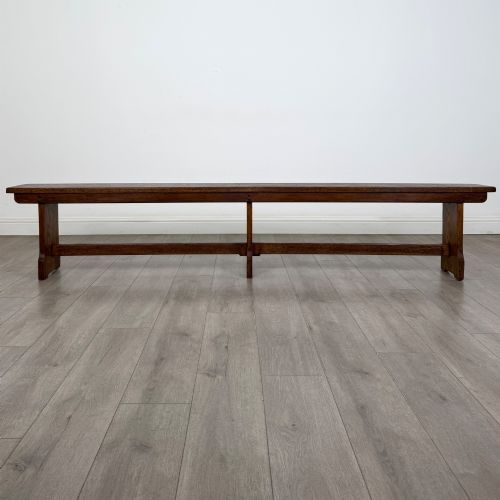
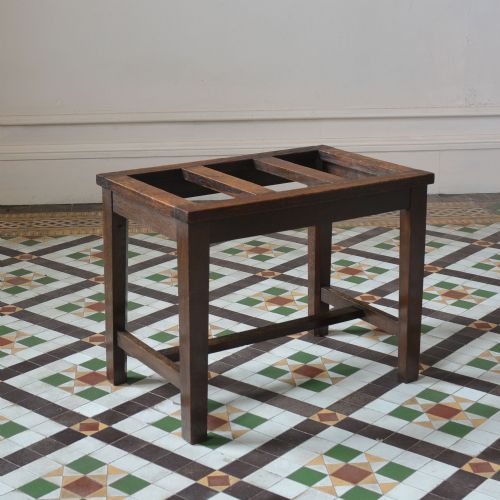
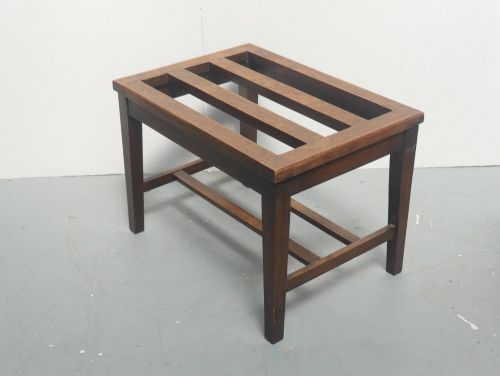
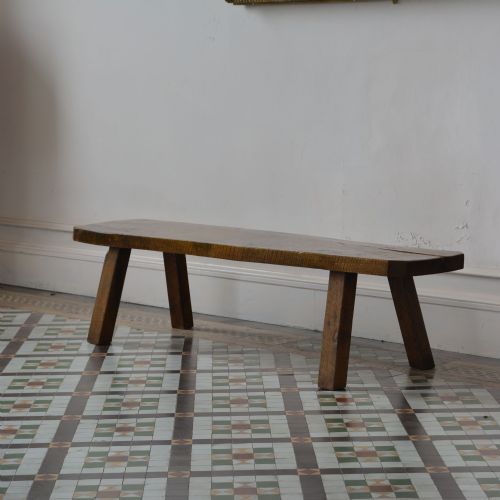
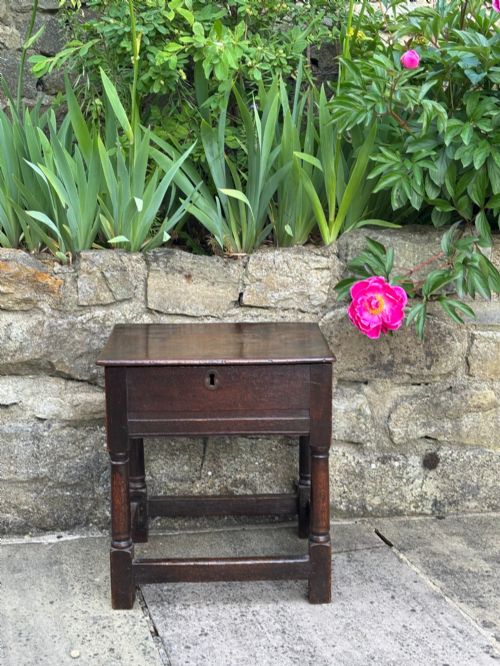
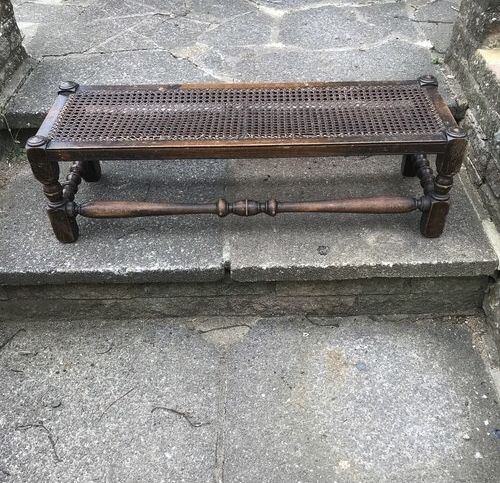
The selections on this page lean heavily towards nineteenth-century examples alongside seventeenth-century survivals, Edwardian luggage racks, and rustic country seating. Forms include long tavern benches, joint stools, box stools, and piano stools built for specific domestic tasks.
Origins stretch across English workshops and regional vernacular traditions, encompassing Gothic, Jacobean, Arts and Crafts, and rustic farmhouse styles. Each piece reflects the functional demands of its era, whether for milking, praying, or resting luggage at the foot of a bed.
What Varies in Quality
Quality rests in the integrity of the timber and the honesty of the construction, distinguishing robust vernacular work from later revival pieces. Pieces retaining their original pegs, uncompromised joints, and surface patination command greater appreciation among collectors.
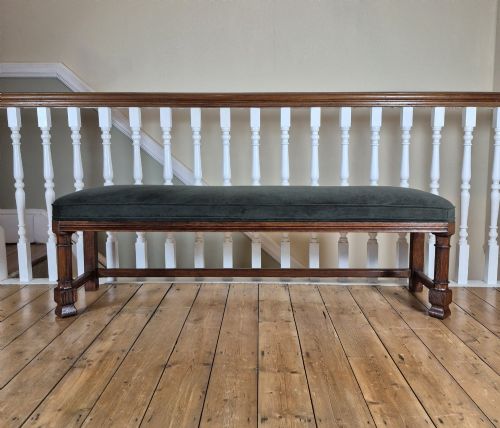
Carving depth and the crispness of detail separate standard production items from master-carved examples, such as those bearing lion heads or intricate tracery. The integration of materials like brass mounts, cane webbing, or quality upholstery also marks the distinction between utilitarian work and high-status seating.
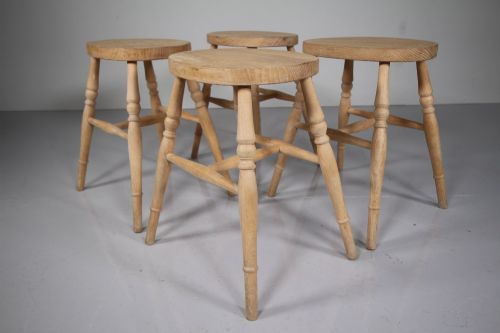
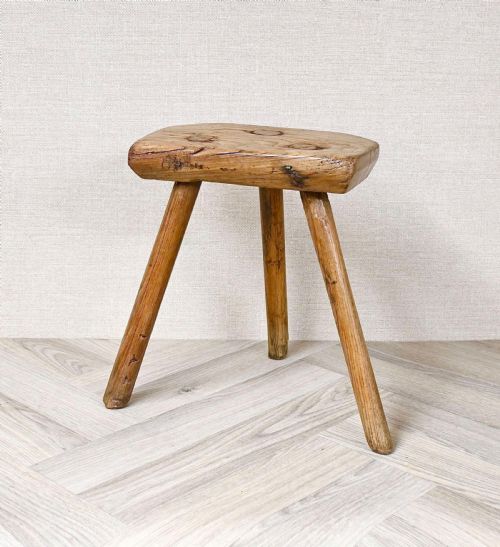
Several listings record humble cobbler and milking stools, proving that everyday farmyard seating scrubbed up well enough to survive centuries.
James Shoolbred & Co
The Antique Oak Bench Stool Glossary
- Joint stool
- A sturdy wooden stool constructed with pegged mortise and tenon joinery rather than turned legs glued into place. These pieces date largely from the sixteenth and seventeenth centuries.
- Pig bench
- A low wooden bench traditionally utilised for butchery or farm tasks in the countryside. Their utilitarian origins result in thick timber slabs and robust, simple legs.
- Luggage rack
- A low bench designed for holding travel bags at the foot of a bed or in a hallway. Edwardian examples often feature slatted oak tops and open lower shelves.
- Five-plank stool
- A primitive form constructed from five distinct boards pegged together without complex framing. This construction method represents early vernacular furniture-making.
- Carolean
- Pertaining to the reign of King Charles the Second, marked by exuberant baroque carving and turned woodwork. Pieces from this era display rich surface detail.
Antique Oak Bench Stool: Frequently Asked Questions
What is an antique oak bench stool used for?
These pieces serve multiple purposes around the home, acting as low seating in hallways, window seats in living rooms, or occasional tables for books and plants. Their compact footprint makes them adaptable for tight spaces.
Historically, specific forms were built for milking, praying, or resting luggage, but today they function primarily as flexible accent furniture in both traditional and modern interiors.
How do I tell a seventeenth-century stool from a Victorian revival?
Seventeenth-century pieces display genuine age through tool marks, hand-carved details, and timber shrinkage that creates organic irregularities in the wood. The joinery relies on hand-cut pegged joints that have settled over centuries.
Victorian revival pieces, particularly those in the Gothic or Jacobean taste, often feature machine-sawn elements, harder edges, and a uniformity of finish that reflects nineteenth-century manufacturing capabilities.
What is a joint stool?
A joint stool is a sturdy wooden seat built using tight mortise and tenon joints held together with wooden pegs. The term derives from joined work, distinguishing them from simpler nailed or boarded construction.
They were common in seventeenth-century households as flexible seating that could be easily tucked away or stood upon when needed.
How should I care for an antique oak bench stool?
Keep wooden surfaces clean by dusting with a dry cloth and occasionally feeding the timber with traditional beeswax to maintain the natural patination. Avoid placing the piece near direct heat sources or in damp environments to prevent splitting.
Upholstered sections benefit from gentle vacuuming and professional cleaning when necessary to protect antique fabrics like velvet, leather, or damask.