



Antique Oak and Elm Furniture
Antique oak and elm furniture combines sturdy domestic timbers in utilitarian country forms that bring honest grain and tactile warmth to an interior.
Antique Oak and Elm Furniture
When you search for antique oak and elm furniture, you encounter robust domestic pieces built for everyday utility in rural houses, farmhouses and taverns. The selection spans the seventeenth, eighteenth and nineteenth centuries, taking in Georgian and Victorian periods alongside regional vernacular styles.
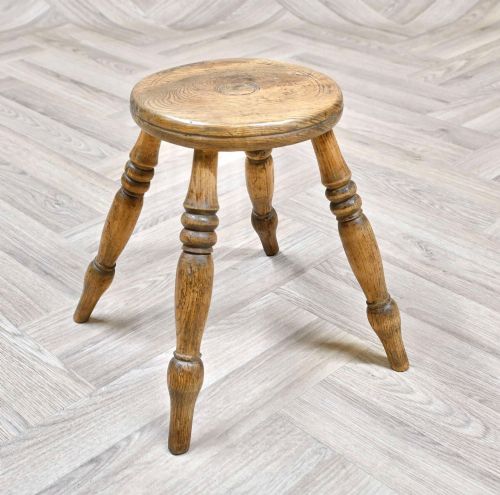
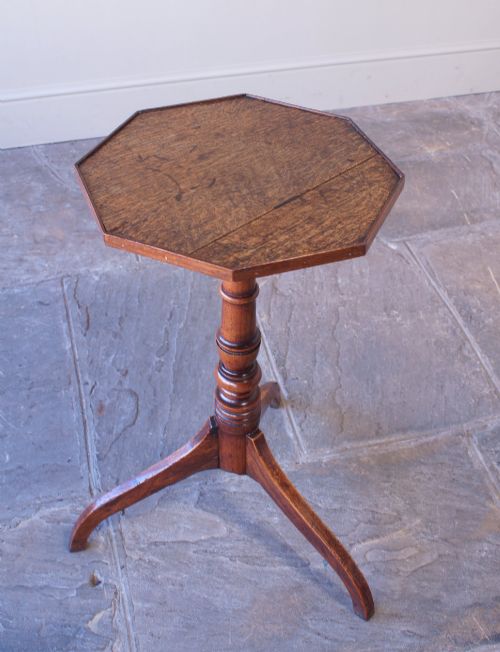
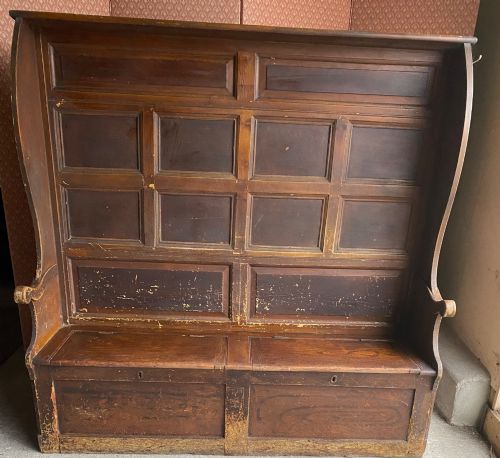
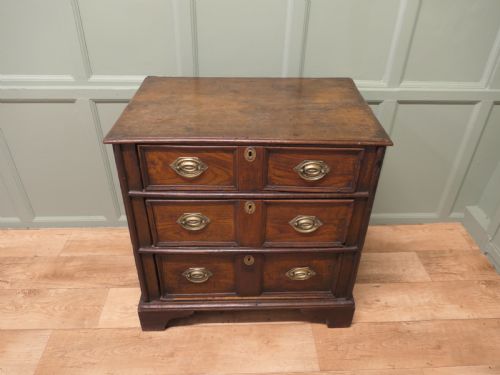
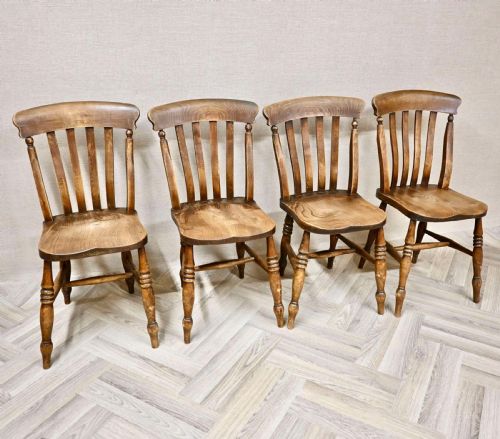
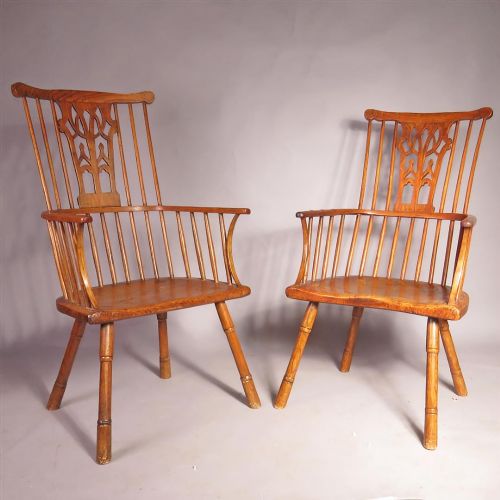
The forms you are most likely to meet on this page include country dining chairs, Windsor armchairs, joint stools, refectory tables, dressers, settles and chests of drawers. These items rely on the combination of oak for structural frames and elm for seats, tops and panels.
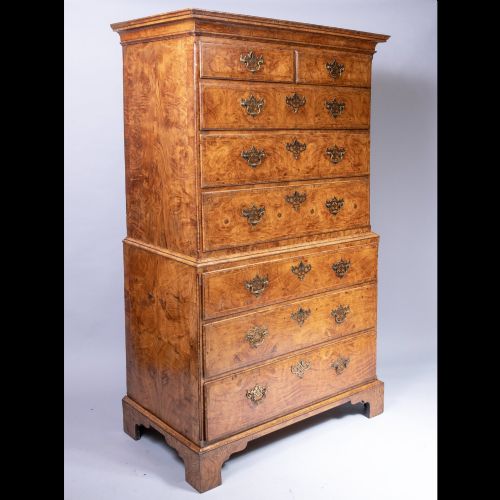
Makers working within English country traditions utilised these native timbers because they were locally abundant and physically dependable. The results range from simple cricket tables and milking stools to architectural court cupboards and tallboys.
What varies in quality
Quality in these vernacular pieces rests upon the figuring and selection of the timber, particularly where burr elm or single plank tops display rich grain movement and natural patination. The integrity of the original construction, minimal replacement of parts and the retention of honest surface wear dictate distinction.
Refinement of turning on chair legs and spindles separates standard provincial workshop production from finer regional examples, such as Thames Valley or Welsh stick chairs. Proportion, balance and the harmony between the oak framework and elm panels determine the overall presence of each item.
Antique Oak and Elm Furniture Retail Price Guide 2026
Typical asking prices for oak and elm furniture among the pieces listed under this phrase on Sellingantiques today, from the lower quarter to the upper quarter. They describe what is for sale here now, not the wider market.
Materials recorded across the selection include solid elm, oak, ash, beech, yew, burr elm, pine and structural brass elements.
The Antique Oak and Elm Furniture Glossary
- Windsor chair
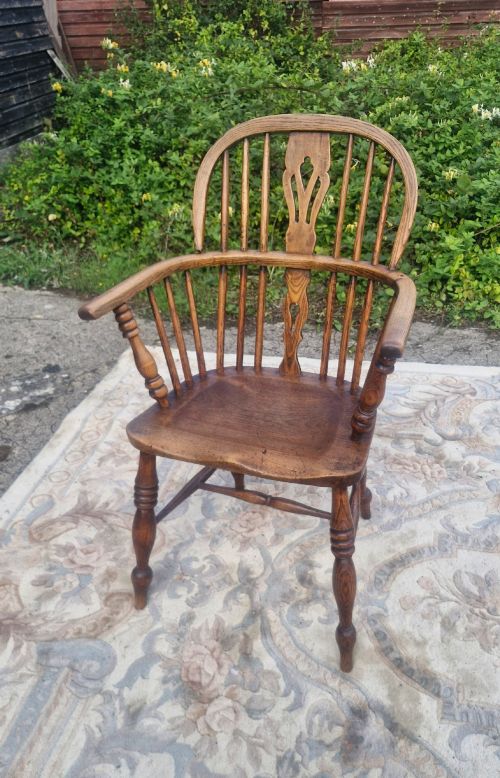
- A wooden chair featuring a thick moulded timber seat into which legs and stick back spindles are wedged directly. These chairs utilise elm for the seat due to its interlocking grain.
- Joint stool
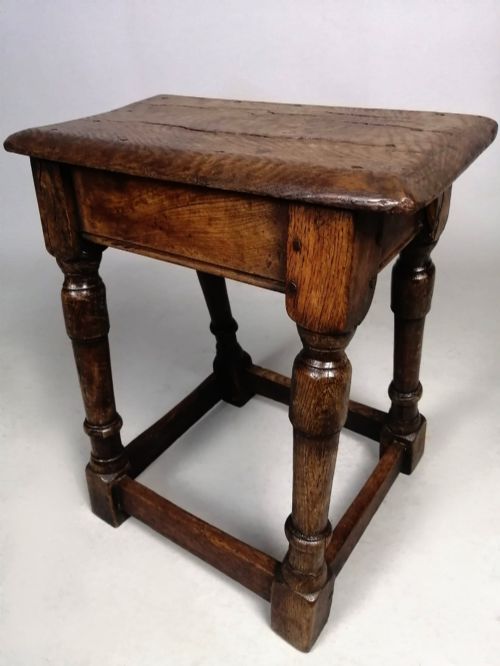
- A sturdy domestic seat constructed with pegged mortise and tenon joinery rather than turned legs alone. Carpenters built these low rectangular seats for general household use.
- Refectory table
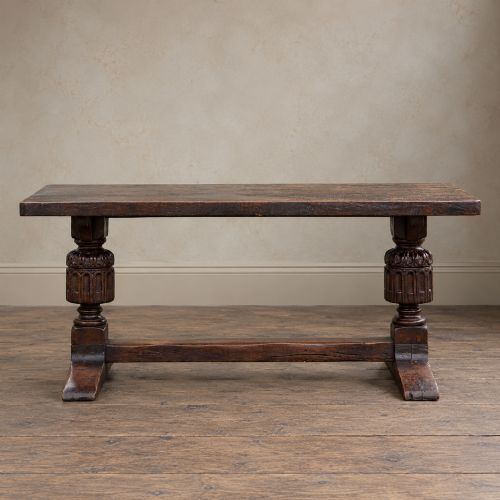
- A long dining table supported by heavy legs connected by stretchers. Examples from this tradition combine oak frames with single plank elm tops.
- Cricket table
- A small three-legged occasional table with a round top and pegged construction. The triangular base provides stability on uneven stone floors.
- Settle
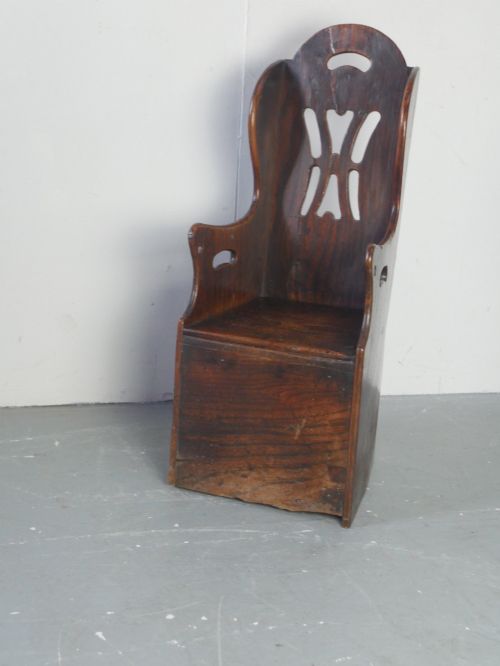
- A high-backed wooden bench designed to block cold drafts in domestic rooms. Many versions incorporate enclosed box bases or hinged seats for storage.
Antique Oak and Elm Furniture: Frequently Asked Questions
What is the difference between oak and elm?
Oak is a hard, heavy timber with a prominent open grain that offers high structural strength for frames and legs. Elm is a tough, fibrous wood that resists splitting under stress, making it ideal for chair seats and large tabletops.
Cabinet makers combined them because oak held joints rigid while elm endured constant daily friction and weight.
How do I care for antique elm furniture?
Keep these pieces away from direct heat sources and drastic humidity changes to prevent the timber from warping or splitting. Apply natural beeswax polish occasionally to nourish the dry grain and maintain the surface sheen.
Avoid modern silicone sprays, which sink into the pores of old wood and attract dust.
Where were these country pieces made?
Most items originate from rural workshops across English counties, with distinct regional traditions emerging in places like the Thames Valley and Wales. Local bodgers and carpenters utilised whatever native timber grew nearby.
Town workshops also produced similar vernacular designs for domestic and tavern use.
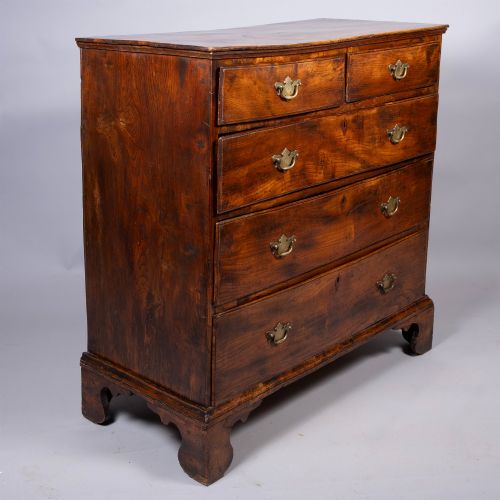
How can I date an elm chest of drawers?
Examine the construction methods inside the drawers, such as hand-cut dovetails and side-hung drawer runners rather than modern metal guides. Look at the timber boards on the back and bottom, which show irregular hand-planed marks.
Patina, wear patterns around the handles and the type of secondary woods used also indicate the period.