
Antique Oak Accent Desk
An antique oak accent desk brings rich timber grain and centuries of utility into a room.
Antique Oak Accent Desk
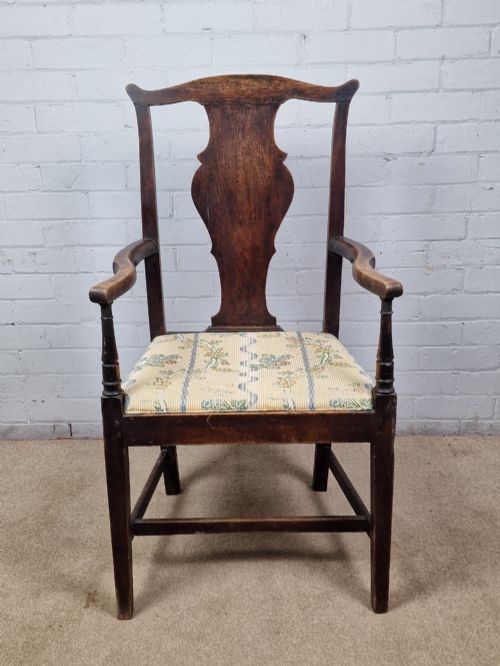
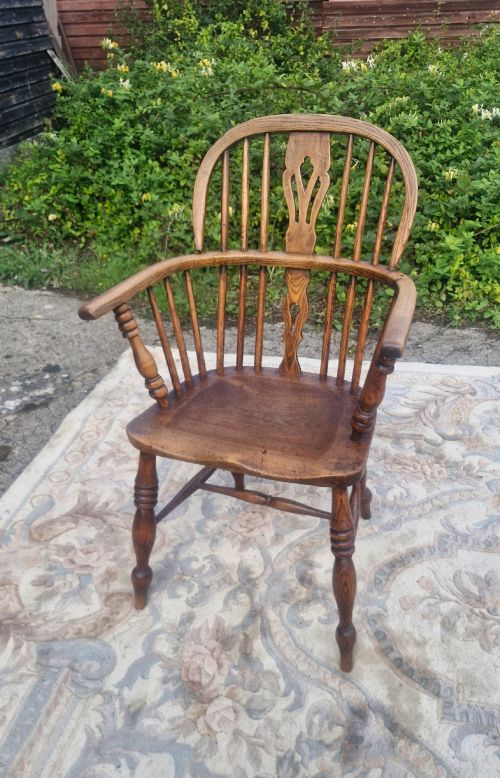
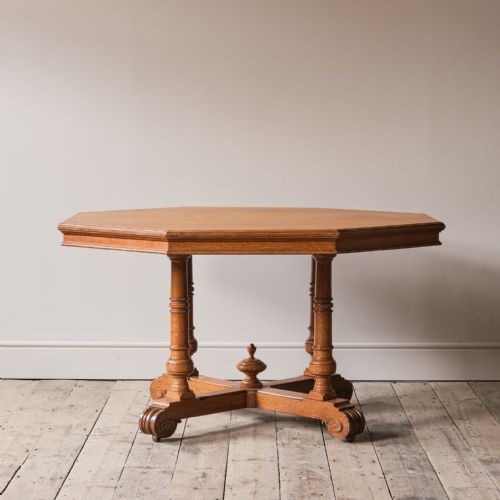
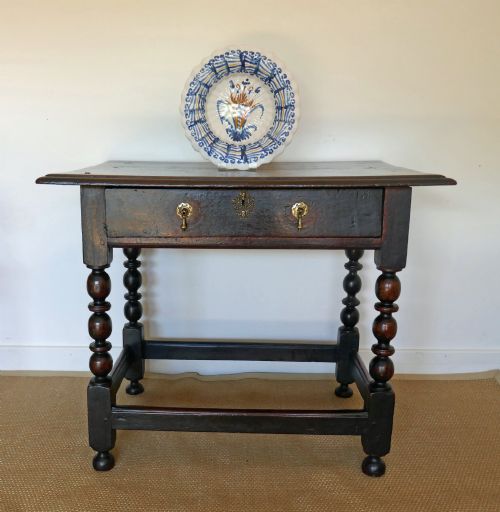
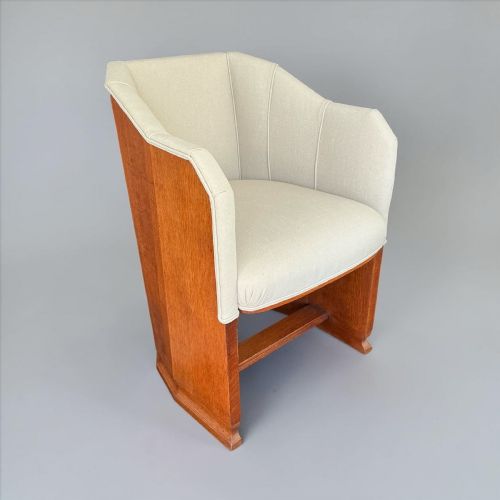
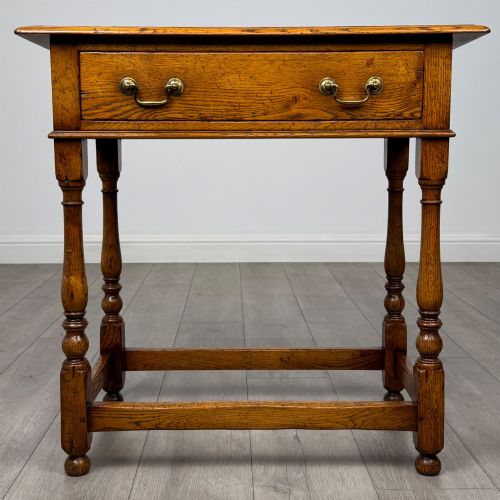
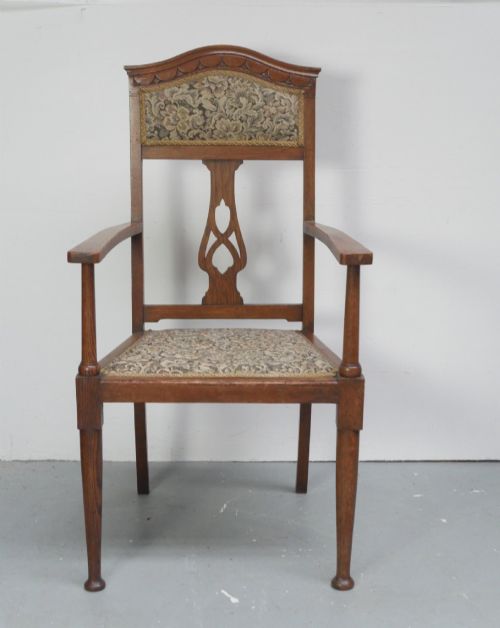
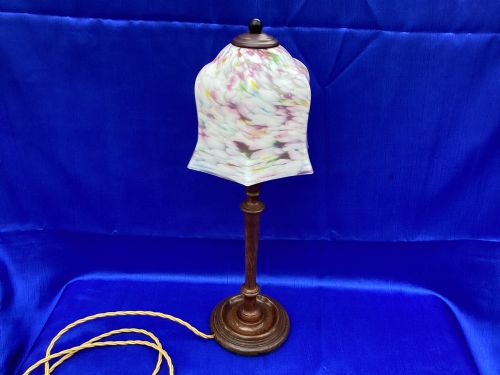
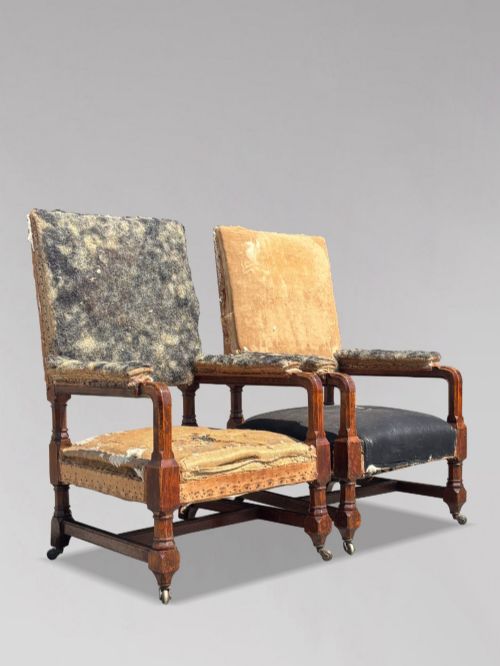
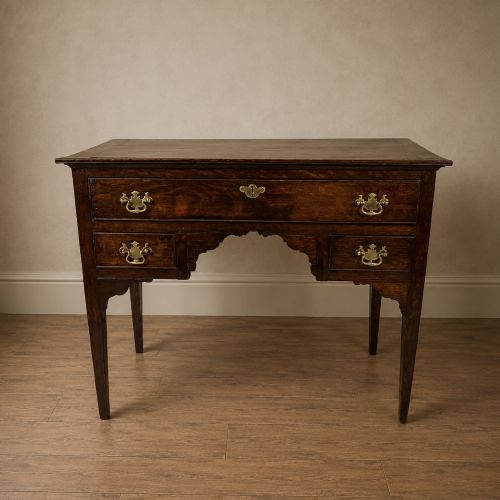
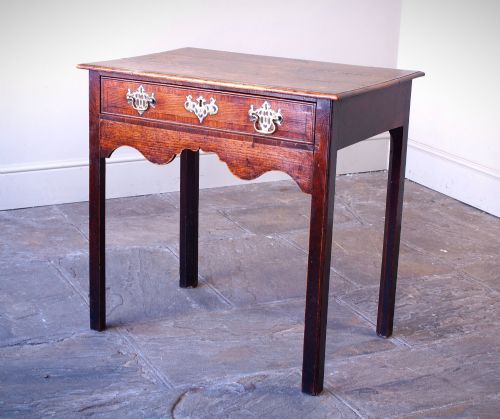
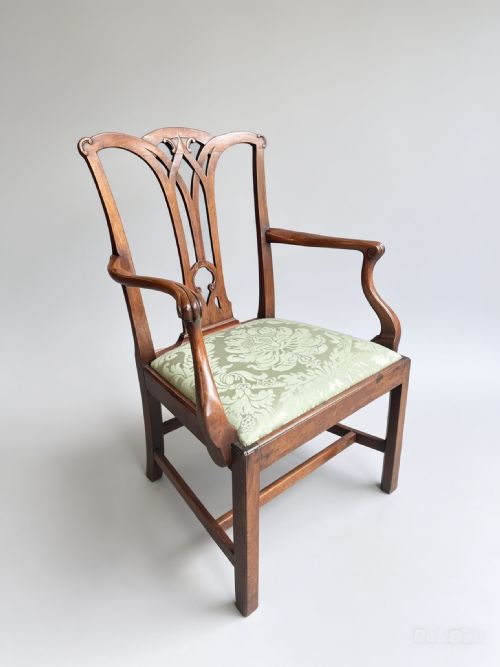
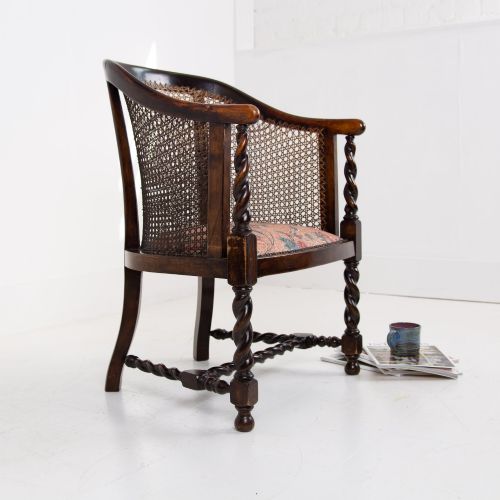
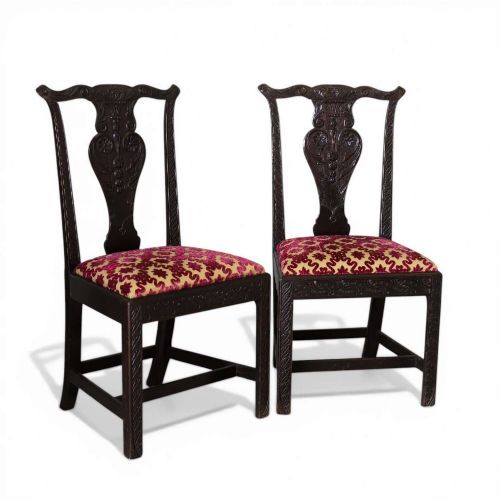
When people search for an antique oak accent desk, they find a variety of smaller timber furnishings spanning from the seventeenth century through to the 1930s. The selection on this page leans heavily toward side tables, occasional tables, centre tables, and various chairs such as armchairs and side chairs, reflecting how utilitarian oak pieces were adapted across different eras.
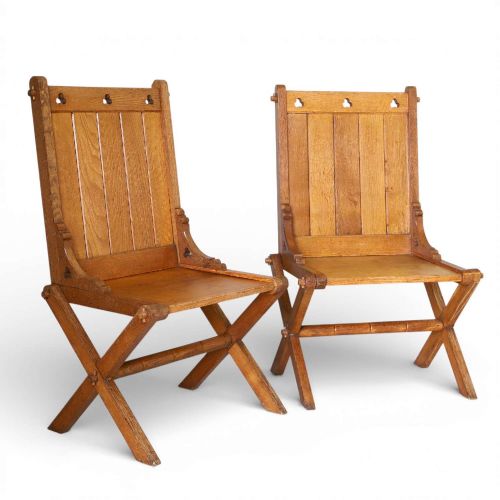
The periods represented stretch from the robust craftsmanship of the 17th century and Georgian eras through Victorian Gothic revivals and into early twentieth-century designs. Buyers will encounter forms like lowboys, prayer desks, and gossip chairs alongside golden oak side tables.
Originating largely from British workshops and country makers, these smaller items provide functional surfaces and seating without dominating a room. They offer practical utility paired with historic character.
What varies in quality
The distinction between ordinary and superior pieces rests on the depth of hand-carving, the crispness of turned details like bobbin legs, and the proportions of the timber framework. Earlier seventeenth and eighteenth-century examples exhibit heavier scantlings and bolder proportions compared to later Edwardian or 1930s interpretations.
The integrity of the original timber grain, the retention of period hardware, and the quality of sympathetic reupholstery on seating determine the overall stature of a piece. Pieces reflecting specific design influences, such as Gothic Revival or Chippendale patterns, command attention through fidelity to those historic styles.
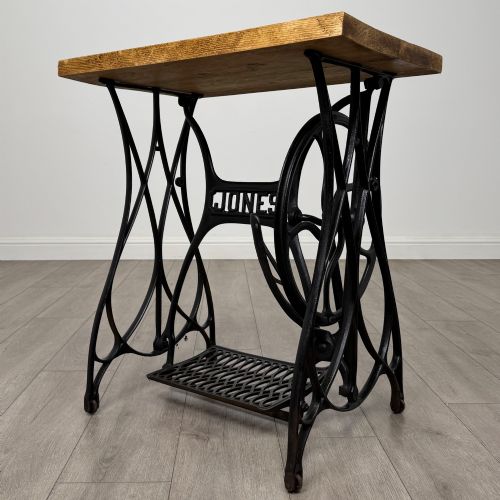
Materials paired with the primary oak include cane, velvet, leather, brass, and industrial iron across various stylistic periods.
Rowland Ward of London
The Antique Oak Accent Desk Glossary
- Lowboy
- A small oak side table with one or more drawers, originating in the eighteenth century.
- Prie-Dieu
- A low devotional chair or prayer desk featuring a narrow shelf for kneeling and resting elbows.
- Bobbin chair
- A seating form characterised by turned woodwork resembling a string of spools or bobbins.
- Gothic Revival
- A nineteenth-century style drawing on medieval architectural motifs like trefoils and pointed arches.
- Centre table
- A freestanding table designed to be viewed from all sides rather than pushed against a wall.
Antique Oak Accent Desk: Frequently Asked Questions
How do I date an oak side table?
Dating relies on examining construction methods, timber patination, and the style of the legs and stretcher base. Seventeenth and eighteenth-century examples display pegged joints and hand-sawn boards, whereas later pieces show more uniform machine-cut elements.
Hardware and secondary timbers also provide clues. Oak colour deepens naturally over centuries, acquiring a rich warm tone that modern staining struggles to replicate authentically.
Are these oak chairs comfortable for daily use?
Many antique chairs, particularly Victorian library armchairs and upholstered designs, offer generous proportions and supportive seating. Stiff upright side chairs from the seventeenth century were built for a more formal posture rather than lounging.
Buyers should consider adding loose cushions if using firmer wooden seat styles for extended periods. The solid timber construction ensures structural stability for daily sitting.
How should I care for antique oak furniture?
Maintain the timber by applying natural beeswax sparingly to nourish the grain and preserve the finish. Avoid placing oak pieces near direct heat sources or in strong sunlight, which can dry out the wood and cause splitting.
Dust regularly with a soft cloth. Treat leather inserts and fabric upholstery gently according to their specific material requirements.