



Antique Nut Dish
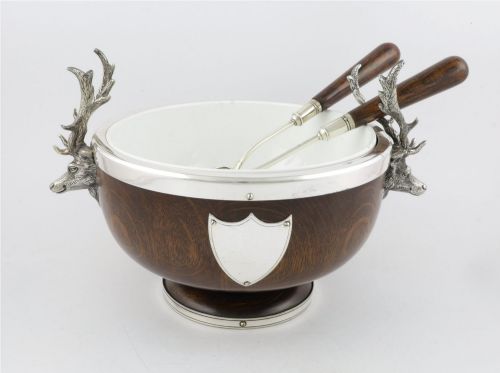
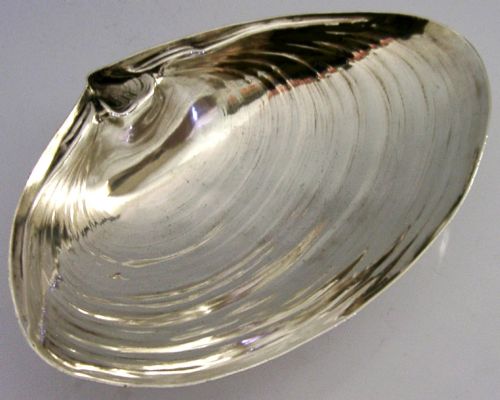
An antique nut dish brings tactile history to the table, taking the form of silver shells, carved horn bowls, and novelty vessels from the Victorian and Edwardian eras.
Antique Nut Dish
When you search for an antique nut dish, you encounter small receptacles designed for serving edibles during formal dining or parlour gatherings. The pieces span periods from the nineteenth century into the Art Deco twentieth century, reflecting varied social habits across Britain, Europe, and beyond.
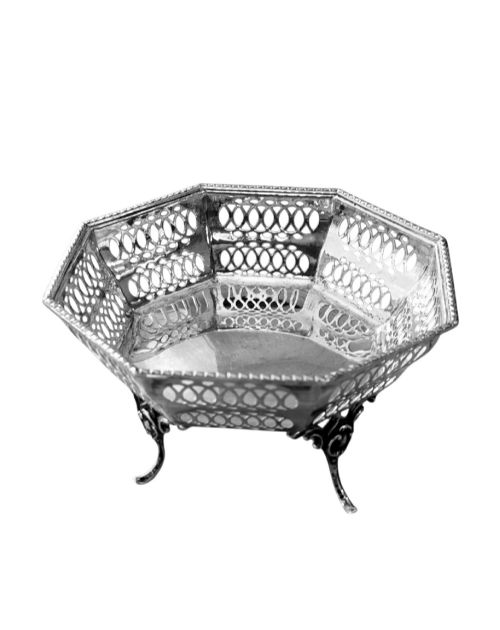
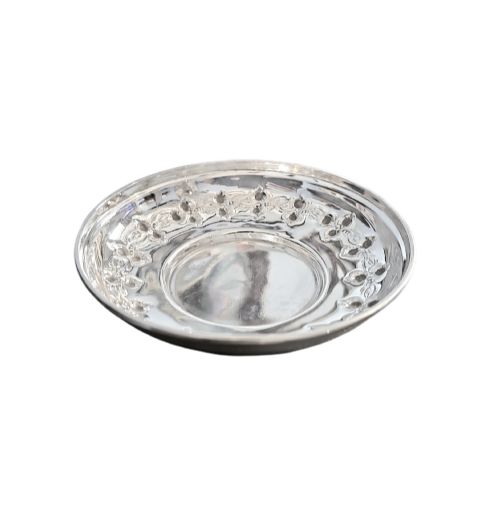
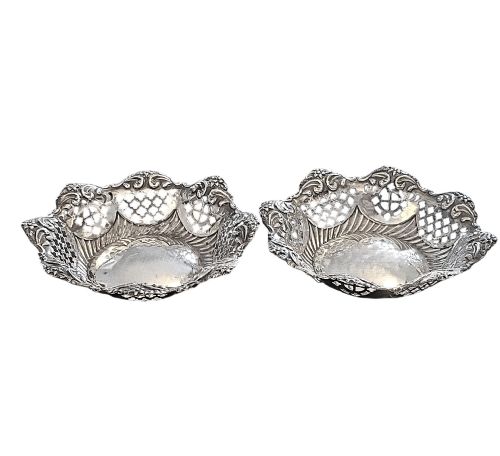
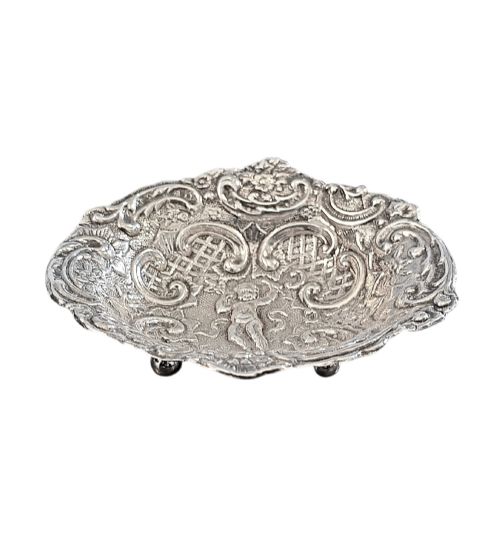
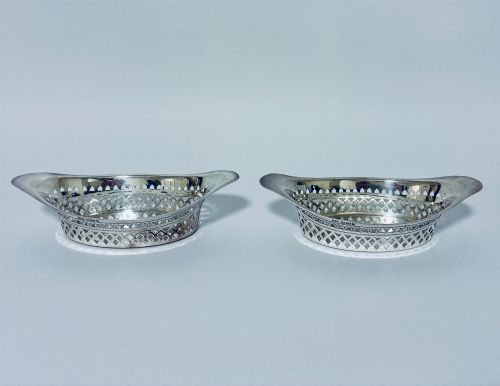
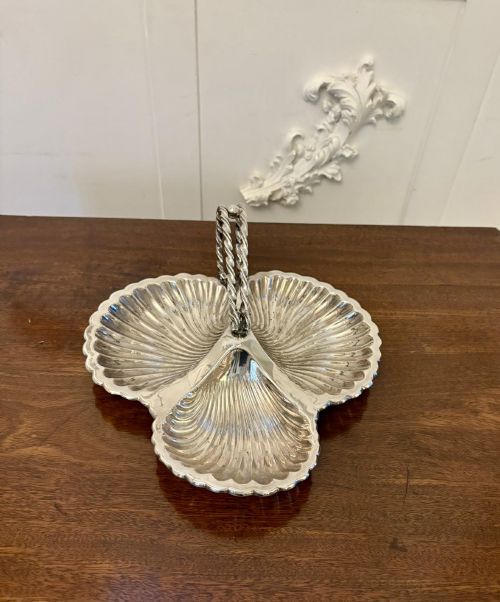
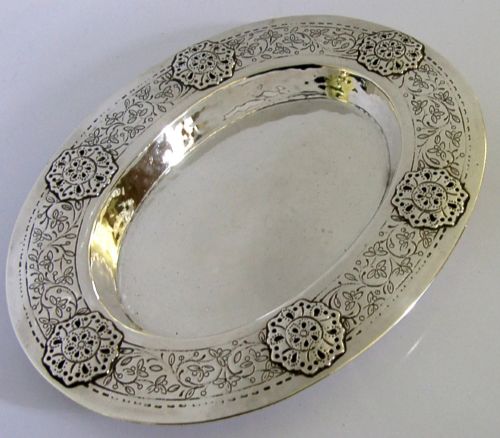
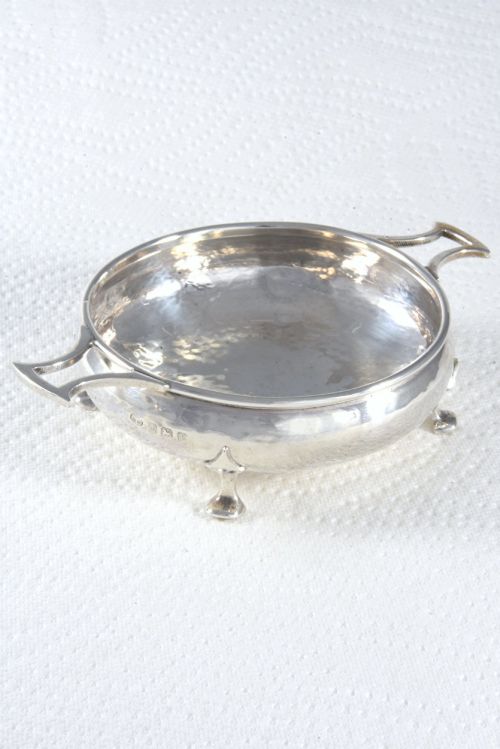
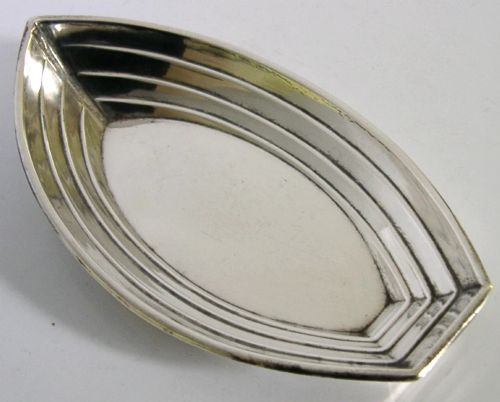
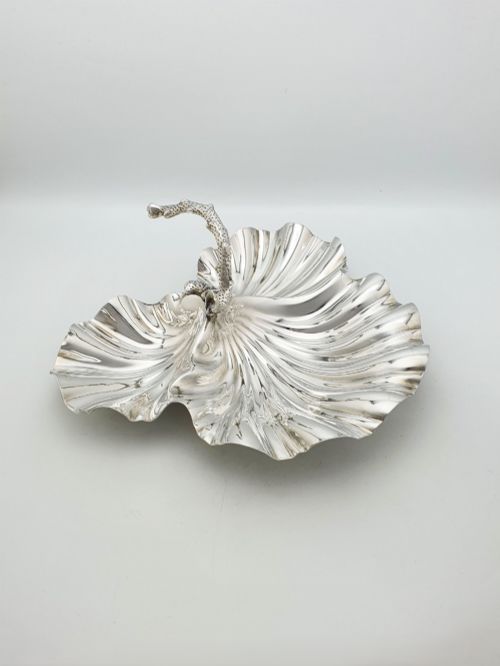
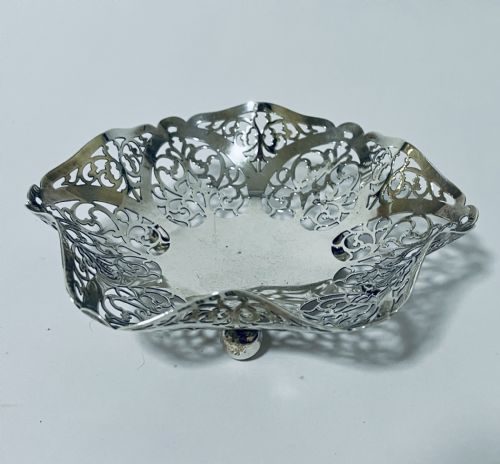
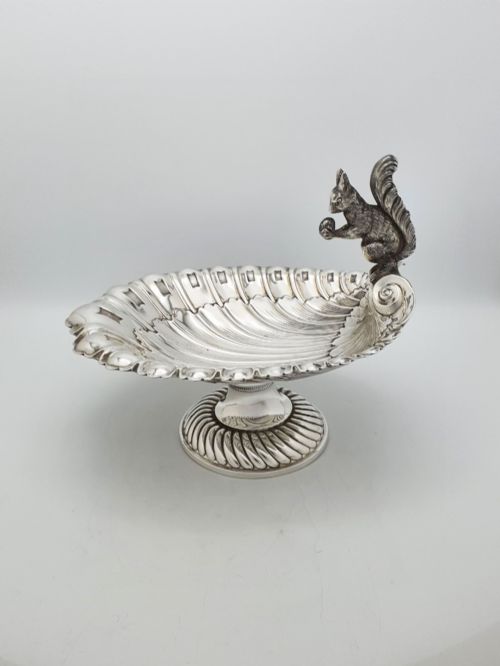
The most common forms on this page include bonbon dishes, decorative bowls, and novelty items shaped like animals, leaves, or boats. Materials range from solid sterling silver and silver plate to carved horn and opaline glass.
Many examples double as trinket dishes or small serving vessels, possessing distinct stylistic markers from Victorian naturalism to Arts & Crafts simplicity and Edwardian Rococo Revival.
Materials and Construction Techniques
Makers utilised sterling silver and silver plate as primary metals, often employing stamping, casting, and repoussé techniques to achieve detailed ornamentation. Plated items frequently relied on electroplated nickel silver as a durable base for decorative finishes.
Organic materials also entered the repertoire, notably carved horn mounted with silver and tortoiseshell paired with silver wirework. Glass pieces such as green opaline shells incorporated gilt edges to elevate their display appeal.
Antique Nut Dish Retail Price Guide 2026
Typical asking prices for nut dish among the pieces listed under this phrase on Sellingantiques today, from the lower quarter to the upper quarter. They describe what is for sale here now, not the wider market.
Distinctions in Quality and Execution
Quality rests upon the crispness of the metalwork and the integrity of the material, whether solid sterling silver or a carefully carved natural horn. Heavy gauge silver and well-defined hand-chased motifs distinguish finer pieces from lighter, mass-produced alternatives.
The distinctiveness of the design also plays a role, separating standard circular bowls from sculptural novelty pieces modelled as squirrels, rowing boats, or Viking longships. Maker attribution and clear hallmarks anchor the provenance and elevate the standard of the piece.
William Aitken·Mitchell Bosley & Co·Thomas Bradbury & Sons·Mappin & Webb·Liberty & Co·Wallace·WMF·Garrard London
The Antique Nut Dish Glossary
- Bonbon dish
- A small, open vessel intended for holding sweets or nuts on a table. These pieces often feature pierced work or decorative handles.
- Sterling silver
- An alloy of silver containing 92.5 percent pure silver and 7.5 percent other metals, usually copper. This standard guarantees the durability required for domestic silverware.
- Electroplated nickel silver
- A base metal alloy of copper, nickel, and zinc coated with a thin layer of silver through electrolysis. It provided an affordable alternative to solid silver during the nineteenth and twentieth centuries.
- Repoussé
- A metalworking technique where the artisan hammers the metal from the reverse side to form a raised design in relief. This method creates tactile floral and scroll patterns on many dishes.
- Opaline glass
- An opaque or translucent glass produced in various colours during the nineteenth century. Scallop-shaped dishes in this material often featured painted gilt edges.
Antique Nut Dish: Frequently Asked Questions
What were antique nut dishes used for?
These small dishes held nuts, sweets, or small delicacies during formal dinners, teas, and parlour gatherings.
Hosts placed them within easy reach of guests, often pairing them with specialised tongs or spoons.
Are these dishes made only of silver?
While sterling silver and silver plate dominate the selection, makers also utilised organic and glass materials.
Examples include carved horn bowls with silver mounts, tortoiseshell baskets, and green opaline glass shaped like shells.
How do I identify the period of a silver dish?
Hallmarks stamped onto the metal provide the most reliable guide to a piece's age and origin.
Assay office marks, date letters, and maker's marks reveal the exact year and city of manufacture for British silver.
Can I use these dishes for modern dining?
Yes, many collectors incorporate these historic pieces into contemporary table settings for serving nuts or small snacks.
Gentle hand washing preserves the delicate patinas and any original gilding or horn mounts.