






Antique Nursery Rocker
An antique nursery rocker brings domestic history to life, offering small chairs, cradles and horses built for children over past centuries.
Antique Nursery Rocker
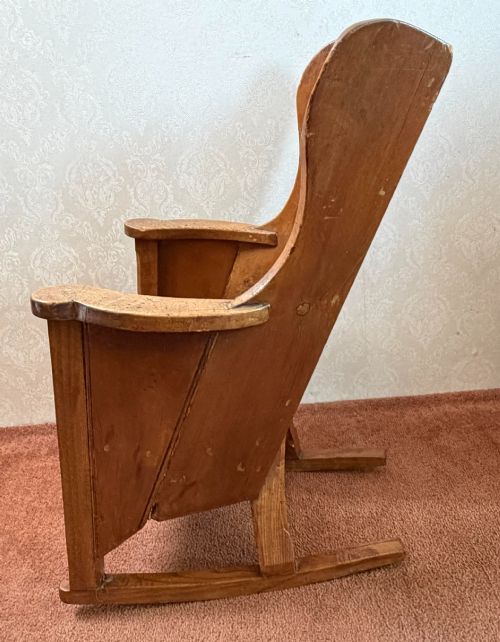
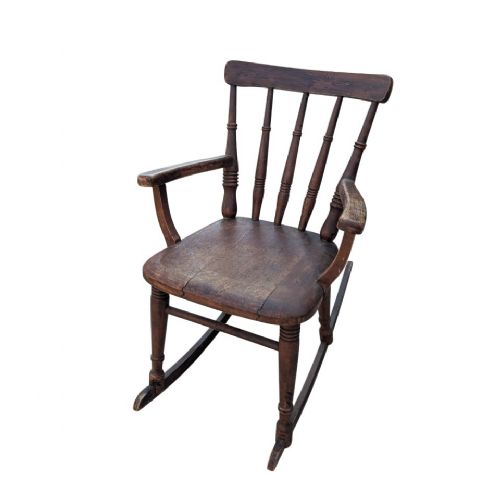
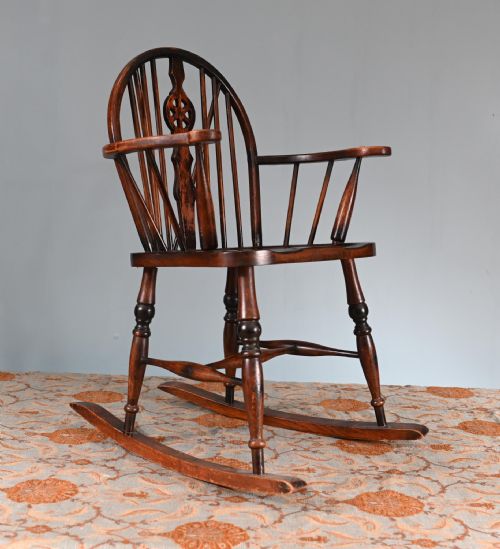
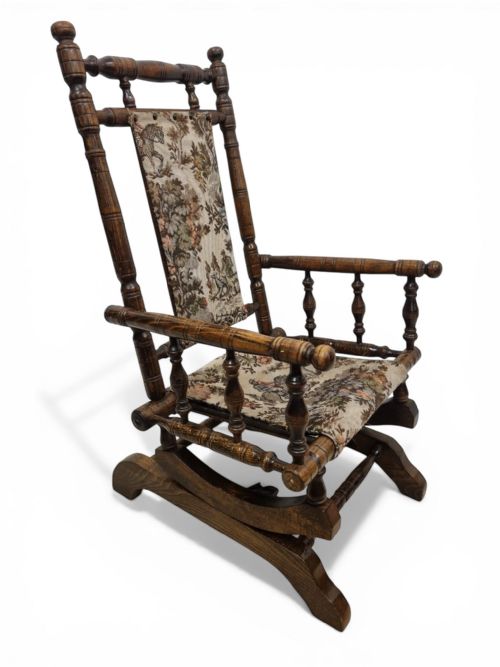
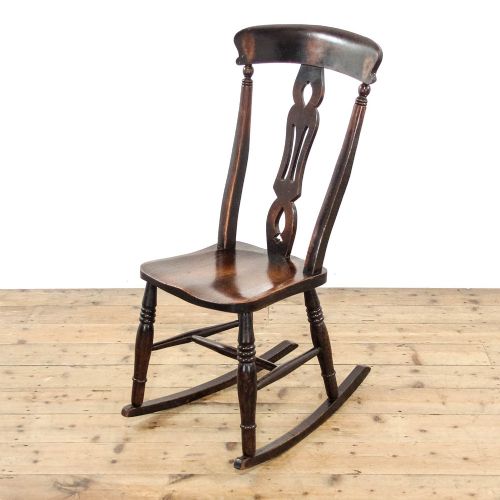
When you search for an antique nursery rocker, you encounter a varied group of children's seating, cradles, and rocking horses spanning the eighteenth, nineteenth, and early twentieth centuries. The selection on this page centres heavily on smaller seating forms, including Windsor chairs, spindle backs, and potty rockers designed for domestic use.
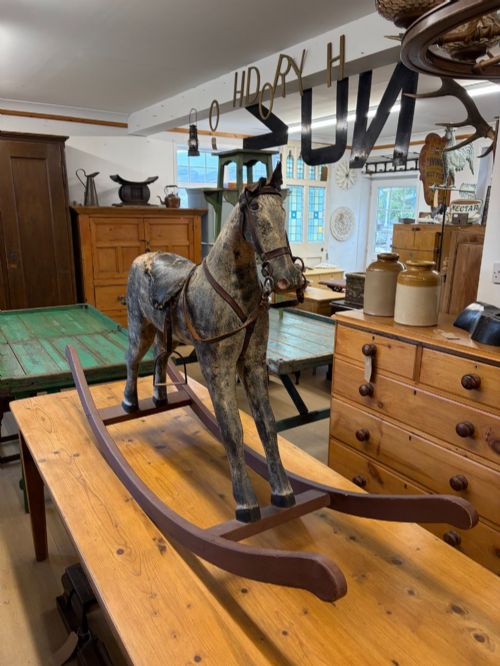
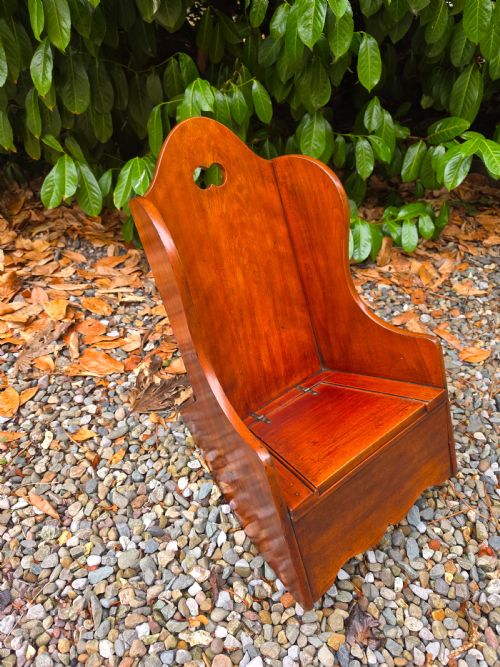
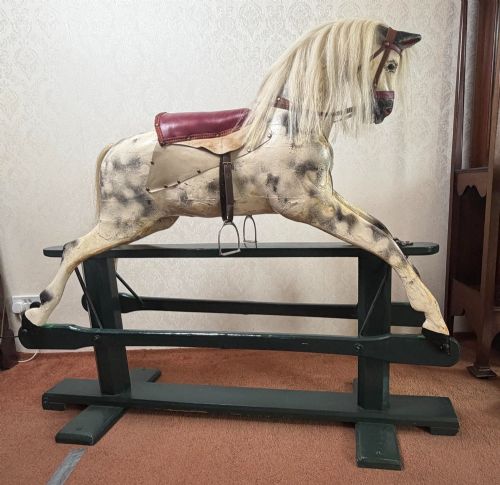
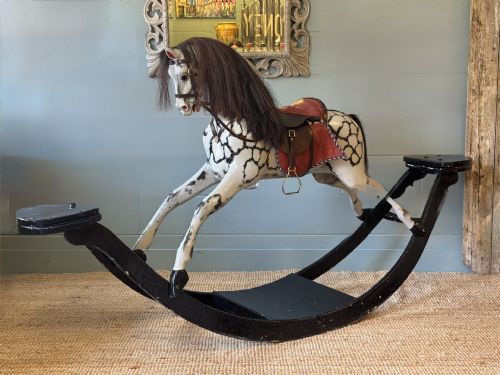
Beyond standard chairs, the category extends to larger play items like carved wooden rocking horses on original rockers, alongside practical infant furniture such as panelled pine and oak cribs. These pieces originate from diverse domestic settings, ranging from English and Welsh country workshops to Victorian parlours and Edwardian nurseries.
Materials and construction
These pieces rely heavily on native timbers such as beech, elm, oak, fruitwood, ash, and pine, chosen for their durability and grain. Makers utilised traditional construction methods like spindle backs, bentwood techniques, and moulded panel seats to build sturdy frames capable of withstanding daily childhood use.
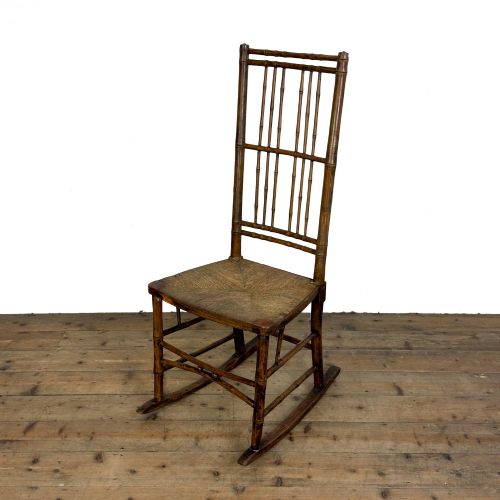
Upholstered variants incorporate period materials including leather, horsehair, and tapestry fabrics for padding and seat coverings. Surface finishes range from natural polished wood to original paint schemes, faux bamboo treatments, and ebonised detailing.
Listings span from 1700 through the Victorian era to the 1930s, featuring woods like beech, elm, oak, pine, and fruitwood.
What separates examples
The distinction between standard utility items and superior pieces often lies in regional craftsmanship, such as distinct Welsh or English country Windsor construction, and the degree of wear that respects the age of the object without compromising its structural stability.
G & J Lines of London·Thonet
The Antique Nursery Rocker Glossary
- Potty rocker
- A low child's wooden rocking chair featuring a pierced seat designed to accommodate a chamber pot underneath. These practical nursery seats date primarily to the Georgian and Victorian periods.
- Windsor rocking chair
- A traditional wooden chair built with structural sticks or spindles slotted into a solid wooden seat. They frequently feature characteristic wheelbacks or pierced splats.
- Bentwood
- A technique of steaming wood, particularly beech, until pliable and bending it into curved frames. This method defines many nineteenth-century and Edwardian rocking chairs.
- Crib
- A small infant bed mounted on rockers or cradling pivots to soothe babies to sleep. These are typically constructed from oak or pine with panelled sides.
Antique Nursery Rocker: Frequently Asked Questions
How are antique nursery rockers dated?
Dating relies on observing construction methods, timber choices, and stylistic traits typical of specific periods like the Georgian or Victorian eras. Examining tool marks and hardware assists in narrowing the timeframe.
Makers often employed specific joinery techniques that evolved over time, helping to separate eighteenth-century country pieces from later nineteenth-century examples.
Were these rockers meant for children?
Most pieces in this category, including small armchairs, potty rockers, and miniature horses, were built specifically for young children and toddlers. Dimension and scale usually confirm this domestic nursery use.
Larger seating variations occasionally served nursing mothers, while full-sized rocking horses provided play for children throughout the Victorian and Edwardian periods.
What wood types are most common?
Timbers vary according to the regional tradition and the specific type of object, with native hardwoods and softwoods both widely utilised. Beech, elm, oak, and pine appear frequently across the listings.
Fruitwood and mahogany also feature in select child's chairs, while pine was often selected for larger items like cradles and cribs.
How do I care for wooden rockers?
Preserving these pieces involves keeping them away from direct heat sources and drastic humidity changes to prevent the timber from splitting. Regular dusting with a dry cloth protects the finish.
Applying a traditional beeswax polish occasionally helps maintain the lustre of older wooden surfaces without building up heavy residues.