




Antique Nursery Hearth Guard
An antique nursery hearth guard keeps children safely away from open fires while bringing sturdy metalwork into the room.
Antique Nursery Hearth Guard
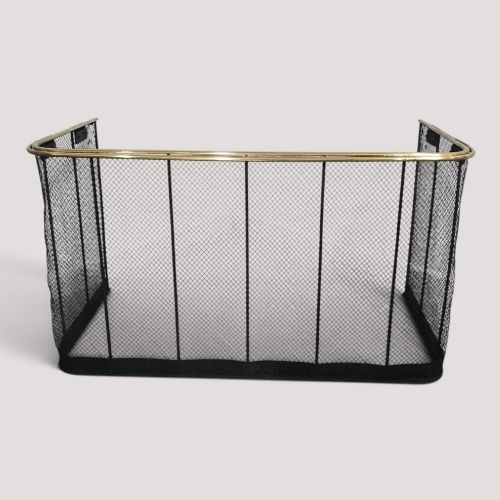
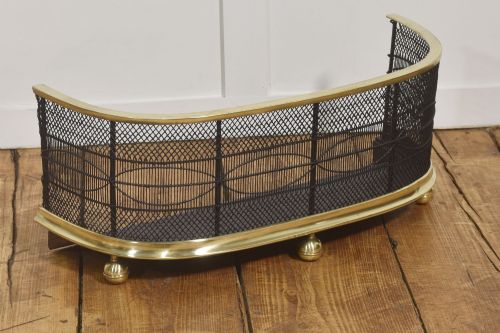
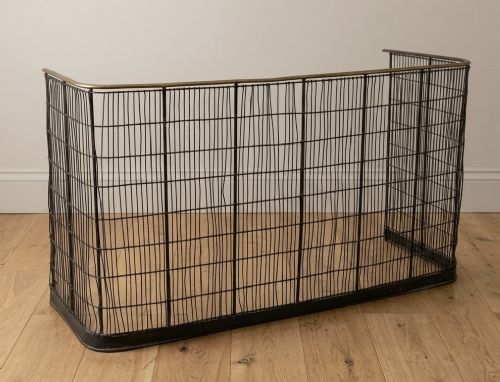
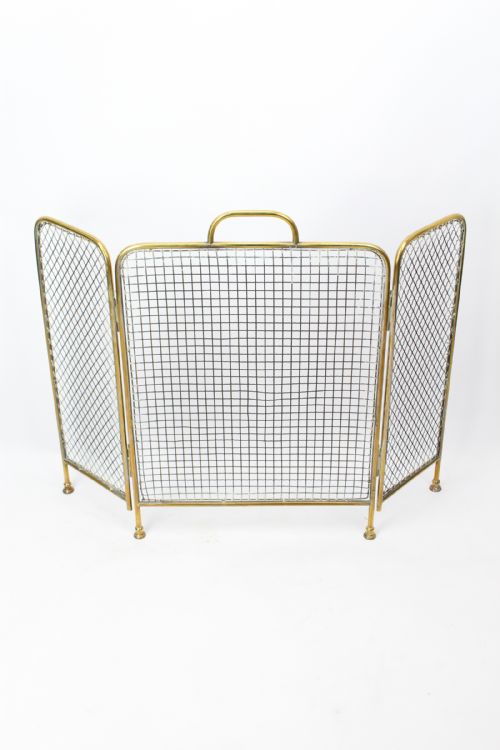
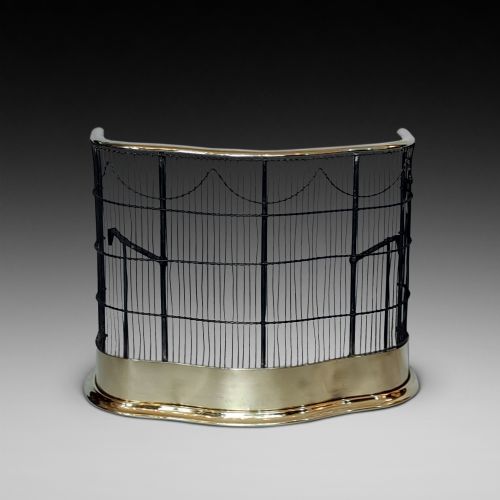
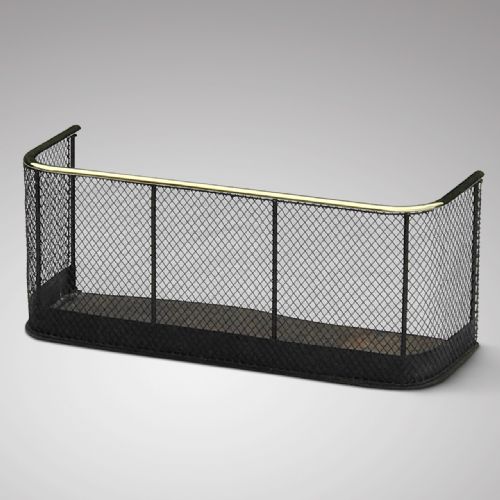
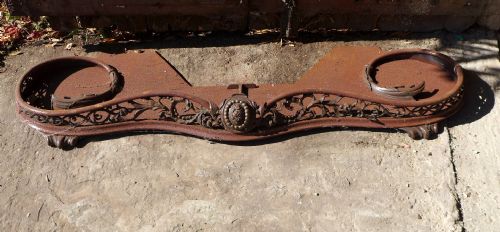
An antique nursery hearth guard is a protective barrier placed around a fireplace to keep children safe. The pieces seen here include folding brass fire guards, bowed wire mesh designs, and iron fenders fitted with top rails.
Most examples date from the nineteenth century, the Victorian era, and the Edwardian period. Buyers will most frequently encounter brass and wire mesh configurations designed to surround the hearth completely.
These items function simultaneously as functional safety equipment and domestic accessories. They range from simple wrought iron frames to elaborate serpentine wire mesh fire guards with polished brass rims.
How they were made
The construction combines rigid structural metals like cast iron, wrought iron, and steel with fine woven iron wire or wire mesh. Frames are formed to fit specific hearth shapes, including bowed and serpentine outlines.
Makers integrated brass top rails, rims, and decorative borders onto iron and steel bodies. Folding mechanisms utilise hinged sections of wire mesh to allow access to the fire while maintaining a barrier.
Some nursery fenders included a built-in clothes rail, letting damp socks dry safely by the fire without cluttering the hearth.
What varies in quality
Quality rests in the heaviness of the iron or steel frame and the tightness of the woven wire mesh. Heavier gauge wire and solid brass top rails indicate superior workshop production.
Design complexity also separates standard items from finer examples, such as those featuring serpentine curves or integrated clothes rails. The neatness of the metal joining and the preservation of the original brass finish determine the standing of each piece.
The Antique Nursery Hearth Guard Glossary
- Wire Mesh
- A barrier material woven from fine metal strands that allows heat to pass through while containing sparks and protecting children. It forms the main body of many guards.
- Fender
- A low metal guard that sits around the perimeter of a hearth to contain ash and embers. In nursery versions, it supports a tall protective screen.
- Serpentine
- A gently curved outline shaped in a double curve like a wave. This profile appears on superior Victorian fire guards to fit advanced hearth shapes.
- Top Rail
- A polished horizontal bar running along the upper edge of the guard. Usually rendered in brass, it provides a finished appearance and a sturdy grip.
Antique Nursery Hearth Guard: Frequently Asked Questions
What is an antique nursery hearth guard used for?
These guards were placed around open fireplaces in domestic nurseries to prevent young children from getting too close to the flames or hot grates.
They also served to contain stray embers and sparks within the hearth area, protecting the floor coverings of the room.
How do I date a nursery hearth guard?
Dating relies on observing the primary metals and construction methods used in the frame. Nineteenth-century examples often feature heavy hand-wrought iron and basic wirework.
Victorian and Edwardian versions frequently introduce brass rims, serpentine shapes, and folding mesh panels that reflect later manufacturing capabilities.
Can I use one with a modern fireplace?
Yes, many buyers place these historical guards around working hearths or decorative stoves in modern homes. The standard dimensions and metal construction suit contemporary room layouts.
Care should be taken to measure the hearth clearance and the turning space if choosing a folding design.
What metals are commonly found on these guards?
The listings show a combination of brass, iron, wrought iron, steel, and cast iron. Frames are typically built from heavier iron or steel for stability.
Wire mesh and woven iron wire form the protective screens, while polished brass appears on top rails and rims.