





Antique Novelty Tobacco
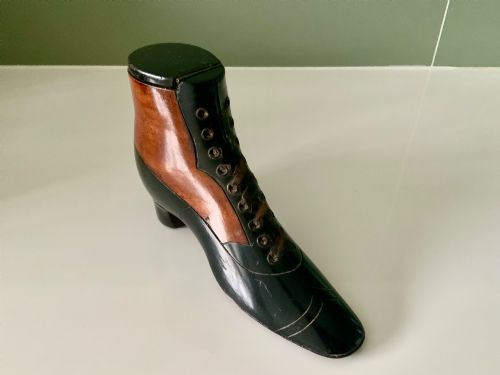
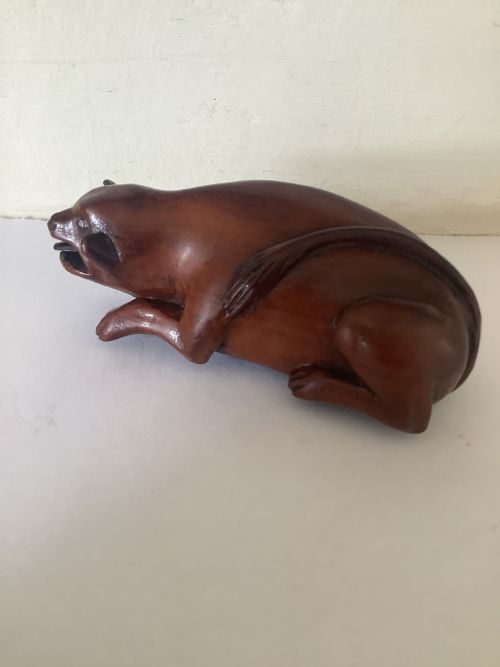
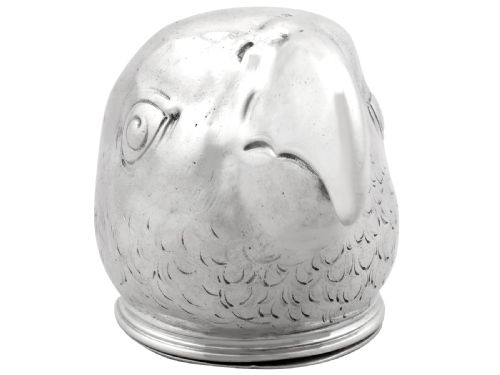
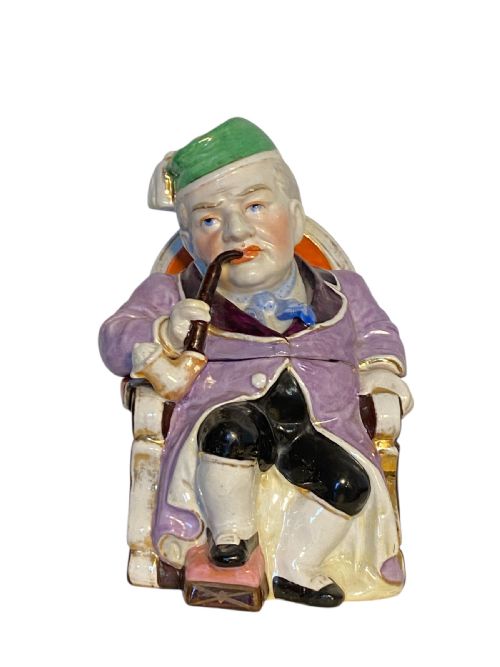
Antique novelty tobacco pieces take everyday smoking and snuff accessories and turn them into cunning carved shoes, animals, and railway wagons.
Antique Novelty Tobacco
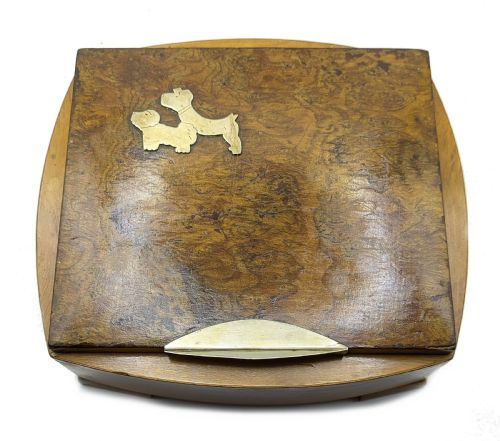
When you search for antique novelty tobacco items, you encounter utilitarian smoking gear shaped into amusing or surprising forms. These pieces include snuff boxes, tobacco jars, humidors, pipes, and match holders created to entertain smokers during the Georgian, Victorian, and Edwardian eras.
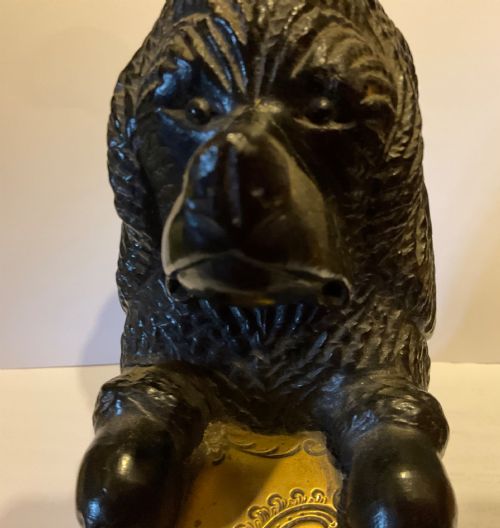
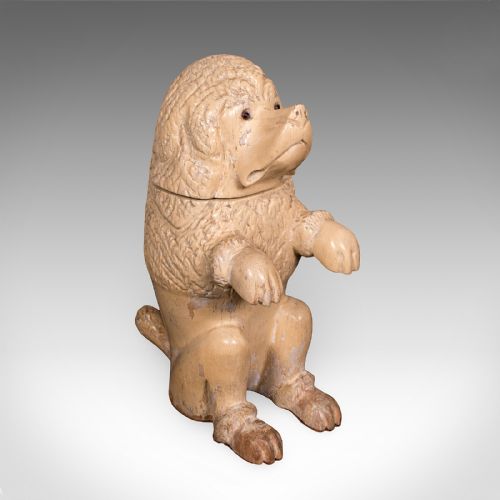
The most common versions on this page take familiar objects and distort their scale or material, such as wooden footwear, carved animal figures, and miniature railway coal wagons. Such items reflect a distinct period taste for playful domestic objects that sparked conversation in the smoking room.
Origins span English, French, and German workshops, utilising native fruitwoods alongside exotic coquilla nut and turtle shell. Makers ranged from naive folk art carvers to skilled commercial manufacturers producing whimsical containers for tobacco, cigars, and snuff.
Materials and manufacture
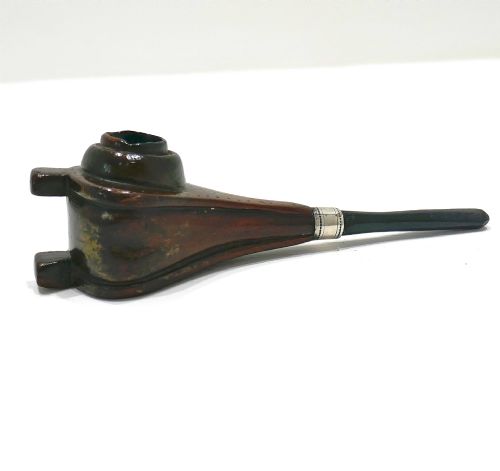
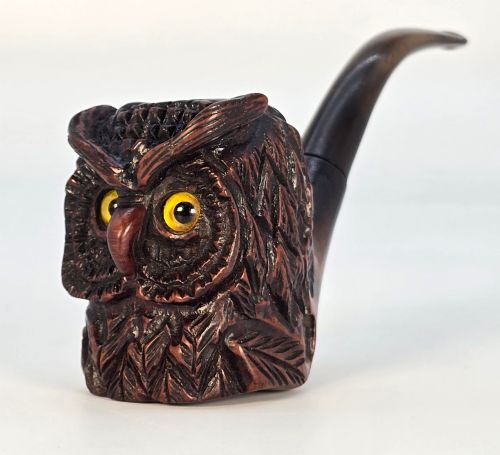
Carved wood dominates these listings, with artisans employing fruitwood, hardwood, oak, burr walnut, and coquilla nut to shape intricate animal figures, shoes, and bellows. Hand-carving and turning demand precise control, particularly when detailing a dog's fur, a bird's feathers, or the faceted panels of a coal wagon.
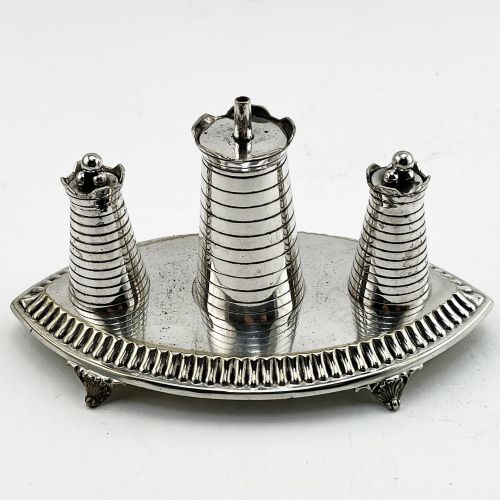
Metal components appear frequently in brass, copper, silver plate, and German silver, providing hinges, mounts, and intricate pique work foliage. Glass and porcelain also feature in tobacco jars and pipes, offering contrasting textures to the warm, dark tones of aged timber.
Antique Novelty Tobacco Retail Price Guide 2026
Typical asking prices for novelty tobacco among the pieces listed under this phrase on Sellingantiques today, from the lower quarter to the upper quarter. They describe what is for sale here now, not the wider market.
The selection includes 19th Century and Edwardian items fashioned from carved wood, brass, glass, and ceramic.
Distinctions in quality
Quality rests upon the crispness of the carving and the natural warmth of the material's patina. Superior items display confident hand-carved details that capture anatomical precision in animals or clean architectural lines in novelty boxes, whereas lesser pieces rely on crude forms and flat surfaces.
The integration of mechanical elements and secondary materials also defines the tier of a piece. Finer examples feature flush-fitting lids, secure brass hinges, and delicate inlay work that complement the primary carved body without obscuring the grain.
Butz Choquin
The Antique Novelty Tobacco Glossary
- Treen
- Small wooden objects made by turning or carving. This encompasses items like snuff boxes and pipe tampers shaped from fruitwood and hardwood.
- Coquilla nut
- The hard, mottled brown seed of an exotic palm tree. Carvers utilised this dense material for intricate snuff boxes and small containers.
- Pique work
- A method of decorating tortoiseshell or wood by inlaying tiny points or strips of gold and brass. This technique creates delicate foliage and geometric patterns.
- Humidor
- A moisture-controlled container designed to keep cigars fresh. Victorian examples often adopted whimsical architectural forms like railway coal wagons.
- Patina
- The deep surface sheen developed through handling, polishing, and age. Old wood acquires this lustrous quality over decades of use.
Antique Novelty Tobacco: Frequently Asked Questions
What are antique novelty tobacco items?
These are historical smoking accessories disguised as animals, vehicles, and everyday objects.
Craftsmen created them to amuse users while storing tobacco, snuff, cigars, or matches.
How were novelty tobacco jars used?
Smokers placed them on tables to hold loose leaf tobacco while keeping moisture levels stable.
Their humorous shapes served as conversation pieces in smoking rooms and parlours.
Why are so many shaped like shoes?
Shoe and clog snuff boxes represent a long-standing folk art tradition across Britain and Europe.
Carvers relished turning footwear into hinged containers for personal snuff use.
How do I date an antique wooden humidor?
Examine the timber, construction methods, and the style of any metal mounts or hinges.
Victorian and Edwardian pieces often display distinct patination and hardware styles unique to their decade.