




Antique Novelty Item
An antique novelty item brings functional forms into amusing shapes, turning everyday tools into delightful conversation pieces.
Antique Novelty Item
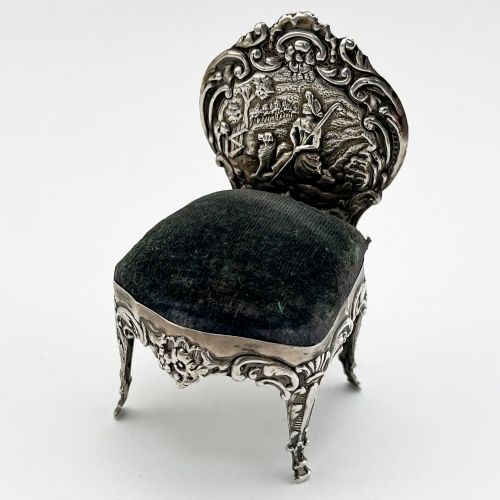
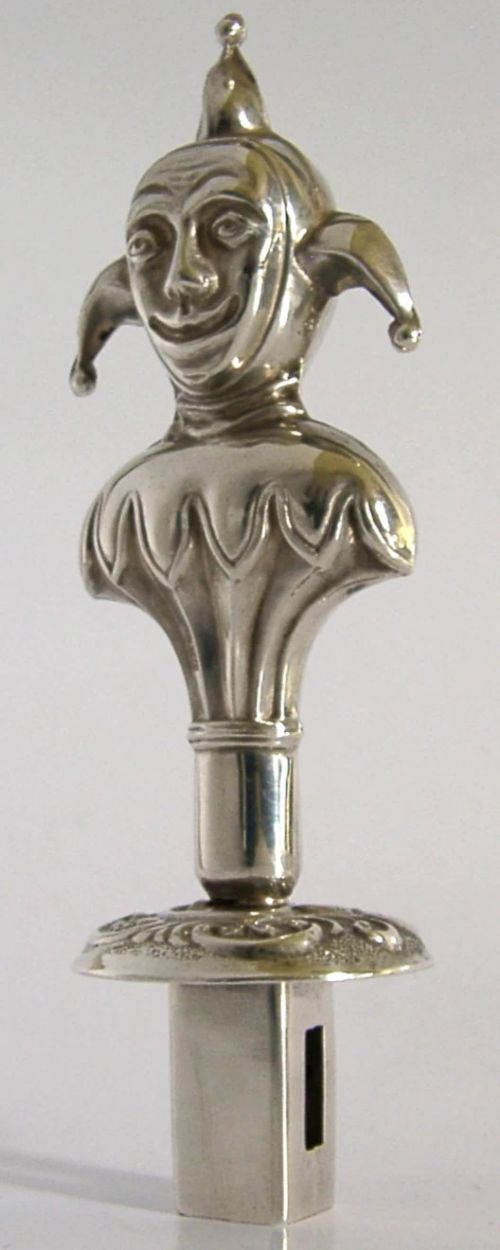
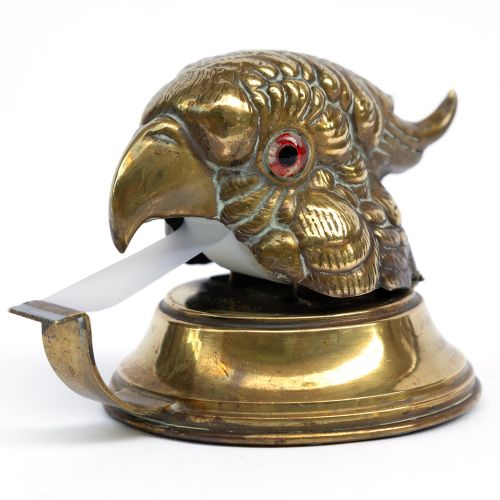
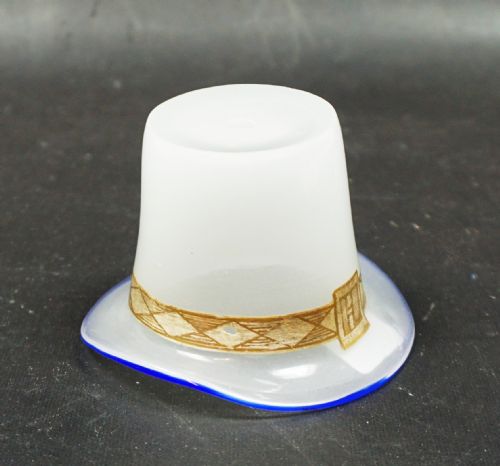
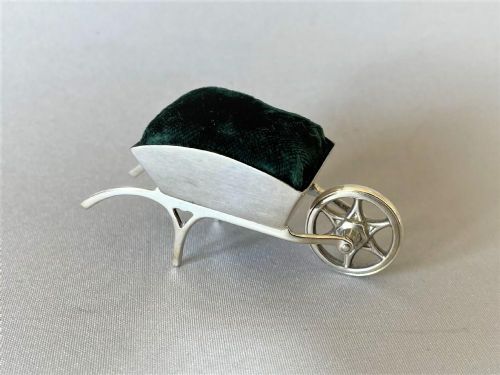
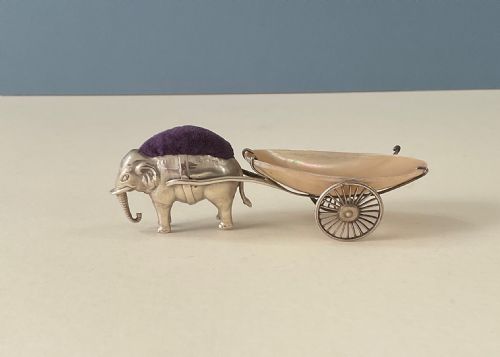
An antique novelty item transforms standard desk accessories, sewing tools, and pocket items into clever, whimsical shapes. These curious pieces take familiar objects and reshape them into miniature animals, furniture, or household utensils.
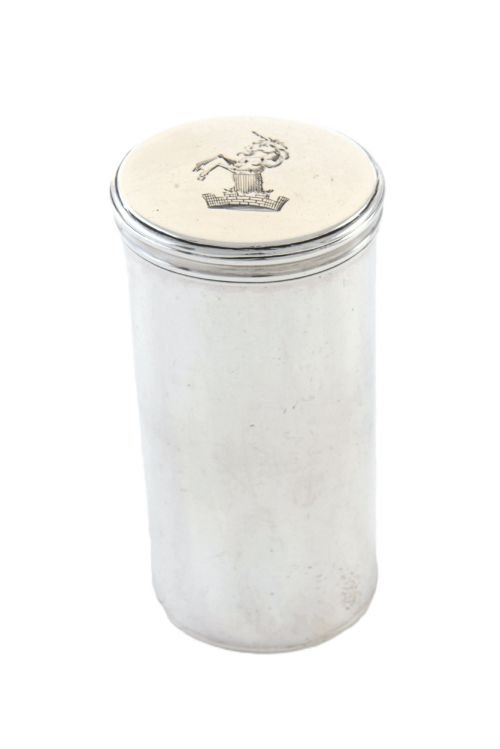
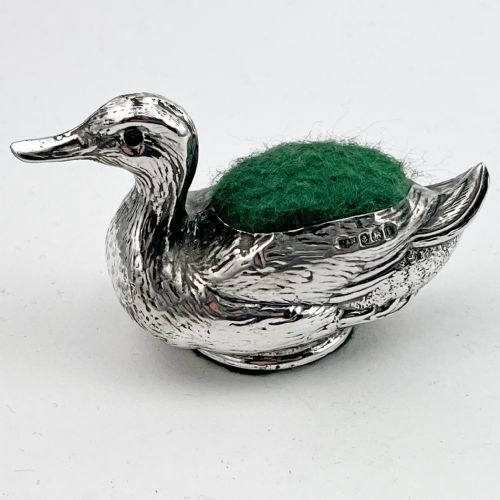
The selections here lean heavily toward the Victorian and Edwardian eras, spanning periods from Georgian times up to nineteen-ten. Sterling silver pin cushions shaped like chairs, pigs, and ducks appear frequently alongside silver vesta cases and tape measures.
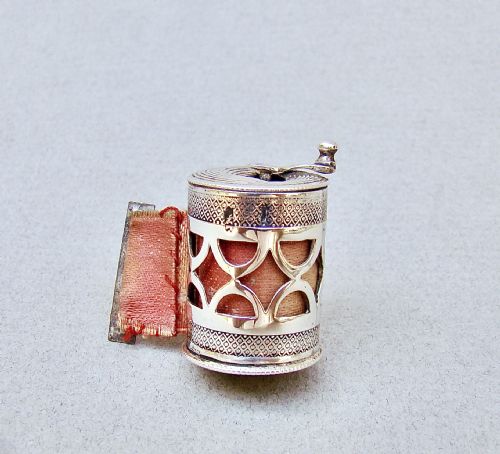
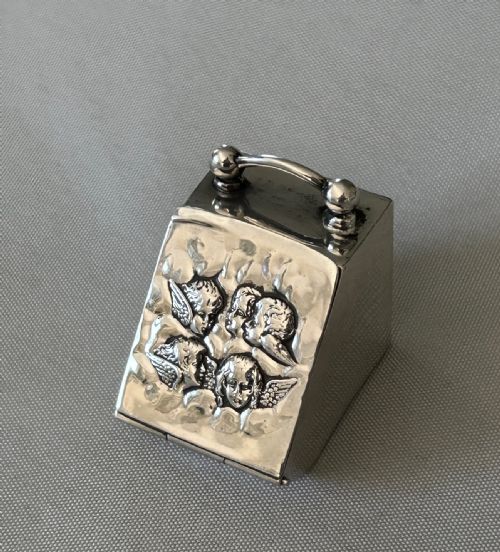
Makers of these items channelled immense imagination into functional objects, producing items that served a practical purpose while providing visual entertainment. From silver coal scuttles holding thimbles to drum-shaped tape measures, utility met playfulness in domestic life.
What varies in quality
Proportion and the clever integration of utility dictate the better specimens in this field. Pieces where the functional element operates smoothly without compromising the sculptural form represent the height of period craftsmanship.
Materials across these listings include sterling silver, brass, opaline glass, stoneware, velvet, and silk.
The Antique Novelty Item Glossary
- Vesta case
- A small pocket container designed to hold matches, often fitted with a striking surface on the base. These cases frequently took whimsical animal or figural shapes during the nineteenth century.
- Pin cushion
- A padded small accessory utilised by tailors and home sewers to hold pins securely during needlework. In novelty forms, these cushions were fitted into silver chairs, boots, and animals.
- Nutmeg grater
- A pocket utensil used to grate whole nutmeg into food or drink, popular when spices were prized at the dining table. Georgian examples display compact, hinged construction for portability.
- Opaline glass
- An opaque or translucent glass developed in France during the nineteenth century, ranging in tone from white to soft pastels. It served well for decorative glassware and novelty desk items.
- Repoussé
- A metalworking technique where a silversmith hammers a design from the reverse side to form a raised relief on the front. This method created the textured surfaces seen on animal and figural novelty items.
Antique Novelty Item: Frequently Asked Questions
What is an antique novelty item?
An antique novelty item is a functional object shaped to mimic an unrelated animal, person, or household article. These pieces combine utility with humour.
They served practical roles on desks or in pockets while acting as decorative talking points for Victorian and Edwardian owners.
How were silver pin cushions used?
Silver pin cushions held pins and needles safely during sewing and tailoring tasks in the home. The cushion itself was usually stuffed and fitted tightly into a metal frame.
Craftsmen shaped these frames into miniature furniture, footwear, and various animals to amuse the user.
How do I date an Edwardian novelty item?
Dating an Edwardian piece relies on hallmarks stamped onto the silver, which record the assay office, standard mark, and date letter. Stylistic traits also offer clear indicators.
Items from this period span the early twentieth century, reflecting the continued popularity of whimsical desk and sewing accessories.
What materials are common in novelty items?
Sterling silver and brass form the majority of metal pieces, often combined with velvet or silk for padded elements. Other examples utilise opaline glass or stoneware.
These materials provided the durability needed for items that were handled frequently throughout the day.