


Antique Norwegian Silver
Antique norwegian silver encompasses decorative enamel wares, spoons and Viking revival vessels shaped by skilled silversmiths.
Antique Norwegian Silver
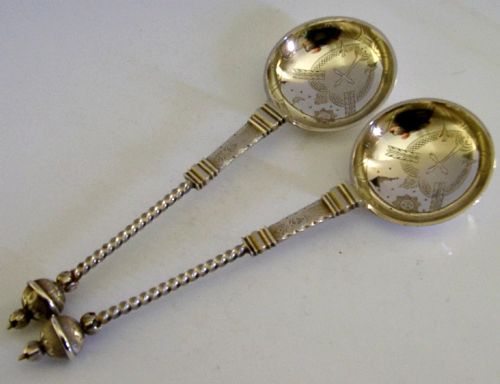
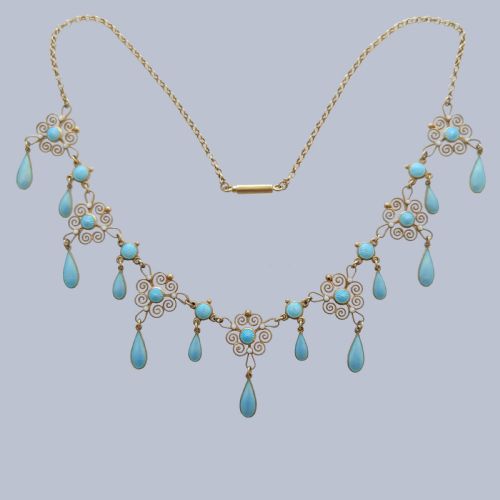
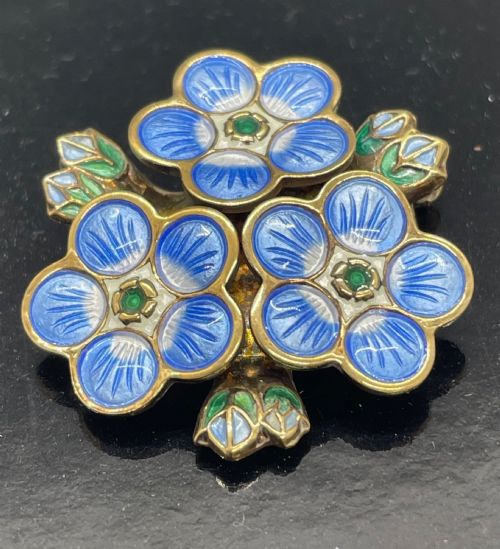
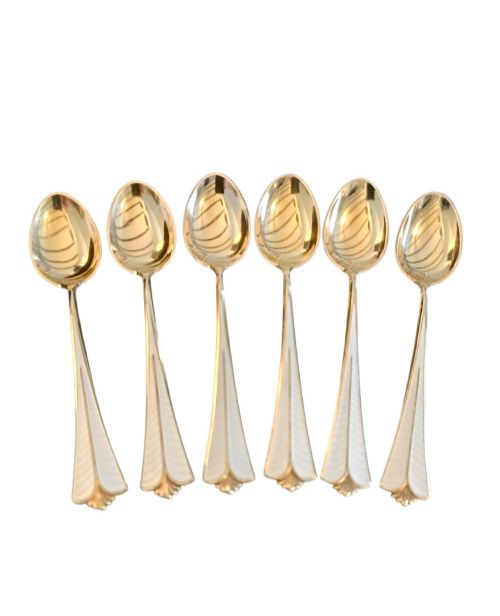
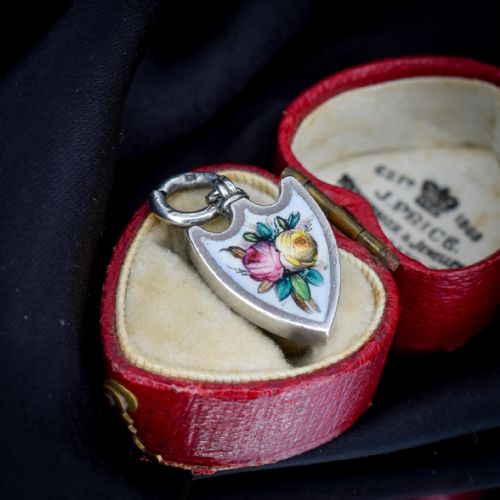
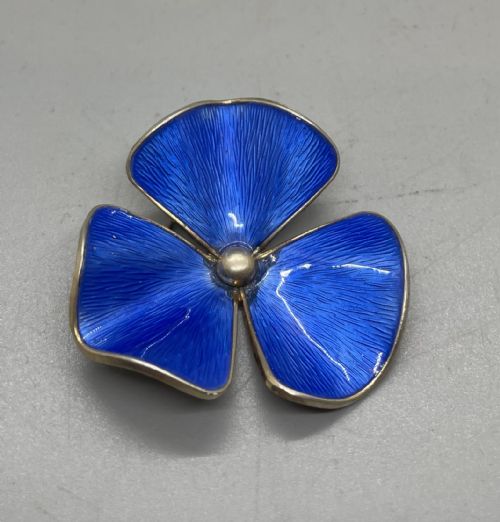
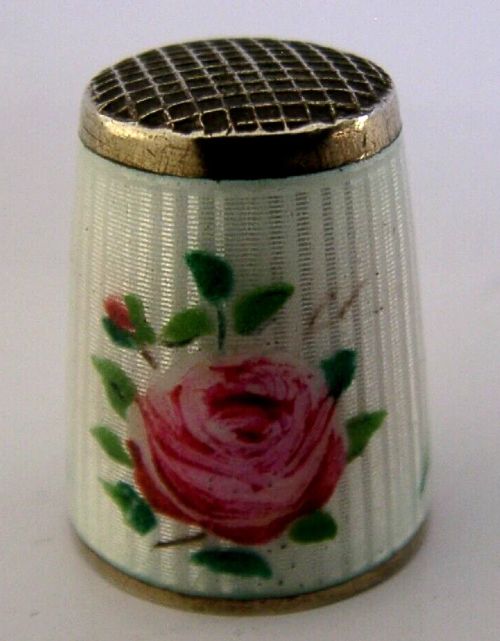
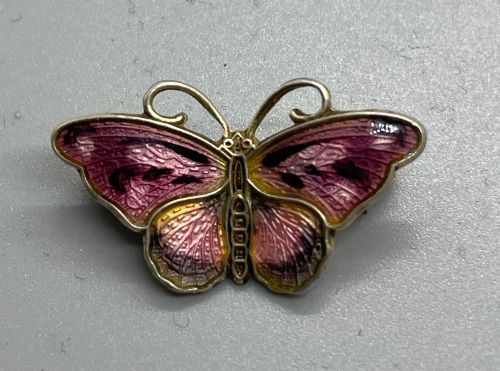
When you search for antique norwegian silver, you encounter a distinct selection of small decorative objects, personal ornaments and tableware. The inventory ranges from delicate brooches, pendants and sewing thimbles to larger serving pieces such as baptism spoons, caddy spoons and bowls. Many items draw directly on traditional motifs, including Viking ships and dragonstil designs, alongside floral and butterfly patterns.
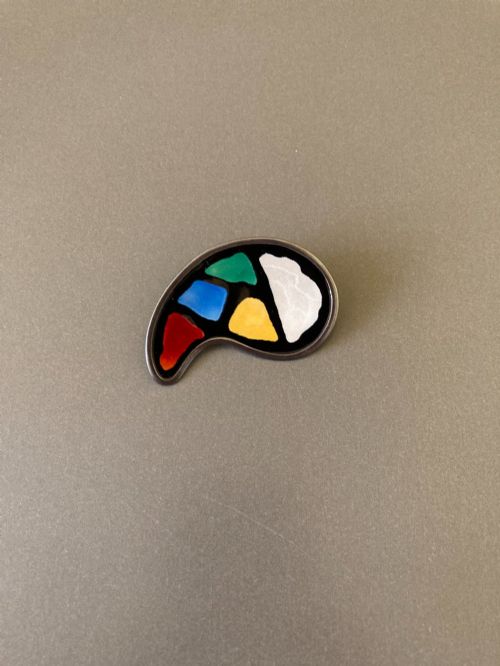
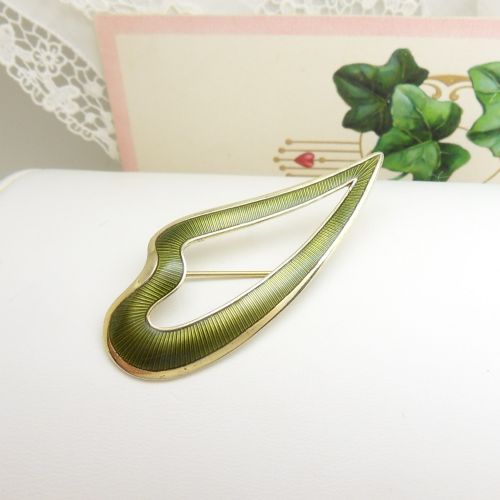
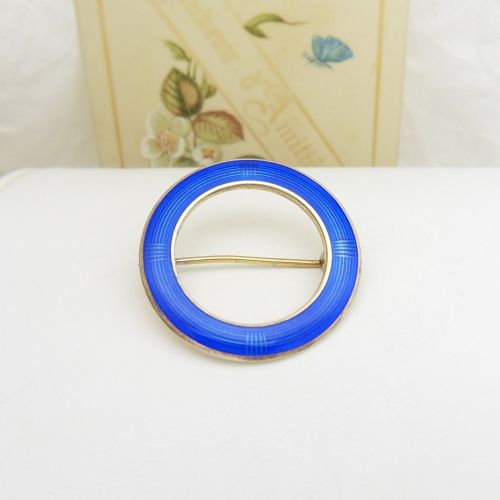
You are most likely to meet mid-century enamel pieces and earlier twentieth-century silver tableware on this page. Art Deco and Art Nouveau styling frequently appears alongside Scandinavian Modern forms from the decades following the Second World War. Smaller personal items such as guilloche enamel charms and napkin rings emerge regularly from workshops operating across Norway.
The historical span extends from Victorian productions through to pieces made in the nineteen-sixties. Early works often display heavy cast or chased decoration rooted in Norse heritage, whilst later decades favour clean lines combined with vibrant vitreous enamel colourways. Collectors navigate a mix of utilitarian table silver and highly ornamental personal accessories.
What varies in quality
The distinction between ordinary and exceptional pieces rests upon the precision of the enamelling and the crispness of the underlying metalwork. Superior items exhibit flawless vitreous enamel free from micro-cracking, alongside sharply defined guilloche engraving that catches the light evenly. The depth of the silver gilt and the weight of the base metal also signal higher manufacturing standards.
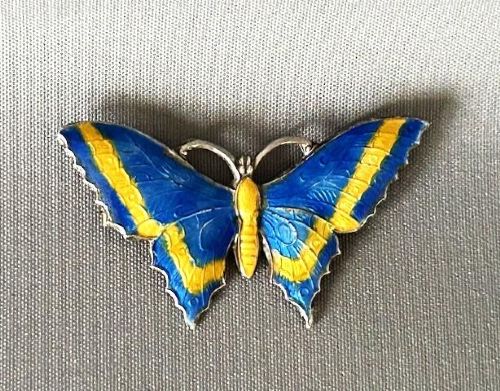
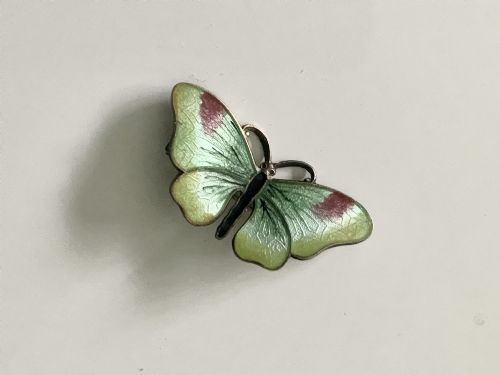
Maker attribution heavily influences desirability, with pieces bearing clear workshop stamps achieving stronger recognition. The complexity of the design, whether an elaborate dragonstil bowl or a finely detailed multi-coloured butterfly brooch, separates standard production items from masterworks. Preservation of original surface finishes and complete cased sets further elevates the standing of individual examples.
Antique Norwegian Silver Retail Price Guide 2026
Typical asking prices for norwegian silver among the pieces listed under this phrase on Sellingantiques today, from the lower quarter to the upper quarter. They describe what is for sale here now, not the wider market.
Listings feature items spanning the Victorian era through to the nineteen-sixties, with a strong concentration of mid-century enamel pieces.
David Andersen·Marius Hammer·Magnus Aase·Gustav Gaudernack
The Antique Norwegian Silver Glossary
- Guilloche Enamel
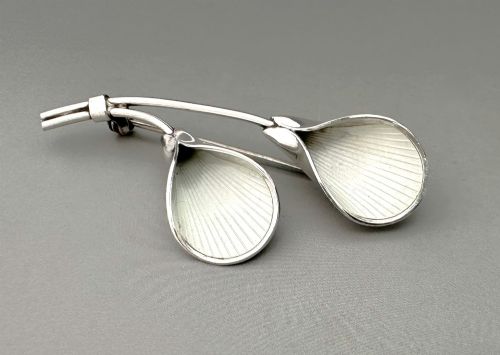
- A decorative technique where a transparent enamel layer is applied over a metal surface that has been mechanically engraved with repetitive geometric patterns. This method creates a distinctive shimmering depth beneath the coloured glass.
- Vitreous Enamel
- A material made by fusing powdered glass to a substrate by firing, usually between seven hundred and eight hundred and fifty degrees Celsius. The resulting compound is durable and chemically resistant.
- Silver Gilt
- Silver objects that have been coated with a thin layer of gold on their exterior or interior surfaces. This treatment provides the visual warmth of gold while utilising a silver base.
- Filigree
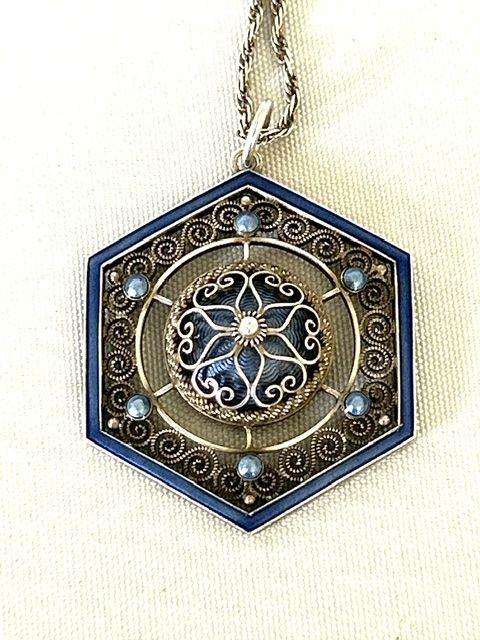
- An intricate form of jewellery metalwork made with fine wire soldered together to form open lace-like patterns. Artisans frequently combine this wirework with enamel in Scandinavian designs.
- Dragonstil
- A revival style popular in late nineteenth and early twentieth century Norway, inspired by stave church carvings and Viking art. It incorporates intertwined dragons, serpents and Norse mythological motifs.
Antique Norwegian Silver: Frequently Asked Questions
What is dragonstil silver?
Dragonstil is a late nineteenth-century Scandinavian design movement inspired by Norse mythology and traditional stave church woodcarvings. Objects executed in this style feature entwined dragon motifs and serpent patterns.
Silversmiths applied these carved reliefs to spoons, bowls and serving dishes, creating distinctively textured surfaces. This aesthetic forms a major subset of antique norwegian silver production.
How do I clean enamel silver?
Enamel surfaces require gentle cleaning with warm soapy water and a soft cloth rather than harsh abrasive polishes. Chemical dips can damage the glass coating and ruin the underlying metalwork.
Careful handling prevents scratching the delicate vitreous layers found on brooches and napkin rings. Patina on the reverse side of the silver should be preserved where possible.
When were butterfly brooches made?
Most Scandinavian butterfly brooches date from the nineteen-twenties through to the nineteen-fifties. Workshops utilised guilloche enamel in bright shades of blue, red and green to mimic natural wing patterns.
These small ornaments remain among the most widely encountered items in twentieth-century collections. Their vibrant colouring made them popular accessories during the mid-century period.