



Antique Nomadic Kilim
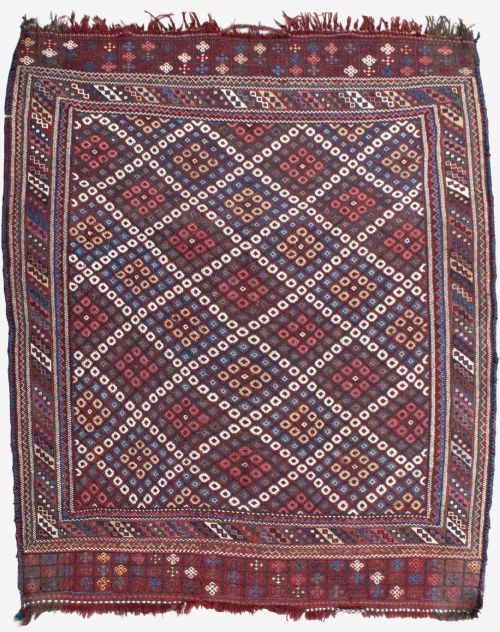
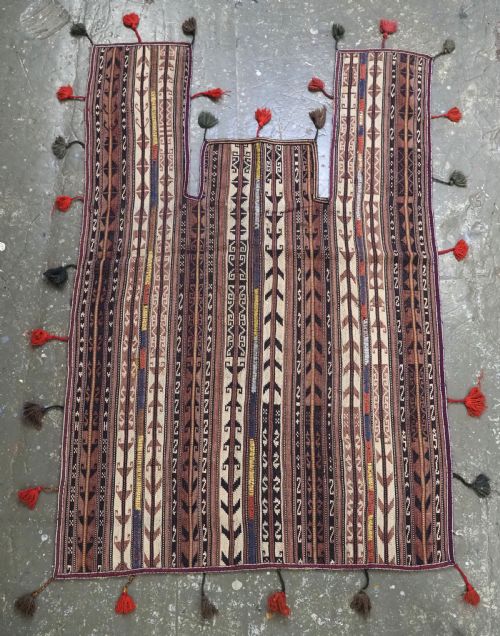
When you search for antique nomadic kilim, you are looking at flatwoven textiles made by tribal and pastoral groups across Persia, Anatolia and Central Asia.
Antique Nomadic Kilim
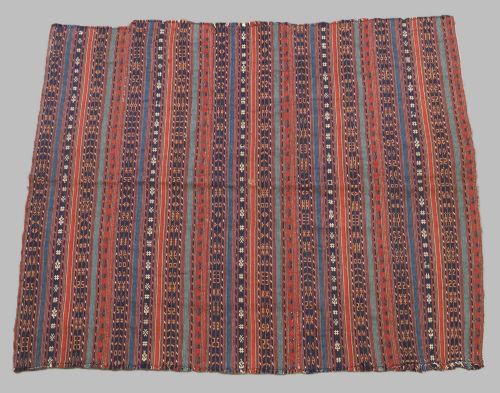
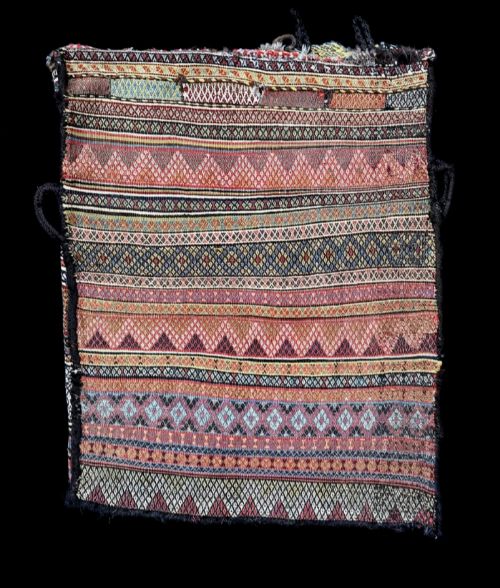
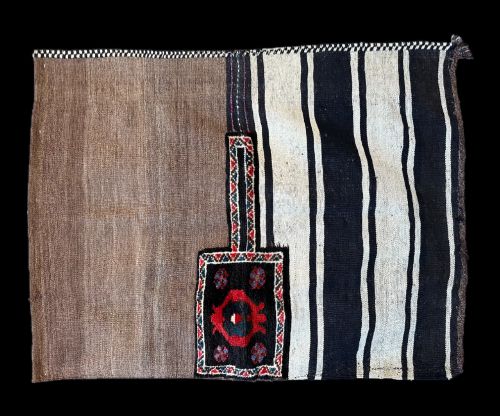
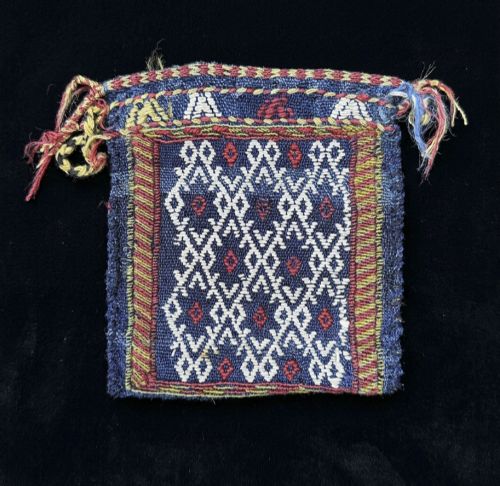
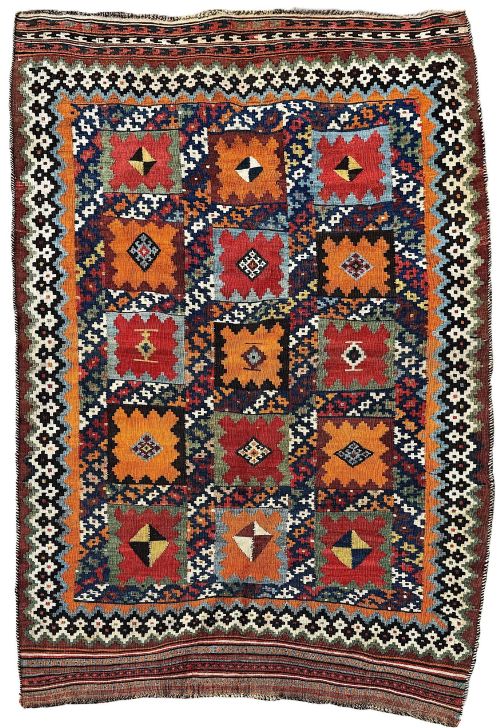
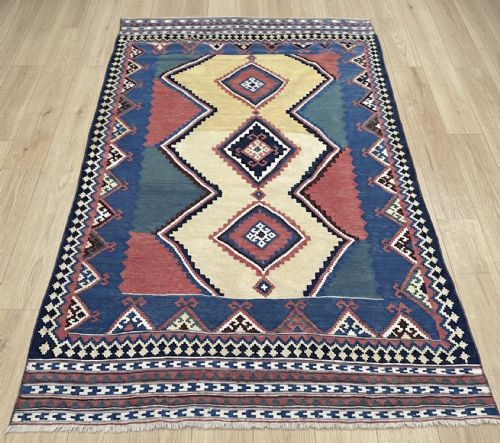
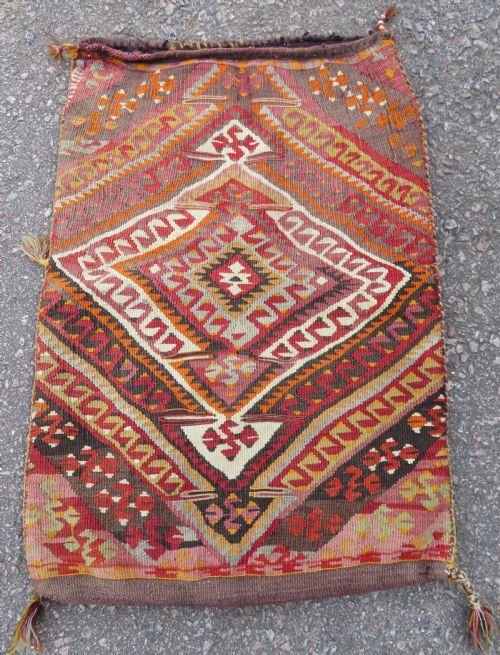
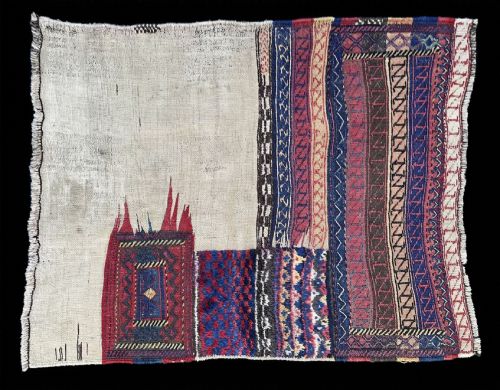
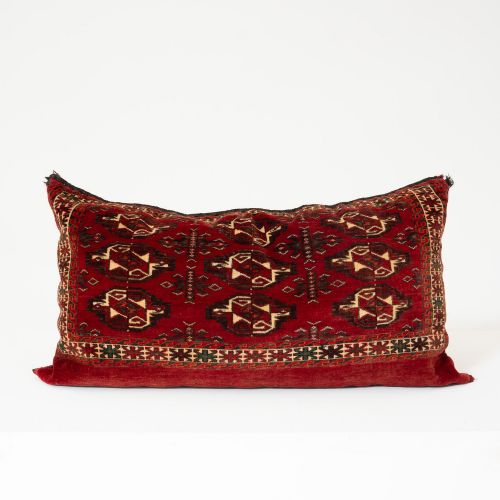
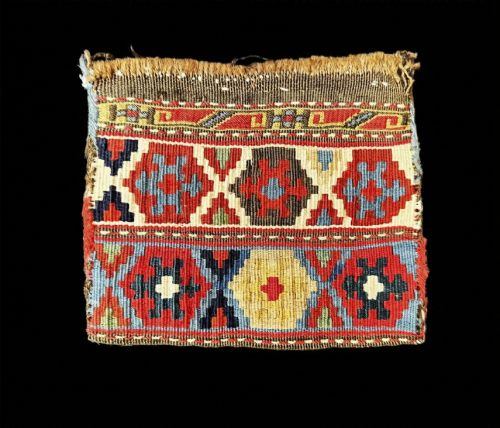
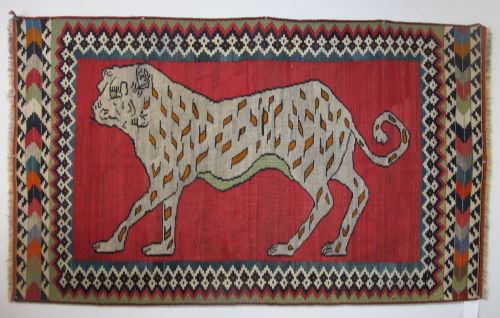
These pieces encompass functional utilitarian items created for tribal life, including grain sacks, bread sofreh, storage bags, and animal covers. The selection spans the nineteenth and early twentieth centuries, reflecting the material culture of groups such as the Qashqa'i, Afshar, Bakhtiari, and Yomut Turkmen.
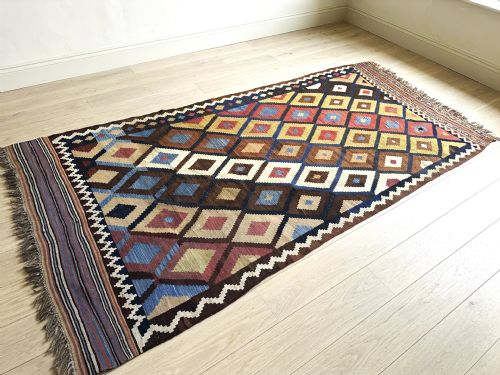
Buyers will encounter specific regional forms rather than generic decorative carpets. Examples range from small vanity bags and cushion faces to long runner kilims and multi-panel floor coverings.
The provenance traces through specific tribal confederacies and borderlands, establishing a direct link to nomadic routines and domestic traditions.
Materials and Construction
Makers utilised hand-spun wool and natural dyes to build durable flatwoven structures without pile. Additional structural stability and texture often came from the inclusion of cotton, goat hair, and occasionally decorative cowrie shells.
Textiles were constructed through slit-weave techniques and banded weft work, sometimes assembled from multiple narrow strips or integrated into bags and covers designed for daily camp use.
Antique Nomadic Kilim Retail Price Guide 2026
Typical asking prices for nomadic kilim among the pieces listed under this phrase on Sellingantiques today, from the lower quarter to the upper quarter. They describe what is for sale here now, not the wider market.
Certain dining sofreh textiles retain faint traces of flour and daily camp life within their tight flatweave structures.
Assessing Quality
The calibre of a piece rests upon the crispness of the graphic design and the depth achieved through natural dyeing. Subtle variations in hue and the tightness of the flatweave structure separate finer tribal examples from standard utilitarian work.
Survival of original elements, such as backs on storage bags or complete kilim ends on prayer rugs, elevates the integrity of the textile.
The Antique Nomadic Kilim Glossary
- Sofreh
- A spread or cloth used primarily for dining or for preparing bread dough within the tent or household. These flatweaves often display striking geometric compositions.
- Mafrash
- A large storage bag or bedding chest panel woven by nomadic groups, usually featuring banded flatweave designs. Surviving panels are frequently adapted into smaller cushions or carpets.
- Torba
- A smaller storage bag hung inside a nomadic tent for personal possessions. They showcase the distinctive iconography of Turkmen and associated tribes.
- Slit-weave
- A flatweaving technique where the weft threads are returned at the boundary of a colour area, creating a small vertical slit between distinct motifs.
Antique Nomadic Kilim: Frequently Asked Questions
What is a sofreh used for?
A sofreh served as a clean surface placed on the ground for eating meals or kneading bread dough within nomadic households.
These flatweaves were central to daily domestic life and feature practical, durable construction designed for regular use.
How do I identify a tribal origin?
Attributions rely on specific structural traits, colour palettes, and distinct geometric motifs associated with groups like the Qashqa'i or Afshar.
Examining the weave structure and regional patterns helps connect a piece to its specific tribal confederacy or province.
Can these flatweaves be used on floors?
Many of these textiles function well as decorative floor coverings, though lighter bags and sofreh pieces are often better suited for display on walls.
Consider the original function and weight of the flatweave when deciding how to incorporate it into a room.
What materials are typical in these textiles?
The primary material is hand-spun wool, frequently paired with cotton foundations and natural dyes derived from plants and minerals.
Occasional pieces also incorporate goat hair for structural reinforcement or cowrie shells for ornamentation.