
Antique Nomadic Bag
An antique nomadic bag brings the woven artistry of tribal weavers from Persia, Central Asia, and Anatolia directly into a modern interior.
Antique Nomadic Bag
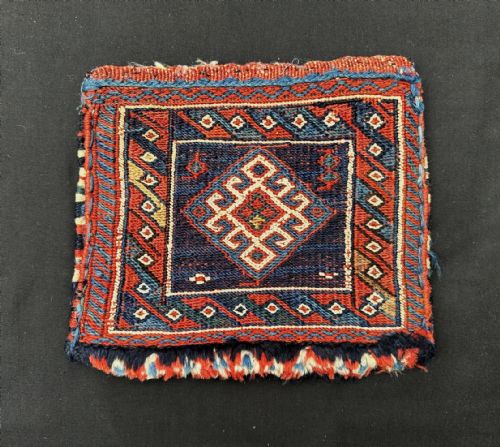
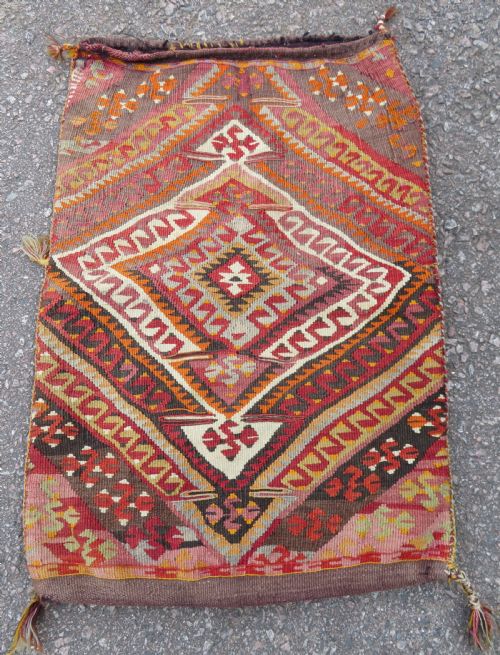
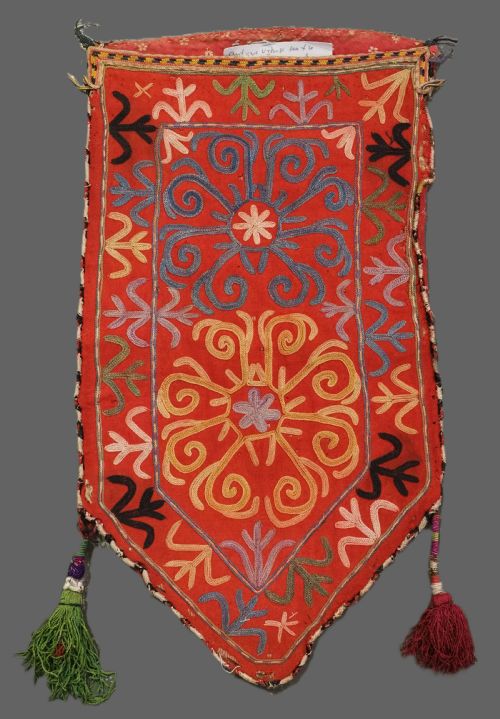
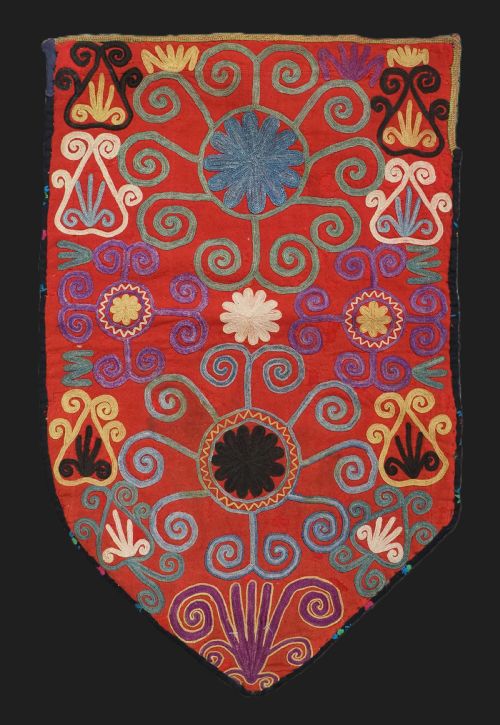
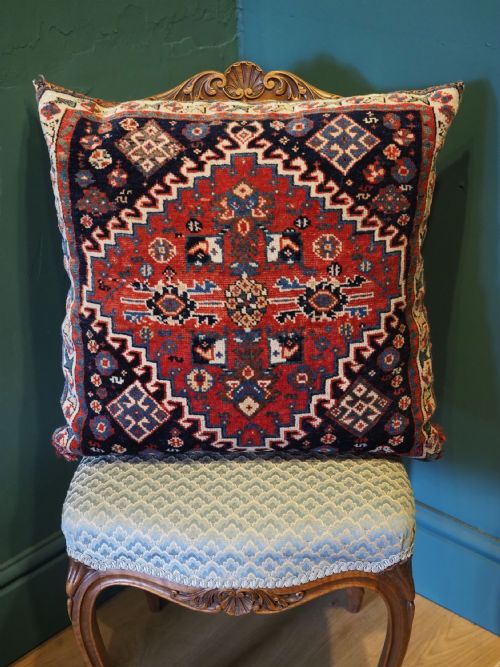
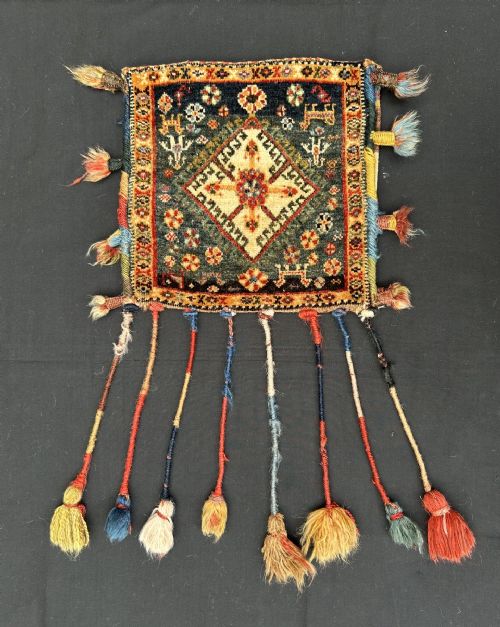
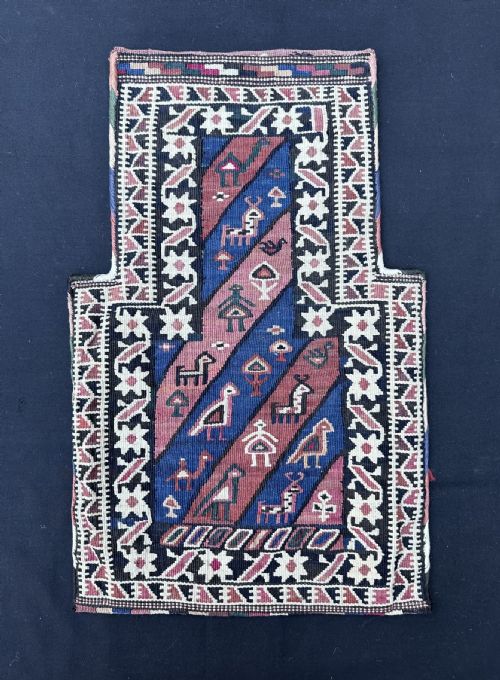
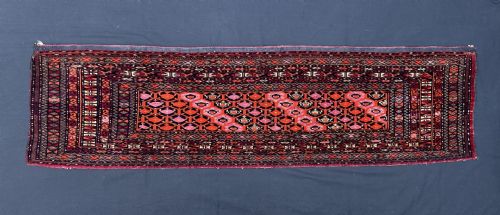
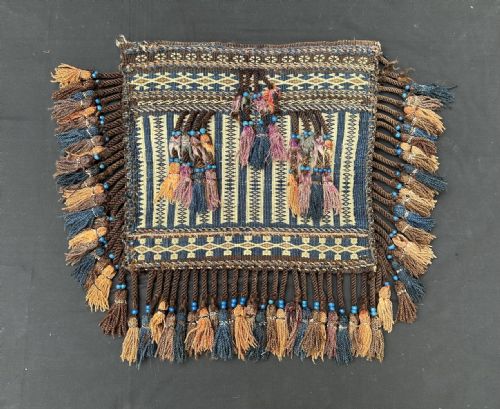
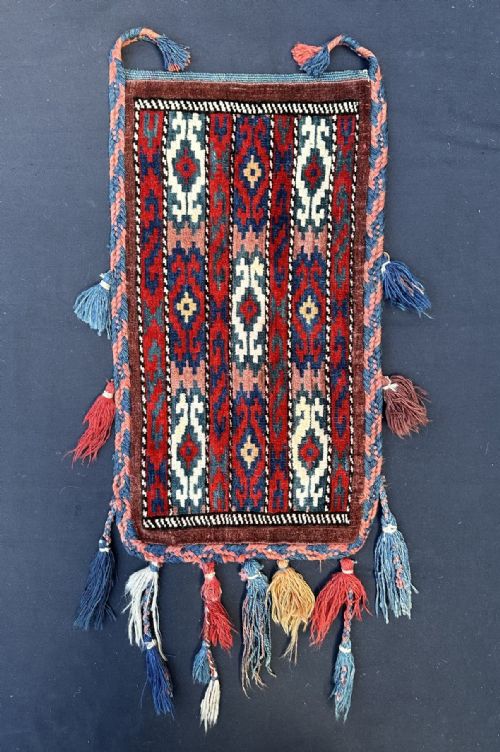
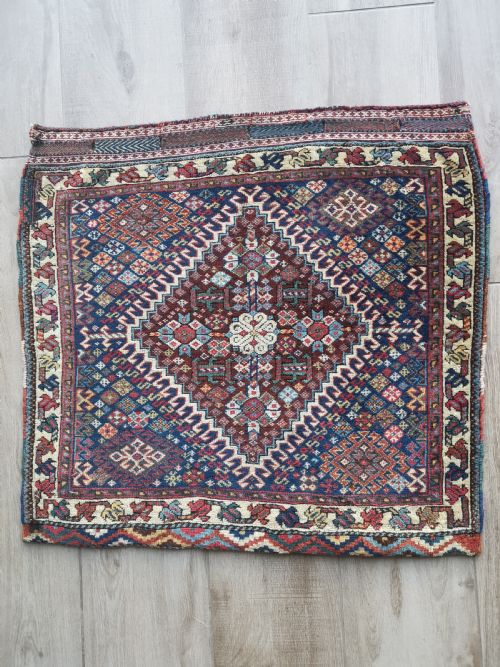
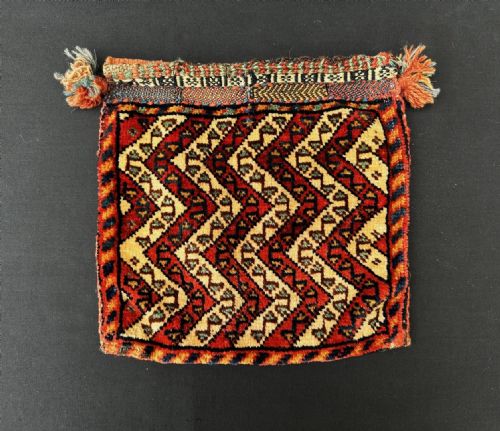
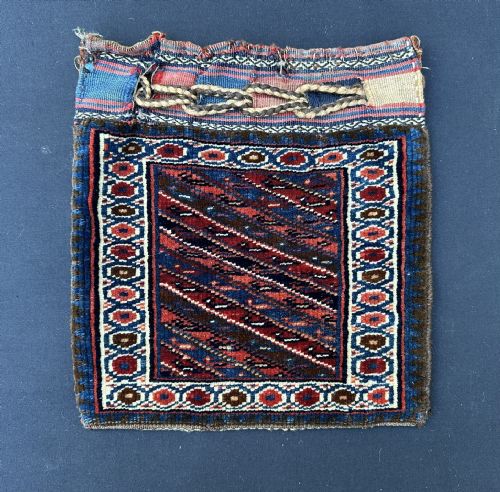
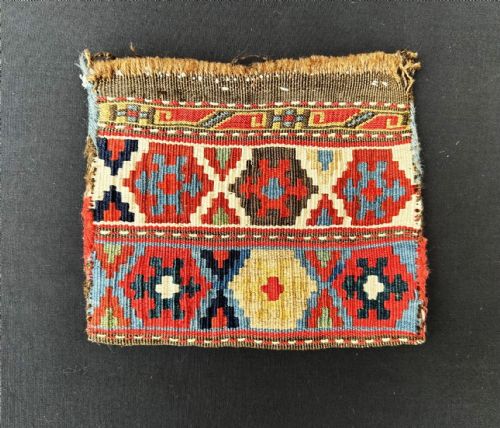
When searching for an antique nomadic bag, collectors encounter utilitarian textiles woven by tribal groups for daily camp life and transport. These pieces include grain sacks, salt bags, vanity bags, and bedding storage sacks produced across regions like Persia and Turkmenistan.
The most common examples on this page date from the mid-nineteenth century through the early twentieth century. They reflect the specific regional traditions of tribes such as the Qashqai, Turkmen, Bakhtiari, and Baluch.
Makers fashioned these textiles for practical storage on animals or inside tents rather than for display. Their survival demonstrates the durability of traditional tribal craftsmanship.
Materials and construction
Weavers relied on hand-spun wool for the primary structure, often combining it with cotton foundation threads and occasional silk highlights. Natural dyes provided the deep reds, blues, and golds characteristic of these textiles.
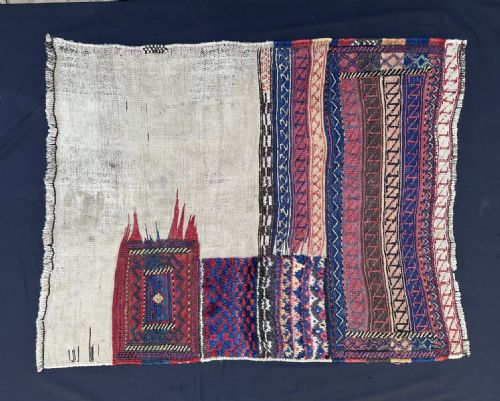
Many items incorporate supplementary techniques such as pile weaving on the face paired with flat-woven plain-weave backs. Artisans frequently embellished completed pieces with cowrie shells, glass beads, and protective amulets.
Listings feature bags dated between 1850 and 1920, originating from Persian, Turkmen, and Central Asian tribal regions.
Evaluating quality and execution
The density of the knotting and the handling of the wool determine the structural integrity of each piece. Finer weaves allow for sharper definition within tribal geometric motifs and animal patterns.
The purity and complexity of the natural dye palette separate standard examples from exceptional ones. Consistency in hand-spinning and the preservation of original backing materials also influence the standing of an individual textile.
The Antique Nomadic Bag Glossary
- Chuval
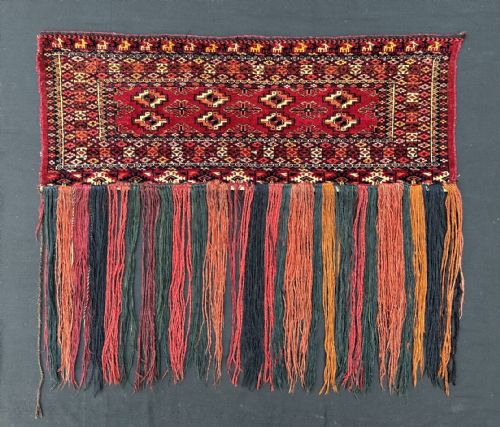
- A large storage bag used by Turkmen tribes for bedding and household goods. These items typically feature multiple rows of guls.
- Torba
- A smaller wall-hanging or tent-bag produced in Turkmen households. They often display intricate primary motifs designed to decorate the interior of a yurt.
- Chanteh
- A small tribal vanity bag or personal carrier used by nomads for small possessions. They frequently exhibit highly concentrated geometric patterns.
- Khorjin
- A double-sided saddlebag designed for transport across horses, camels, or donkeys. The two pouches connect via a central web.
- Gul
- A medallion or repeated octagonal motif used extensively by Turkmen and other Central Asian weavers. Each design often identifies a specific tribe or sub-group.
Antique Nomadic Bag: Frequently Asked Questions
What were antique nomadic bags used for?
Nomadic tribes utilised these woven containers for practical storage and transport during seasonal migrations. Families stored salt, grain, bedding, and personal vanity items inside them.
They hung smaller pouches inside tents or carried them on pack animals. Each container served a specific domestic function within the camp.
How do I care for an antique tribal bag?
Protect these textiles from direct sunlight to prevent natural dye degradation. Gentle vacuuming with a low suction setting helps remove accumulated dust without damaging the wool fibres.
Avoid hanging heavy bags by a single point to prevent structural distortion along the weave. Professional textile conservators should handle any necessary cleaning.
How can I tell different tribal styles apart?
Tribal groups utilised distinct colour palettes, structural formats, and characteristic motifs. Turkmen weavers frequently deployed deep madder reds and octagonal guls.
Persian tribal groups such as the Qashqai and Bakhtiari often incorporated vibrant blues, animal figures, and complex geometric field patterns. Examining the specific knotting and wool characteristics also aids attribution.
Are these bags complete with their original backs?
Many surviving examples retain their original flat-woven plain-weave backs, though some pieces exist only as bag faces. Complete pieces show the full construction used for daily packing.
Listings specify whether a backing textile accompanies the face. Both complete bags and individual faces appear frequently in nomadic textile collections.