
Antique Neoclassical Cabinet
An antique neoclassical cabinet brings architectural symmetry, restrained ornament and fine timber into a room with quiet authority.
Antique Neoclassical Cabinet
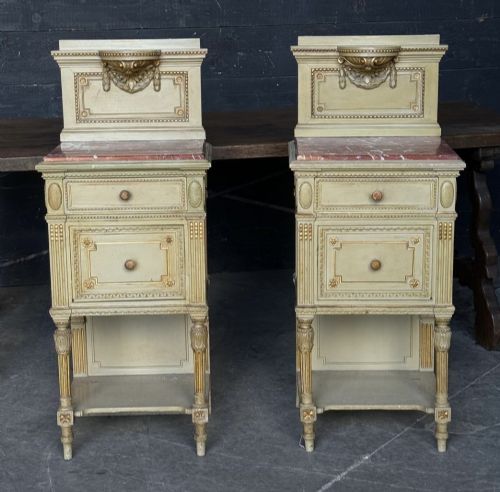
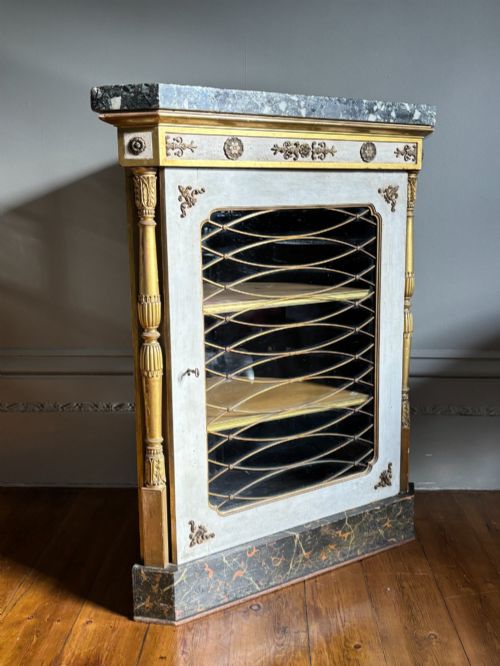
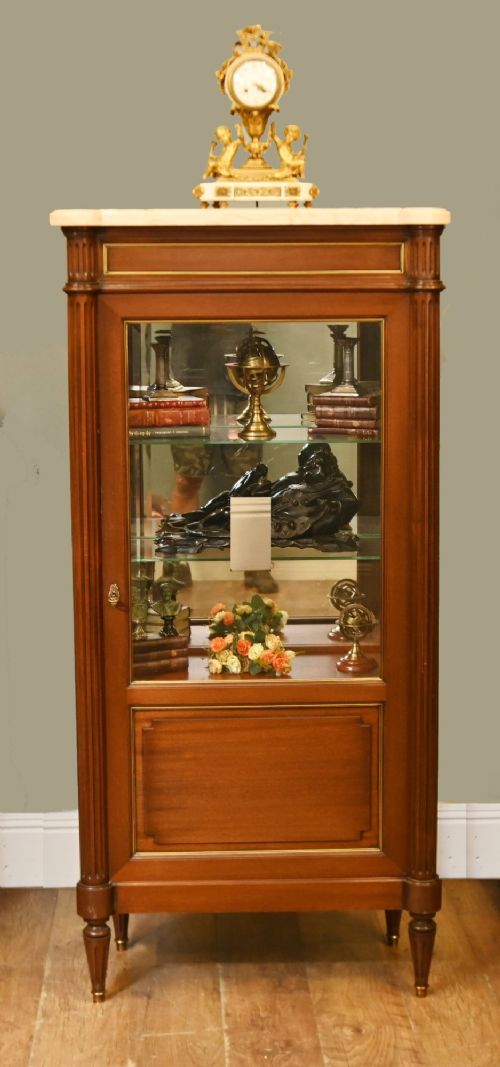
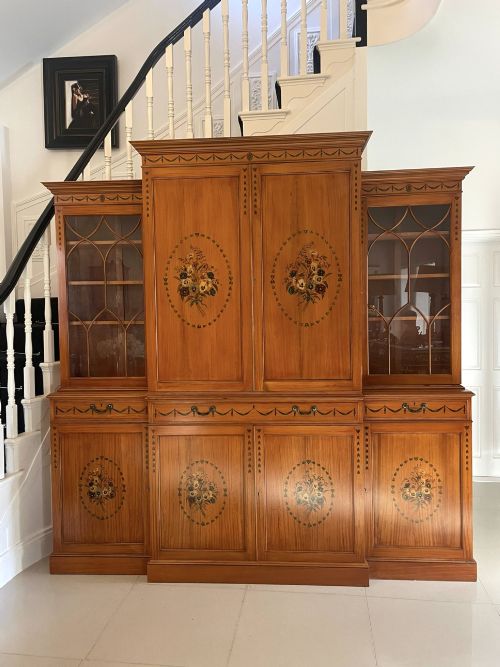
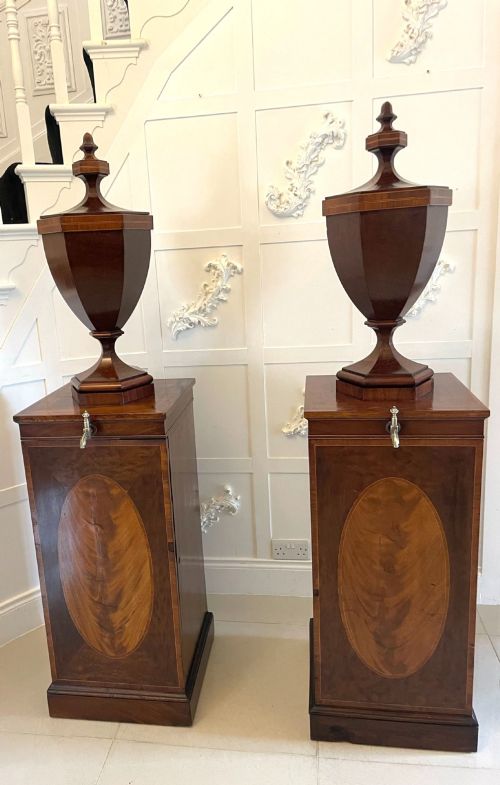
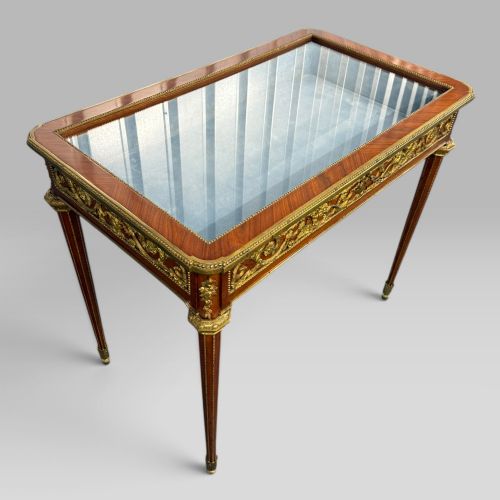
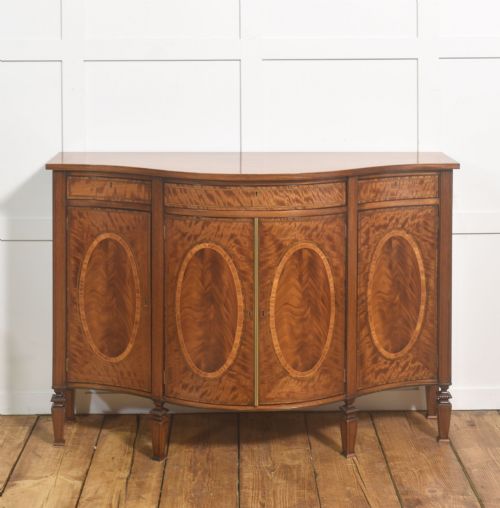
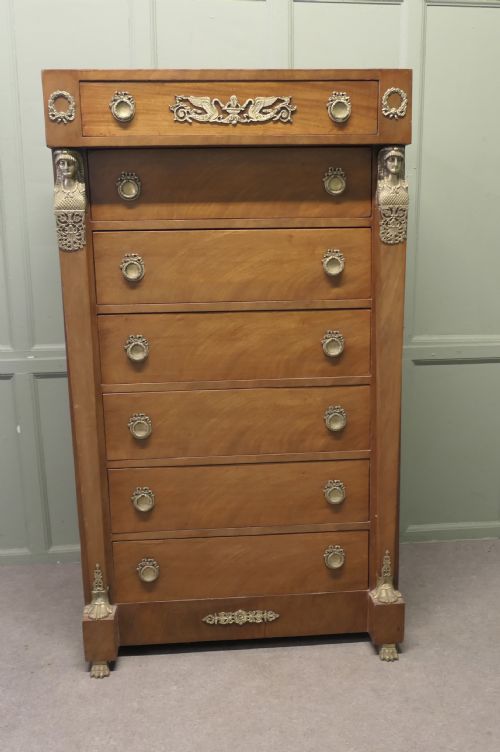
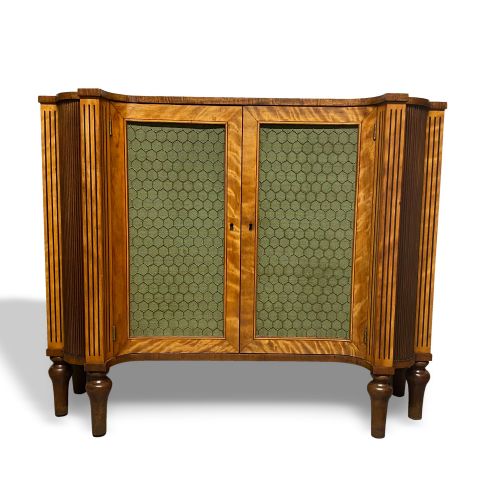
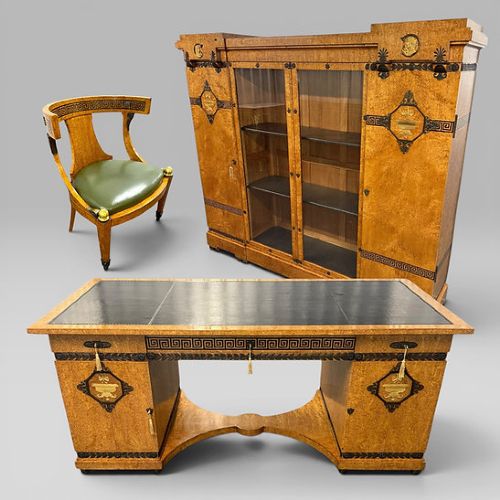
When you search for an antique neoclassical cabinet, you encounter disciplined geometric forms drawing on classical antiquity, spanning side cabinets, display cabinets, bookcases and commodes. The selection ranges from eighteenth-century George III and Italian pieces to nineteenth-century French Empire and later Sheraton Revival interpretations in satinwood and mahogany.
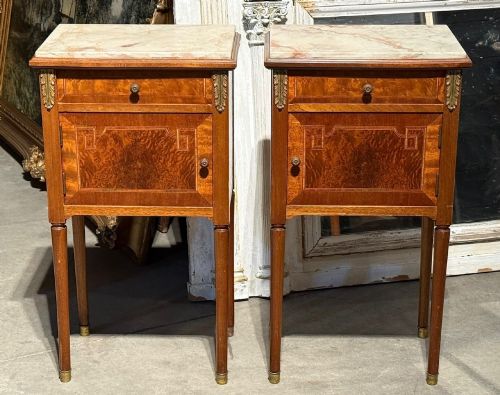
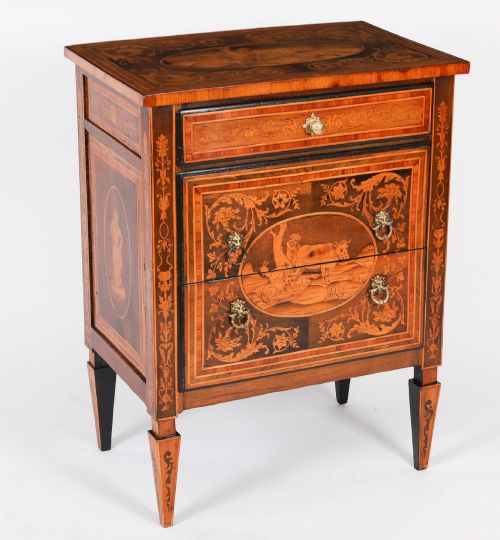
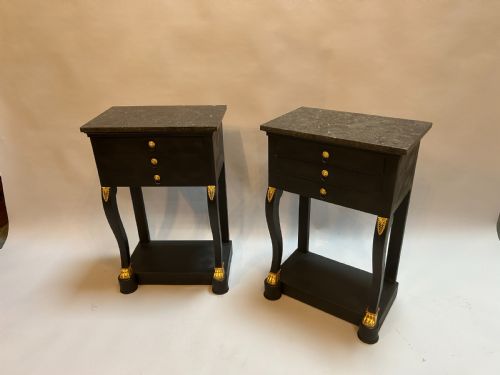
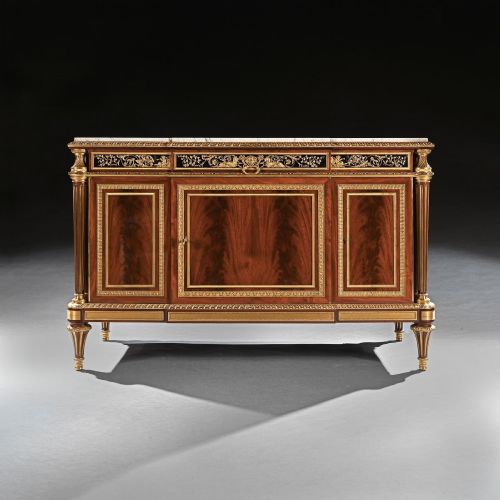
The version most commonly met on this page is the compact bedside cabinet or larger commode, often featuring inlaid marquetry, brass mounts and marble tops. These items bridge utility and display, designed to anchor a corner or flank a bed with proportion and poise rather than heavy carving.
How they were made
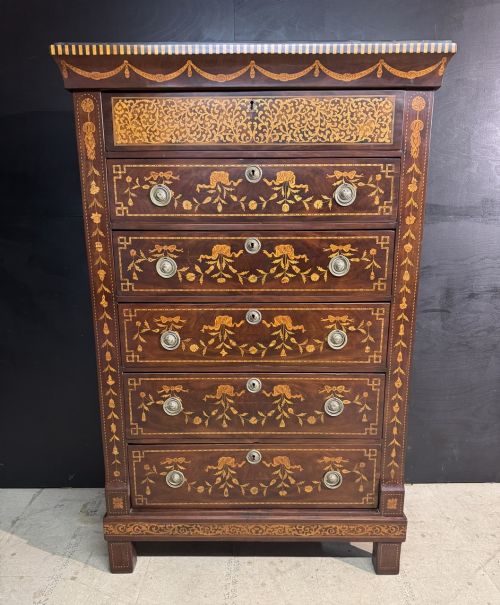
Cabinetmakers constructed carcasses primarily in mahogany, walnut and harewood, frequently applying veneers of satinwood or kingwood to create geometric panels. Artisans employed contrasting boxwood stringing and intricate floral or architectural marquetry to define the drawer fronts and door panels.
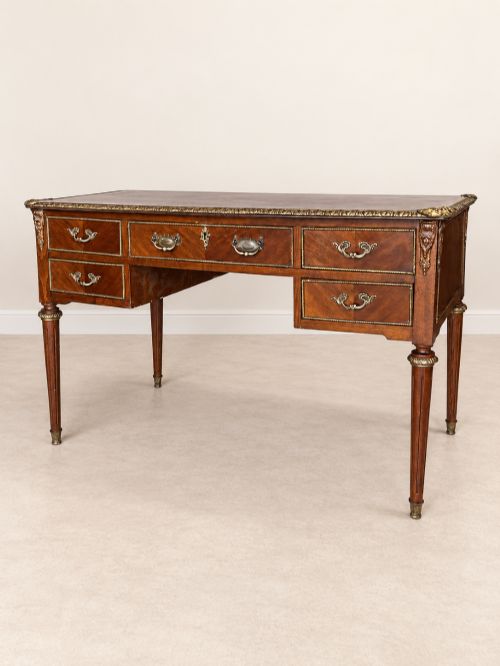
Metalwork played a structural and decorative role, with cast ormolu mounts, brass embellishments and gilt bronze framing key structural points. Marble tops, including fossil varieties, were cut and polished to provide durable, cool surfaces atop wooden commodes and consoles.
Listings feature eighteenth-century walnut and mahogany alongside nineteenth-century French Empire and Edwardian Sheraton Revival satinwood.
What varies in quality
The hierarchy of these pieces rests on the crispness of the cabinetmaking and the precision of the timber selection. Master makers executed marquetry and stringing with seamless integration, ensuring that veneers align naturally across drawer divides and curved demi-lune fronts.
Quality also declares itself through the weight and chasing of the ormolu mounts and the integration of hardware. Superior examples maintain original marble tops and untouched surface patination, whereas lesser pieces rely on mechanical uniformity and later replacement fittings.
Henry Dasson·James Hicks·Jewell of Holborn·Maple and Co.·Mercier Frères
The Antique Neoclassical Cabinet Glossary
- Marquetry
- The art of forming decorative patterns by fitting together small pieces of wood veneer. This technique creates complex pictorial or geometric designs across cabinet doors and drawer fronts.
- Ormolu
- Gilded bronze used for decorative mounts and feet on furniture. High-quality pieces feature hand-chased detail that accentuates the classical lines.
- Commode
- A low chest of drawers or cabinet developed in France. These pieces often feature marble tops and sophisticated veneer work.
- Satinwood
- A durable, lustrous timber with a golden sheen frequently used in late eighteenth and revival furniture. It accepts inlay and painting exceptionally well.
- Astragal
- A small moulding framing glass panes in bookcase and display cabinet doors. It divides the glazing into delicate geometric lights.
Antique Neoclassical Cabinet: Frequently Asked Questions
How do I identify neoclassical style?
Neoclassical pieces rely on straight lines, symmetry and classical architectural motifs such as pilasters, urns and swags. Ornamentation remains restrained compared to the exuberant curves of preceding rococo designs.
Look for geometric balance, tapering legs and proportioned brass mounts that echo ancient Greek and Roman architecture.
Where should I place a cabinet?
These cabinets suit reception rooms, libraries or hallways where their linear forms and polished timbers can catch the light. Taller bookcases and vitrines anchor larger wall spaces effectively.
Smaller bedside commodes and side cabinets function well beside seating or against narrow architectural piers.
How do I care for satinwood?
Protect satinwood and marquetry surfaces from direct sunlight to prevent the timber from darkening or fading unevenly over time. Dust gently with a dry, soft cloth.
Avoid liquid polishes and wax heavily only when the timber appears dry, preserving the original patina without buildup.