





Antique Neapolitan Bronzes
These antique neapolitan bronzes capture the spirit of the Grand Tour and nineteenth-century realism, offering skilled sculptural interpretations of classical subjects that bring classical antiquity directly into your room.
Antique Neapolitan Bronzes
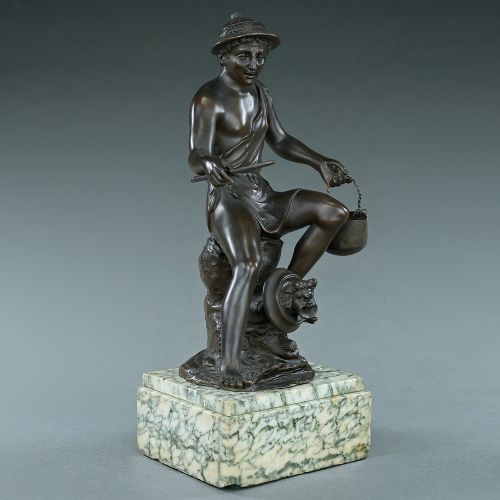
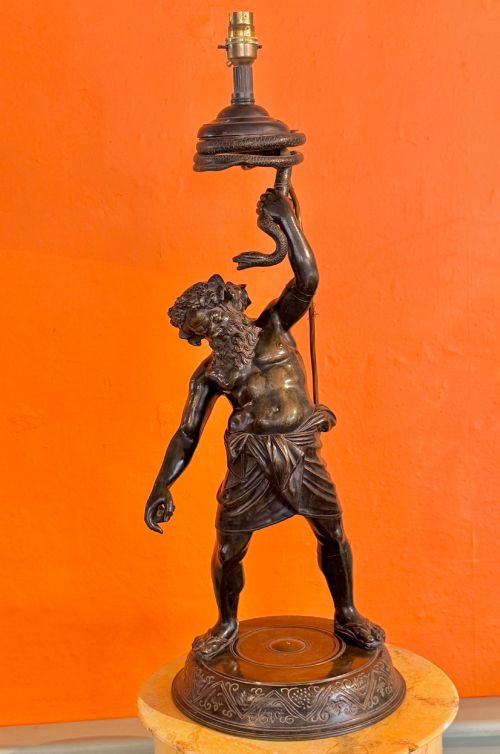
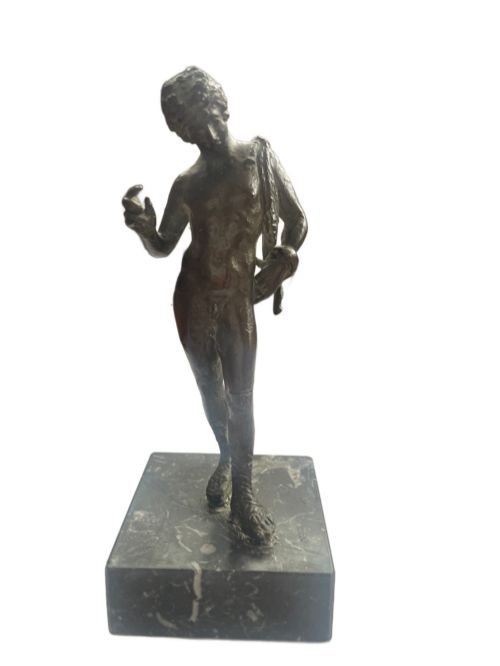
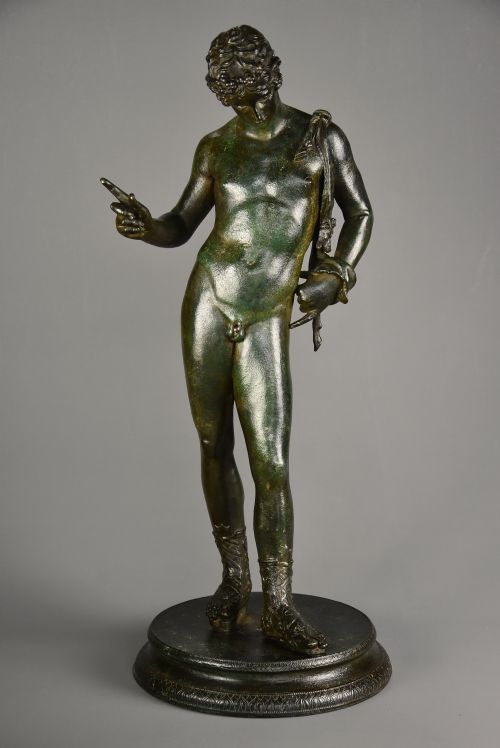
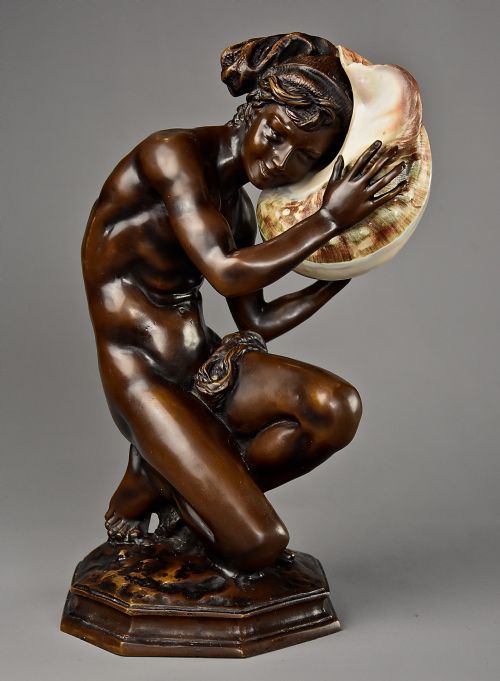
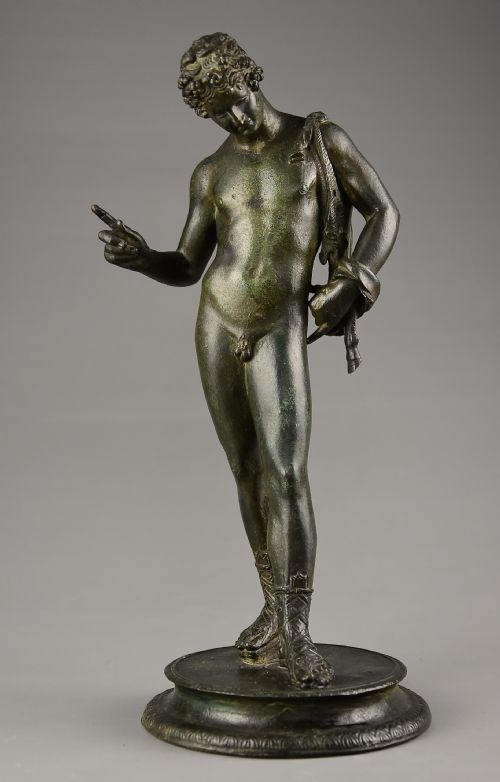
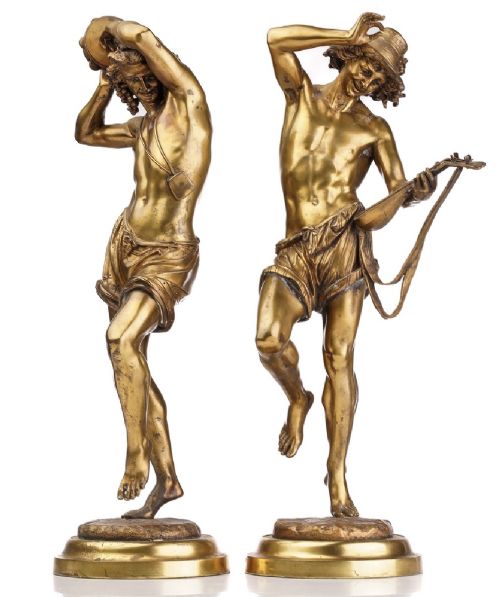
When you search for antique neapolitan bronzes, you are looking at nineteenth-century sculptures, statues, and table lamps that originate from Naples or record Italian subjects through the lens of the Grand Tour. The most common examples on this page are figures after the antique, including representations of Narcissus, Bacchus, and dancing fauns, alongside local genre subjects like fisherboys and musicians.
The objects span periods from the nineteenth century into the early twentieth century, incorporating specific dates and styles such as French Academic and nineteenth-century realism alongside Grand Tour souvenirs. Formats range from individual bronze figures mounted on fossil marble bases to functional table lamps and pairs of musician sculptures.
How They Were Made
The makers of these sculptures utilised cast bronze, patinated bronze, and gilt bronze, often mounting the metal figures onto marble or fossil marble bases. Surface treatments include green patination and dark green patination to give the bronze an aged or classical appearance.
Construction techniques combine traditional metal casting with hand-finishing, pairing the metal figures with stone plinths or rock-form bases as seen in works depicting figures standing on rock.
Antique Neapolitan Bronzes Retail Price Guide 2026
Typical asking prices for neapolitan bronzes among the pieces listed under this phrase on Sellingantiques today, from the lower quarter to the upper quarter. They describe what is for sale here now, not the wider market.
Nineteenth-century tourists frequently packed miniature bronze dancing fauns into luggage alongside their laundry.
What Varies in Quality
The distinction between standard and superior examples rests on the crispness of the casting and the fidelity to the original classical or academic model. Finer pieces display sharper anatomical detail in the figures and more nuanced control over the patination.
Quality is also evident in the selection and preparation of the supporting materials, such as the figuring within the fossil marble bases and the integration of the bronze sculpture to its plinth.
G. Amodio Naples·Giuseppe Renda·Vincenzo Gemito·Albert Ernest Carrier-Belleuse·Francisque Joseph Duret·Michele Amodio
The Antique Neapolitan Bronzes Glossary
- Grand Tour
- A cultural journey of Europe undertaken by wealthy young men in the eighteenth and nineteenth centuries, yielding souvenirs such as small bronzes and classical sculpture reductions.
- Patinated Bronze
- Bronze metal treated with chemical solutions to produce a specific surface colour or aged finish, such as green patination.
- Fossil Marble
- A type of natural limestone containing visible fossil fragments, frequently utilised for the bases of nineteenth-century cabinet bronzes and sculptures.
- Gilt Bronze
- Bronze metal coated with a layer of gold or gold leaf, providing a bright metallic surface finish.
- After the Antique
- A descriptive term for sculptures modelled directly from classical Greek or Roman statues discovered during archaeological excavations.
Antique Neapolitan Bronzes: Frequently Asked Questions
What are antique neapolitan bronzes?
These are nineteenth-century metal sculptures and lamps created in Naples or depicting southern Italian subjects. Many draw inspiration from archaeological discoveries at Pompeii and classical antiquities.
They encompass both souvenir statuary collected during European travels and fine art bronze figures produced by recognised sculptors working in Italy and France.
How were these bronzes displayed?
Sculptures of this scale were designed to sit upon desks, mantelpieces, or dedicated display tables within nineteenth-century homes. Many feature fitted marble or fossil marble bases to provide stability and a decorative plinth.
Table lamps adapted these bronze figures for functional illumination, integrating electrical or oil fittings alongside the cast metalwork.
How do I identify a Grand Tour bronze?
Grand Tour bronzes typically replicate famous classical statues housed in Italian museums, such as the dancing faun or Narcissus from Pompeii. They were produced as high-end souvenirs for travellers during the nineteenth century.
Look for refined patination and meticulous attention to classical proportions, which distinguish these educational and decorative reductions from later reproductions.
Who made these sculptures?
Production involved both specialised Neapolitan workshops and prominent European sculptors working in the nineteenth and early twentieth centuries. Makers signed their works or operated established foundries in Naples and Paris.
Signatures or foundry marks on the bronze or base often identify the specific artist or studio responsible for the casting.