





Antique Nautical Glass
Antique nautical glass brings together functional maritime instruments and decorative works spanning from the early nineteenth century to the mid-twentieth century.
Antique Nautical Glass
Antique nautical glass encompasses items where glass forms the primary medium or an essential component of maritime objects, spanning periods from the early nineteenth century through to the mid-twentieth century. Buyers search this phrase to find functional instruments, decorative vessels, and detailed scenes connected to seafaring history.
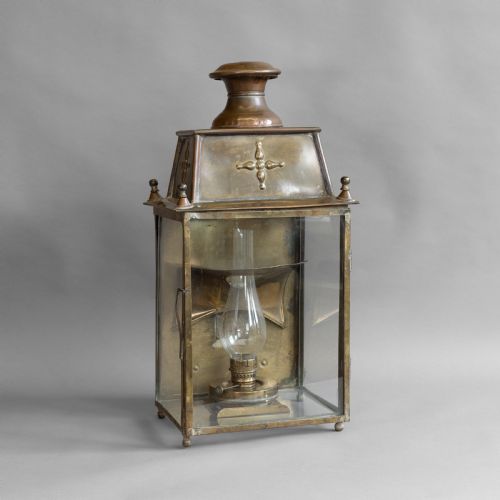
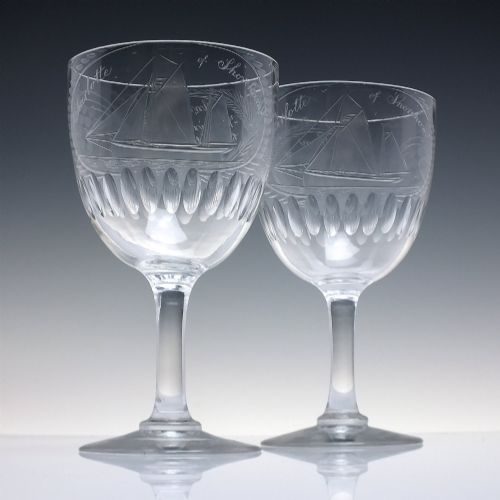
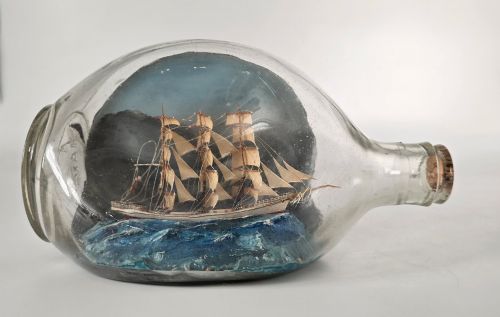
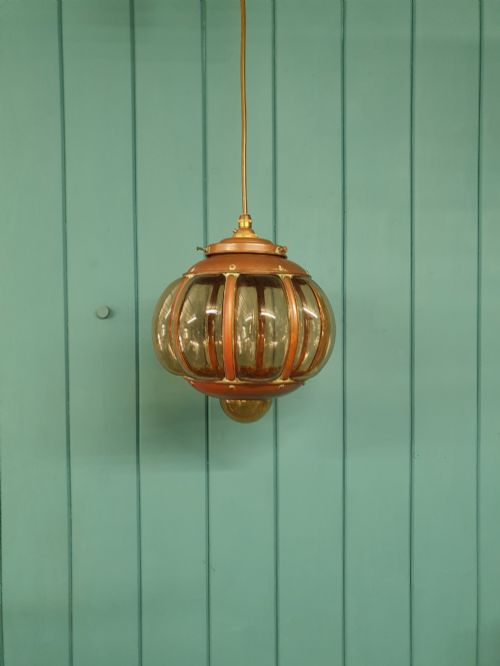
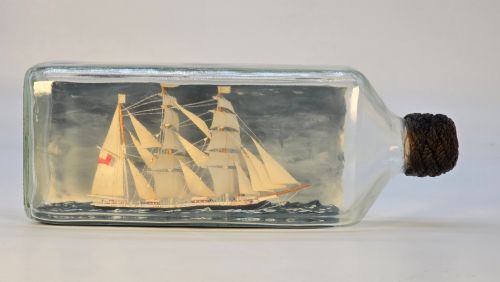
The selections encountered here frequently include ships in bottles, barometers, pendant lights, and table lamps alongside specialised scientific or navigational instruments. Victorian and Edwardian examples predominate alongside pieces reflecting later Art Deco and mid-century aesthetics.
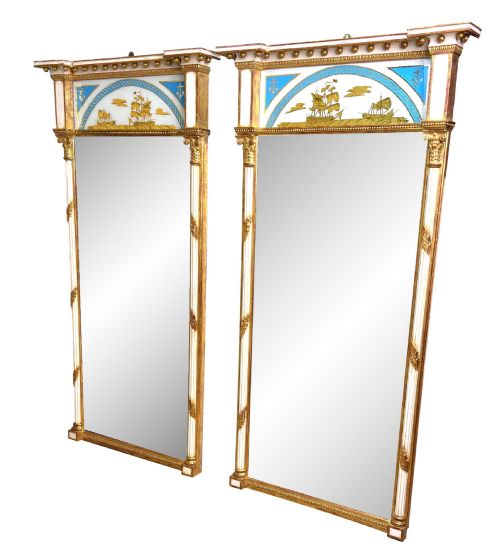
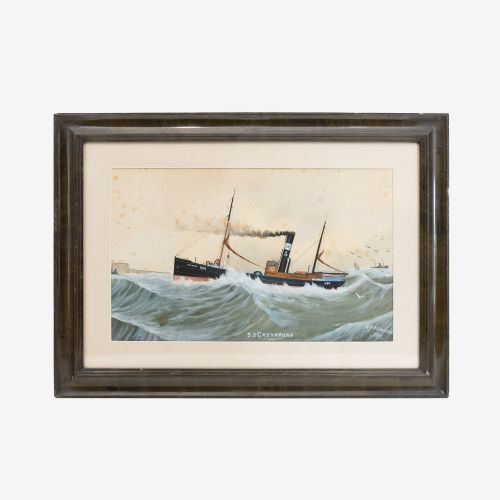
Makers and manufacturers utilised diverse materials alongside glass, incorporating wood, brass, silver plate, and paint to construct dioramas, barometers, and lighting fixtures. Folk art creations sit alongside precision instruments produced by established opticians and instrument makers.
How they were made
Makers combined blown and moulded glass with traditional cabinet timbers such as oak, walnut, rosewood, and fruitwood to house instruments and display models. Brass fittings, dials, and bezels were cast, turned, and polished to secure glass lenses and faceplates on barometers, telescopes, and clocks.
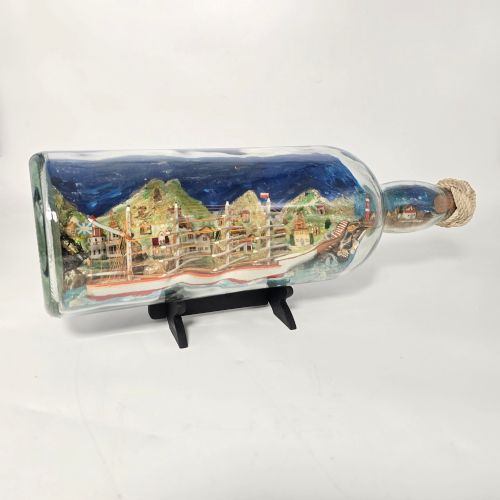
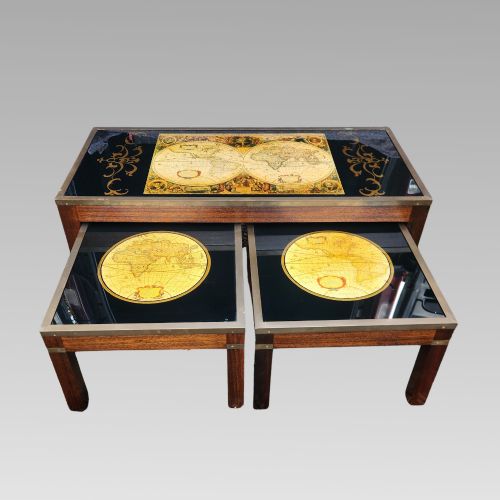
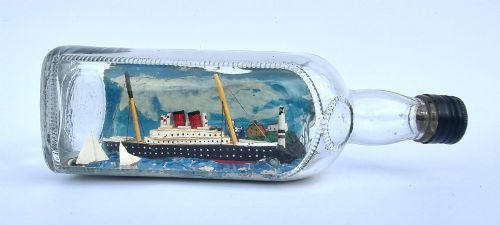
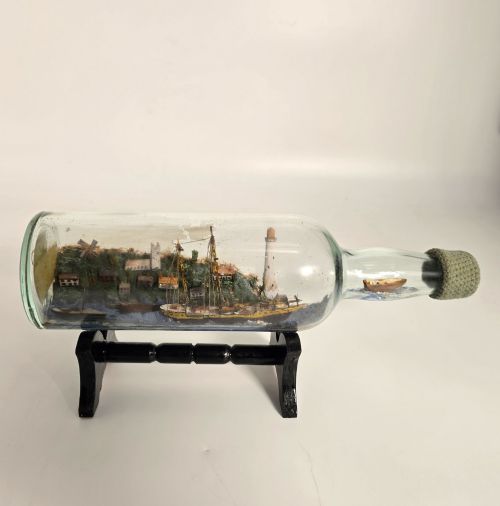
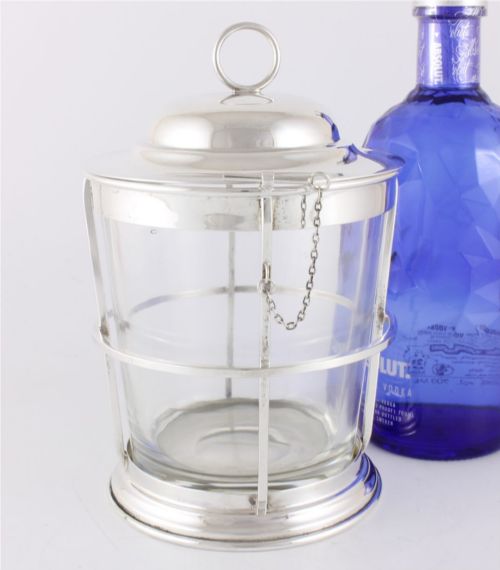
Detailed maritime dioramas and ships in bottles utilised shaped glass vessels combined with painted plaster, thread, putty, and carved wood to replicate rigging and water. Silver plating and cut crystal were deployed in table pieces and ice buckets, uniting utilitarian marine function with decorative craft.
Antique Nautical Glass Retail Price Guide 2026
Typical asking prices for nautical glass among the pieces listed under this phrase on Sellingantiques today, from the lower quarter to the upper quarter. They describe what is for sale here now, not the wider market.
Materials appearing across the current selection comprise glass, wood, brass, paint, enamel, thread, plaster, and putty.
What varies in quality
Quality depends upon the precision of the glasswork and the clarity of the material, distinguishing crisp, distortion-free lenses and vessels from simpler utilitarian output. Original components, such as undamaged glass liners in inkwells or unblemished mercury tubes in barometers, elevate the standing of a piece.
The intricacy of the maritime detail distinguishes superior folk art dioramas and models from standard examples. Finer pieces demonstrate meticulous hand-rigging, accurate scale in miniature representations, and harmonious integration of glass with brass and hardwood housings.
PH Vogel·Alexander Harwood·Elliott Brothers·Daum Freres·John Lilley and Son
The Antique Nautical Glass Glossary
- Aneroid barometer
- An instrument that measures atmospheric pressure without using liquid, typically housed behind a circular glass face.
- Diorama
- A three-dimensional scene enclosed within a case or bottle, often utilising painted backgrounds and miniature models to depict ships at sea.
- Marine stick barometer
- A tall wall-mounted barometer utilising a glass tube filled with mercury, designed to withstand the motion of a ship.
- Porthole
- A heavy circular window fitted with a thick glass pane, used to admit light and air into the hull of a vessel.
- Artificial horizon
- An optical instrument utilising a glass plate and reflective liquid to determine altitude and angles in navigation.
Antique Nautical Glass: Frequently Asked Questions
What periods do these pieces date from?
The selections span from the early nineteenth century through the Victorian and Edwardian eras into the Art Deco period and mid-twentieth century.
Most items reflect nineteenth-century craftsmanship or early twentieth-century decorative styles.
How were glass elements used in maritime instruments?
Glass protected delicate barometer faces, compass dials, and clock dials from moisture and salt air aboard ships.
Heavier glass lenses were also utilised in portholes, deck lights, and specialised navigational tools.
Are ships in bottles considered folk art?
Many examples of ships in bottles stem from maritime folk art traditions created by sailors and independent craftspeople.
These pieces combine carved wooden hulls and thread rigging inserted carefully through narrow glass bottle necks.
How do I identify a marine barometer?
Marine barometers often feature gimbal mountings or heavy wood and brass cases designed to accommodate movement on water.
They rely on exposed or glass-enclosed tubes displaying atmospheric changes crucial for sea voyages.