


Antique Nature Picture
An antique nature picture brings the open air inside, offering quiet woodland scenes and river landscapes framed for the wall.
Antique Nature Picture
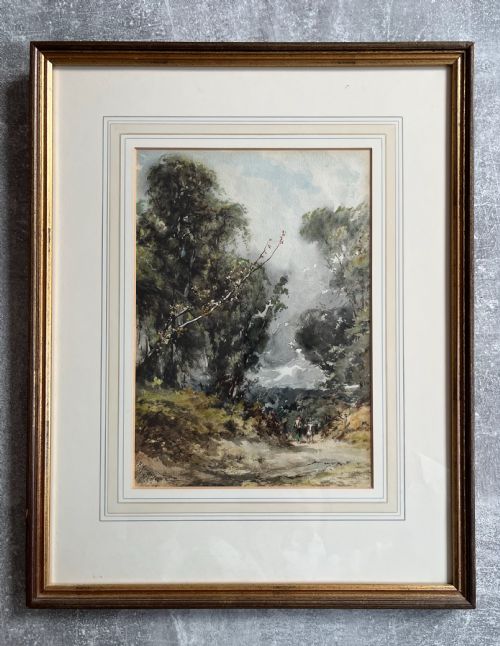
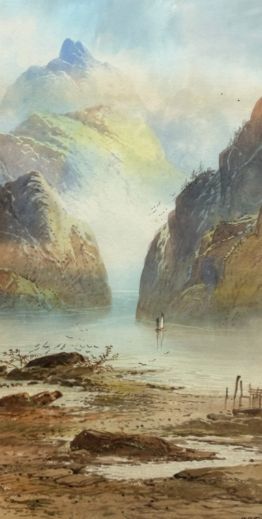
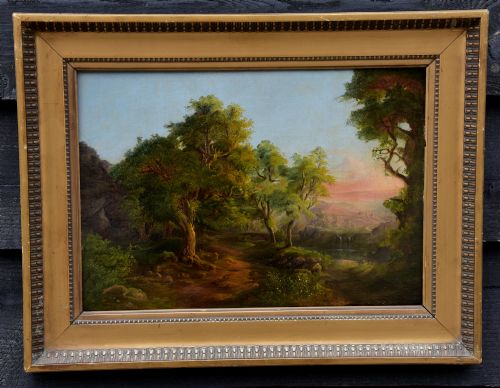
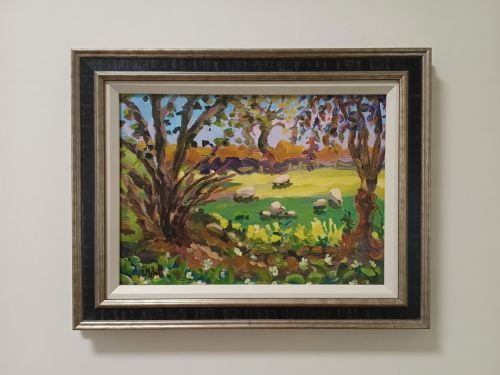
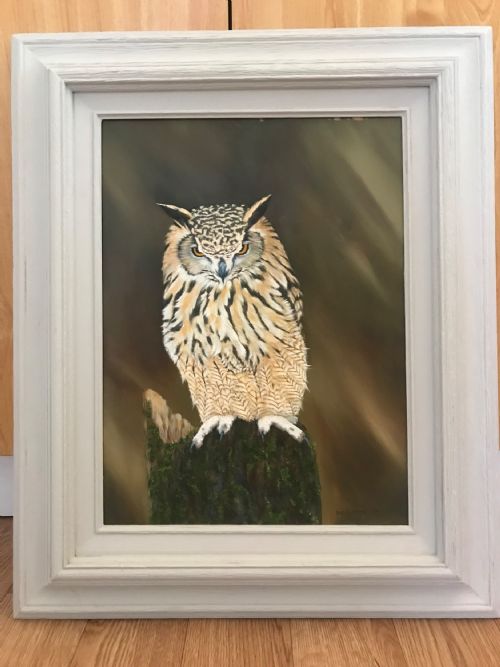
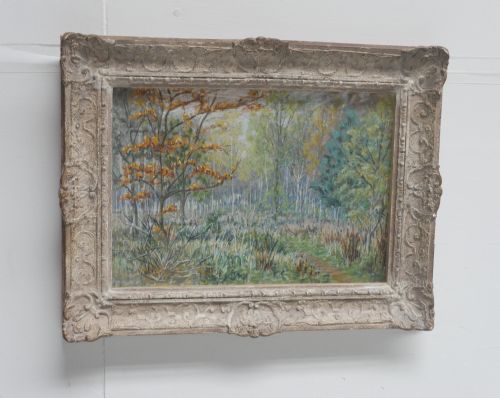
An antique nature picture captures the British countryside, highland vistas and still life studies through the eyes of nineteenth and early twentieth century artists. When you search for an antique nature picture, you find framed watercolours and oil paintings depicting rivers, lakes, woodlands and rural valleys.
The pieces on this page span the Victorian and Edwardian eras up to the mid twentieth century. Most examples present traditional landscapes or botanical studies rendered in oil on canvas, board or delicate watercolour on paper.
Framed artwork and prints also appear among the offerings, providing varied ways to bring historical depictions of nature into domestic interiors. These works range from intimate pastoral watercolours to larger oil paintings of Scottish lochs and Welsh rivers.
Materials and technique
Artists relied primarily on watercolour on paper or oil paint applied to canvas and wooden board to capture natural subjects. Gouache and pastel also feature among the surviving works, offering opaque colour or soft blended textures.
Frames incorporated wood, plaster and gold leaf, enclosing the paintings and protecting the fragile paper or canvas surfaces. Skilled mounting preserved watercolours behind glass, shielding the pigments from atmospheric moisture.
Listings span the nineteenth century through to the 1950s, utilising paper, canvas, wood and gold leaf.
What separates the finest pieces
Quality rests upon the artist's ability to render light, depth and atmospheric conditions within a natural landscape or still life. Works by recognised painters command attention through confident brushwork and precise topographical detail.
The integrity of the original frame and the preservation of the pigments largely dictate a piece's visual impact. Fading or heavy restoration alters the balance of a watercolour, whereas well-preserved oil paintings retain their original richness of tone.
George Fotherly Hargitt·William Henry Earp·William Joseph Boyes·Vincent Clare·William Hoggatt·George Arthur Fripp·John Wright Oakes·William Langley·Eloise Harriet Stannard·Charles Branwhite·James Kinnear·William Mellor·Alfred Parsons
The Antique Nature Picture Glossary
- Watercolour
- A paint consisting of colour suspended in a water-soluble binder, traditionally applied to paper. It allows for translucent washes that capture soft daylight and watery reflections.
- Oil on canvas
- Pigments bound in a drying oil applied to a stretched cloth support. This technique provides deep colour saturation and rich textures suitable for grand landscapes.
- Gouache
- An opaque water-based paint containing a white pigment filler. It creates solid, matte areas of colour distinct from transparent watercolour washes.
- Still life
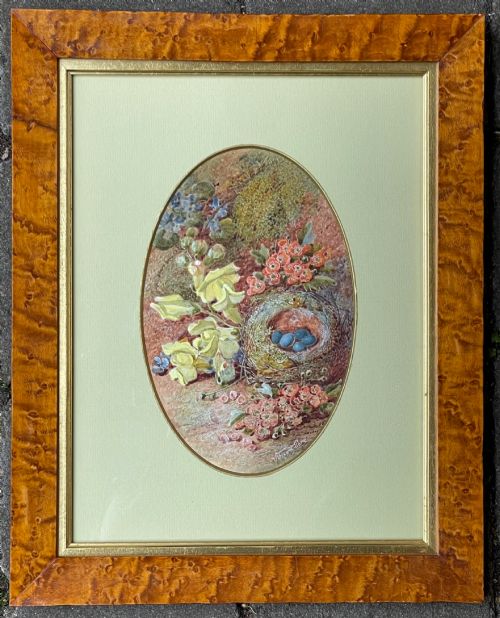
- A painting depicting inanimate subject matter, such as fruit, flowers or birds' nests. These compositions highlight domestic observation of nature.
- Pastel
- A dry powder pigment stick used for drawing. It produces velvety textures and soft colour transitions.
Antique Nature Picture: Frequently Asked Questions
How do I hang a watercolour safely?
Keep watercolours away from direct sunlight to prevent the pigments from fading over time. Position them on interior walls where room temperature and humidity remain stable.
Ensure the frame hangs securely from appropriate fixings, and check that the glass does not touch the painted paper surface directly.
What subjects are most common?
River valleys, highland lochs and wooded landscapes dominate the selection, reflecting a nineteenth-century fascination with rural scenery. Coastal views and pastoral countryside scenes also appear frequently across the period.
Still life compositions featuring flowers, fruit and birds add domestic variety to the broader landscape traditions.
How do I tell watercolours from oils?
Watercolours are painted on paper, display a translucent quality, and require glass protection within the frame. Oil paintings sit on canvas or board with visible texture and a heavier paint layer.
Oils generally do not require glass covering, allowing the varnished surface of the canvas to remain exposed to the air.
Are these works signed by the artist?
Many pieces retain the original signature or monogram of the painter, often placed discreetly in a lower corner. Archival details and dates sometimes accompany the signature, confirming the period of creation.
Unsigned works still appear, particularly from the Victorian and Edwardian eras, attributed through style and technique.