
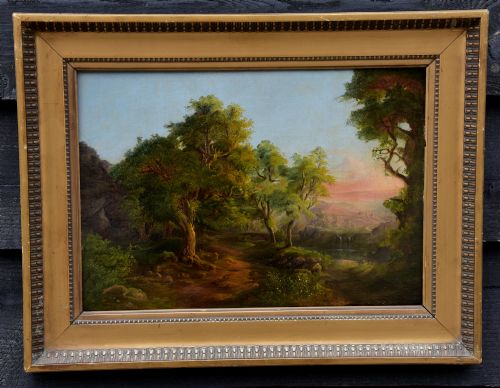
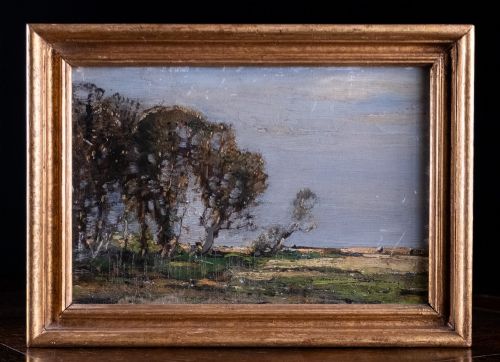
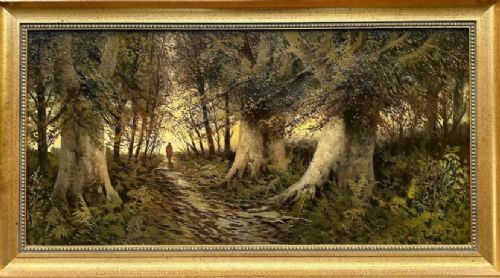
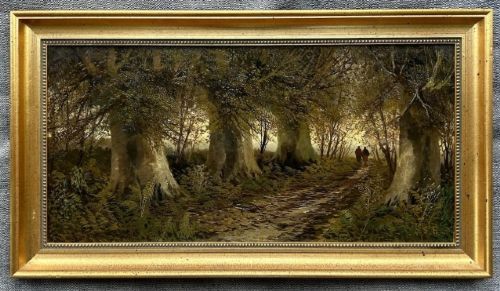


Antique Nature Oil Painting
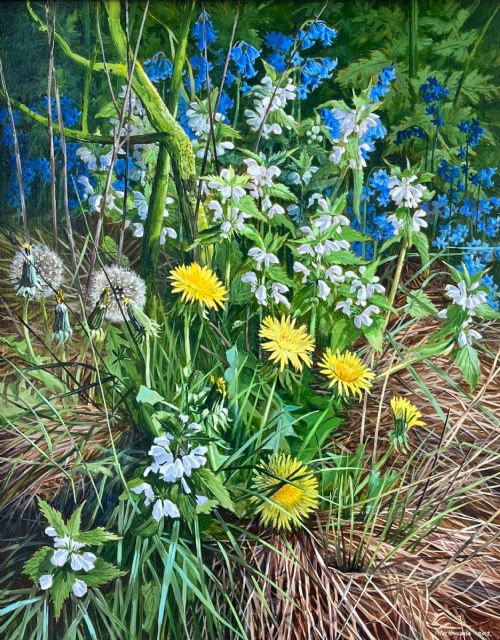
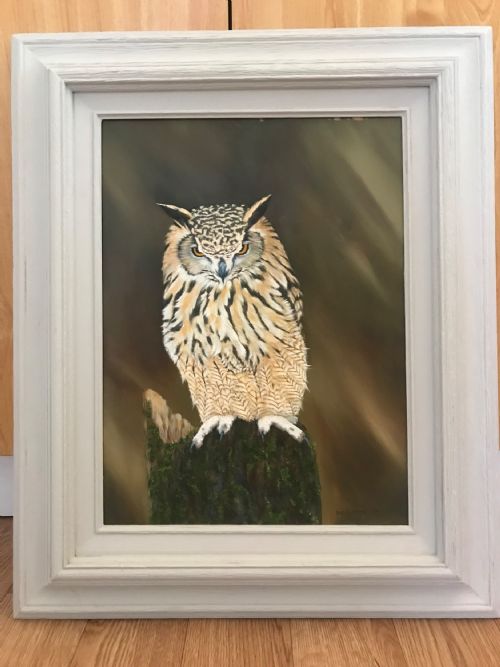
These antique nature oil painting pieces capture landscapes, rivers, and wildlife through brushwork on canvas and board from the Victorian era into the twentieth century.
Antique Nature Oil Painting
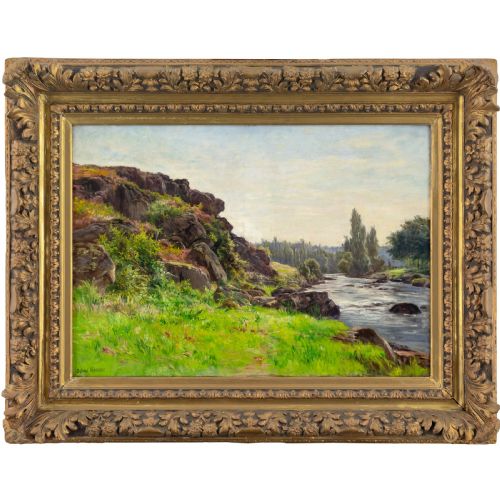
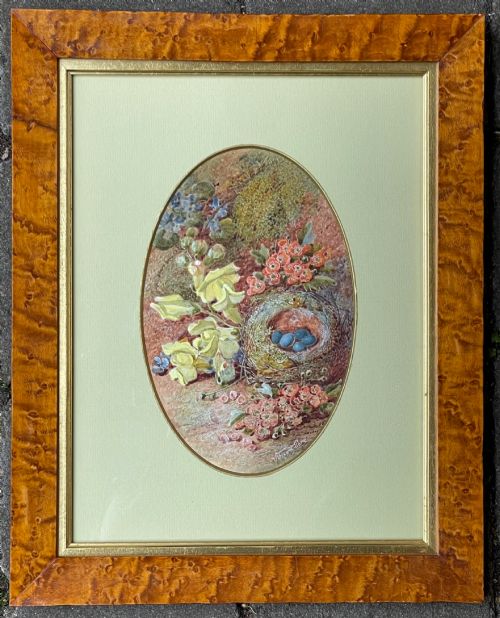
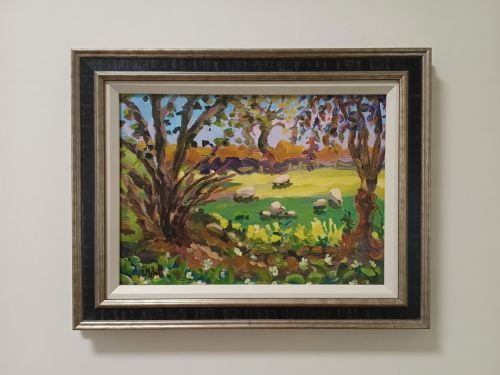
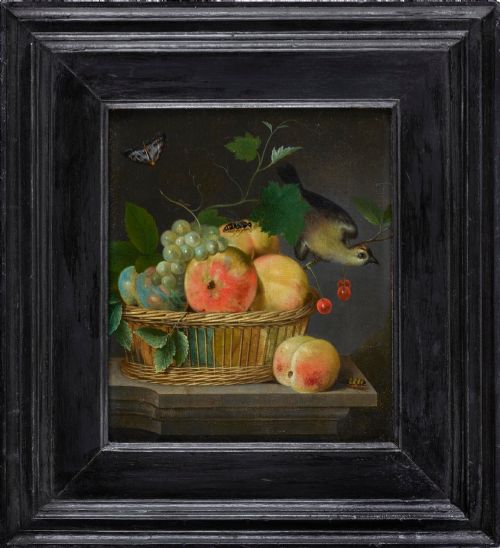
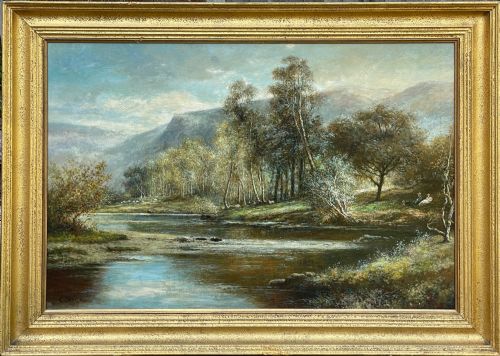
When searching for an antique nature oil painting, collectors encounter works depicting wooded river landscapes, Scottish highlands, orchards, and pastoral scenes. The majority of pieces on this page originate from the nineteenth century and the early decades of the twentieth century, reflecting Victorian naturalism and impressionist movements.
The subjects range from quiet woodland paths and sunsets to bustling riverbanks with figures, fishermen, and farm animals. Painters recorded rural vistas across England, Wales, and France, employing oil paint on canvas or wooden board.
How they were made
Artists applied oil paint using brushes and palette knives onto prepared woven canvas or solid wooden boards. Canvas required stretching over wooden frames, whilst boards offered a rigid surface for outdoor sketching.
Many works reside within their original or period frames constructed from wood and ornamented with moulded gesso and gold leaf gilding. These frames protect the edges of the canvas and complement the visual depth of the pigment.
Antique Nature Oil Painting Retail Price Guide 2026
Typical asking prices for nature oil painting among the pieces listed under this phrase on Sellingantiques today, from the lower quarter to the upper quarter. They describe what is for sale here now, not the wider market.
Works span multiple decades, incorporating British impressionism, Victorian naturalism, and French impressionist studies of nature.
What varies in quality
The strength of composition and the handling of natural light distinguish superior examples from standard decorative works. Skilled painters utilised confident brushstrokes and tonal contrast to create atmospheric depth in woodland and water scenes.
The preservation of the original paint surface and the intact condition of the gilded gesso frame influence the overall integrity of the piece. Works signed by recognised artists often display more refined draughtsmanship in foliage and figures.
Kershaw Schofield·Thomas W Lascelles·Gabriel Mathieu·Vincent Clare·Gaspar Peeter Verbruggen·William Mellor·John Wright Oakes·William Langley·George F Wetherbee·T B Garvie·Owen Bowen·Ernest Moore·Adolphe Gumery·James Poole·Fred Merriman·Emile Lecomte·John Nost Sartorius·Alice Fanner
The Antique Nature Oil Painting Glossary
- Canvas
- A heavy woven fabric stretched across a wooden stretcher frame to serve as a support for oil paint. It provides a flexible texture that absorbs layers of pigment.
- Gesso
- A plaster mixture applied to wooden frames to create a smooth surface before gilding with gold leaf. It allows for intricate moulded decorative details.
- Board
- A rigid wooden panel used by artists as a sturdy alternative to canvas. These supports were particularly practical for painting outdoors.
- Impressionism
- A painting style focusing on light, loose brushwork, and everyday scenes rather than rigid academic detail. Practitioners prioritized capturing momentary visual effects in nature.
Antique Nature Oil Painting: Frequently Asked Questions
How do I date an antique nature oil painting?
Examining the stretcher frame, canvas weave, and pigments helps determine the age of the artwork. Stylistic clues such as Victorian clothing or impressionist brushwork also point to specific decades.
Signatures, inscriptions on the reverse, and the style of the wooden frame provide further chronological markers. Comparing the technique to known dated works by the same period helps narrow the timeframe.
Where should I hang these paintings at home?
These works suit dining rooms, studies, and hallways where natural light enhances the textures of oil paint and giltwood frames. Pairing them with traditional wooden furniture complements their rural subject matter.
Avoid placing canvases in direct sunlight or damp areas to protect the pigment and canvas fibres. Stable indoor humidity preserves both the paint layer and the gesso frame.
What is the difference between canvas and board?
Canvas consists of woven fabric stretched over a wooden frame, offering a yielding surface with visible texture. Board is a rigid wooden panel that provides a completely flat support for the paint.
Artists frequently used boards for smaller outdoor studies because they required no stretching. Canvases were typically chosen for larger, more finished exhibition pieces.
Why are some paintings signed while others are not?
Many professional artists signed their finished canvases directly on the front or inscribed their names on the reverse. Unsigned works often originated from studio assistants, amateurs, or pieces where signatures have faded over time.
Attribution for unsigned works relies upon stylistic comparison with documented paintings from the same period. Framing labels and gallery stamps sometimes offer clues to the artist's identity.