
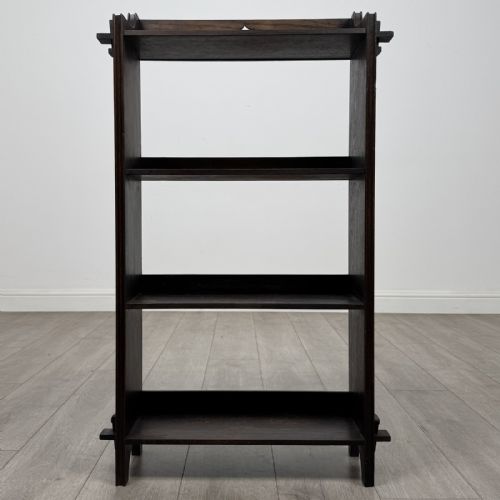
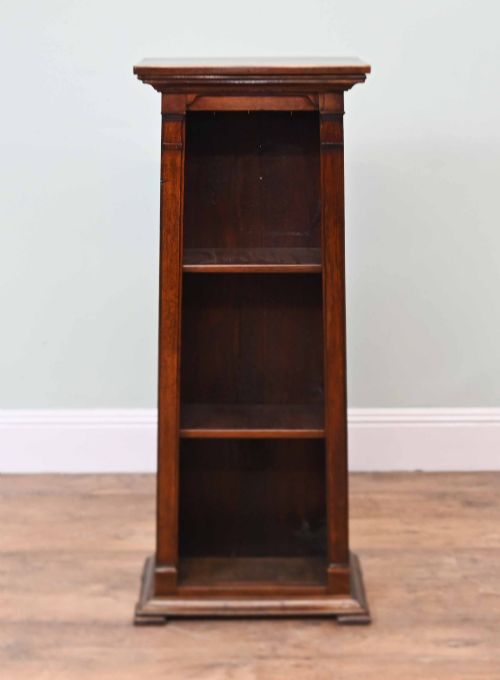
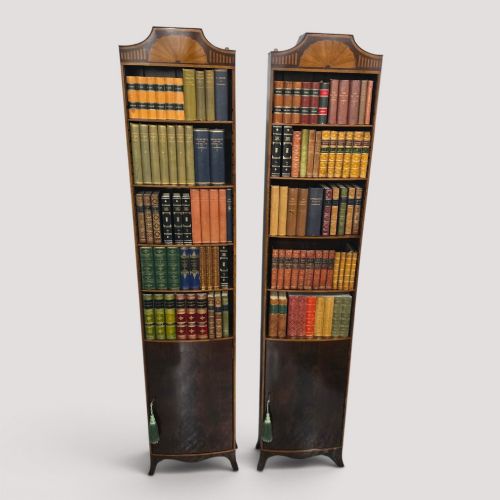
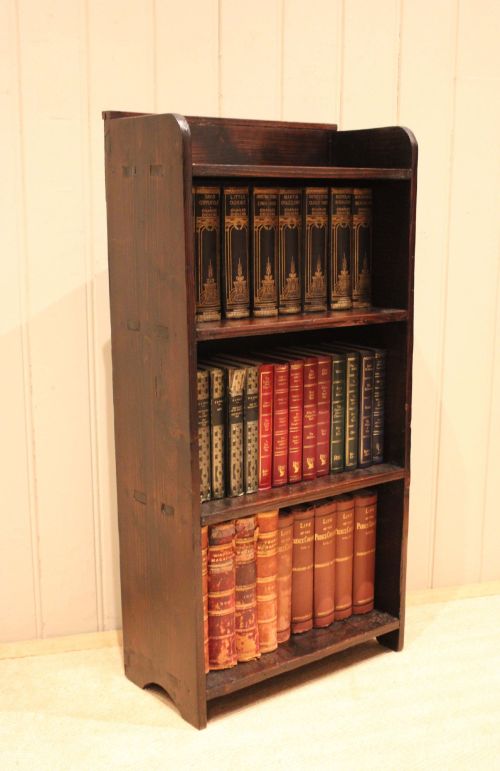
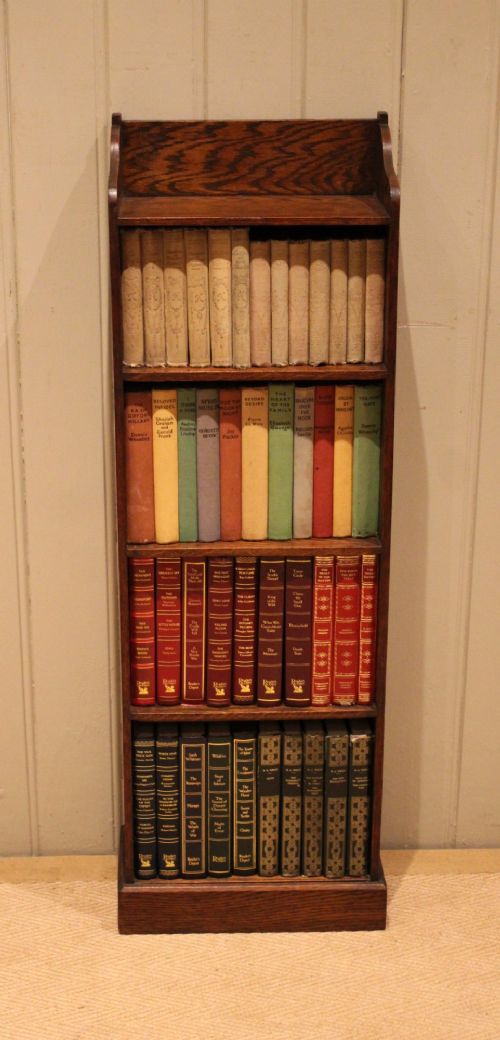
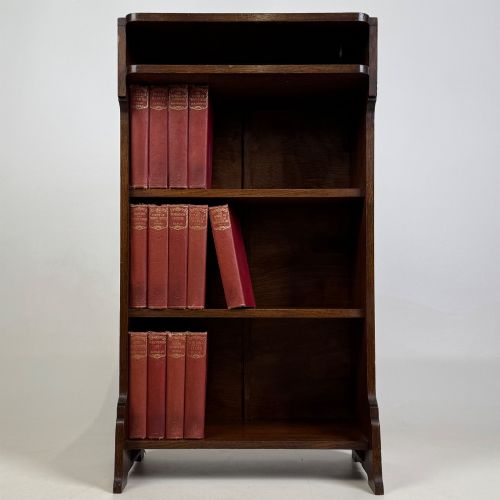
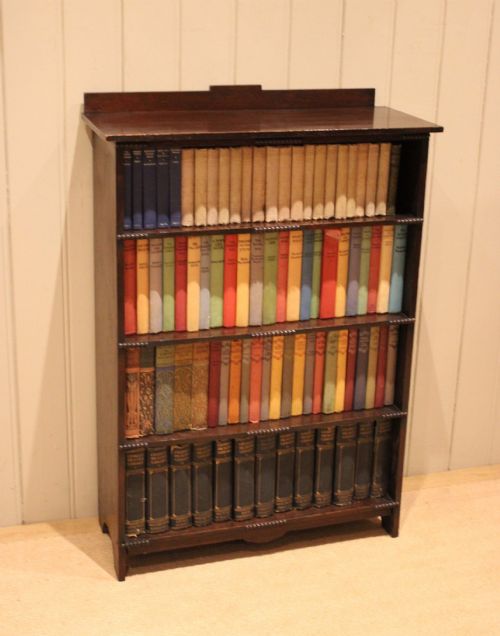
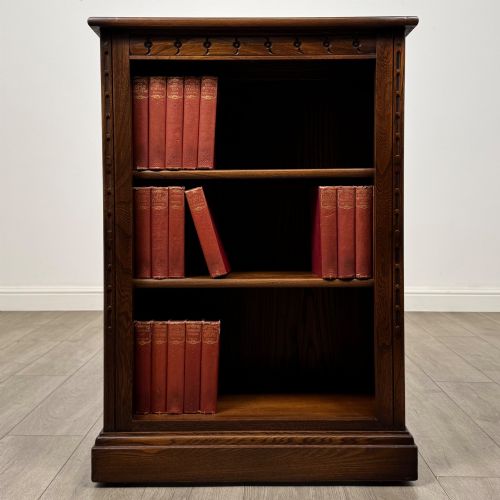
Antique Narrow Bookshelf
An antique narrow bookshelf brings compact proportions and period timber into tight spaces, holding volumes neatly while anchoring a room with character.
Antique Narrow Bookshelf
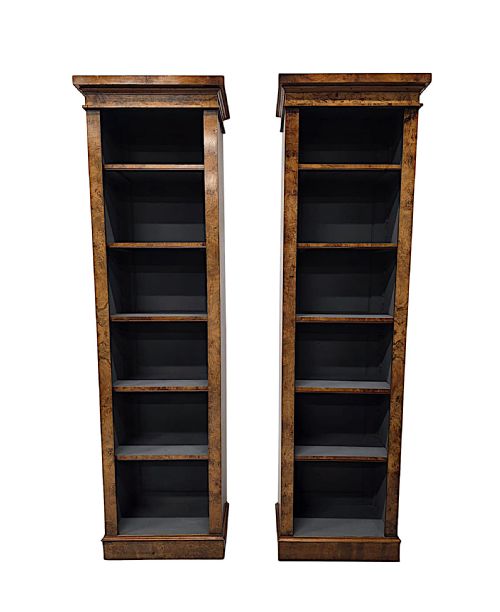
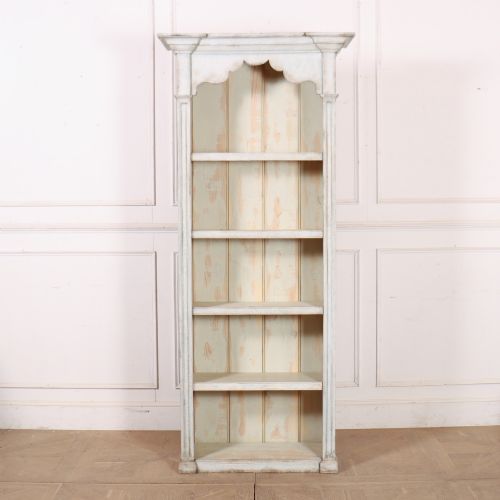
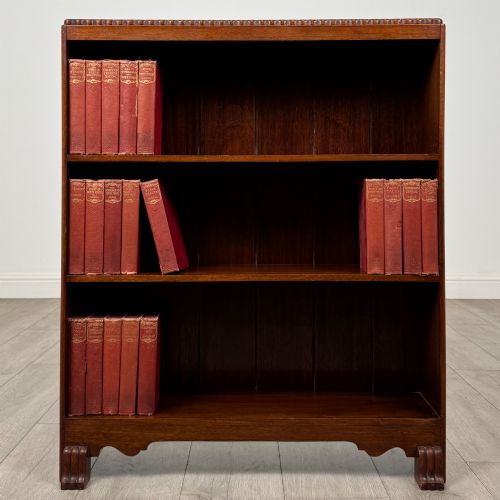
When you search for an antique narrow bookshelf, you encounter pieces designed to fit restricted wall spaces without sacrificing vertical storage capacity. The selections span from the late nineteenth century through the 1930s, encompassing compact forms like open bookcases, whatnots, and slim shelving units.
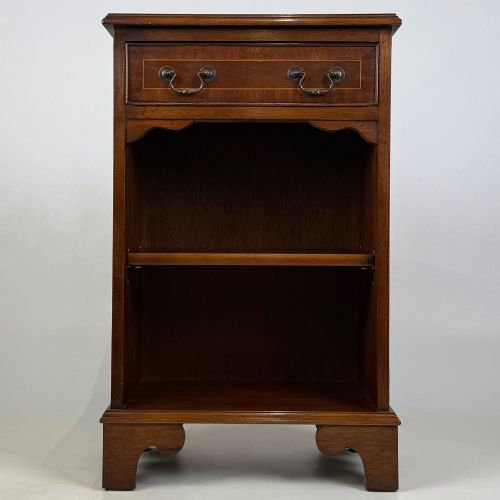
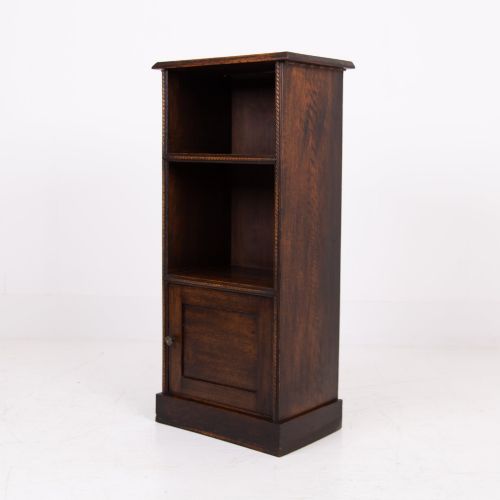
You are most likely to meet oak and mahogany examples from the Edwardian era and the 1920s, constructed with straightforward open shelves or fitted with lower cupboards. These smaller bookcase variants appear frequently in various revivals, including Georgian, Regency, and Jacobean styles.
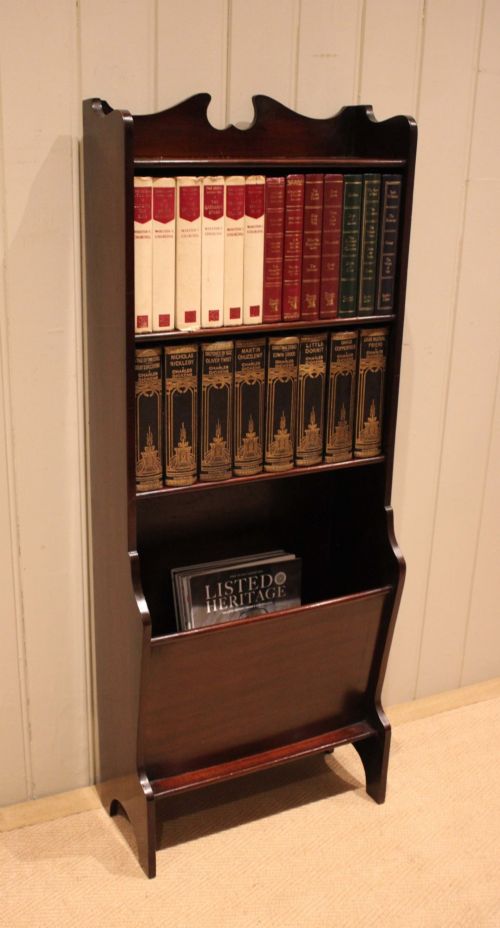
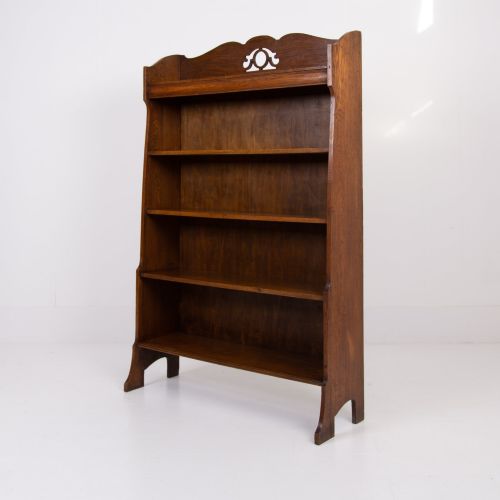
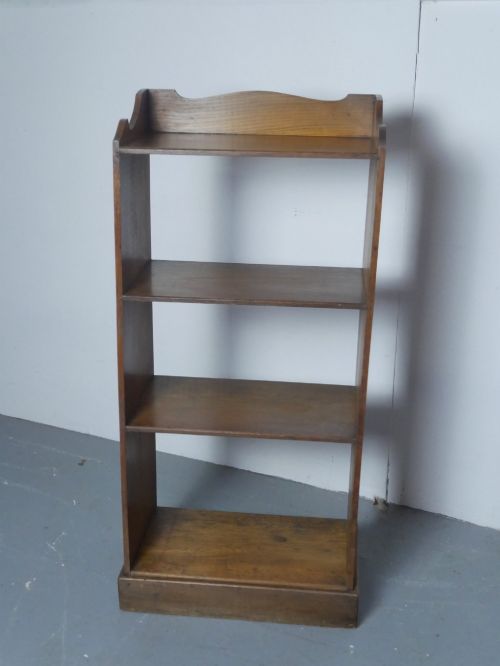
The assortment also includes specialised variants such as waterfall bookcases, pieces featuring integrated magazine racks, and examples with decorative cut-outs characteristic of the Arts and Crafts movement. Each piece offers a practical footprint tailored for modern rooms that require period authenticity.
Materials and construction methods
Cabinetmakers utilised solid timbers and choice veneers, selecting oak, mahogany, walnut, and satinwood for their grain and durability. Pine served for more utilitarian or painted pieces, while brass hardware provided functional hinges, handles, and castors.
Construction relied on traditional joinery techniques such as dovetailed drawers and pegged joints, ensuring stability in narrow vertical frames. Surfaces received polished or waxed finishes that highlighted the natural figure of the wood, from burr walnut to dark oak.
Listings feature oak, mahogany, walnut, satinwood, pine, and rosewood across Victorian, Edwardian, and 1920s periods.
Distinctions in craftsmanship
Quality rests upon the selection of timber and the precision of the cabinetmaker's joinery, distinguishing sturdy hardwood frames from simpler pine alternatives. Superior examples display carefully matched veneers, refined inlay work, and thoughtful proportioning in narrow dimensions.
Makers who incorporated distinctive stylistic elements, such as beaded edges, carved details, or integrated furniture functions like drawers and cupboards, produced pieces that command greater attention. The integrity of the original finish and the crispness of decorative cut-outs further separate standard utility pieces from workshop productions.
Gillows·Waring and Gillows·James Winter·Wylie Lochhead·E.A. Taylor
The Antique Narrow Bookshelf Glossary
- Waterfall bookcase
- A tiered shelving unit where each successive shelf steps back from the one below, creating a cascading profile often seen in Edwardian designs.
- Whatnot
- A piece of furniture consisting of open shelves for displaying books or small objects, popular during the Victorian and Edwardian periods.
- Inlay
- A decorative technique where contrasting pieces of wood or other materials are inserted into the primary surface to form patterns.
- Beaded edge
- A narrow, rounded moulding run along the edge of a shelf or frame, adding subtle decorative definition.
- Arts and Crafts
- A design movement emphasising handcraftsmanship, simple forms, and natural materials, frequently represented in oak shelving with decorative cut-outs.
Antique Narrow Bookshelf: Frequently Asked Questions
How do I style a narrow antique bookshelf?
Place the unit against a tight wall space where standard bookcases overwhelm the room, balancing book collections with small decorative objects. Mixing vertical book stacks with horizontal placements creates visual variety across the shallow shelves.
Allow the timber grain and period details, such as inlaid mahogany or dark oak, to remain visible rather than overcrowding every tier. This approach preserves the proportions of the furniture while maintaining an uncluttered interior.
What periods do these bookcases come from?
The available pieces originate primarily from the late nineteenth century through the early twentieth century, spanning the Victorian and Edwardian eras. You will also find examples dated into the 1920s and 1930s.
Revival styles from these decades frequently draw inspiration from earlier periods like the Georgian and Jacobean eras. This creates a blend of traditional forms adapted for smaller domestic spaces.
Are these shelves adjustable?
Most period narrow bookcases feature fixed shelves integrated directly into the vertical sides as part of the primary construction. This solid arrangement provided structural rigidity for holding heavy volumes in slim frames.
When examining a piece, check the interior uprights to see if the shelves are pegged or permanently set into housing joints. Fixed shelving remains standard across the majority of Edwardian and Victorian examples.